Fukuoka Shore Excursions - Discover Culture, Comfort, and Coastal Charm
Being one of the most populous cities in Japan, Fukuoka is the largest cosmopolitan hub in Kyushu Island. Moreover, this place is a rich cultural city with unique delicious cuisine and various sightseeing attractions. Because of its long history, Fukuoka has observed a collection of historical events of the previous areas. Thus, the city hides many items and artifacts inside tourist attractions such as sacred shrines, ancient relics, and elegant castles.
Step off your cruise and into the vibrant heart of Kyushu with our curated Fukuoka shore excursions. From ancient shrines and historic castle ruins to modern shopping districts and world-famous Hakata ramen, Fukuoka offers a perfect blend of tradition and trend. Whether you’re seeking a relaxed cultural journey, a photo-worthy city walk, or a private guided tour from the cruise port, our experiences are designed to be comfortable, immersive, and cruise-ready, ideal for seniors, families, and first-time visitors alike.
Where Do Cruise Ships Dock for Fukuoka Shore Excursions?
If your cruise itinerary includes Fukuoka, Japan, get ready for a perfect mix of traditional culture and modern city life. Most Fukuoka shore excursions begin right at Hakata Cruise Port, the main gateway for international cruise ships visiting this vibrant city on Japan’s Kyushu Island.
This bustling harbor combines modern infrastructure, convenient city access, and authentic local charm. Whether you’re joining guided Hakata shore excursions or exploring independently, understanding where your ship docks will help you plan your day efficiently and enjoy your time to the fullest.
Overview of Hakata - Fukuoka Port

Hakata Port is managed by the Fukuoka City Port & Harbor Bureau and serves as the central cruise terminal for Kyushu. It welcomes both domestic and international vessels from Korea, China, Taiwan, and across Japan.
There are two main cruise terminals, depending on the ship’s size and schedule. Both terminals are designed for efficient passenger processing and comfort, ensuring visitors can begin their Fukuoka cruise port tours quickly after disembarkation:
- Chuo Wharf Cruise Terminal: The primary terminal for large international ships. It features modern facilities, wide berthing space, and direct access to transport.
- Hakozaki Wharf: Used for smaller or mid-sized cruise ships and overflow berths during peak season.
2. Location & Access of Hakata Cruise Port
Hakata Port is conveniently close to Fukuoka’s city center, allowing cruise travelers to spend less time on transfers and more time exploring. Thanks to its central location, Hakata Port is among the most convenient embarkation points in Japan, which are ideal for short and flexible Fukuoka shore excursions.
- Address: 14-1 Okihama-machi, Hakata-ku, Fukuoka City, Japan
- Distance to Hakata Station: ~4 - 5 km (approx. 15 - 20 minutes by taxi)
- Distance to Tenjin Downtown District: ~5 - 6 km (approx. 15 minutes by car)
- Distance to Fukuoka Airport: ~10 km (approx. 20 - 25 minutes by taxi)
- Bus Access: Local bus routes #88 and #80 run from Hakata Station to Chuo Wharf every 20 - 30 minutes
- Taxi Fare Estimate: JPY 1,200 - 1,800 from Hakata Station to the port
3. Hakata Port Facilities & Passenger Services
Both cruise terminals provide modern, comfortable facilities that cater to international travelers. Services are well organized, reflecting Japan’s reputation for efficiency and cleanliness. These facilities ensure a smooth experience from the moment you arrive whether you’re embarking on a Hakata cruise port tour or heading straight into the heart of Fukuoka.
- Spacious arrival/departure areas with immigration and customs clearance
- Tourist information desk and multilingual assistance
- Free Wi-Fi throughout terminal areas
- Currency exchange counters and ATMs
- Duty-free shops and local souvenir kiosks
- Cafés and light dining options
- Taxi stands, shuttle bus stations, and private car access directly outside the exit
4. Why Hakata Port Is Perfect for Fukuoka Shore Excursions?
Few cruise ports in Japan offer the convenience and vibrancy of Hakata Port. Its proximity to downtown Fukuoka allows visitors to explore cultural landmarks, modern shopping districts, and local food scenes within a few hours.
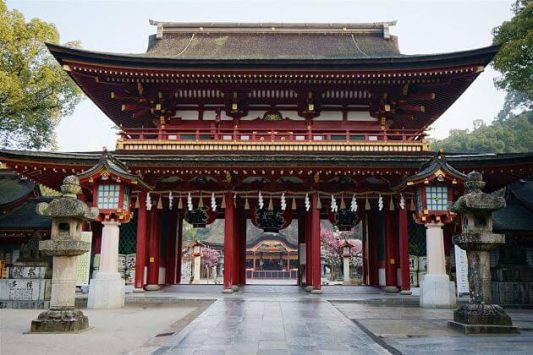
From the moment you disembark, you’re just minutes away from tasting Hakata ramen, strolling through Ohori Park, or discovering ancient shrines like Kushida and Dazaifu Tenmangu. For all type of cruise passengers, Hakata Port is the perfect launching point for unforgettable Fukuoka shore excursions.
Who Should Join Our Fukuoka Shore Excursions?
Our Fukuoka shore excursions are perfect for cruise travelers who want to make the most of their limited time in this vibrant port city. These day tours are ideal for:
-
Cruise guests docking at Fukuoka Port looking for timely, well-organized day trips with expert local guides.
-
Cultural explorers and history lovers interested in temples, castles, and the unique blend of tradition and modernity in Kyushu.
-
Food enthusiasts eager to taste authentic Hakata ramen, fresh seafood, and local street snacks.
-
Senior travelers and relaxed-paced cruisers who prefer gentle itineraries with minimal walking and comfortable transport.
-
Families and small groups seeking a personalized, enjoyable way to discover Fukuoka’s top sights without the crowds.
Best Things To See & Do in Fukuoka from Cruise Port
As a regional commercial, industrial, and cultural center, Fukuoka attracts worldwide visitors to discover its ancient collection of temples and shrines with historic pedigrees, energetic festivals as well as scenic landscapes. It is also considered a convenient stop for international visitors as its active fishing port provides access to other popular destinations in Japan such as Karatsu and Dazaifu.
Dock at Fukuoka port, join Fukuoka Shore Excursions to be taken to famous tourist attractions of this fantastic city.
1. Fukuoka Castle Ruins
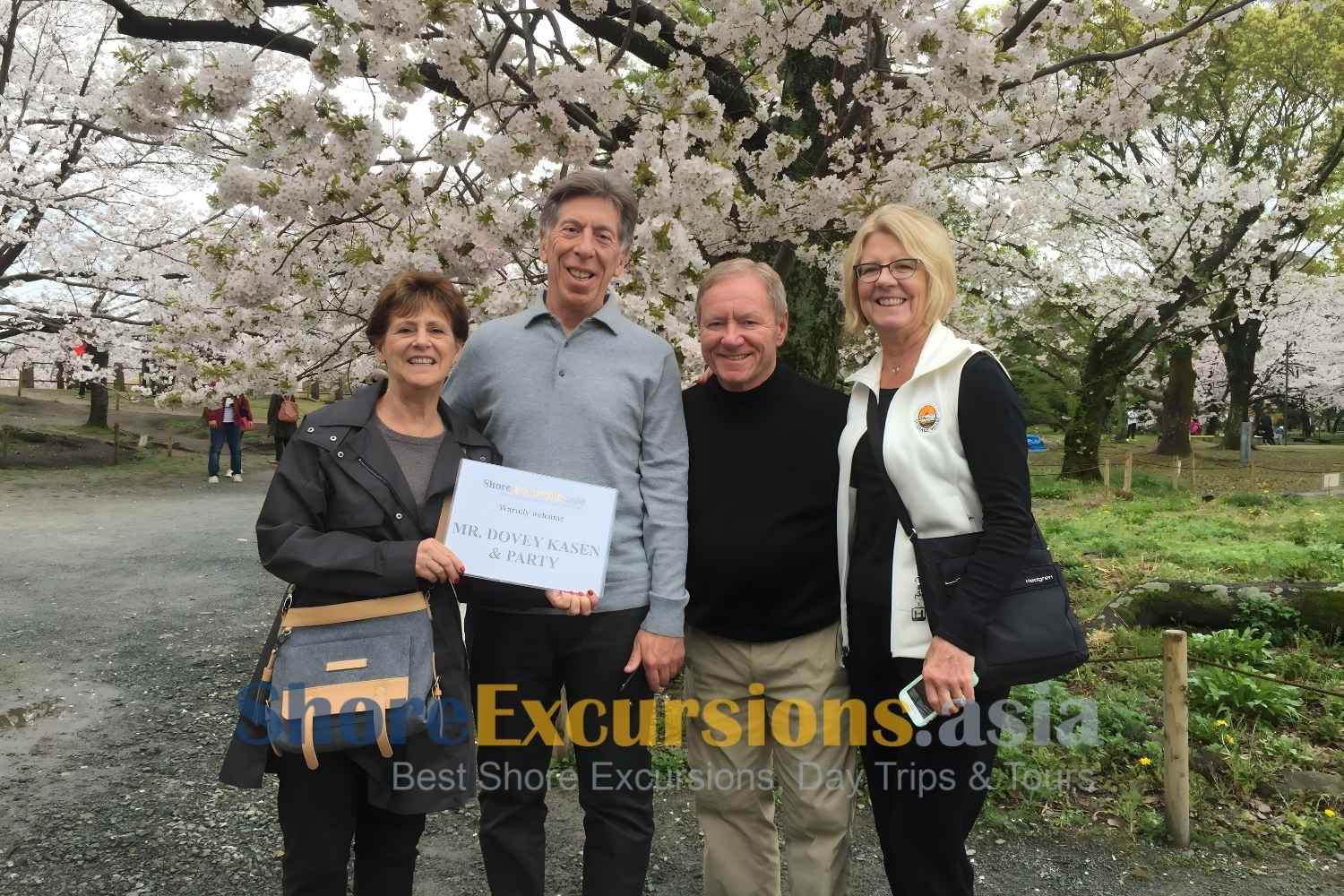
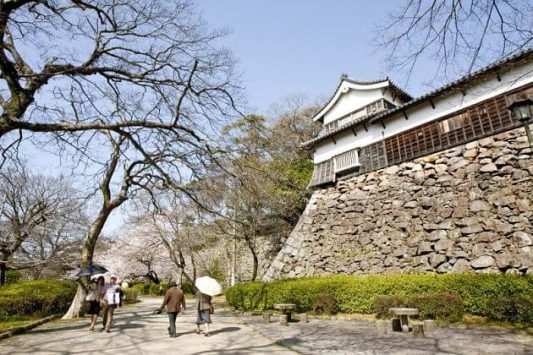
Lied in the middle of the city in Maizuru Park, after the Meiji Restoration, nowadays Fukuoka Castle remains only ruined walls, a few turrets and parts of the moat system along with some gates and guard towers. It was originally built in the early 17th century by the lord of the surrounding Chikuzen feudal domain - Kuroda Nagamasa.
Visitors on Fukuoka shore excursions can take a stroll along the walking trails and enjoy the great view offered by a few lookout points. The best time to visit the castle ruins is said to be between late March and early April when Maizuru Park is coated with the pink color of flourishing cherry blossom.
2. Kushida-jinja Shrine
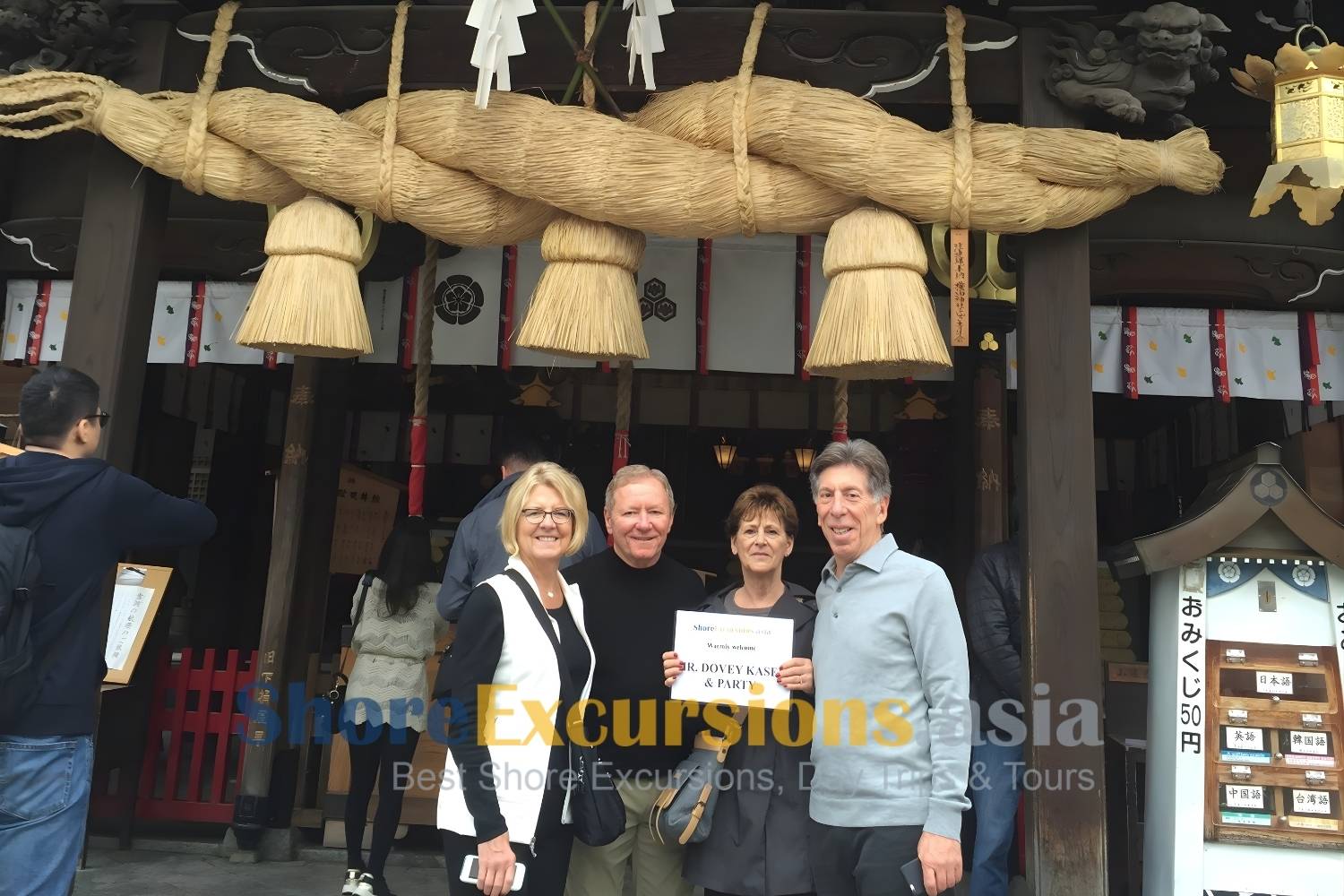
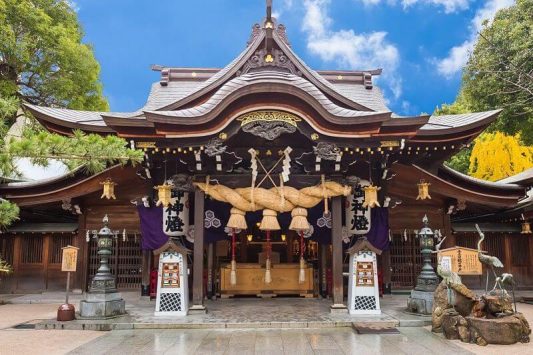
A must-visit location on Fukuoka Shore Excursions is the solemn Kushida-jinja Shrine. Located in the center of Fukuoka, this long-standing shrine dates back to 757 when Hakata was developing as a port city that allowed delegations from mainland China and Korea.
This is also where Fukuoka's two most famous summer festivals, Hakata Gion Yamakasa, and Hakata Okunchi took place. Each of the floats, which are up to 10 meters tall, are decorated with traditional figures and scenes. Among the huge floats, one is on permanent display in the shrine grounds.
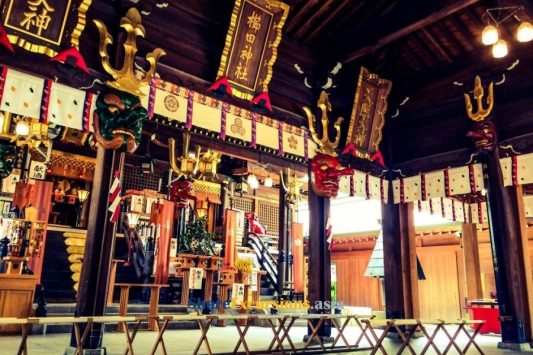
There are several sub-shrines with distinct style and accouterments, a towering gingko tree said to be over 1,000 years old, tons of statuary, several huge rounded stones said to be anchors from the Mongol invasion fleet. Especially, in the main shrine building, visitors on Fukuoka shore trips can see some unusual Tengu masks with long Tengu noses.
3. Relax at Ohori Park
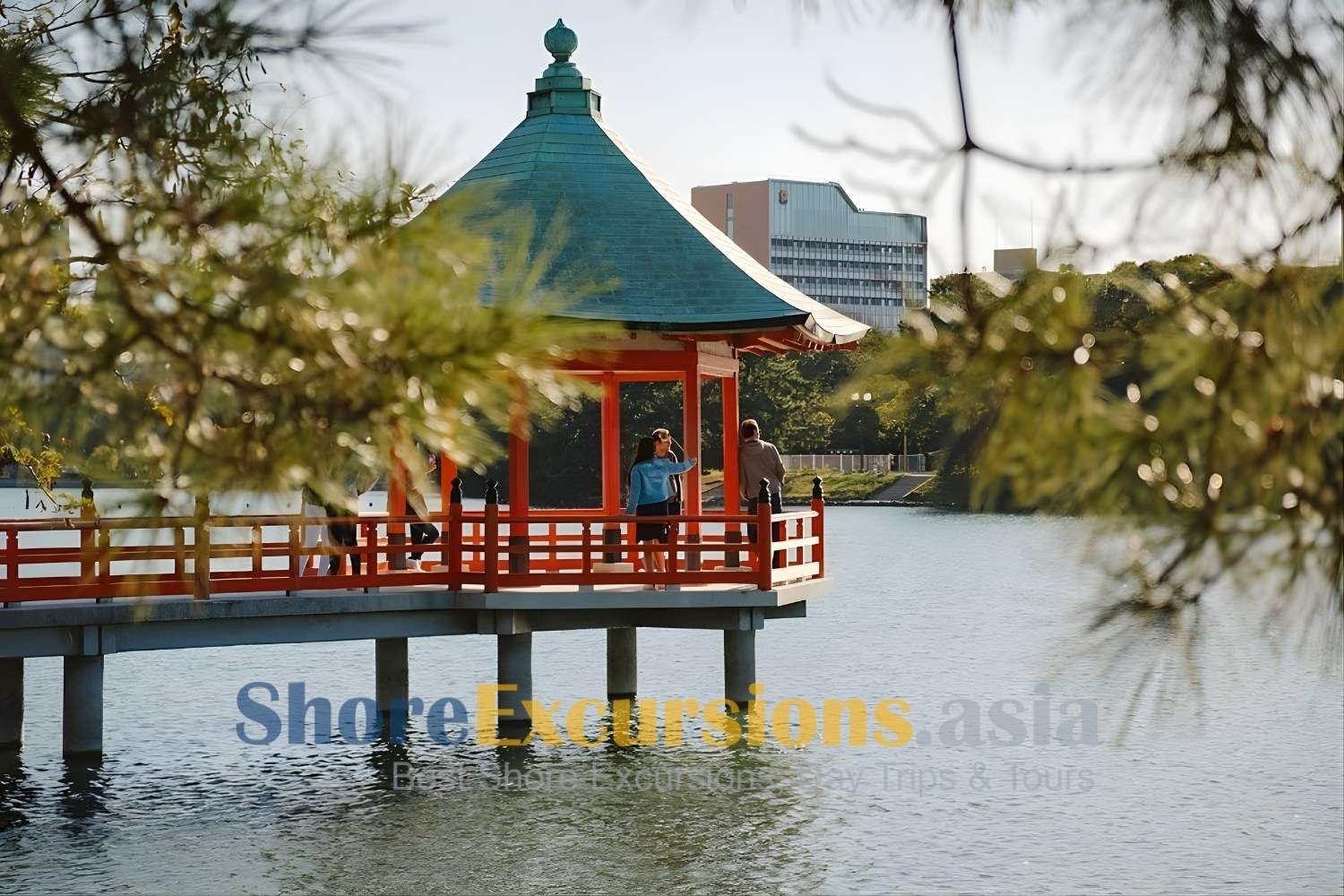
This is a lovely city park in central Fukuoka consisting of a large pond at its center. In the middle of the pond, three islands are connected to the mainland and each other by elegant stone bridges.
Near the pond, visitors from Fukuoka port can access Fukuoka Art Museum which involves a large collection of Buddhist statues dating back to the 11th century and paintings and sculptures by modern artists like Miro and Dali. From there, take a few walks to Ohori Park Japanese Garden to enjoy typical features of Japanese gardens such as dry landscapes and tea houses.
4. Dazaifu Tenmangu Shrine on Fukuoka Shore Excursions
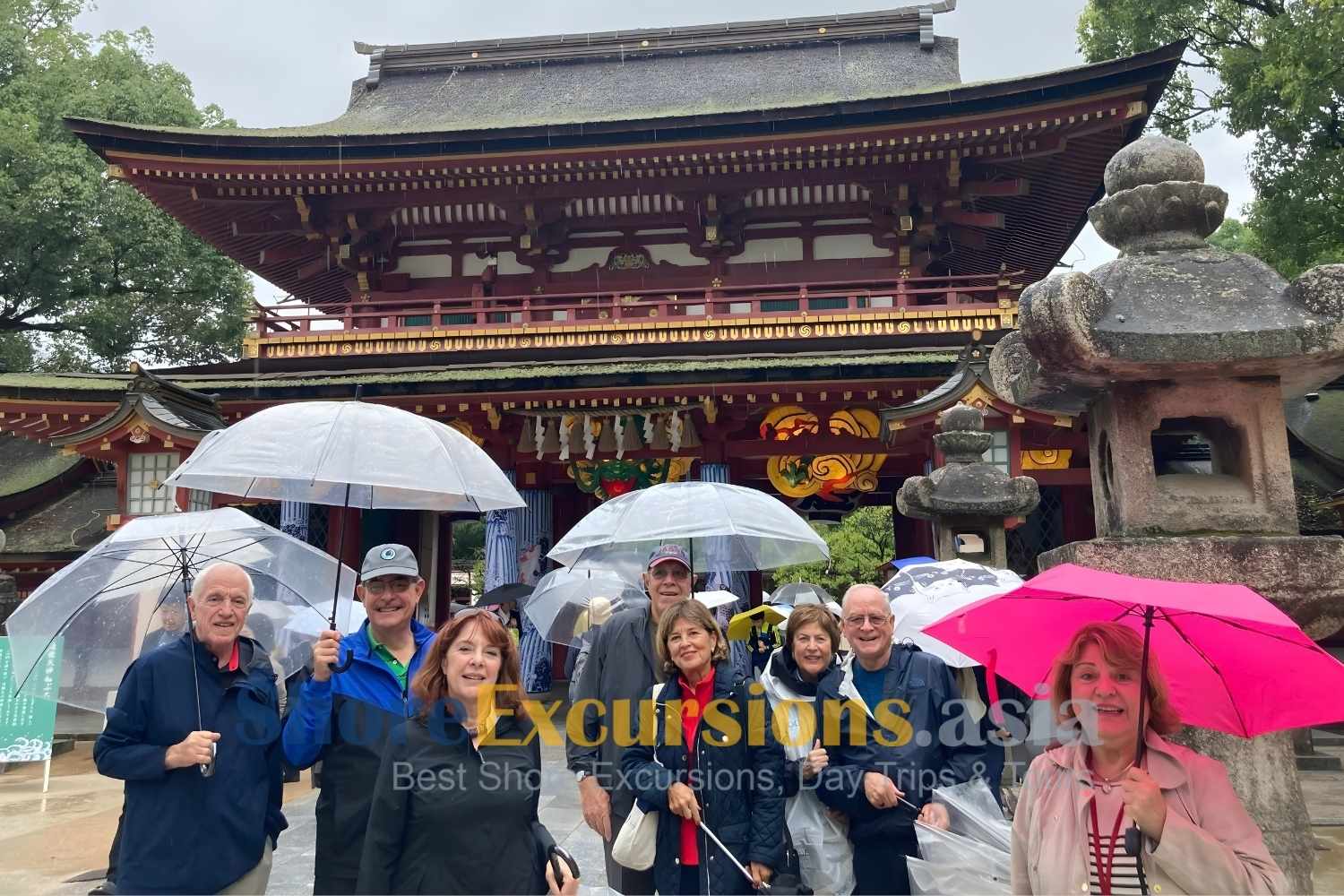
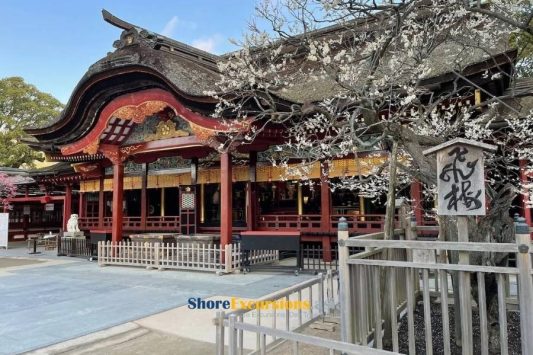
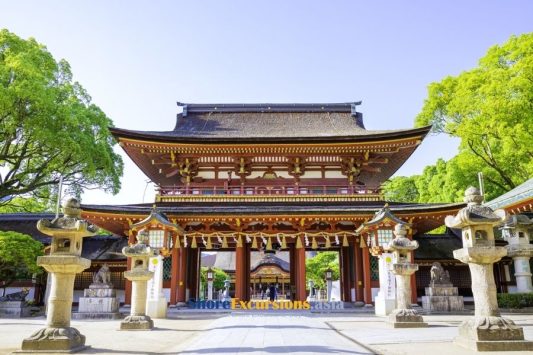
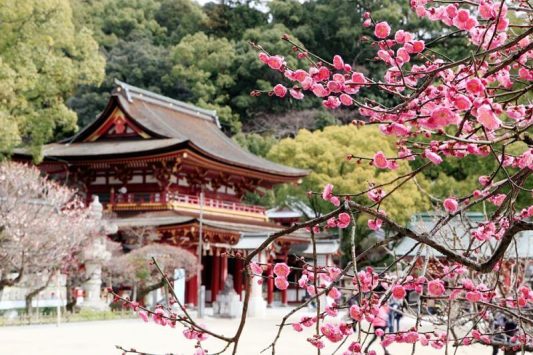
Tenmangu Shrine was established as a dedication to a Heian period scholar and politician. It is a large area stretching about 250 meters from one end to the other. Passing through the torii gate at the entrance, cruisers on Fukuoka tours from port will approach a pond that was built in the shape of the Japanese character for "heart".
Around the main hall, shops are offering a wide range of good luck charm for visitors. Standing between the pond and the main hall is the Dazaifu Tenmangu Museum which includes a large collection of the shrine's treasures’ displays and exhibitions. Behind the main hall, visitors will find Kanko Historical Museum – a small museum displaying the main events in the life of Michizane in small dioramas.
5. See Fukuoka from Above at Fukuoka Tower

This 234-meter tall tower located in the Momochihama area of Fukuoka, Japan. Fukuoka Tower was designed by Nikken Sekkei and finished in 1989, taking a total of 14 months to build at a cost of 6 billion yen. Covered by about 8000 half-mirrors and boasting a sharp appearance with its triangular structure, Fukuoka Tower provides a panoramic view of the whole city with the highest observation deck of 123 meters high.
Up-to-date telescopes can also be found in the room. Visitors can shop some local specialties on the first floor such as Hakata’s traditional confections or mentaiko (cod ovum) and enjoy a relaxing atmosphere at an eat-in cafe and a European style restaurant.
6. Explore Hakata Old Town on Fukuoka Shore Tours
Just a short ride from the Fukuoka cruise port, Hakata Old Town invites visitors to step back in time and experience the city’s rich cultural heritage. As one of Japan’s oldest merchant districts, this area beautifully preserves the essence of traditional Fukuoka, with wooden townhouses, narrow stone-paved lanes, and serene temples scattered around every corner. It’s the perfect first stop of any Fukuoka shore excursions for those who want a genuine taste of Japan’s past before diving into the city’s modern side.
- Kushida Shrine: The spiritual heart of Fukuoka and the centerpiece of the Hakata Gion Yamakasa Festival held every July. Don’t miss the vibrant floats and beautifully carved gates.
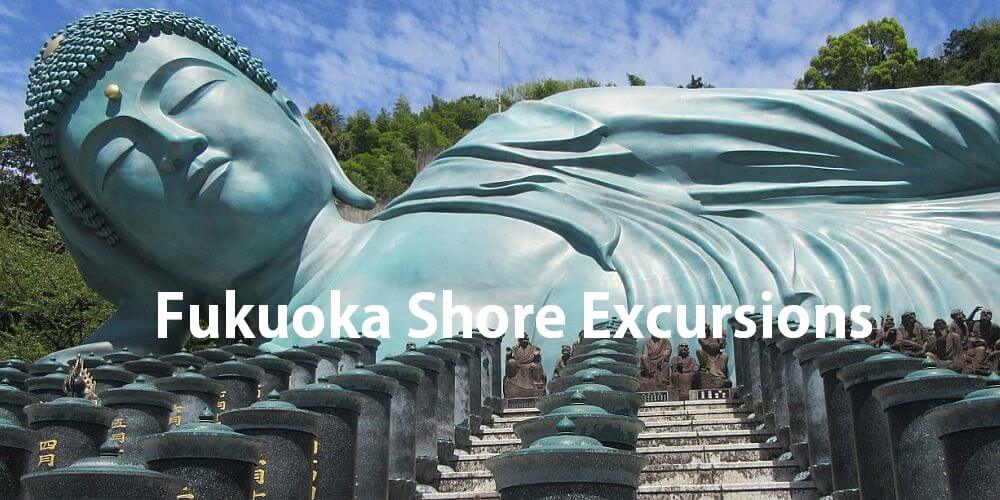
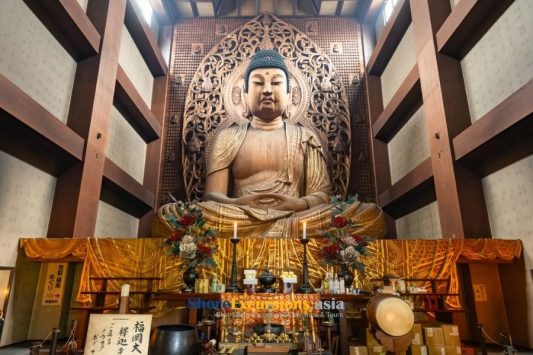
- Tochoji Temple: Famous for housing Japan’s largest seated wooden Buddha, this 1,200-year-old temple offers both tranquility and stunning craftsmanship.
- Hakata Machiya Folk Museum: A fascinating glimpse into Meiji-era daily life, showcasing traditional crafts, clothing, and interactive exhibits where you can try your hand at local arts.
7. Visit Canal City Hakata
Canal City Hakata is one of the most dynamic and visually striking attractions you can visit during your Fukuoka shore excursion. Nicknamed the “city within a city,” this vast complex blends shopping, dining, art, and entertainment into one spectacular urban experience.
Its open-air canals flow gracefully through colorful buildings, creating a lively yet relaxing atmosphere that feels more like a theme park than a shopping mall. With its creative architecture and daily water fountain shows synchronized with music and lights, it’s no wonder Canal City is often described as the beating heart of modern Fukuoka.
- Shopping Paradise: Explore over 200 boutiques and international brand stores spread across multiple levels.
- Ramen Stadium: On the 5th floor, foodies will find a true paradise with eight famous ramen restaurants from across Japan serve their regional specialties.
- Entertainment & Culture: Catch a movie at the cinema, enjoy live performances at the theater, or simply relax by the canal while watching the famous “Dancing Fountains” that come alive every 30 minutes.
8. Shofukuji Temple on Fukuoka Cruise Excursions
Shofukuji is the first Zen temple founded in 1195 by priest Eisai in Japan. Though visitors are not allowed to access the temple buildings’ interior, you can take a stroll along Shofukuji's attractive temple grounds and admire the buildings from outside. The temple grounds of Shofukuji involve many significant features of a typical Zen temple.
The wooden buildings have been destroyed and gone through many renovations back in time. Several gates can be seen on the temple grounds, the most prominent of which is the Sanmon Gate. In front of a small pond and bridge is the large gate that was most recently rebuilt in 1911. Walk along the tree-lined path behind the Sanmon Gate and visitors will be taken to the Butsuden Hall to admire the small wooden statue of the historical Buddha.
The building's ceiling is eye-catching with an aesthetic painting of a cloud dragon. There are other interesting buildings related to Shofukuji Temple, such as a belfry and a hall dedicated to Eisai. In the surrounding neighborhood are few smaller temples featuring significant Buddhist architecture.
9. Hakata Gion Yamakasa Festival
Your Fukuoka Shore Excursions will be more memorable with a unique experience in Hakata Gion Yamakasa. It is held annually during the first half of July with a trial race in the early morning hours of July 15. The participants include seven neighborhoods of Fukuoka's Hakata district competing in pushing attractively decorated festival floats along a five-kilometer long course through the city.
There are two different types of floats: the larger kazariyama floats and the smaller sized kakiyama floats. 14 of the former stand spread out across the city from July 1 to 14 while the latter is dragged through the streets.
10. Enjoy Local Food at Yatai (Food Stalls)
Known as the city's best-known symbol, Yatai is beloved by almost all cruise passengers of Fukuoka Shore Excursions. These open-air food stands offer various types of food that are enjoyed in the atmospheric outdoor environment. The most popular places to find yatai is usually on the southern end of Nakasu Island.
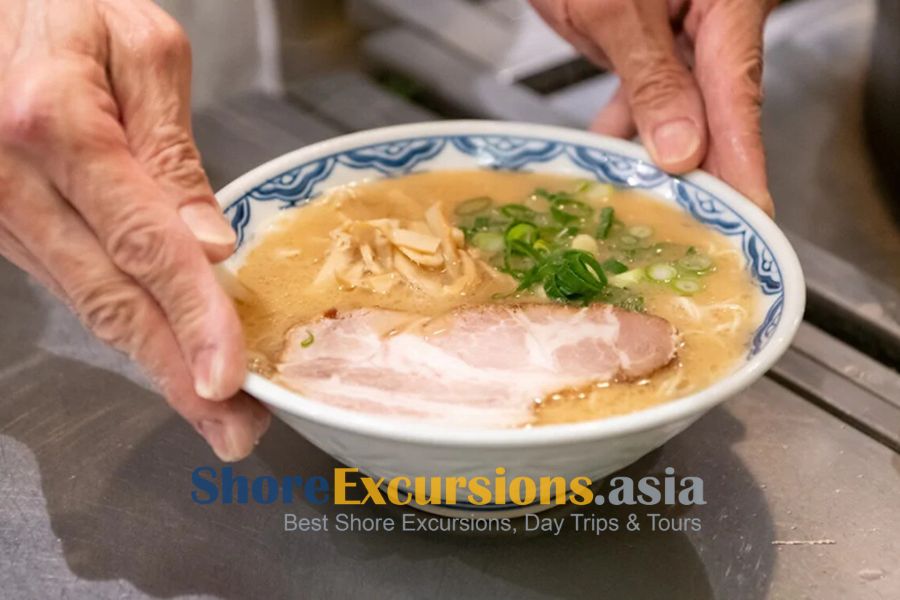
Lied in the list of typical dishes are grilled chicken skewers (yakitori), hot pot (oden) and most famously Hakata Ramen along with a variety of alcoholic drinks. Yatai is opened from around 6 pm to around 2 am. Many stands have one day off in the week. Waiting times are expected for popular stands, especially on Fridays and Saturdays.












 Contact Us via Messenger
 Send Inquiry