

Japan is home to thousands of historic religious sites, and many travelers are fascinated by the beauty and tranquility of sacred temples in Japan. These sacred places reflect centuries of spiritual tradition, cultural heritage, and architectural craftsmanship. Many temples have stood for hundreds of years, while some date back more than a millennium.
Each temple offers its own atmosphere and story. Some temples attract visitors with their dramatic mountain scenery, while others impress travelers with ancient architecture and historical significance. This guide from Japan Shore Excursions introduces some of the most beautiful temples in Japan that travelers can experience during a cultural journey.
Discover the Spiritual Heart of Japan
Japan’s spiritual culture has developed over centuries through the influence of Buddhism and local traditions. Temples remain important places where people pray, reflect, and participate in religious ceremonies. Many travelers who are visiting temples in Japan quickly notice the calm and respectful atmosphere that surrounds these sacred spaces.
The Role of Temples in Japanese Culture
Buddhist temples play an essential role in Japanese society. Monks maintain these temples and organize religious rituals throughout the year. Many local communities visit temples to pray for health, good fortune, and family well-being.
Temples also serve as guardians of cultural heritage. Numerous ancient sacred temples in Japan preserve traditional architecture, historical artifacts, and centuries-old Buddhist statues. These places allow visitors to learn about Japan’s spiritual history while enjoying beautiful landscapes and quiet surroundings.
Difference Between Temples and Shrines in Japan
Many travelers confuse temples with Shinto shrines, yet the two types of sacred places belong to different religious traditions.
Buddhist temples usually contain the following features:
- Statues of Buddha or Buddhist deities
- Multi-story pagodas
- Large incense burners in front of the main hall
- Temple gates called Sanmon
Shinto shrines normally include different elements:
- A torii gate that marks the entrance
- A purification basin for ritual cleansing
- Buildings dedicated to Shinto deities
Understanding this difference helps travelers better appreciate the cultural significance of temples in Japan.
Top Beautiful & Sacred Temples in Japan to Discover
Japan offers countless historic temples, yet several stand out because of their spiritual importance, architectural beauty, and cultural influence. The following destinations represent some of the most beautiful temples in Japan and continue to attract visitors who want to explore the country’s religious heritage.
1. Kiyomizu-dera Temple (Kyoto)
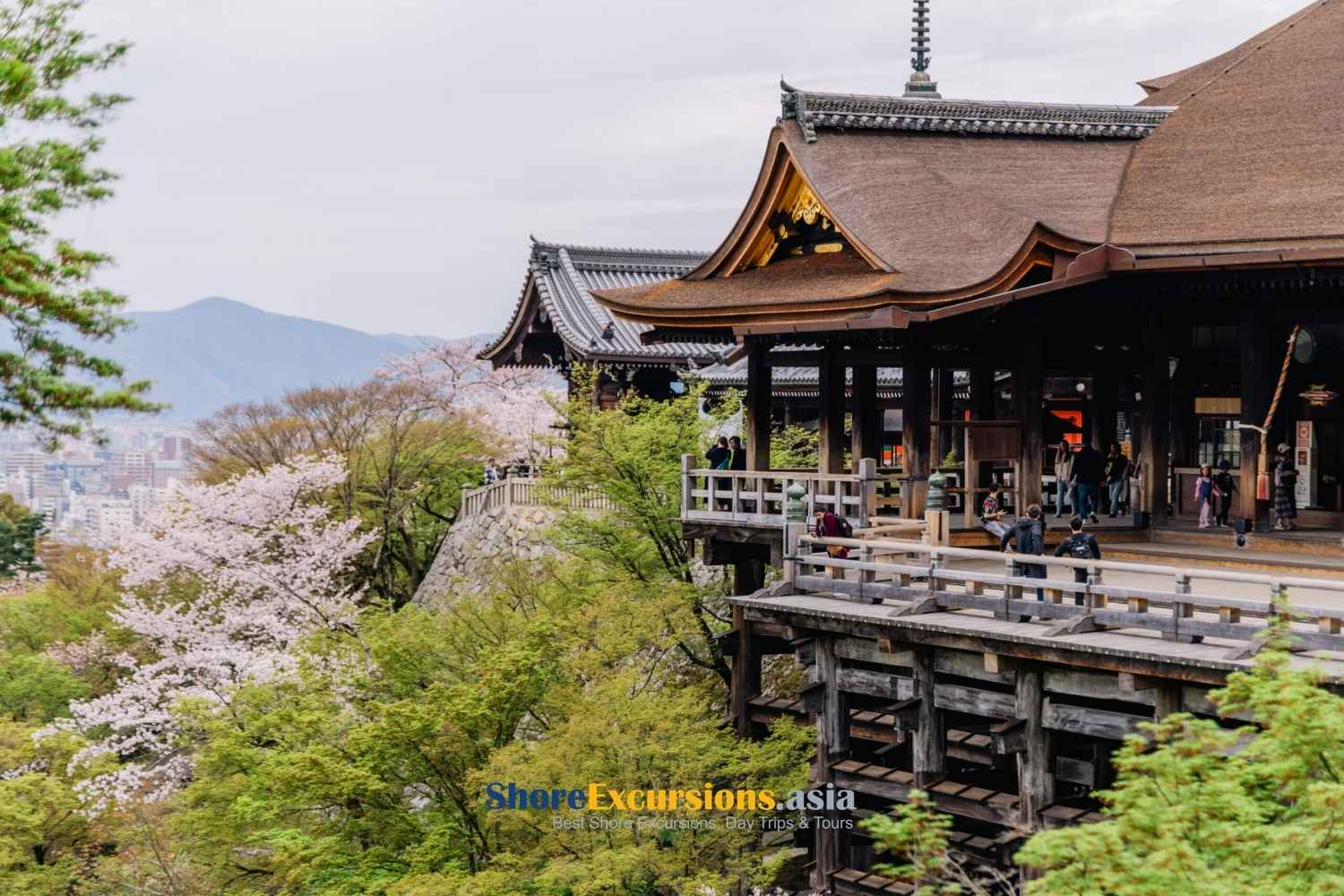
Kiyomizu-dera ranks among the most famous temples in Japan. This historic temple stands on the hills of eastern Kyoto and has attracted pilgrims for centuries. Kyoto shore excursions often include visits to this iconic temple, allowing cruise travelers to experience one of Kyoto's most important cultural and spiritual landmarks. Visitors can also enjoy sweeping views of Kyoto and the surrounding forests from the temple grounds.
Highlights include:
- The famous Kiyomizu wooden stage
- The sacred Otowa Waterfall, where visitors drink water for blessings
- Seasonal scenery during cherry blossom and autumn foliage
Many travelers believe that Kiyomizu-dera represents one of the most sacred temples in Japan because of its long spiritual history.
2. Senso-ji Temple (Tokyo)
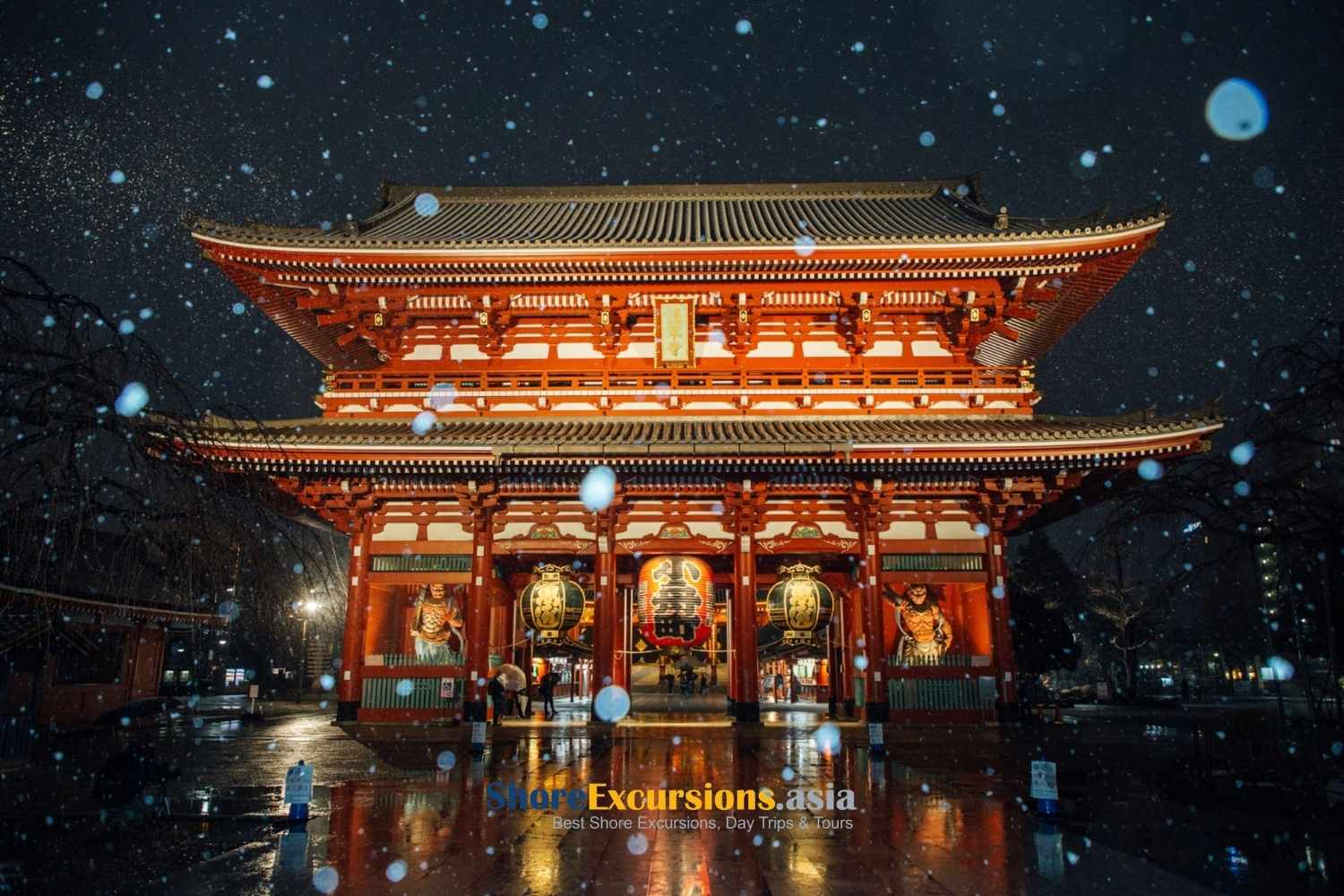
Senso-ji is the oldest Buddhist temple in Tokyo and one of the most visited religious sites in the country. The temple stands in the historic district of Asakusa. Visitors first pass through the impressive Kaminarimon Gate, which features a giant red lantern. A lively shopping street leads visitors toward the temple’s main hall.
Tokyo shore excursions often include Senso-ji as a key cultural attraction, giving cruise travelers the opportunity to explore one of the city's most historic temples and experience the traditional atmosphere of Asakusa.
Key attractions include:
- The iconic Kaminarimon Gate
- Nakamise Street with traditional snacks and souvenirs
- A five-story pagoda beside the main hall
Senso-ji remains one of the famous temples in Japan and plays an important role in Tokyo’s cultural identity.
3. Todai-ji Temple (Nara)
Todai-ji Temple is famous for housing the enormous Great Buddha statue, which stands inside a massive wooden hall. The temple complex was built during the eighth century and served as a central institution for Japanese Buddhism. Many historians consider Todai-ji an important example among the Japanese ancient temples.
Important highlights include:
- The Daibutsu, one of the largest bronze Buddha statues in the world
- The enormous Daibutsuden Hall, an extraordinary wooden structure
- Nearby Nara Park, where sacred deer roam freely
The temple’s scale and historical importance make it one of the most sacred temples in Japan.
4. Kinkaku-ji Temple – The Golden Pavilion (Kyoto)
Kinkaku-ji, also called the Golden Pavilion, is one of the most beautiful Japanese temples. The building shines with gold leaf that reflects on the surface of the surrounding pond. Visitors walk along peaceful garden paths that reveal different perspectives of the golden structure.
The temple complex offers several notable features:
- The dazzling golden pavilion
- The Mirror Pond that reflects the temple’s image
- Carefully designed Zen gardens
Kinkaku-ji represents the refined aesthetic traditions that appear in many temples in Japan.
5. Horyu-ji Temple (Nara)
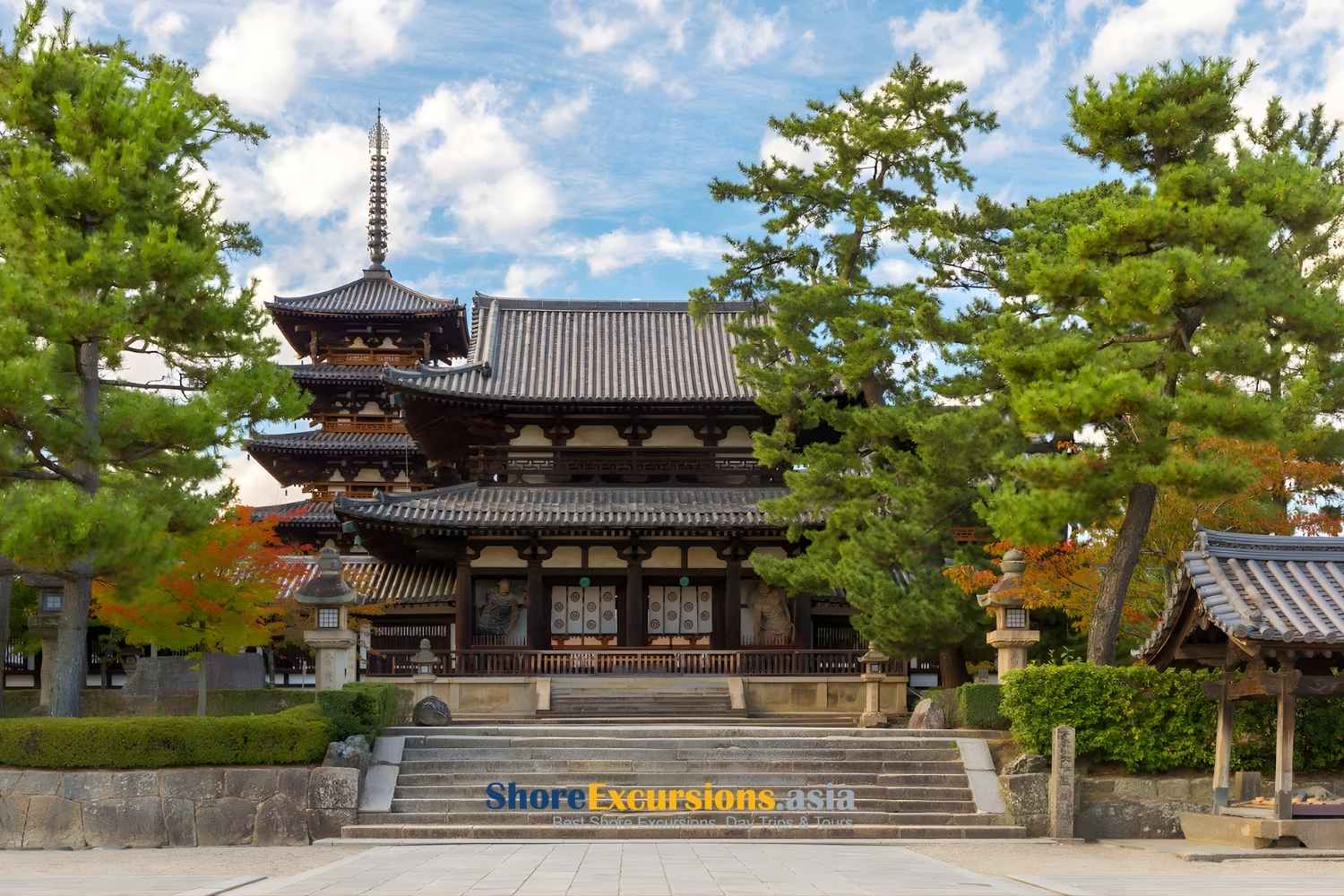
Horyu-ji holds an extraordinary place in Japanese history. The temple complex contains some of the oldest surviving wooden buildings on Earth. The temple was founded during the seventh century and remains an outstanding example of early Buddhist architecture.
Visitors can explore:
- Ancient wooden halls preserved for more than 1,300 years
- A historic five-story pagoda
- Valuable Buddhist sculptures and artifacts
Horyu-ji stands among the most remarkable ancient temples and is recognized as a UNESCO World Heritage Site in Japan.
6. Byodo-in Temple (Uji)
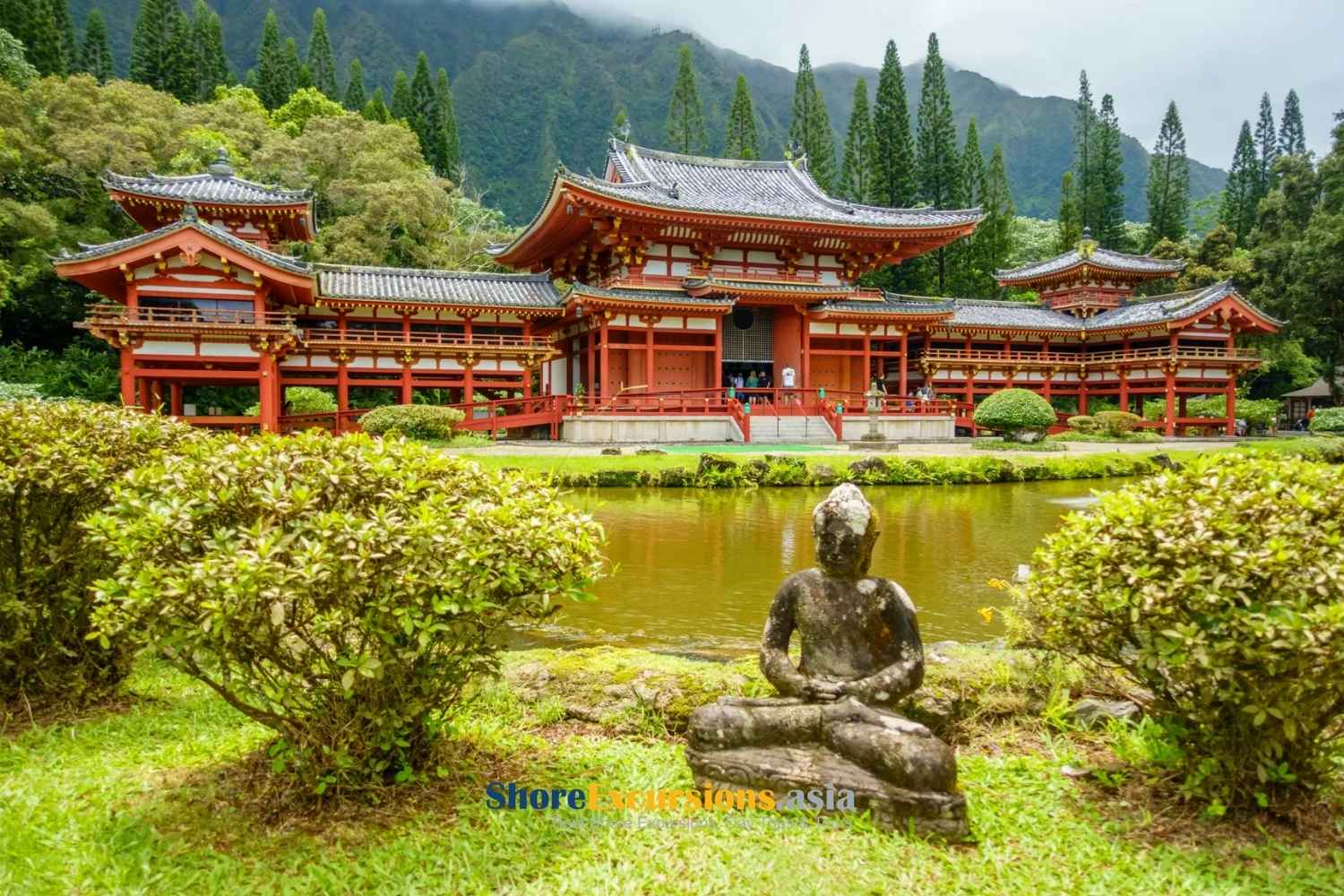
Byodo-in Temple is famous for its elegant Phoenix Hall, which appears on the Japanese ten-yen coin. The temple complex is surrounded by water and peaceful gardens. Its architecture reflects the Pure Land Buddhist concept of paradise.
Visitors appreciate the temple for several reasons:
- The graceful design of the Phoenix Hall
- Beautiful reflections on the surrounding pond
- A museum that preserves Buddhist art
7. Ryoan-ji Temple (Kyoto)
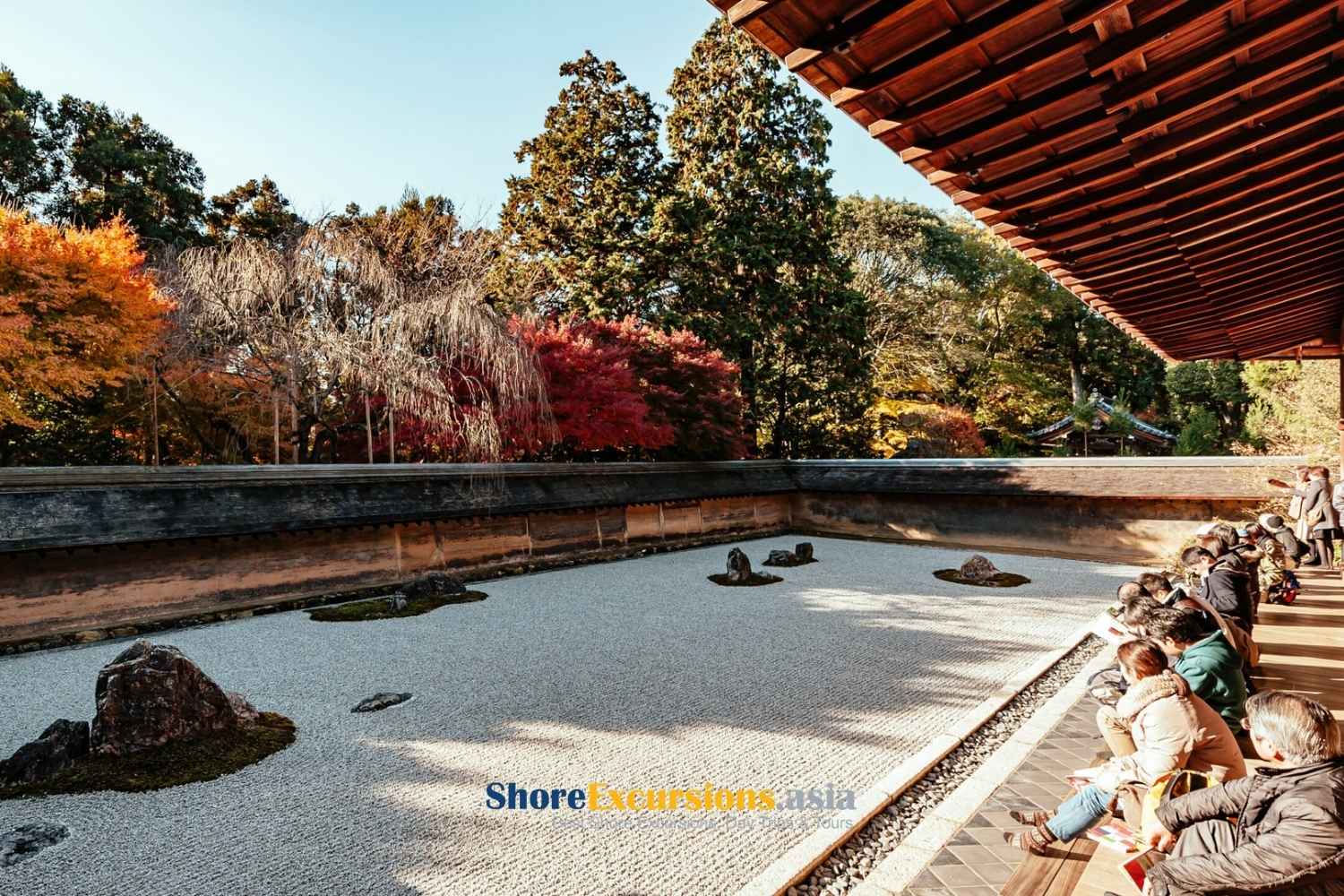
Ryoan-ji is internationally known for its famous Zen rock garden. This minimalist garden contains carefully arranged stones set in white gravel. Visitors often sit quietly beside the garden while observing its simple yet mysterious design.
Important features include:
- The iconic Zen rock garden
- A peaceful pond surrounded by walking paths
- Traditional temple buildings
8. Koyasan Okunoin Temple Complex (Wakayama)
Mount Koya serves as the center of Shingon Buddhism. Wakayama shore excursions offer cruise travelers an opportunity to explore this sacred mountain and experience its historic temples, spiritual traditions, and peaceful natural surroundings. The area contains more than one hundred temples and a vast sacred cemetery. The Okunoin cemetery pathway leads visitors through towering cedar trees and thousands of historic stone monuments.
Key experiences include:
- Walking through the mystical Okunoin cemetery
- Attending morning prayer ceremonies
- Staying overnight in temple lodging
9. Engaku-ji Temple (Kamakura)
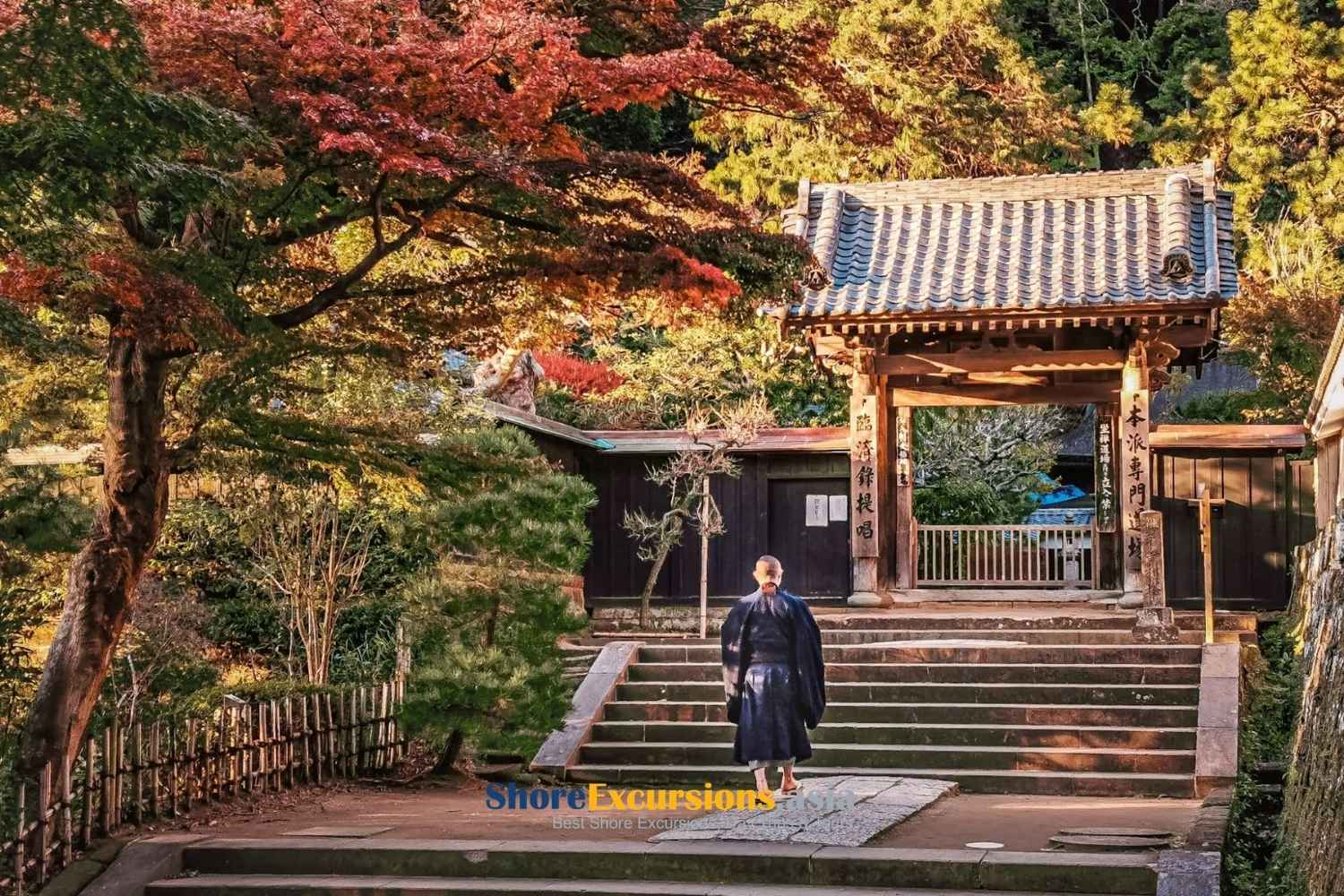
Engaku-ji is one of the leading Zen temples in eastern Japan. The temple stands among forested hills in Kamakura, which creates a tranquil environment. Visitors appreciate the temple because of its spiritual atmosphere and scenic location.
Key features include:
- Historic Zen meditation halls
- A large temple bell with cultural importance
- Seasonal landscapes with vibrant autumn colors
Why Visiting Temples Is a Unique Shore Excursions Experience?
Many visitors on Japan shore excursions seek more than sightseeing when they explore religious sites. Visiting temples in Japan provides meaningful cultural experiences that cannot be found in ordinary tourist attractions.
Travelers can enjoy activities such as:
- Drawing a fortune slip called omikuji
- Lighting incense for purification
- Observing monks performing prayer rituals
- Walking through quiet temple gardens
- Staying overnight at temple lodging known as shukubo\
These experiences allow visitors to understand why many temples remain deeply respected as sacred temples in Japan.
Best Time to Visit Temples in Japan
Many travelers plan their itinerary around seasonal beauty when exploring temples in Japan. Each season offers a unique atmosphere that highlights the architecture and landscapes surrounding these sacred sites.
- Spring (March - April) is one of the most popular seasons because cherry blossoms create stunning scenery around many sacred temples in Japan.
- Summer (June - August) brings lush greenery and vibrant temple gardens.
- Autumn (October - November) is famous for colorful maple leaves that surround many ancient temples of Japan.
- Winter (December - February) offers quiet temple visits and beautiful snowy landscapes at several most beautiful temples in Japan.
Early morning visits often provide the most peaceful experience because crowds are smaller and temple grounds feel more serene.
Special Notes When Visiting Japanese Temples
Many temples in Japan remain active religious sites where monks conduct ceremonies and local residents come to pray. Foreign travelers should follow basic etiquette in order to respect local traditions and maintain the peaceful atmosphere of these sacred places. Understanding several simple customs will help visitors enjoy a more meaningful experience.
- Wear modest clothing when entering temple grounds because respectful attire is appreciated at many Japanese temples
- Avoid extremely short clothing or overly casual outfits when visiting important religious sites.
- Remove hats when entering temple halls or sacred buildings.
- Speak quietly while walking around the temple grounds to maintain the calm atmosphere.
- Avoid touching statues, altars, or ritual objects unless signs clearly allow interaction.
- Follow photography rules carefully because some ancient temples of Japan do not allow photos inside main halls.
- Wash your hands at the purification basin before approaching the main hall because this ritual symbolizes spiritual cleansing.
- Draw a fortune slip called omikuji if you would like to experience a common temple custom.
- Walk slowly through temple gardens. These landscapes are designed for reflection and meditation.
- Visit early in the morning if you prefer a quieter atmosphere.
Japan offers an extraordinary opportunity to explore spiritual heritage through its remarkable temples in Japan. These sacred places represent centuries of Buddhist tradition, artistic craftsmanship, and cultural identity. Travelers who visit these historic sites often discover peaceful gardens, impressive wooden architecture, and meaningful rituals that continue to shape daily life in Japan.

 Send Inquiry