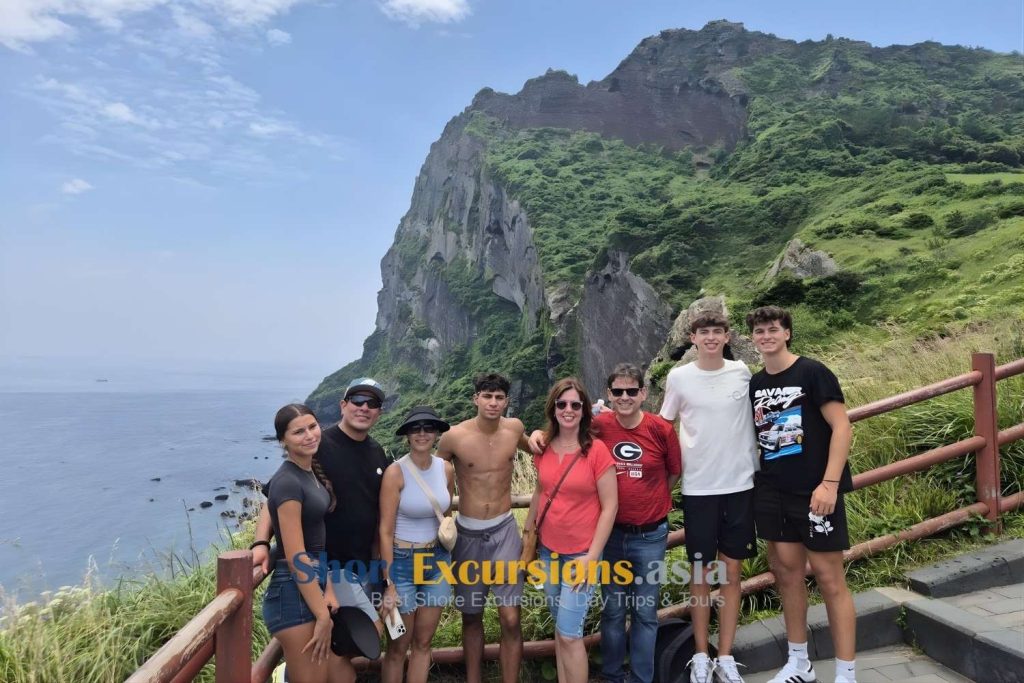
South Korea offers very different experiences throughout the year, as each season brings its own atmosphere and highlights. Spring is known for blooming flowers, while winter creates a calm, snowy landscape around cities and temples. Choosing an unsuitable travel period can influence comfort, expenses, and even how crowded popular attractions feel. For that reason, understanding the best time to visit South Korea plays an important role in trip planning.
This guide from Japan Shore Excursions explains South Korea’s seasons in detail and helps travelers choose the most suitable time based on climate, scenery, budget, and travel purpose. It is designed to support informed decisions and realistic expectations before booking flights or accommodation.
When Is the Best Time to Visit South Korea?
The best time to visit South Korea is during spring (April to May) and autumn (September to October). During these months, the weather is mild and comfortable, making it ideal for sightseeing and outdoor activities. Spring brings cherry blossoms and fresh greenery, while autumn is known for colorful foliage and clear skies.
These seasons also offer the most balanced travel experience, combining pleasant temperatures, beautiful landscapes, and a wide range of cultural events. If you are short on time and want a straightforward answer, spring and autumn are the safest and most rewarding choices for most travelers.
Understanding South Korea’s Climate and Seasons
South Korea has four distinct seasons, each with unique characteristics. The country’s climate is influenced by East Asian monsoons, which explains the hot, humid summers and cold winters.
A quick overview of South Korea’s seasons:
- Spring (March to May): Mild temperatures, blooming flowers, increasing tourist numbers
- Summer (June to August): Hot, humid weather with monsoon rains
- Autumn (September to November): Cool, dry air and vibrant autumn foliage
- Winter (December to February): Cold temperatures, snowfall, and winter sports
Knowing these seasonal differences helps travelers align their plans with their expectations.
Best Time to Travel to South Korea by Season
South Korea has four clearly defined seasons, and each one creates a very different travel experience. Weather conditions, scenery, crowd levels, and available activities all change noticeably throughout the year. Understanding what each season offers helps travelers choose the best time to visit South Korea that matches their expectations and travel style.
Spring in South Korea (March to May)
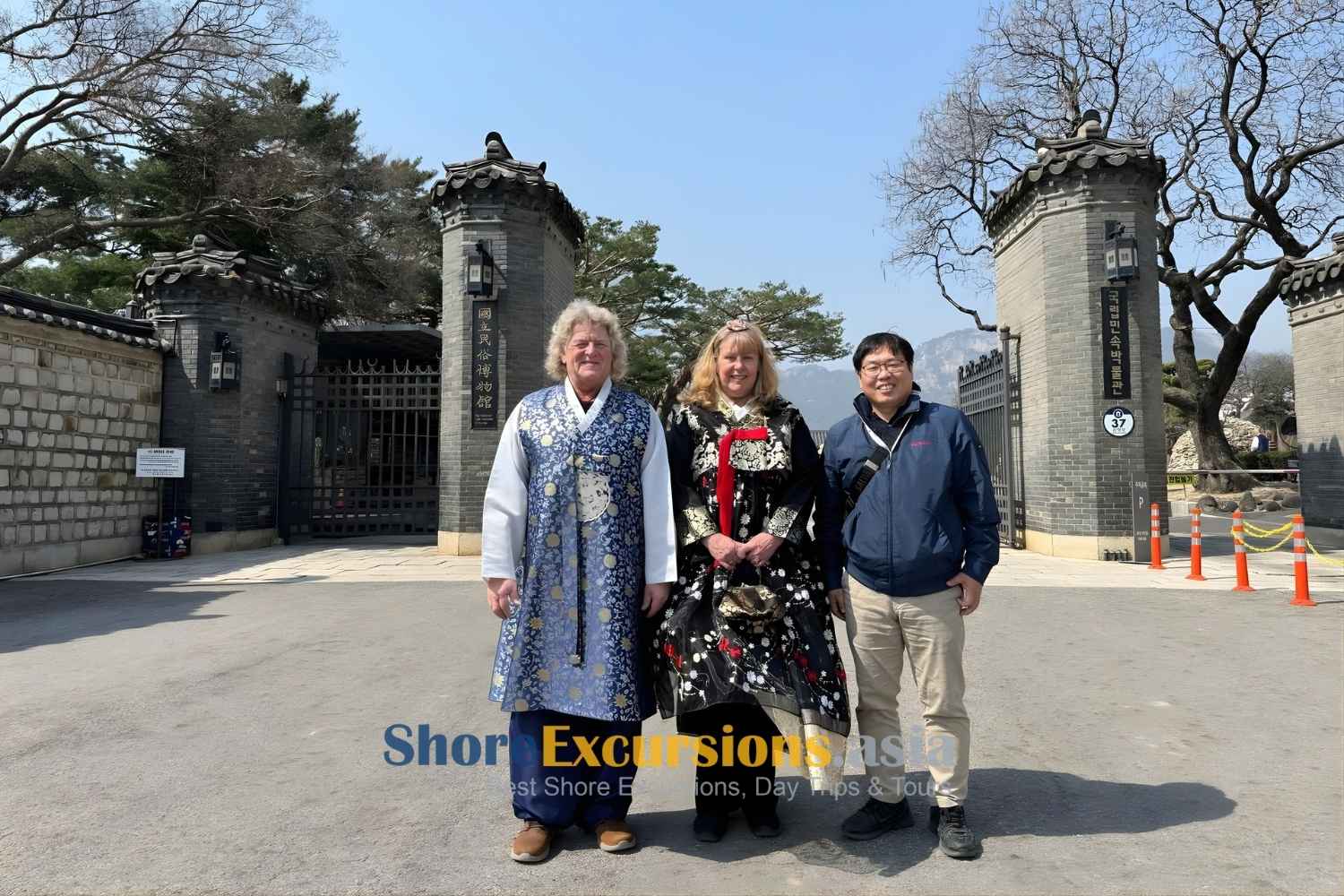
Spring is one of the most popular periods for travel in South Korea. After winter ends, the country gradually fills with flowers, outdoor events, and lively street scenes. Temperatures stay mild overall, although early spring can still feel cool, especially during March.
Daytime conditions are comfortable for walking and sightseeing, and rainfall remains relatively low. This makes spring the best time to visit South Korea for travelers who plan to spend long hours outdoors.
Why spring appeals to many travelers:
- Cherry blossom season, usually reaching its peak in April
- Flower festivals held in cities such as Seoul shore excursions, Jinhae, and Gyeongju
- Pleasant conditions for visiting palaces, temples, and urban parks
- Suitable weather for hiking and short day trips
Spring is especially attractive for first-time visitors who want to see South Korea at its most colorful. Popular blossom-viewing spots can become crowded, and travel costs often rise during peak bloom weeks.
Visit South Korea in Summer (June to August)

Summer in South Korea is known for high temperatures and noticeable humidity. Hot days are common, and the monsoon season brings periods of heavy rain, particularly during late June and July. Rainfall often comes in short but intense bursts rather than lasting all day. August usually sees less rain, though the heat remains strong. Urban sightseeing can feel exhausting without careful planning.
What summer travel is best suited for:
- Coastal destinations such as Busan, Sokcho, and Jeju Island shore excursions
- Seasonal festivals focused on water activities and live music
- Night markets and late-evening city experiences
- More affordable accommodation outside peak holiday periods
Summer suits travelers who enjoy beach time and nightlife. Long walks and daytime sightseeing in major cities can feel challenging, so indoor attractions and flexible schedules become important during this season.
Autumn in South Korea (September to November)
Autumn is widely regarded as one of the most beautiful seasons in South Korea. The intense summer heat fades, replaced by crisp air and stable weather conditions. Days feel cool and comfortable, making it easier to explore both cities and natural areas. The most striking feature of autumn is the changing foliage. Mountains, parks, and historic sites transform with shades of red, orange, and yellow.
Why autumn is considered an ideal travel season:
- Autumn leaves across national parks and urban landscapes
- Clear skies and lower humidity
- Excellent conditions for hiking and outdoor photography
- Cultural festivals connected to harvest traditions
Destinations such as Seoraksan National Park, Nami Island, and palace grounds in Seoul are especially popular during this period. Like spring, autumn attracts large numbers of visitors, so early reservations help secure better accommodation options.
Winter in South Korea (December - February)
Winter in South Korea brings cold temperatures and dry air. Snowfall is common in northern regions, including Seoul, while southern areas tend to remain slightly milder. Short daylight hours and cold mornings shape daily travel plans during this season in South Korea. Although winter is not the best time to visit Korea for every traveler, it offers experiences unavailable during other times of the year.
Reasons winter travel can be rewarding:
- Ski resorts and winter sports in Gangwon Province
- Snow and ice festivals held in various regions
- Reduced crowds at major tourist attractions
- Lower flight and hotel prices outside holiday periods
Travelers should prepare warm clothing and remain flexible with outdoor activities. For those who enjoy winter scenery, seasonal food, and a quieter atmosphere, winter can feel surprisingly memorable.
Best Time to Travel to South Korea by Travel Purpose
The best time to visit South Korea depends heavily on what you want to do during your trip. Different seasons suit different travel goals.
For Sightseeing and Photography

Spring and autumn are considered the best seasons to visit Korea for sightseeing and photography. During these periods, weather conditions tend to remain stable, with comfortable temperatures and good visibility throughout the day. Walking long distances in cities or historical areas feels much easier, allowing travelers to explore at a relaxed pace without being affected by extreme heat or cold.
Another major advantage of these seasons lies in the natural scenery. Landscapes across the country reach their most visually appealing stage, creating ideal backdrops for photography and outdoor exploration. Popular attractions, cultural sites, and natural areas all benefit from seasonal colors and balanced lighting.
Key reasons these seasons work especially well for sightseeing and photography include:
- Cherry blossoms, fresh greenery, and flower-lined streets during spring
- Colorful foliage surrounding mountains, palaces, and traditional villages in autumn
- Clear skies that improve photo quality and overall visibility
- Comfortable conditions for walking tours and extended outdoor visits
Best Time to Visit Japan for Cultural Festivals
South Korea hosts a wide range of festivals throughout the year, and each season highlights different aspects of local culture. Planning your visit around festivals can add depth and authenticity to your travel experience.
- Spring features flower-related festivals and traditional celebrations, often centered around cherry blossoms and seasonal renewal. These events usually take place in parks, along rivers, and near historic districts.
- Summer focuses on music, water activities, and coastal celebrations. Many festivals are held outdoors and continue into the evening, creating a lively atmosphere despite the heat.
- Autumn is closely linked to harvest traditions and cultural performances. Food festivals, folk events, and local celebrations become more common during this time.
- Winter showcases snow and ice festivals, especially in colder regions. These events highlight seasonal landscapes and traditional winter activities.
For Beach Travel
The best time for beach travel in South Korea is summer, particularly between late June and early September. During this period, sea temperatures are warm enough for swimming, and coastal destinations operate at their most vibrant level. Beaches across the country become lively hubs, attracting both local residents and international visitors.
Summer transforms South Korea’s coastal cities into energetic vacation spots. Well-known destinations such as Busan, Jeju Island, and areas along the east coast offer a wide range of beach-related activities, along with fully open facilities and services. The overall atmosphere feels festive and social, especially in popular seaside districts.
Beach travel during this season is especially appealing because of:
- Warm seawater suitable for swimming and water sports
- Fully operational beaches with lifeguards, rentals, and amenities
- Seasonal events, food stalls, and beachfront festivals
- Active nightlife near major beach areas
High temperatures can make midday activities uncomfortable, especially during peak summer weeks. Planning beach visits for early mornings or late afternoons helps travelers enjoy the coast while avoiding the strongest heat.
For Winter Sports and Snow Activities
The best time for winter sports and snow activities in South Korea is between December and February. During this period, cold temperatures and consistent snowfall create ideal conditions for skiing, snowboarding, and other snow-based experiences. Mountain regions are well prepared for winter tourism, with reliable infrastructure and organized transport options.
Ski resorts in areas such as Gangwon Province become major winter destinations. Many resorts are located within convenient distance of Seoul, making them accessible even for short trips. In addition to sports, winter also brings seasonal festivals that highlight snowy landscapes and traditional cold-weather activities.
Best Time to Visit Korea for Budget Travelers

The best time to visit South Korea on a budget is during winter outside major holidays and in early summer before peak domestic travel begins. During these periods, overall travel demand is noticeably lower, which often leads to reduced prices for flights, hotels, and tour services. Travelers who have flexible schedules can take advantage of this quieter atmosphere without sacrificing access to major attractions.
Budget-friendly travel periods are appealing for several reasons:
- Lower airfare and hotel rates compared to peak spring and autumn seasons
- Better availability of accommodation in major tourist cities
- Shorter queues and reduced crowd pressure at popular attractions
- More flexibility when booking transportation and experiences
Important Tips for Choosing the Best Time to Travel to South Korea
Choosing the best time to visit South Korea involves more than simply looking at average temperatures or rainfall charts. Travel quality is also shaped by public holidays, crowd patterns, seasonal price changes, and even regional differences within the country. Careful planning helps travelers avoid unnecessary stress and make the most of their time.
Key tips to keep in mind:
- Check national holidays and long weekends, as travel demand increases sharply during these periods, especially around Lunar New Year and Chuseok.
- Pay attention to school vacation schedules, since popular attractions and transport routes become noticeably busier during these times.
- Book flights and accommodation early for spring and autumn, as these seasons sell out faster due to high international and domestic demand.
- Prepare clothing for sudden weather changes, particularly during spring and autumn when temperatures can vary between mornings and afternoons.
- Consider regional weather differences, as southern areas and coastal cities often experience milder conditions compared to northern regions.
- Avoid peak blossom or foliage weeks if you dislike crowds, even though these periods offer beautiful scenery.
- Plan flexible itineraries during summer, since heavy rain can affect outdoor activities without much warning.
- Check festival calendars in advance, as major events can raise prices and limit accommodation availability in specific cities.
- Allow extra travel time during peak seasons, especially for intercity trains and buses.
Understanding these practical factors helps travelers set realistic expectations and choose travel dates that align with their comfort level, interests, and budget. A well-timed visit can significantly improve the overall experience, regardless of season.
That said, South Korea remains a year-round destination with something unique to offer in every season. Each time of year brings its own atmosphere, and the best choice depends on your budget, personal interests, and preferred travel pace. With thoughtful planning, including well-timed Korea shore excursions, travelers can enjoy a memorable and rewarding experience regardless of when they visit.