
South Korea has become one of Asia’s most exciting travel destinations in recent years. The country offers a rare balance of ancient traditions and cutting-edge modern life, making every journey feel diverse and memorable. This South Korea travel guide is designed as a practical and trustworthy resource for anyone planning a trip. Whether you are visiting for the first time or returning to explore deeper, this guide from Japan Shore Excursions brings together essential information, expert insights, and real travel considerations in one place.
Why Should South Korea?
South Korea stands out because it offers variety without requiring long travel distances. In a single trip, visitors can experience skyscrapers, mountain trails, historical palaces, and beach towns. The infrastructure is modern, efficient, and traveler-friendly, even for those who do not speak Korean.

Another strong reason to visit is the country’s cultural influence. Korean pop culture, cuisine, and beauty trends have reached global audiences, yet the traditional roots remain deeply respected. This mix makes South Korea appealing to a wide range of travelers, from history lovers to younger visitors following K-pop and K-dramas.
Key reasons travelers choose South Korea as your next destination include:
- Safe cities and reliable public transportation
- Rich food culture with options for all budgets
- Strong seasonal appeal throughout the year
- Easy travel planning compared to many destinations in Asia
Best Time to Go to South Korea
In any reliable South Korea travel guide, choosing the right time to visit is one of the most important planning steps. The best season depends largely on your travel style, preferred activities, and tolerance for heat or cold. South Korea experiences four distinct seasons, and each one offers different scenery, festivals, and travel conditions.
- Spring (March to May) is one of the most popular times to visit. Temperatures are mild, and cherry blossoms bloom across the country. This season is ideal for walking tours, festivals, and photography.
- Summer (June to August) brings heat and humidity, along with occasional rain. Despite the weather, it is a lively period filled with beach trips, music festivals, and night markets. Coastal cities like Busan are especially attractive during summer.
- Autumn (September to November) is widely considered the best season. The weather is cool and dry, and autumn foliage transforms national parks and temples. Many travelers consider this period the highlight of the year.
- Winter (December to February) is cold but rewarding. Snow covers mountain regions, creating excellent conditions for skiing and winter festivals. Cities also feel festive during the holiday season.
Top Destinations to Visit Based on South Korea Travel Guide
South Korea offers a wide range of destinations, each with a distinct atmosphere. While many travelers start in Seoul, exploring beyond the capital adds depth to any itinerary. The South Korea travel guide below may help you to navigate your tours more effectively.
Seoul - The Capital City
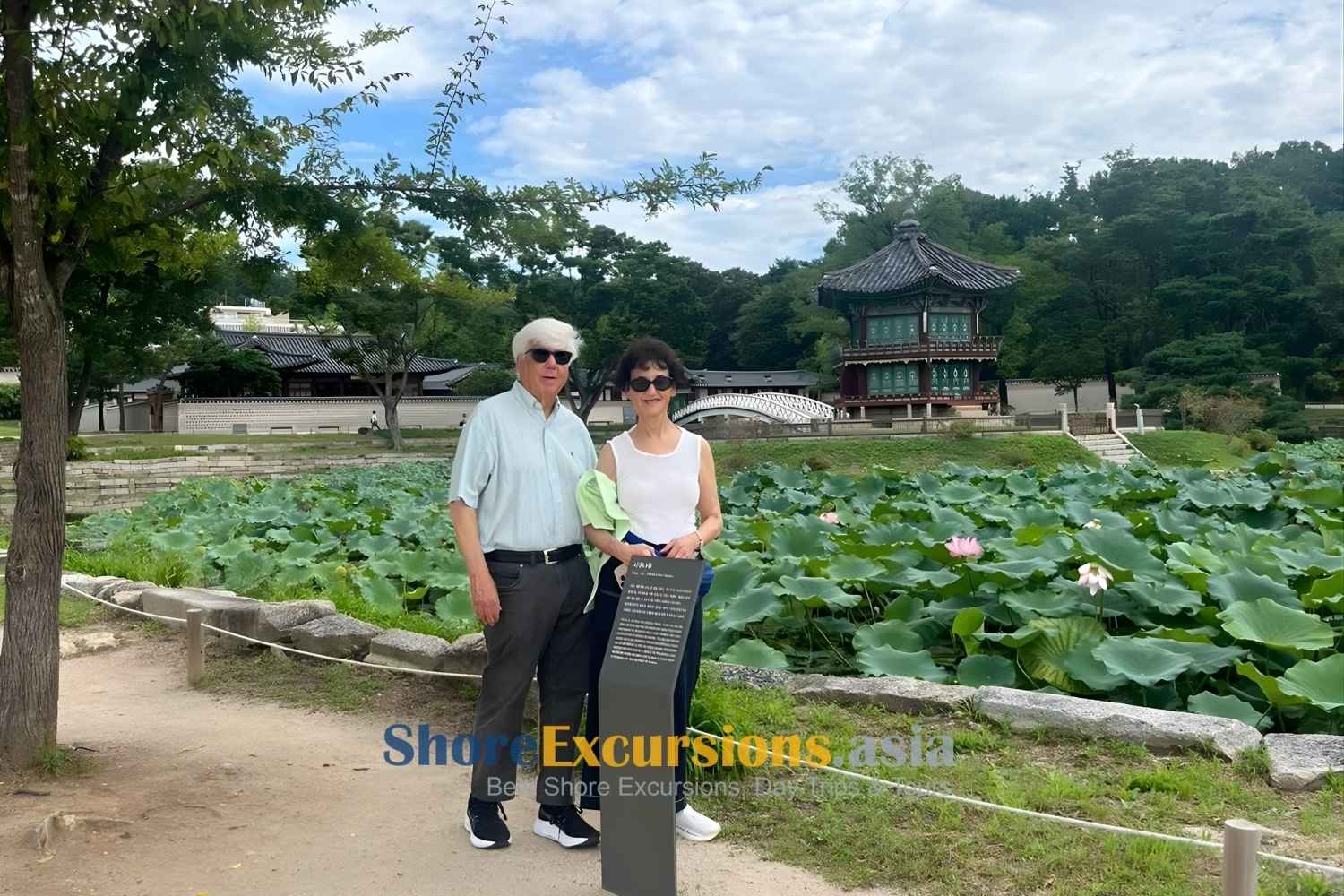
Seoul is the cultural and economic heart of South Korea. The city blends historic landmarks with modern neighborhoods, creating constant contrast. Ancient palaces stand just minutes away from shopping districts and skyscrapers. Seoul is also one of the easiest cities in Asia to navigate, which is why many South Korea travel guide recommendations consider it ideal for first-time visitors.
Highlights on Seoul shore excursions include:
- Royal palaces such as Gyeongbokgung and Changdeokgung
- Traditional neighborhoods like Bukchon Hanok Village
- Shopping areas including Myeongdong and Hongdae
- Cafes, museums, and nightlife that reflect modern Korean culture
Busan
Busan is South Korea’s second-largest city and its most famous coastal destination. In many South Korea travel guide book resources, Busan is presented as a more relaxed alternative to Seoul, with a strong focus on seaside living and fresh seafood. Beaches, local markets, and scenic viewpoints define the city’s appeal.
Travelers often enjoy Busan shore excursions for:
- Popular beaches such as Haeundae and Gwangalli
- Jagalchi Fish Market and local seafood restaurants
- Coastal walks and colorful hillside villages
- Easy access to temples with ocean views
Jeju Island
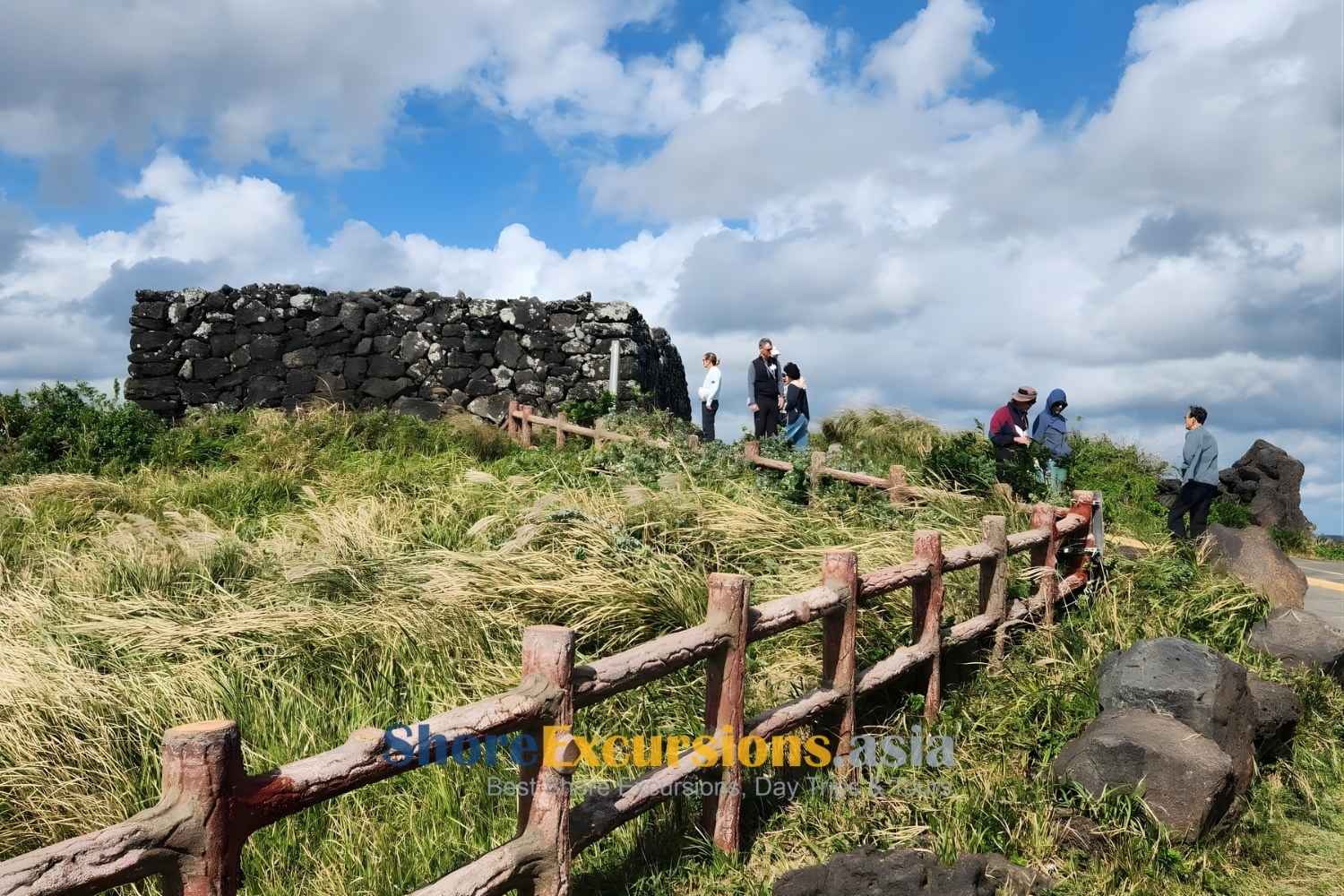
Jeju Island is widely regarded as South Korea’s top nature destination and is frequently featured in any comprehensive South Korea travel guide. Shaped by volcanic activity, the island offers dramatic landscapes, waterfalls, and extensive hiking opportunities. It is also a popular choice for honeymoons and family trips.
Jeju is known for:
- Hallasan Mountain and the surrounding national park
- Lava tubes and unique volcanic rock formations
- Coastal roads ideal for scenic drives
- A noticeably slower pace compared to mainland cities
Gyeongju and Other Cities
Gyeongju is often described as a “museum without walls” due to its historical importance. As the former capital of the Silla Kingdom, it is filled with temples, royal tombs, and UNESCO World Heritage sites. Many South Korea travel guide itineraries include Gyeongju for travelers interested in history and traditional culture.
Other cities worth considering include Incheon, Daegu, and Jeonju. Each city offers a different perspective on Korean life, regional cuisine, and local traditions, making them valuable additions to a well-rounded South Korea travel guide.
Top Things to Do in South Korea
Beyond famous landmarks, South Korea offers activities that are accessible, meaningful, and suitable for different travel styles.. Many activities allow travelers to actively engage with the culture. According to South Korea travel tips, these experiences often become the most memorable parts of a trip.
Visit Royal Palaces and Historic Sites
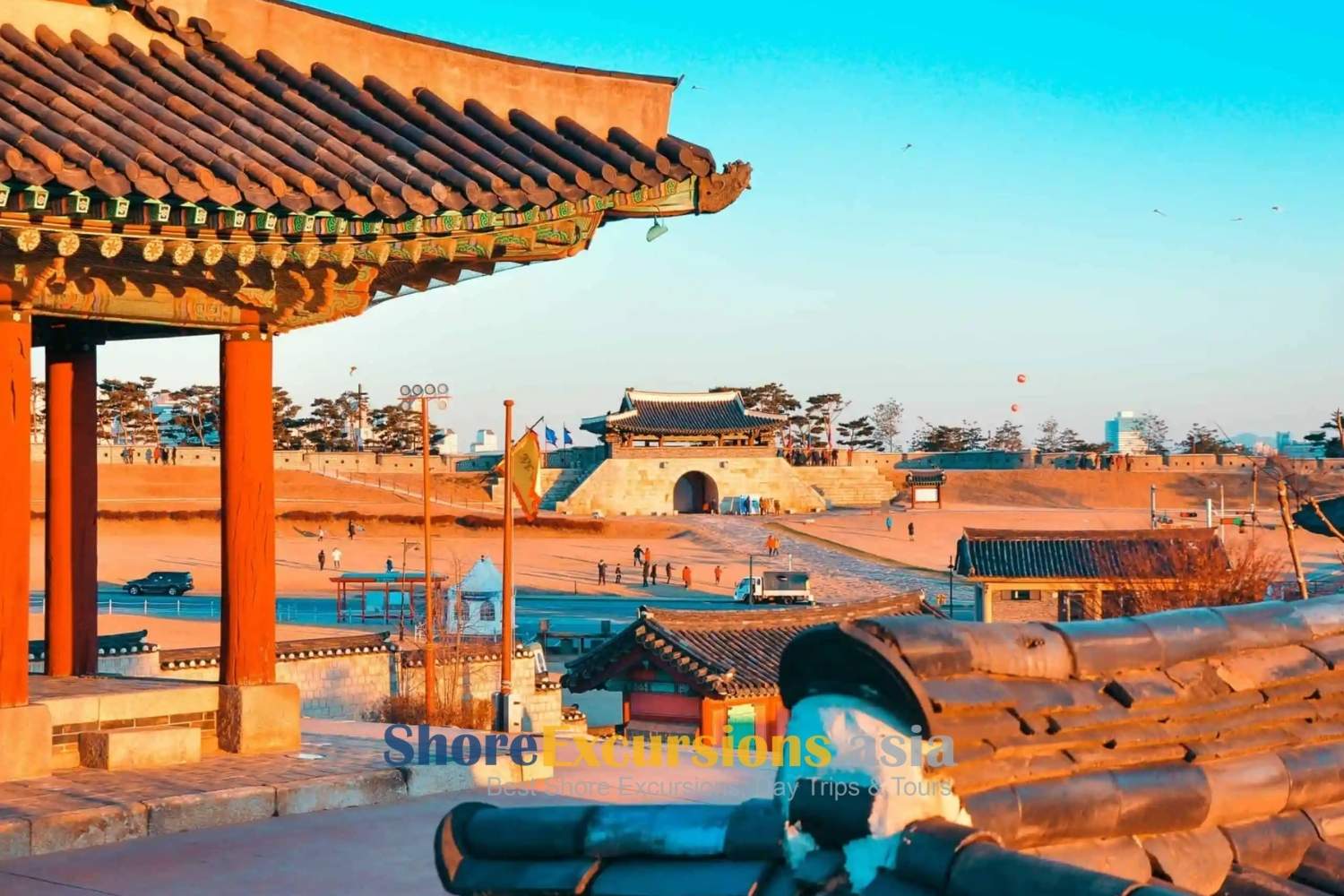
Exploring royal palaces and historical landmarks is one of the best ways to understand Korea’s past. These sites reflect centuries of history, Confucian traditions, and architectural styles that still influence modern society. Most South Korea travel guide recommendations place palace visits early in the itinerary to set cultural context.
- Gyeongbokgung and Changdeokgung in Seoul
- Bulguksa Temple and royal tombs in Gyeongju
- Hanok villages that preserve traditional housing
- Museums that explain Korean history in English
Explore Traditional Markets and Street Food
Traditional markets offer a close look at daily life in South Korea. They are lively, affordable, and full of local flavors, making them a key highlight in any South Korea travel recommendations. Walking through these markets allows travelers to eat like locals while observing authentic social interactions.
- Gwangjang Market for classic street food
- Jagalchi Fish Market for fresh seafood
- Night markets with casual dining options
- Local snacks such as tteokbokki and hotteok
Experience Korean Pop Culture and Entertainment

Modern Korean culture has a global influence, and experiencing it firsthand adds excitement to any trip. Many travelers rely on a South Korea travel guide book to find K-pop landmarks, filming locations, and live shows. These experiences connect visitors to contemporary Korean life.
- K-pop concerts and themed attractions
- K-drama filming locations around major cities
- Non-verbal shows suitable for all languages
- Pop culture museums and interactive exhibits
Relax at Jjimjilbangs and Wellness Centers
Jjimjilbangs, or Korean bathhouses, are an essential cultural experience. They offer relaxation, social spaces, and wellness treatments in one place. Jjimjilbangs are often highlighted as both affordable and uniquely local.
- Gender-separated bathing areas
- Sauna rooms with different temperatures
- Relaxation lounges and sleeping areas
- Casual food courts serving Korean comfort food
Enjoy Nature and Hiking Trails
South Korea is a mountainous country with well-maintained hiking infrastructure. Many national parks are located close to urban areas, making outdoor activities easy to include in a South Korea itinerary. Hiking is popular among locals and offers scenic views in every season.
- Bukhansan National Park near Seoul
- Seoraksan National Park on the east coast
- Coastal walking paths and scenic viewpoints
- Clearly marked trails suitable for beginners
Join Seasonal Festivals and Local Events
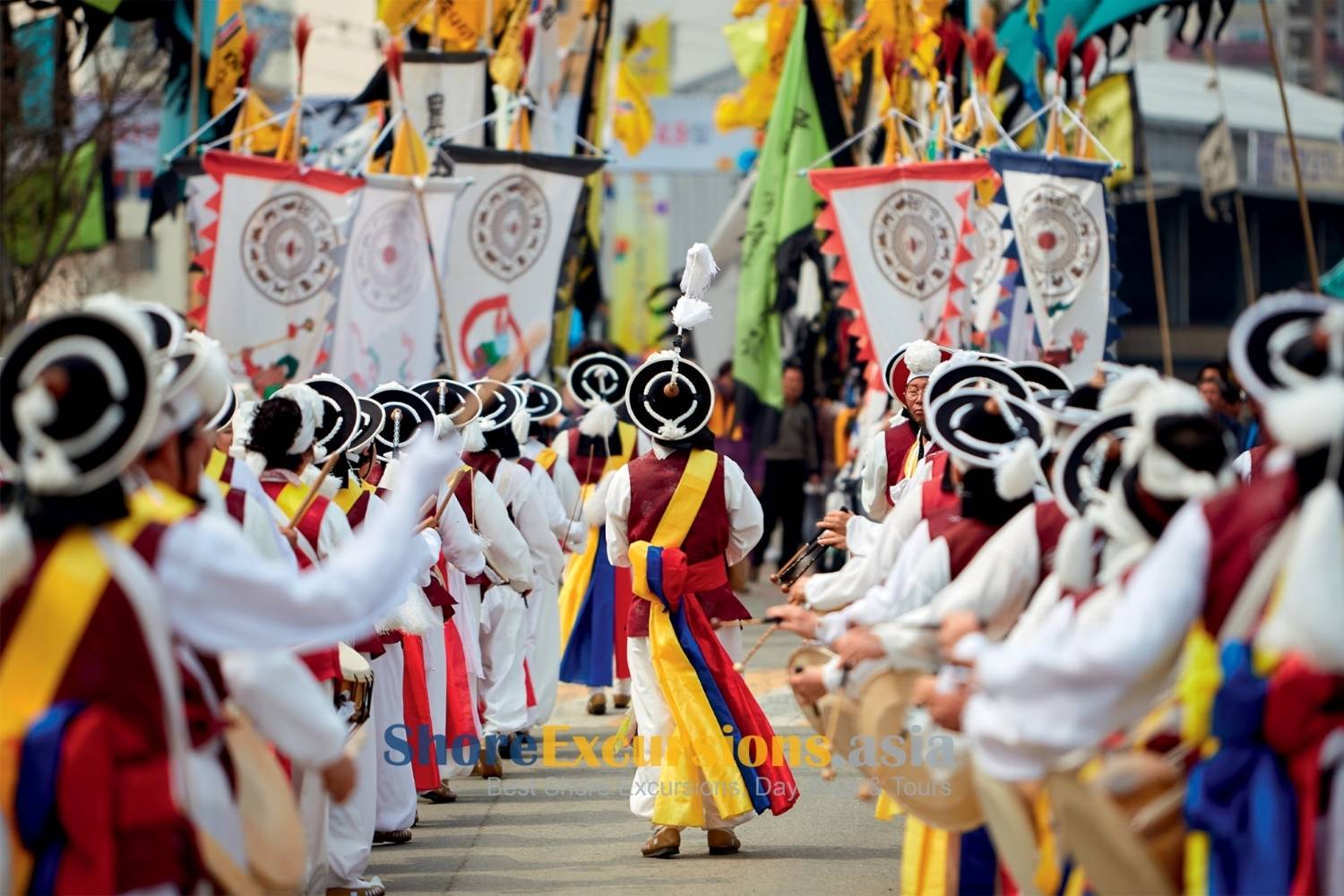
Seasonal festivals reflect the rhythm of life in South Korea and offer memorable travel experiences. Festivals also provide opportunities to interact with locals and learn regional traditions.
- Cherry blossom festivals in spring
- Beach and music festivals in summer
- Autumn foliage events in national parks
- Winter ice fishing and snow festivals
South Korean Food You Must Try
Food plays a central role in Korean culture and is closely tied to daily life, social gatherings, and even national identity. A typical Korean meal includes rice, soup, side dishes, and a main protein, creating a combination of flavors and textures rather than a single dominant dish.
Korean cuisine is also strongly seasonal and regional. What you eat in Seoul may feel different from meals in Busan or Jeju, especially when it comes to seafood and local specialties. Trying local food is one of the easiest ways to understand Korean culture beyond sightseeing.
Certain dishes are considered essential because they represent the foundations of Korean cooking. These foods are widely available, affordable, and suitable even for first-time visitors.
- Kimchi, the iconic fermented side dish
- Bibimbap, a mixed rice dish with vegetables and meat
- Bulgogi, marinated grilled beef
- Tteokbokki, spicy rice cakes found at street stalls
Practical Travel Information for South Korea
Understanding transportation, accommodation, entry requirements, and budgeting will significantly improve the overall travel experience. These detailed South Korea travel guides are especially important for first-time visitors who want realistic expectations before arriving in South Korea.
Transportation in South Korea
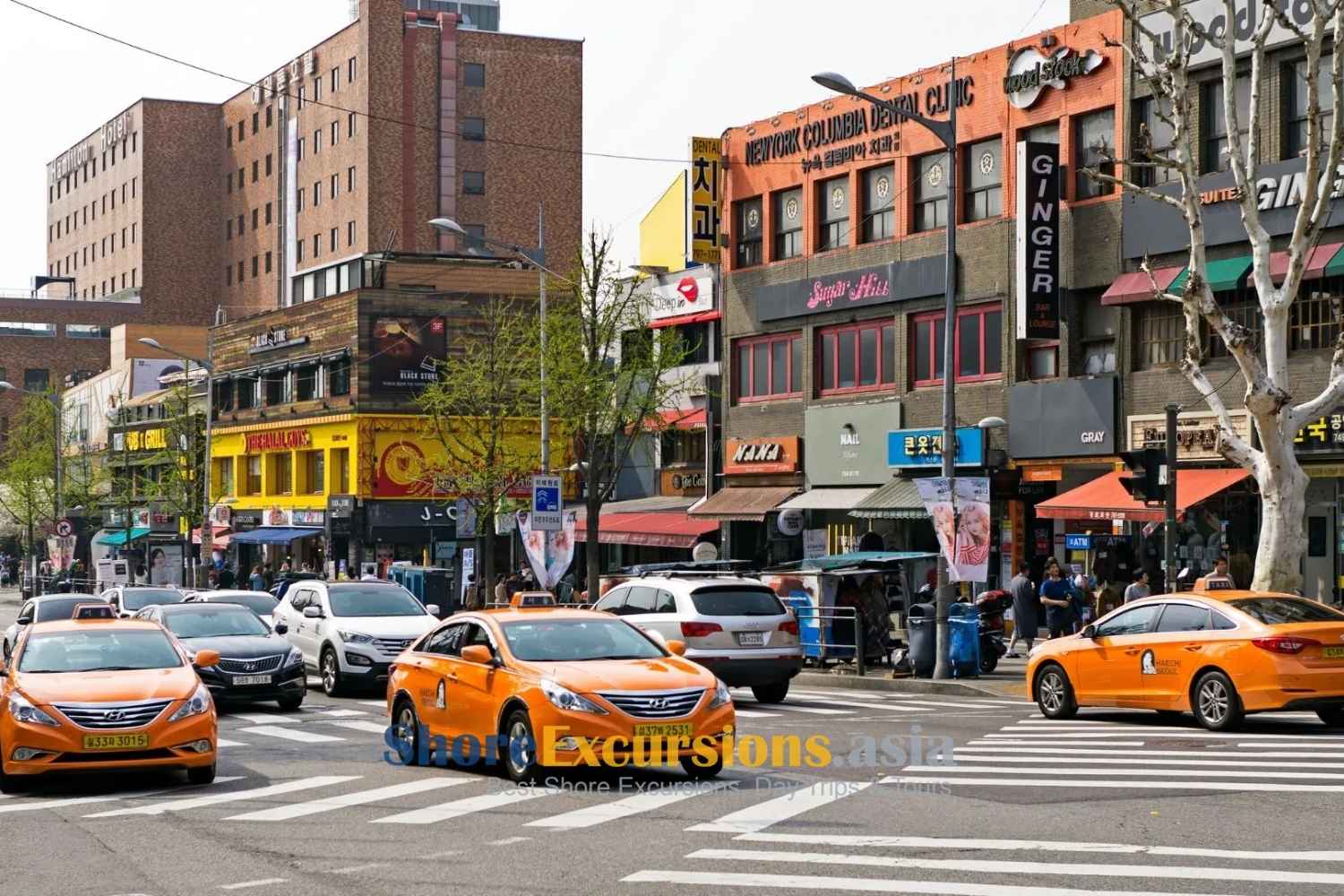
Getting around South Korea is straightforward thanks to a modern and well-connected transportation network. Major cities are designed for public transit, allowing travelers to move efficiently without the need to rent a car. Even first-time visitors usually find the system intuitive after a short time.
- Wide-reaching subway systems in cities like Seoul and Busan
- Long-distance buses and high-speed KTX trains linking major regions
- Reloadable transit cards that work across buses, subways, and taxis
- English-friendly signs, announcements, and navigation apps
Accommodation Options
South Korea offers a broad range of accommodation choices, making it easy to find something that fits different budgets and travel styles. In large cities, location often matters more than hotel class, as staying near subway stations greatly improves convenience. Many accommodations are clean, efficient, and designed for short stays.
- Hotels ranging from simple business hotels to high-end international brands
- Guesthouses and hostels suited for solo travelers and backpackers
- Traditional hanok stays that highlight Korean architecture and lifestyle
- Serviced apartments ideal for families or longer visits
Visa, Entry Requirements, and South Korea Travel Rules
Checking entry requirements is an essential part of trip preparation. Visa policies depend on nationality and length of stay, so travelers should confirm details before finalizing flights. Entry procedures are generally well-organized, but regulations can change over time.
- Visa-free entry available for certain nationalities
- Maximum stay duration based on visa or entry status
- Possible health forms or arrival documentation
- Customs rules covering personal items and restricted goods
Budget and Travel Costs
While South Korea is a developed country, travel costs remain reasonable with proper planning. Daily expenses vary depending on destination, season, and personal travel style. Many travelers find it easy to balance comfort and budget without major compromises.
- Low-cost public transport and affordable street food
- Plenty of mid-range restaurants with good quality meals
- Accommodation prices differ by city and peak seasons
- Flexible daily spending depending on activities and lodging choices
Final Thoughts: Is South Korea Worth Visiting?
South Korea continues to grow as a global travel destination for good reason. It is safe, well-organized, and culturally rich, offering experiences that appeal to many types of travelers. This all in one South Korea travel guide aims to provide reliable and practical advice built on real travel experience. With the right preparation, South Korea is not just a destination to visit once, but a country many travelers return to again and again.