

There are many famous landmarks to explore on Japan shore excursions, but few leave a stronger impression than Mount Fuji. Rising above lakes, forests, tea fields, and traditional towns, the mountain shapes the identity of central Japan in a way that photos rarely capture completely. Many first-time travelers arrive expecting a quick sightseeing stop. In reality, the experience becomes far more memorable when you slow down and explore the surrounding region properly. This detailed Mount Fuji travel guide explains where to go, the best seasons to visit, practical transportation advice, and the experiences that deserve your time.
Why Mount Fuji Is So Important in Japan
For centuries, Mount Fuji has inspired artists, poets, pilgrims, and travelers. The mountain holds spiritual significance in Japanese culture and appears frequently in traditional paintings, woodblock prints, and literature.
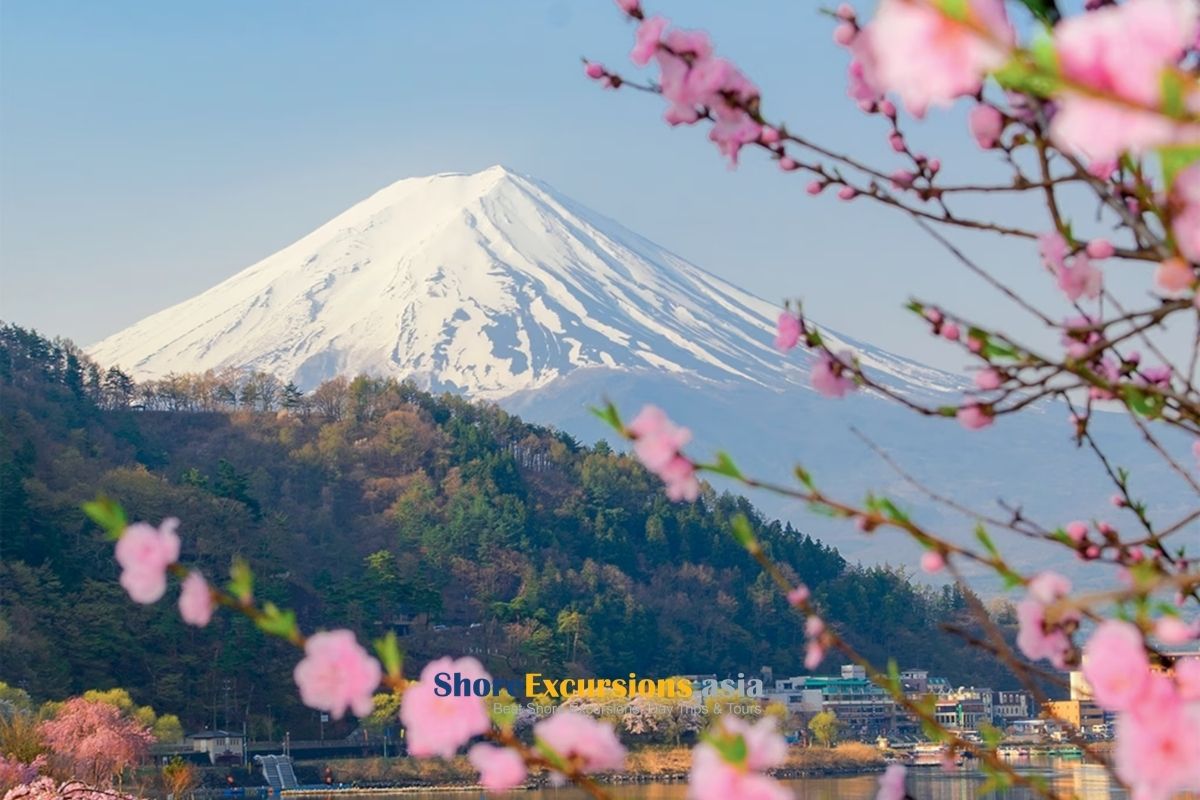
Its nearly symmetrical cone creates one of the most recognizable landscapes in the world. On clear days, the mountain dominates the horizon with remarkable elegance. During my first visit to Shizuoka, the atmosphere around Fuji felt surprisingly calm compared with the busy pace of Tokyo. The scenery changes constantly depending on weather, season, and time of day, which makes every visit feel slightly different.
In 2013, Mount Fuji became a UNESCO World Cultural Heritage Site due to its cultural and artistic importance.
Where Is Mount Fuji Located?
Mount Fuji stands between Yamanashi Prefecture and Shizuoka Prefecture in central Japan. The mountain lies roughly two hours from Tokyo by train and road, making it accessible for short trips as well as longer regional journeys.
For cruise travelers, Port of Shimizu serves as one of the most convenient gateways to the Mount Fuji region. On clear days, passengers on Shimizu shore excursions can often see the mountain directly from the waterfront shortly after arriving at the port. Travelers who prefer a more relaxed pace often find Shimizu an excellent base for exploring Mount Fuji without spending hours navigating busy city stations and transfers.
Travelers usually explore Fuji through several popular areas:
- Lake Kawaguchi
- Hakone
- Miho no Matsubara
- Fuji Five Lakes
When to Visit Mount Fuji at a Glance
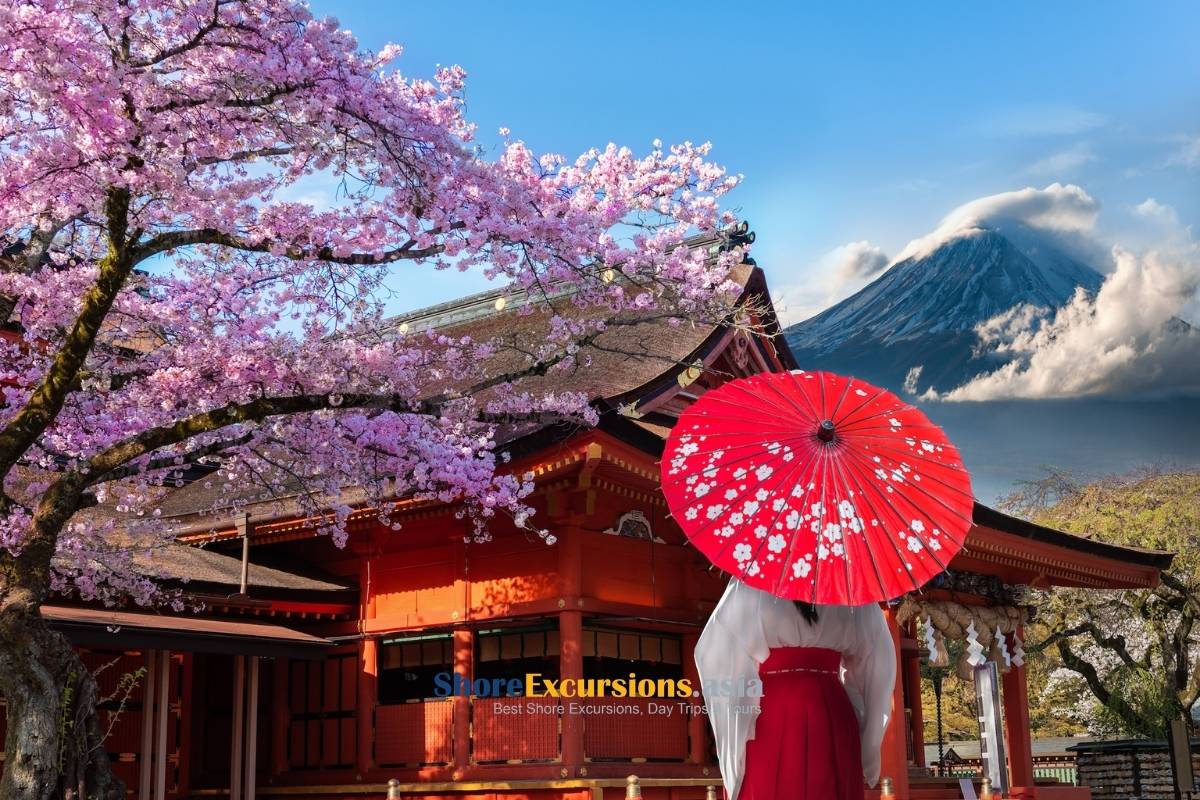
One of the most common questions travelers ask is when to visit mt fuji for the best experience. Weather conditions change significantly throughout the year, and visibility can vary even within the same day.
Travelers should keep in mind that winter and late autumn usually offer the clearest mountain views along the Shizuoka coastline. Visitors arriving during summer may still enjoy beautiful scenery, although the summit is more likely to be hidden by clouds in the afternoon.
| Season | Mt. Fuji Visible | Highlights |
|---|---|---|
| Spring (March to May) | Good in mornings | Cherry blossoms, mild weather, scenic lakes |
| Summer (June to August) | Moderate | Climbing season, green landscapes, festivals |
| Autumn (September to November) | Very good | Autumn foliage, cooler temperatures, fewer crowds |
| Winter (December to February) | Excellent | Clearest skies, snow-capped Fuji, best photography conditions |
Mount Fuji Travel Guide for Independent Travelers
Public transportation around Mount Fuji works well, though routes become more limited outside major tourist hubs. This essential Mount Fuji travel guide helps first-time visitors navigate the area more smoothly while avoiding common transportation mistakes.
Access from Tokyo
Tokyo remains the main starting point for most international travelers visiting Mount Fuji. Several transportation options connect the capital with the Fuji area depending on your itinerary and preferred travel style.
The most common routes include:
- JR trains to Mishima or Shin-Fuji
- Highway buses to Kawaguchiko
- Guided sightseeing tours
- Private drivers for regional day trips
Most journeys from Tokyo take between 2.0 - 3.0 hours. Morning departures usually provide the best visibility because clouds frequently gather around the summit later in the day.
Access Mount Fuji from Shimizu Port
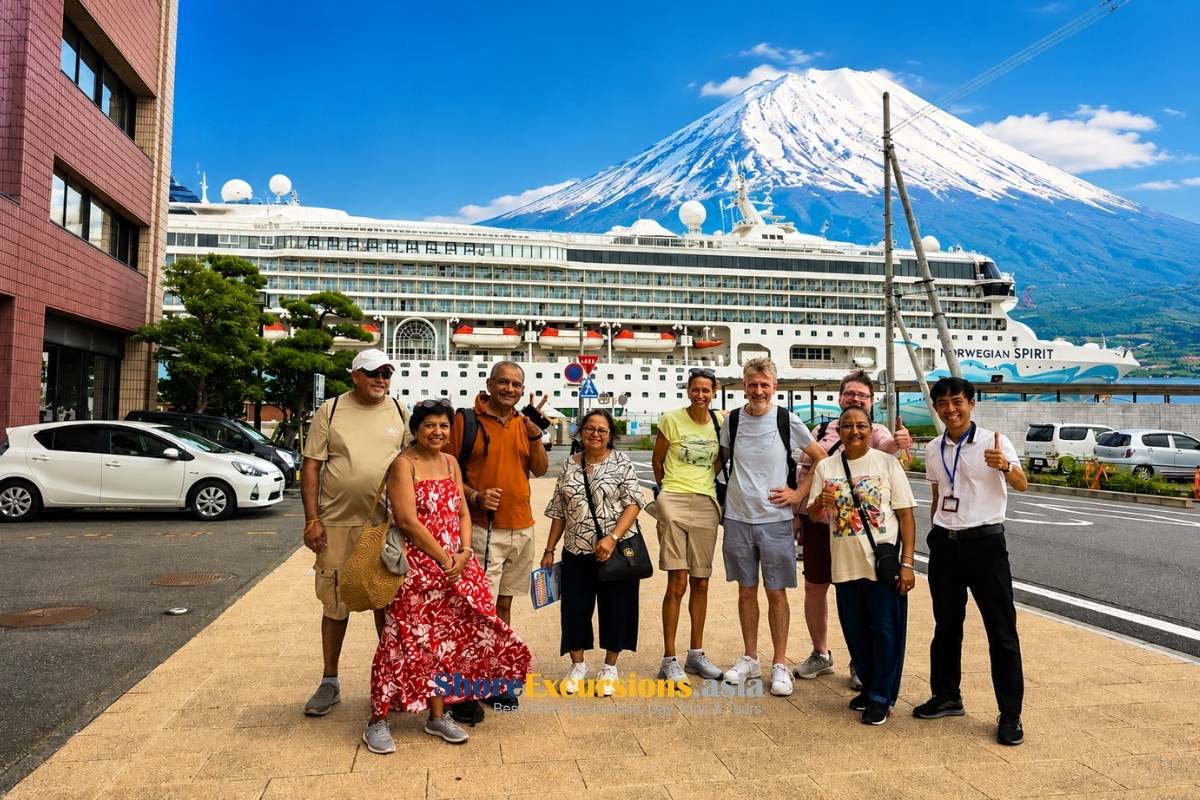
Port of Shimizu serves as one of the most convenient cruise gateways to the Mount Fuji region. On clear days, passengers can sometimes see the mountain directly from the waterfront shortly after arriving at the port. Unlike larger urban ports, Shimizu offers relatively quick access to countryside scenery, coastal viewpoints, and tea-growing regions around Shizuoka.
Cruise passengers typically choose one of several transportation methods:
- Guided shore excursions
- Private car services
- Chartered taxis
- Local train connections toward Fuji and Shizuoka areas
Guided tours remain the most practical option for visitors with limited port time because transportation schedules in rural Japan can feel complicated for first-time travelers.
Best Ways to Experience Mount Fuji
A good Mount Fuji travel guide should focus not only on famous viewpoints, but also on the overall atmosphere of the region. Many visitors underestimate how large the Fuji region actually is. A meaningful visit usually involves more than stopping at a single viewpoint.
Scenic Lake Areas
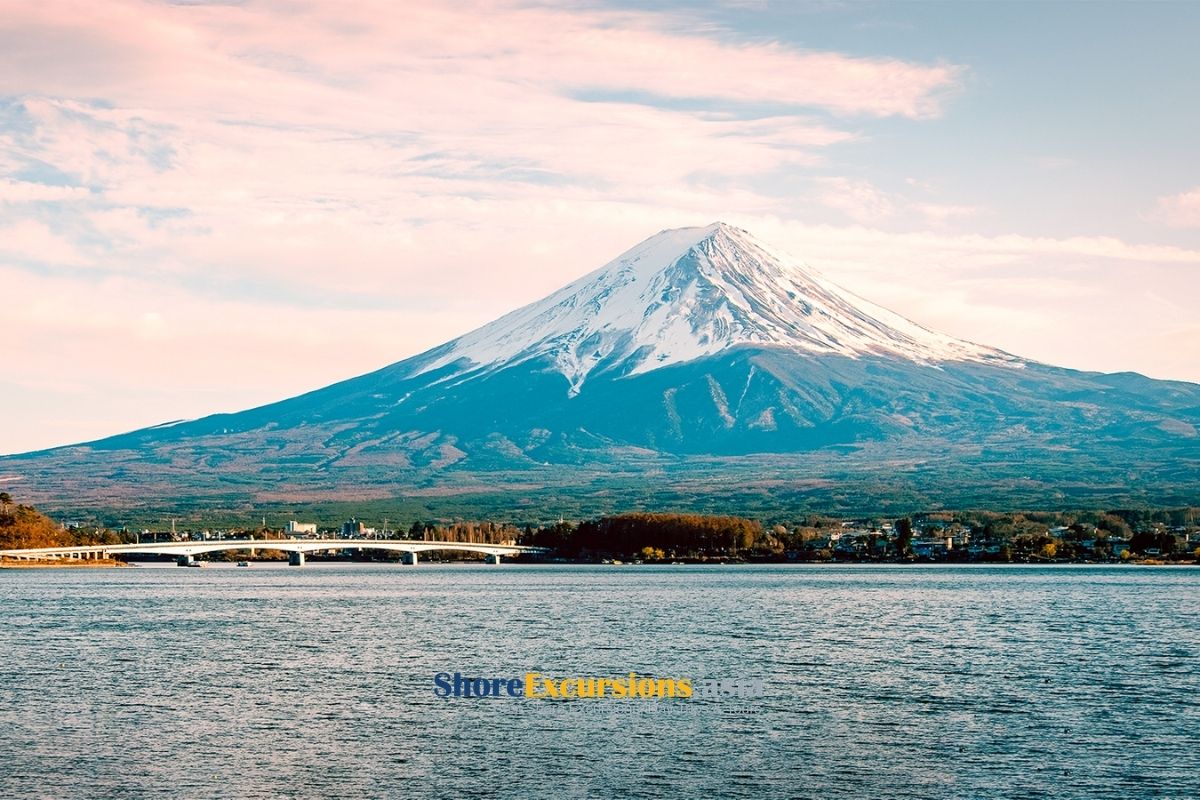
The Fuji Five Lakes region remains one of the highlights in almost every Mount Fuji travel guide. Among these lakes, Lake Kawaguchi is especially popular because transportation is convenient and the mountain views are consistently impressive. During clear mornings, reflections of Mount Fuji appear beautifully across the lake surface. Small cafés, walking trails, and local museums create a slower travel experience that many European visitors appreciate.
Tea Plantations in Shizuoka
Shizuoka provides a quieter and more authentic atmosphere to experience Mount Fuji. Tea plantations stretching beneath Mount Fuji create some of the most iconic landscapes in Japan. Local roads passing through green tea fields often reveal stunning panoramic views on clear days, especially during autumn and winter mornings.
Many Shimizu shore excursions combine Mount Fuji viewpoints with tea tasting experiences and countryside drives. This combination works especially well for cruise passengers who want cultural experiences alongside sightseeing. Travelers following a detailed Mount Fuji travel guide often overlook Shizuoka, even though the region offers excellent photography conditions and fewer crowds.
Ropeways and Observation Decks
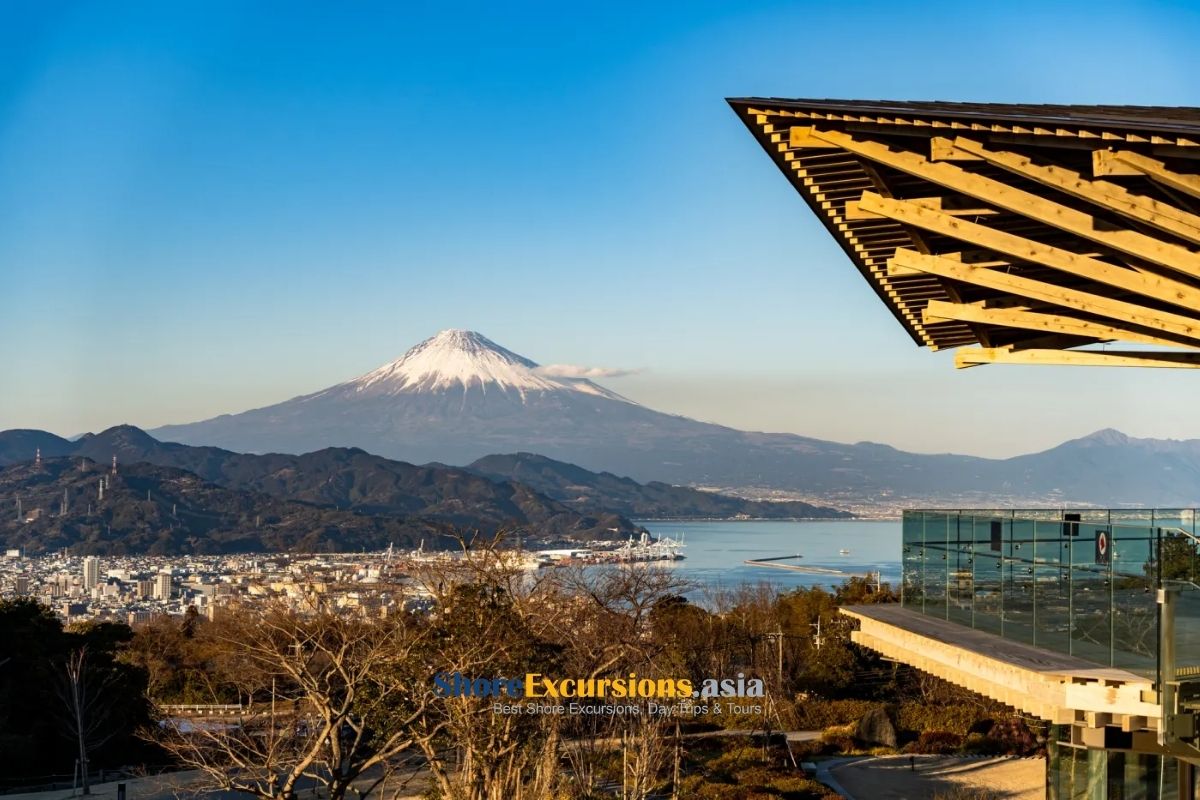
Visitors who prefer relaxed sightseeing can still enjoy spectacular mountain scenery using ropeways and observation platforms around the Fuji region.
Popular options include:
- Hakone Ropeway
- Mount Fuji Panoramic Ropeway
- Nihondaira viewpoints in Shizuoka
Cold seasons usually provide the clearest visibility. Travelers wondering when to visit mt fuji for photography often choose late autumn or winter because atmospheric conditions remain more stable. Morning visits generally offer the highest chance of seeing the summit clearly before clouds begin forming around midday.
Hiking Trails for Active Travelers
Hiking Mount Fuji attracts thousands of visitors every year during climbing season. Travelers searching for the Mount Fuji best trail should compare route difficulty carefully before planning a summit attempt.
The Yoshida Trail remains the most beginner-friendly route because:
- Mountain huts are widely available
- Signage is clear
- Public transportation access is straightforward
- Emergency support is better developed
Anyone researching the mount fuji best trail should compare the main routes carefully:
- Yoshida Trail: most popular and beginner-friendly
- Subashiri Trail: forested sections with fewer crowds
- Fujinomiya Trail: shortest route to summit
- Gotemba Trail: longest and most challenging
More experienced hikers sometimes choose quieter trails such as Subashiri or Gotemba for a less crowded experience.
Best Places to See Mt. Fuji Japan
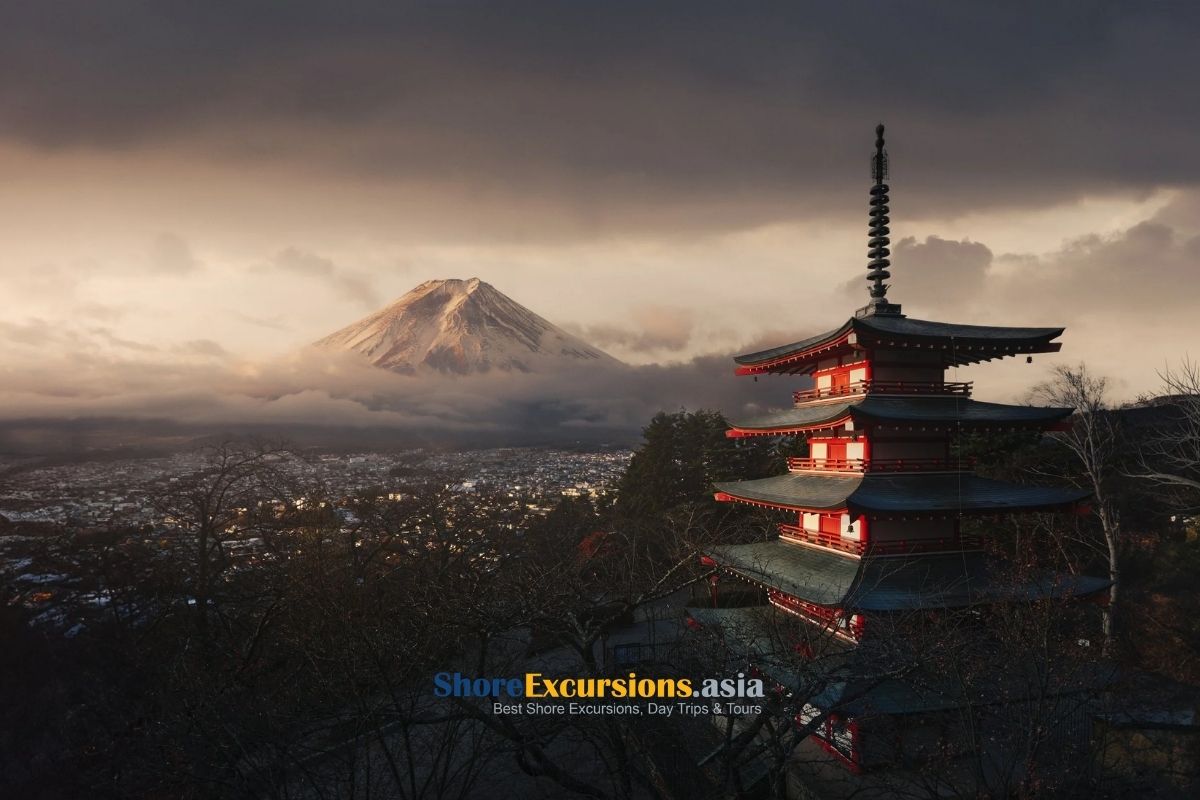
Not every viewpoint offers the same experience. Some locations focus on dramatic photography, while others provide cultural atmosphere or peaceful scenery.
- Chureito Pagoda: This site has become famous worldwide for its postcard-style composition of pagoda, cherry blossoms, and Mount Fuji. The climb involves several hundred steps, though the panorama at the top rewards the effort.
- Miho no Matsubara: Miho no Matsubara combines pine groves, coastline scenery, and mountain views. The location feels more spacious and less crowded than many Fuji hotspots near Tokyo.
- Hakone Area: Hakone is ideal for travelers interested in hot springs, traditional ryokan stays, and scenic transport routes. On clear days, views across Lake Ashi toward Mount Fuji can be spectacular.
Is Mount Fuji Worth Visiting?
Many travelers ask, is Mount Fuji worth visiting if their Japan itinerary already includes Tokyo, Kyoto, and Osaka. The answer becomes clear once you experience the landscape in person.
This UNESCO Site offers a completely different side of Japan. The region feels quieter, slower, and more connected to nature. Traditional villages, tea farms, lakes, and mountain scenery create a balance that contrasts beautifully with major cities.
Mount Fuji Travel Tips for First-Time Visitors
Good planning makes a significant difference in the Fuji region because weather conditions affect visibility constantly. These practical tips in Mount Fuji travel guide can help avoid common mistakes:
- Start sightseeing early in the morning
- Check live weather cameras before traveling
- Reserve transportation during peak seasons
- Carry cash in rural areas
- Dress in layers because temperatures change quickly
- Avoid relying on a single viewpoint
One mistake many travelers make involves scheduling only a short afternoon visit. Clouds frequently gather around the summit later in the day, especially outside winter. Spending at least one night near Fuji improves the chances of clear views dramatically.
A well-planned trip to Mount Fuji offers far more than a quick sightseeing stop. Clear morning views, peaceful countryside scenery, and cultural experiences around Shizuoka make the region one of Japan’s most memorable destinations.
This Mount Fuji travel guide recommends spending extra time beyond the typical tourist route, especially for travelers arriving through Port of Shimizu. With scenic coastal landscapes, tea plantations, and quieter viewpoints, Shimizu provides an excellent starting point for a more relaxed Mount Fuji experience.

 Contact Us via Messenger
 Send Inquiry