
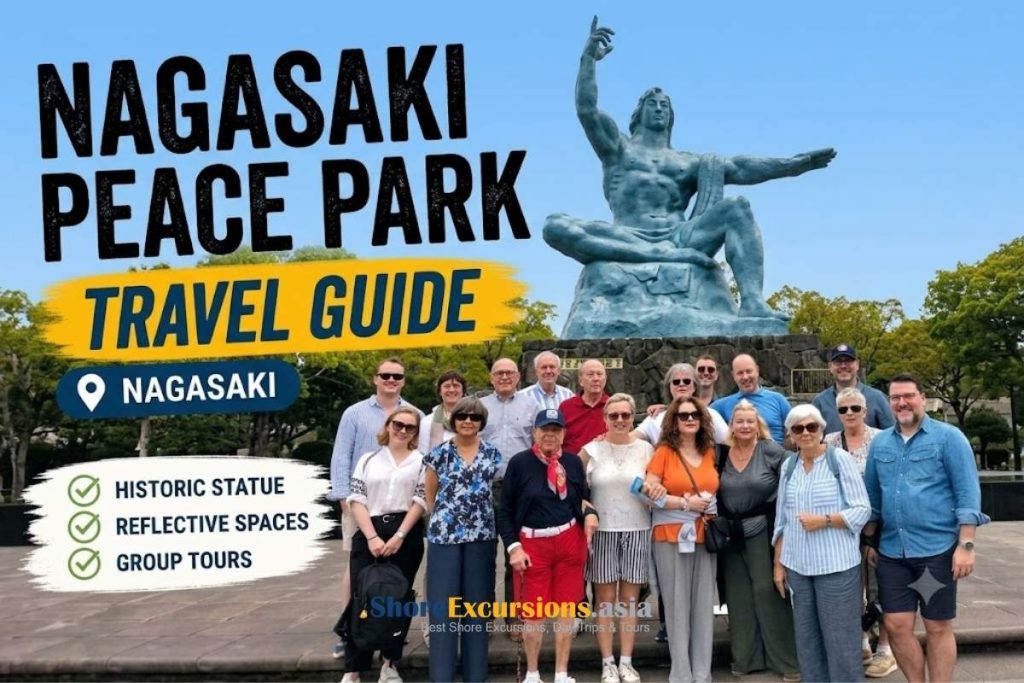
Standing quietly in the Urakami district, Nagasaki Peace Park is one of the most meaningful places to visit on any Nagasaki shore excursions. Unlike many memorial sites that focus solely on the past, Peace Park encourages reflection on both history and the future.
Art, architecture, and open green spaces come together to create an atmosphere that is solemn yet hopeful. A visit with Japan Shore Excursions usually pairs well with the nearby Atomic Bomb Museum and Hypocenter Park, making this area one of the most rewarding stops during a day in Nagasaki.
Nagasaki Peace Park Overview
Known in Japanese as Heiwa Koen, Nagasaki Peace Park was established to commemorate the victims of the atomic bomb that devastated the city on August 9, 1945. The park occupies land just north of the explosion's hypocenter and has gradually expanded into a large public space dedicated to remembrance, education, and international friendship.
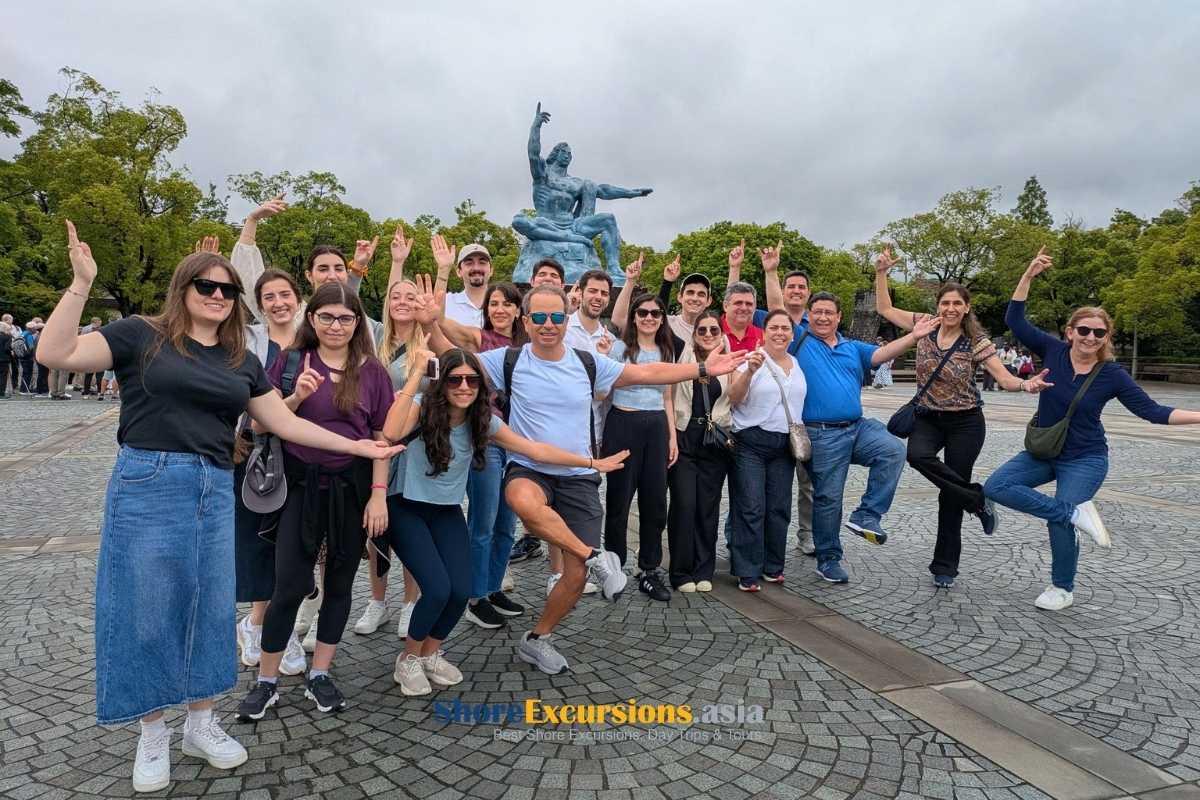
Unlike a traditional city park, nearly every sculpture, pathway, and memorial carries symbolic meaning. Visitors will notice that the atmosphere remains remarkably peaceful despite the number of people exploring the grounds. School groups, local residents, and international tourists often share the space respectfully, creating an environment that encourages quiet reflection rather than sightseeing alone.
Today, the park has become one of Nagasaki's defining landmarks and represents Japan's continuing commitment to promoting nuclear disarmament and world peace.
Nagasaki Peace Park at a Glance
Before visiting, here are the key details to help you plan your trip:
| Information | Details |
|---|---|
| Location | Urakami district, Nagasaki City |
| Address | 9 Matsuyamamachi, Nagasaki 852-8118, Japan |
| Best for | History lovers, families, first-time visitors to Nagasaki |
| Recommended time | Around 2 - 3 hours |
| Admission | Free |
| Nearby attractions | Nagasaki Atomic Bomb Museum, Hypocenter Park, Urakami Cathedral |
Accessibility Information
Nagasaki Peace Park is generally accessible for visitors with mobility needs. Most paths are paved, and the main areas can be reached without climbing steep stairs. Wheelchair users and travelers with strollers can explore many parts of the park comfortably.
The nearby museum also provides accessibility facilities, making the entire area suitable for visitors of different ages and abilities. If you require additional assistance, visiting during quieter hours can make navigation easier.
Selected Nagasaki excursions with Peace Park
Nagasaki Shore Excursions
Cruise Ships: Diamond Princess, Celebrity Millennium, NCL Jade, Spectrum of the Seas, Azamara Pursuit
Back-to-Ship Guarantee: Return to Your Ship 90-120 Minutes Before Departure
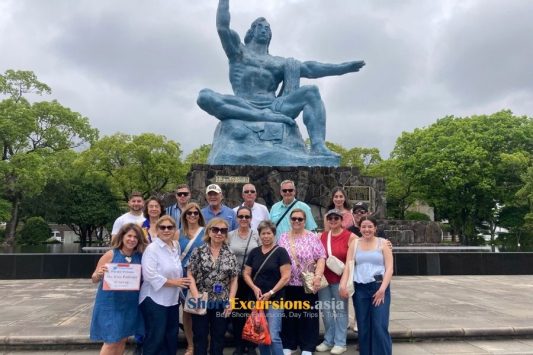

Nagasaki Shore Excursions
Cruise Ships:Celebrity Millennium
Back-to-Ship Guarantee: Return to Your Ship 90-120 Minutes Before Departure
A Brief History Behind Nagasaki Atomic Peace Park
The story of the Nagasaki atomic peace park begins with one of the darkest moments of World War II. At 11:02 a.m. on August 9, 1945, an atomic bomb exploded above the Urakami Valley, instantly destroying much of the surrounding area. Tens of thousands of people lost their lives, while many more suffered injuries and long-term health effects. Homes, schools, churches, and hospitals disappeared within seconds.
Following the war, the city faced the difficult task of rebuilding while preserving the memory of what had happened. Local leaders believed that remembrance should serve a greater purpose than simply recording history. Their vision eventually led to the creation of Peace Park, where future generations could learn about the consequences of nuclear warfare while embracing the universal value of peace.
Top Things to Do at Nagasaki Peace Park
Many visitors travel with Japan Shore Excursions spend around 90 minutes exploring the grounds, although history enthusiasts often stay much longer. Here are the highlights you shouldn't miss.
1. Admire the Peace Statue
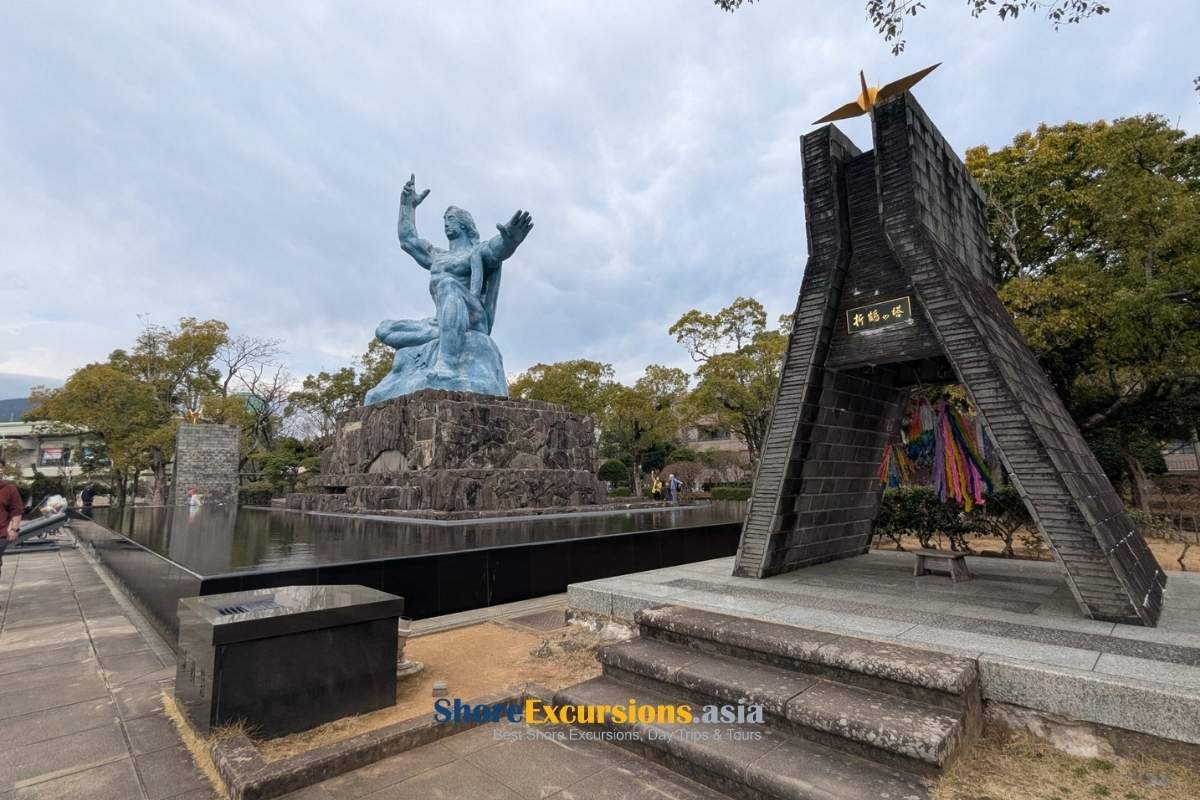
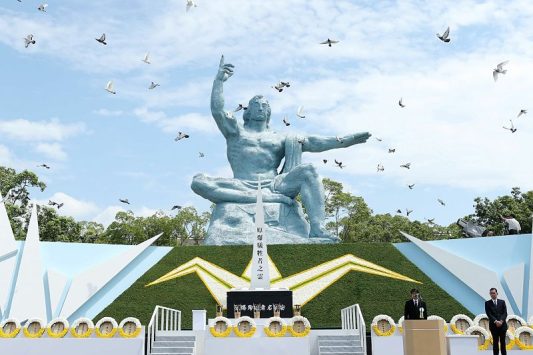
The centerpiece of the Nagasaki Peace Park is the iconic Peace Statue, one of Japan's best-known public monuments. Created by sculptor Seibo Kitamura and unveiled in 1955, the bronze figure rises nearly 10 meters (33 feet) above the plaza. Every element of the statue carries symbolic meaning.
The raised right hand points toward the sky, reminding visitors of the threat posed by nuclear weapons. The outstretched left arm extends horizontally as a gesture of peace. The gently closed eyes represent a silent prayer for those who lost their lives. Standing directly in front of the statue offers the most impressive perspective, while the surrounding plaza provides plenty of space to sit and absorb the atmosphere.
2. Reflect at the Fountain of Peace
Just south of the statue lies the elegant Fountain of Peace, one of the park's most moving memorials. The fountain was built to honor victims who desperately searched for water after the explosion. Historical accounts describe survivors suffering from severe burns who repeatedly cried out for water during their final hours.
Instead of using elaborate decoration, the designers chose a simple circular fountain that continuously flows with clean water. The gentle sound creates a peaceful contrast to the events being remembered. Many visitors pause here longer than expected. Reading the inscriptions beside the fountain helps place its understated design into historical context.
3. Explore the Nagasaki Peace Park Monuments
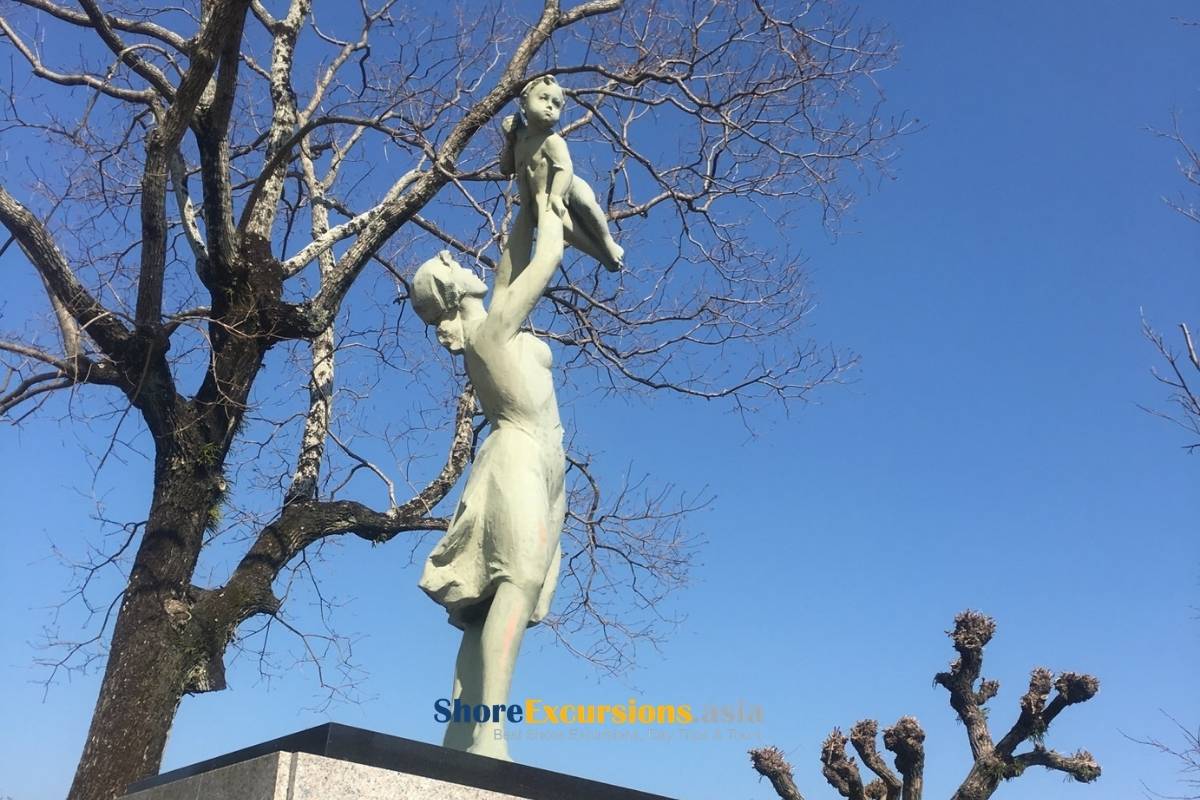
One of the most fascinating aspects of the park is its collection of international sculptures. The Nagasaki Peace Park monuments were donated by countries and cities around the world as symbols of friendship, reconciliation, and hope.
Rather than following a single artistic style, the monuments range from abstract stone sculptures to modern bronze works. Each reflects the culture of its donor while sharing the common message that peace is a global responsibility.
As you walk through the park, you'll encounter gifts from Europe, Asia, the Americas, and many other regions. Taking time to read the accompanying plaques reveals the international cooperation that continues to shape the park today. Photography is welcome throughout the outdoor areas, although visitors are encouraged to remain respectful and avoid climbing on the monuments.
4. Walk to the Atomic Bomb Hypocenter
Only a short walk from the main plaza is Hypocenter Park, marking the point directly beneath where the bomb exploded approximately 500 meters above the ground. Unlike the larger memorial park, this area is intentionally understated. A black stone pillar marks the exact location, surrounded by simple landscaping that allows visitors to focus on the significance of the site itself.
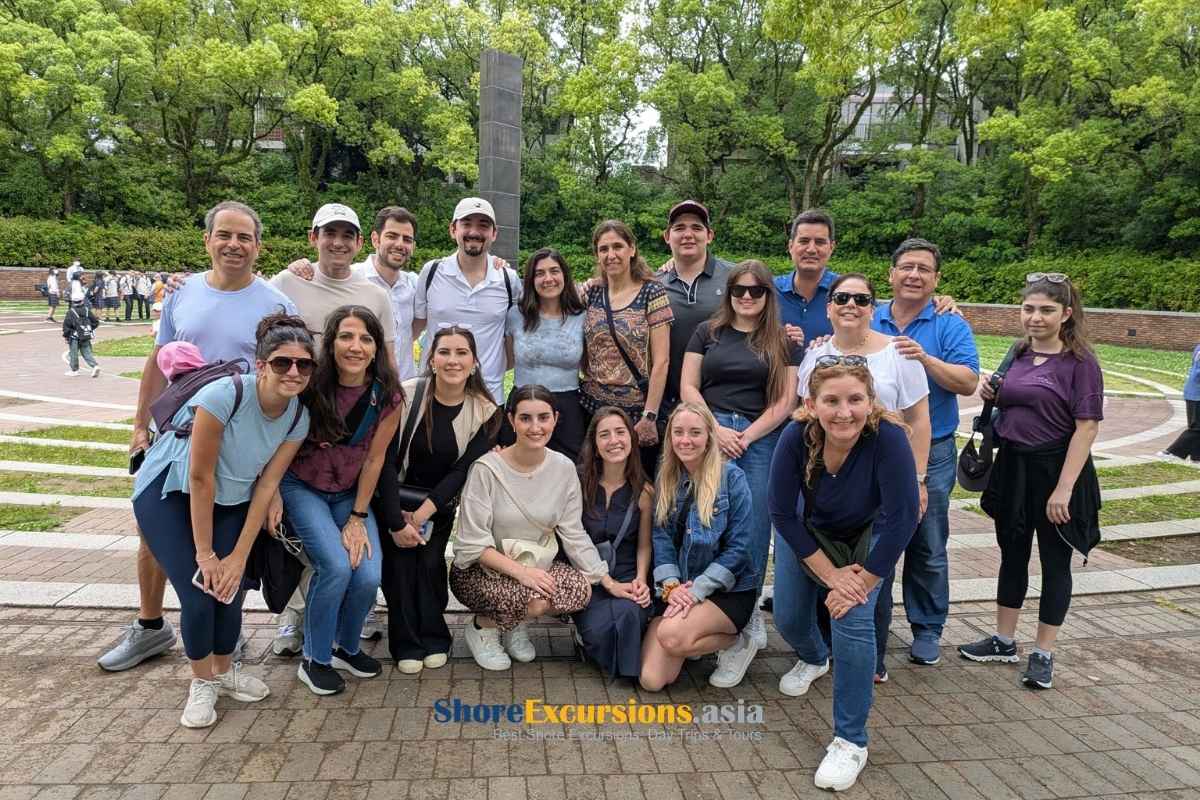
Nearby, remnants of walls and foundations provide a powerful reminder of the destruction that once covered the surrounding neighborhood. Seeing the hypocenter before or after exploring Peace Park helps visitors better understand the scale of the disaster and the remarkable recovery that followed.
Nagasaki Peace Park and Museum: Should You Visit Both?
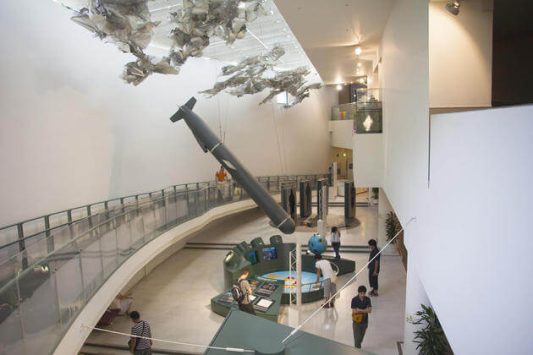
A visit to Nagasaki Peace Park and Museum offers a deeper understanding of the city’s wartime history. While the park focuses on remembrance through outdoor monuments and symbolic spaces, the nearby museum provides detailed historical information through carefully preserved exhibits.
The Nagasaki Atomic Bomb Museum is located only a few minutes on foot from Peace Park. Inside, visitors can see photographs, personal belongings, documents, and survivor testimonies that explain what happened before, during, and after the bombing.
Some exhibits are emotionally challenging, especially those showing the human impact of the attack. However, the museum is presented in a thoughtful way, focusing on education and the importance of peace rather than simply displaying tragedy.
For first-time visitors, combining both locations is highly recommended. The park helps you reflect emotionally, while the museum provides the historical background needed to understand the significance of each monument.
A practical itinerary would be:
- 45 - 60 minutes: Nagasaki Atomic Bomb Museum
- 60 - 90 minutes: Nagasaki Peace Park
- 15 - 30 minutes: Atomic Bomb Hypocenter
This combination creates a meaningful half-day experience without feeling rushed.
Nagasaki Peace Park Map & Recommended Walking Route
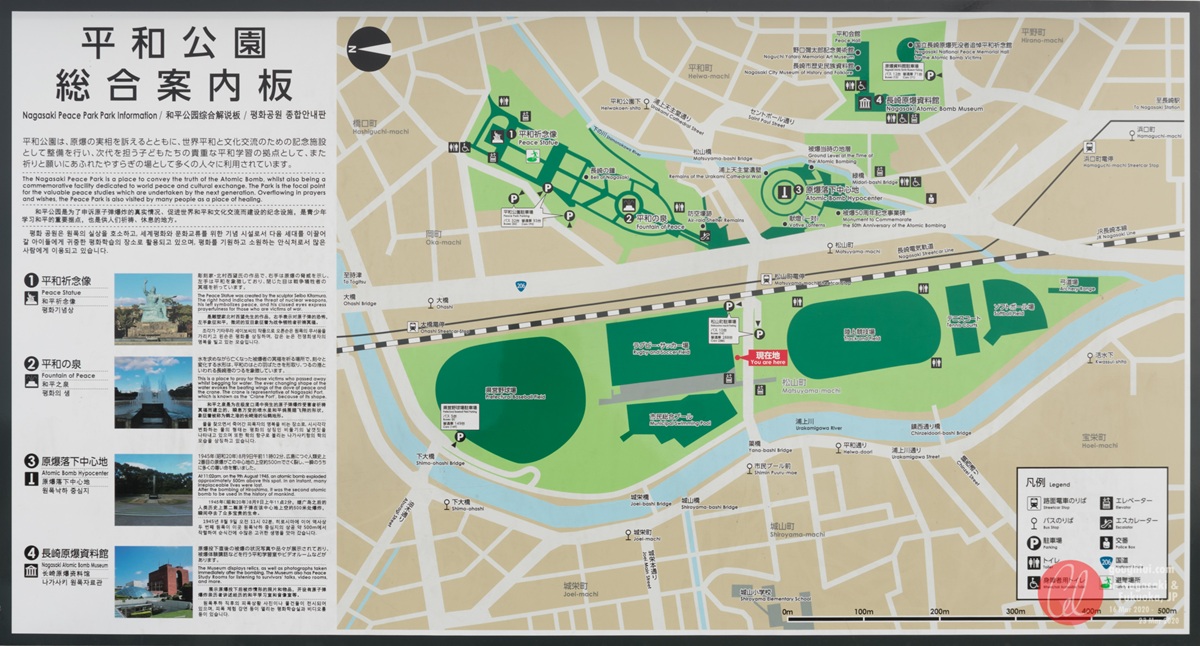
Before your visit, checking a Nagasaki Peace Park map can help you understand the layout and plan an efficient route. The main attractions are located close together, and most visitors can explore everything on foot. A recommended walking route is:
- Stop 1: Peace Statue Plaza - Begin at the northern section of the park where the iconic Peace Statue stands. This is the most recognizable area and a good starting point for understanding the park’s message.
- Stop 2: Fountain of Peace - Continue south toward the fountain and take a moment to read the memorial inscription. This area provides a quieter atmosphere away from the main plaza.
- Stop 3: International Monument Area - Walk through the collection of donated sculptures from around the world. This section highlights the international message behind the park.
- Stop 4: Atomic Bomb Hypocenter - Finish your outdoor visit at the hypocenter, where the bombing occurred. From here, continue to the nearby museum if you have not visited yet.
The entire route is relatively easy, with paved paths and clear signs in Japanese and English.
How to Get to Nagasaki Peace Park
For travelers visiting Nagasaki for the first time, transportation is simple. If you are wondering how to get to Nagasaki Peace Park, the easiest option is usually the city tram system.
From Nagasaki Station
Take the Nagasaki Electric Tramway and ride the line toward Akasako. Get off at Heiwa Koen Station (Peace Park Station), which is only a short walk from the entrance. The journey takes around 15 - 20 minutes and is one of the most convenient ways to reach the park.
Taxis are another comfortable option, especially for families, older travelers, or visitors carrying luggage. The ride from Nagasaki Station usually takes around 10 minutes depending on traffic.
From Central Nagasaki
If you are already exploring attractions such as Dejima or Chinatown, the tram provides an easy connection to Peace Park. Many travelers include the park as part of a wider sightseeing route through the city.
From Nagasaki Cruise Port to Nagasaki Peace Park

For cruise travelers, visiting Peace Park is one of the most popular shore activities in Nagasaki. The route from Nagasaki cruise port to Nagasaki Peace Park is convenient because the cruise terminal is located close to the city center.
- By Taxi: A taxi is the fastest option and usually takes around 10–15 minutes. This is ideal for passengers with limited port time.
- By Public Transportation: Passengers can walk toward nearby tram stops and travel by tram to the Peace Park area. The journey is affordable and reliable, although it requires slightly more planning.
- By Shore Excursion: For travelers visiting Nagasaki on a cruise schedule, a guided shore excursion can be the most comfortable choice. Local guides provide historical background while helping you maximize your limited time in port.
How Long Should You Spend at Nagasaki Peace Park?
The amount of time you should spend at Nagasaki Peace Park depends on your travel schedule and how deeply you want to explore the site's history. For most first-time visitors, setting aside around 2 - 3 hours is recommended. This provides enough time to explore the main monuments, reflect on their historical significance, and visit the surrounding memorial sites without feeling rushed.
| Visit Duration | What You Can See | Best For |
|---|---|---|
| Around 1 Hour | Peace Statue, Fountain of Peace, and the main monuments inside the park | Cruise passengers or travelers with a tight schedule who want to see the highlights |
| 2 - 3 Hours (Recommended) | Peace Park, Atomic Bomb Hypocenter, and Nagasaki Atomic Bomb Museum | First-time visitors who want a complete understanding of Nagasaki’s history |
| Half-Day Visit | Peace Park, Atomic Bomb Museum, Hypocenter, Urakami Cathedral, National Peace Memorial Hall, and nearby local areas | History enthusiasts and travelers who want a deeper exploration of the Urakami district |
Photography Tips at Nagasaki Peace Park
Photography is allowed throughout most outdoor areas of the park, and there are several excellent viewpoints. The Peace Statue plaza is especially impressive in the morning when fewer visitors are present. Early light creates a softer atmosphere and allows clearer photos without large crowds.
When photographing monuments, remember that this is still a memorial site. Avoid climbing on sculptures or taking casual photos that may appear disrespectful. For a more meaningful collection of images, consider capturing:
- The Peace Statue with the surrounding plaza
- Details of international monuments
- The fountain reflections
- The quiet pathways and greenery
Travel Tips Before Visiting Nagasaki Peace Park
To make the most of your visit, keep these practical tips in mind:
- Visit the park together with the museum to fully understand the history.
- Wear comfortable shoes because the area involves walking between several locations.
- Visit earlier in the day if you prefer a quieter experience.
- Allow extra time during summer because Nagasaki can become hot and humid.
- Read the monument descriptions instead of only taking photos.
- Treat the area as a memorial space rather than a typical tourist attraction.
Frequently Asked Questions About Nagasaki Peace Park
Is Nagasaki Peace Park worth visiting?
Yes. For many travelers, it is one of the most meaningful experiences in Nagasaki. The park offers historical insight while showing the city’s message of peace and recovery.
What are the opening hours for the park?
The outdoor memorial park is open 24/7, year-round. You can visit at any time of the day. If you wish to visit the Atomic Bomb Museum or the National Peace Memorial Hall next door, they generally operate from 8:30 AM to 5:30 PM (with extended hours until 6:30 PM from May to August).
What is the meaning of the massive blue Peace Statue?
Designed by local sculptor Seibo Kitamura, the 9.7-meter-tall Peace Statue carries deep symbolic meaning:
- The raised right hand: Points to the sky, warning against the threat of nuclear weapons.
- The outstretched left hand: Gestures horizontally, symbolizing eternal world peace and coexistence.
- The closed eyes: Offer a silent, solemn prayer for the souls of the atomic bomb victims.
When is the best time of year to visit the park?
You can visit year-round, but spring (March to May) and autumn (September to November) offer the most pleasant weather for walking around the outdoor complex. Additionally, visiting on August 9th is deeply meaningful, as the park hosts the annual Nagasaki Peace Memorial Ceremony to commemorate the anniversary of the atomic bombing.
Is Nagasaki Peace Park suitable for children?
Yes. Many families visit the park. Younger children may need guidance when viewing some museum exhibits, but the outdoor area provides a calm environment for learning.
In conclusions, a visit to Nagasaki Peace Park offers something rare among travel experiences: a place where history, reflection, and hope come together. If you are arriving by cruise ship, adding Peace Park to your Nagasaki shore excursion is one of the best ways to understand the destination beyond its scenic views and historic streets.

 Send Inquiry