

Perched on the hillside above Nagasaki Port, Glover Garden is one of those places that reveals a side of Japan many first-time visitors do not expect to find. Instead of temples, shrines, and traditional streets, visitors on Japan shore excursions discover elegant Western residences, sweeping harbor views, and stories of international trade that helped shape modern Japan.
For cruise passengers looking for meaningful Nagasaki shore excursions, the garden is often one of the easiest and most rewarding attractions to include in a limited port visit. History lovers appreciate its connection to the Meiji era, while photographers come for some of the best viewpoints in the city.
Glover Garden Overview
Glover Garden is an open-air museum located in the historic Minami-Yamate district of southern Nagasaki. The site preserves several Western-style residences that originally belonged to foreign merchants and diplomats who settled in the city after Japan reopened to international trade in the nineteenth century. Today, the complex combines historical buildings, landscaped gardens, museums, cafés, and observation points overlooking the harbor.
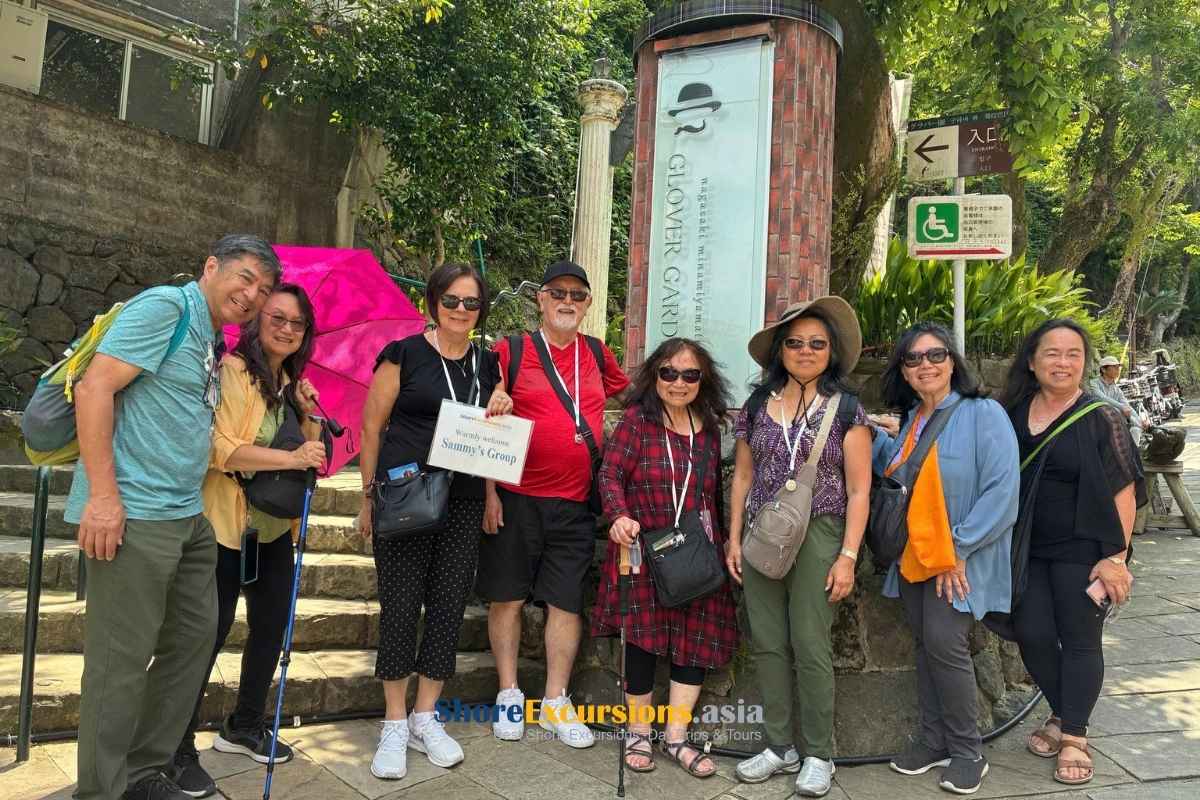
Unlike many historical attractions that focus solely on architecture, Glover Garden tells a much broader story. It illustrates how Nagasaki became Japan's gateway to the world and how international exchange influenced the country's industrial development during the Meiji period.
There are several factors that make the Glover Garden in Nagasaki one of the most visited landmarks in the city:
- The first is the Former Glover House, recognized as the oldest surviving wooden Western-style residence in Japan.
- The second is its connection to Thomas Blake Glover, a Scottish merchant who played an important role during Japan's modernization.
- The third is its inclusion in the UNESCO World Heritage listing related to Japan's industrial revolution.
- Finally, few places in Nagasaki combine historical significance with such spectacular views of the port.
Suggested Nagasaki Shore Tours with Glover Garden

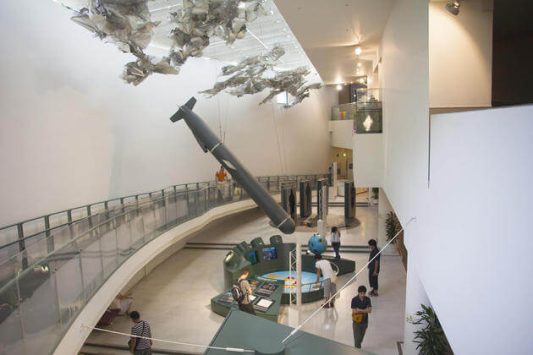
Nagasaki Shore Excursions
Cruise Ships: Diamond Princess, Celebrity Millennium, NCL Jade, Spectrum of the Seas, Azamara Pursuit
Back-to-Ship Guarantee: Return to Your Ship 90-120 Minutes Before Departure


Nagasaki Shore Excursions
Cruise Ships:Celebrity Millennium
Back-to-Ship Guarantee: Return to Your Ship 90-120 Minutes Before Departure
The Story Behind Glover Garden
Behind its elegant Western-style houses and sweeping harbor views lies a fascinating story of foreign merchants, Japan’s opening to the world, and the city’s role in the country’s modernization. To understand why this landmark matters so much today, it helps to look back at the people and events that shaped it.
Who Was Thomas Glover?

Thomas Blake Glover, who was a Scottish merchant, arrived in Nagasaki in 1859 during a period of dramatic change in Japanese history. As Japan gradually opened its ports to foreign trade, Nagasaki became one of the country's most important international gateways. Glover established himself as a successful merchant and became involved in shipbuilding, mining, tea exports, and industrial projects.
His influence extended far beyond business. Historians widely recognize his contribution to introducing Western technology and modern industrial practices to Japan during the final years of the Tokugawa shogunate and the early Meiji era.
The Creation of Glover Garden
The historic Glover residence still stands proudly on its original hillside, overlooking the scenic Nagasaki Harbor. As a wave of preservation swept through the city to save its foreign settlement heritage, several other historic homes were carefully relocated to the area and meticulously restored to their former glory.
This collective effort culminated in the grand opening of Glover Garden in 1974. Today, it offers visitors a unique journey back in time, allowing them to explore prime examples of 19th-century Western architecture all in one picturesque location. The site now seamlessly serves as both an open-air museum and a vibrant historical district.
Top Things to See at Glover Garden
The following highlights will help you make the most of your visit and ensure you do not miss the most memorable parts of the garden.
Former Glover House
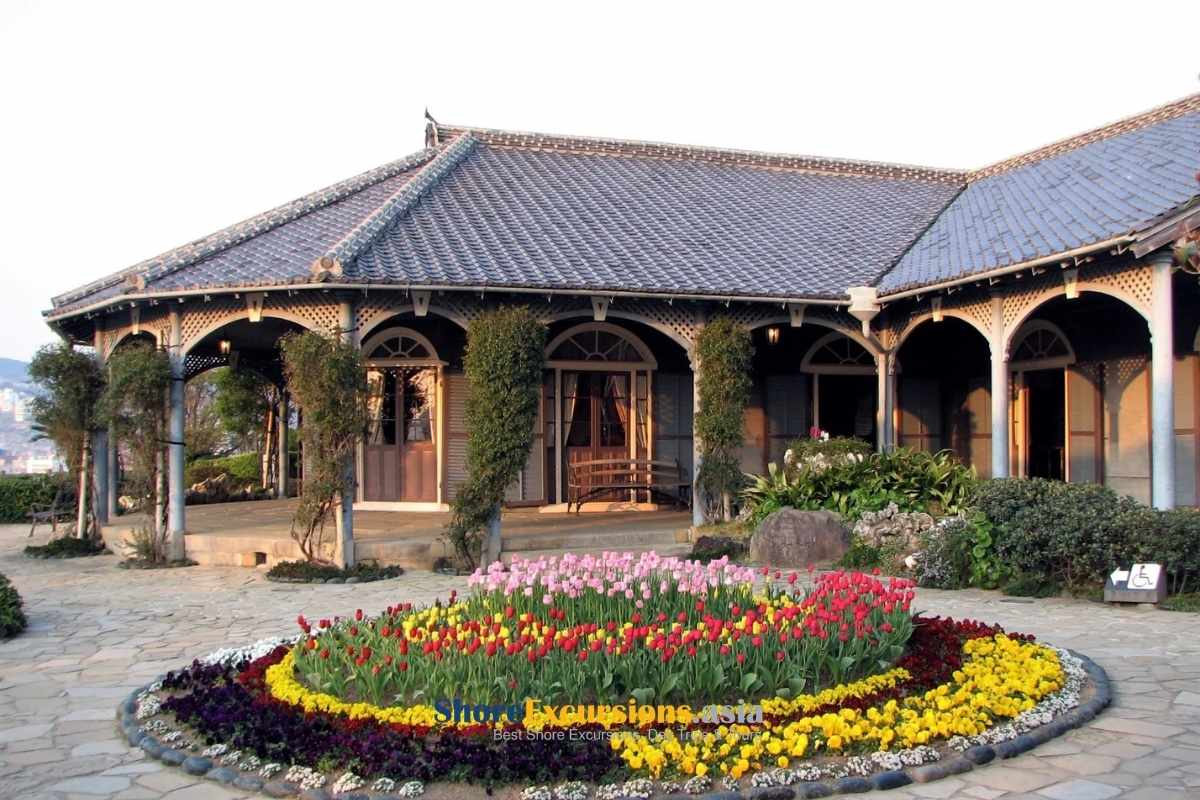
This is the highlight of the entire complex and the main reason many travelers visit. Built in 1863, the residence combines Western architectural elements with Japanese construction techniques. Wide verandas surround the building, creating excellent viewpoints across the harbor below.
One detail many visitors remember is how naturally the house blends into the hillside landscape rather than dominating it. The rear terrace offers one of the best photo opportunities in Nagasaki. If your visit coincides with the arrival or departure of a cruise ship, the view becomes even more impressive.
Former Ringer House
The Former Ringer House belonged to Frederick Ringer, another influential foreign merchant in Nagasaki. Compared with the Glover residence, this building feels larger and more formal. Inside, exhibitions introduce daily life within the foreign settlement community during the late nineteenth century. The displays provide useful context and help visitors understand how international residents adapted to life in Japan during this period.
Former Alt House
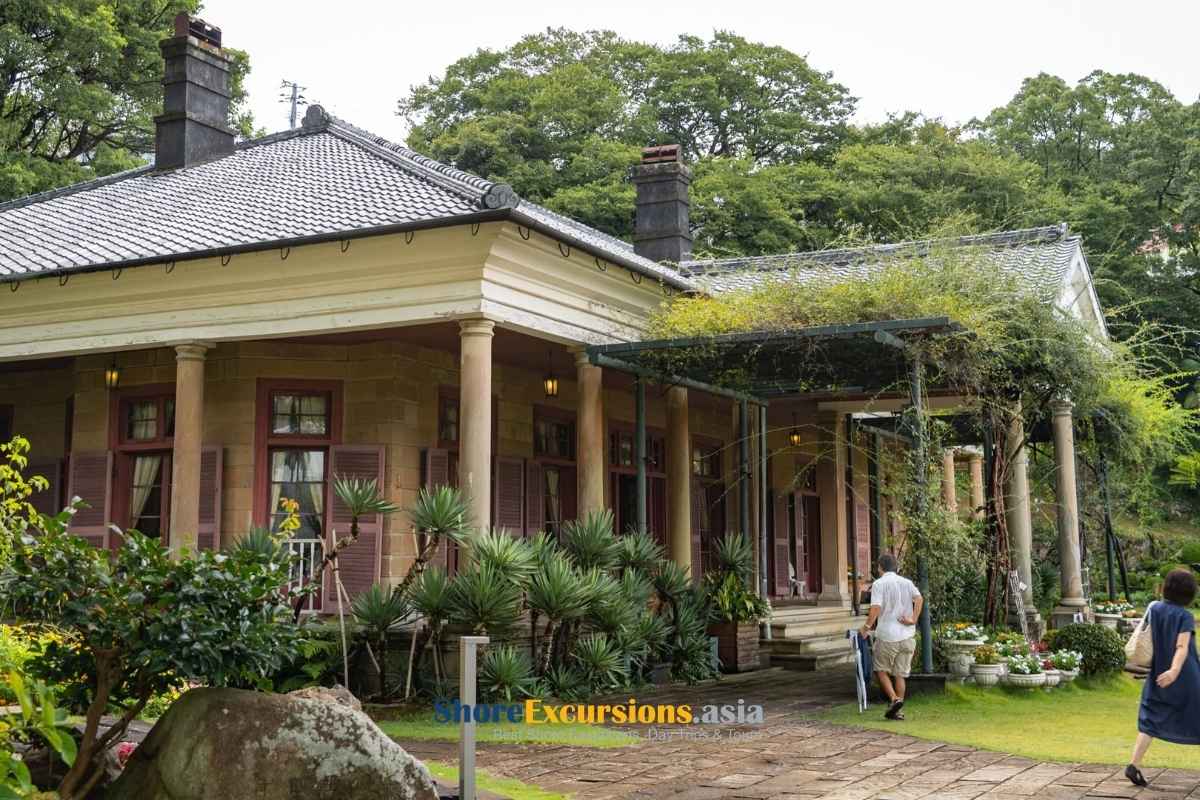
The Former Alt House receives fewer visitors than the Glover residence but is equally interesting for architecture enthusiasts. Its elegant design and spacious rooms offer another perspective on the lifestyles of Western merchants living in Nagasaki during the Meiji era. Because visitor traffic tends to be lighter here, it is also one of the quieter corners of the garden.
The Harbor Observation Points
Many travelers consider the panoramic views to be the real highlight of the visit. The elevated location offers uninterrupted views across Nagasaki Port, the shipyards, and the surrounding mountains.
Morning visits usually provide clearer visibility, while late afternoon brings softer lighting for photography. On sunny days, the contrast between the blue harbor and the green hills creates some of the city's most memorable scenery.
Seasonal Flowers and Gardens
The landscaped grounds of Glover Garden in Nagasaki change throughout the year. Spring visitors can enjoy cherry blossoms and colorful flower displays, while autumn brings warm seasonal colors to the hillside.
Even during winter, the garden remains attractive thanks to its evergreen landscaping and harbor backdrop. Because of Nagasaki's mild climate, there is rarely a bad season to visit.
The Famous Heart Stones
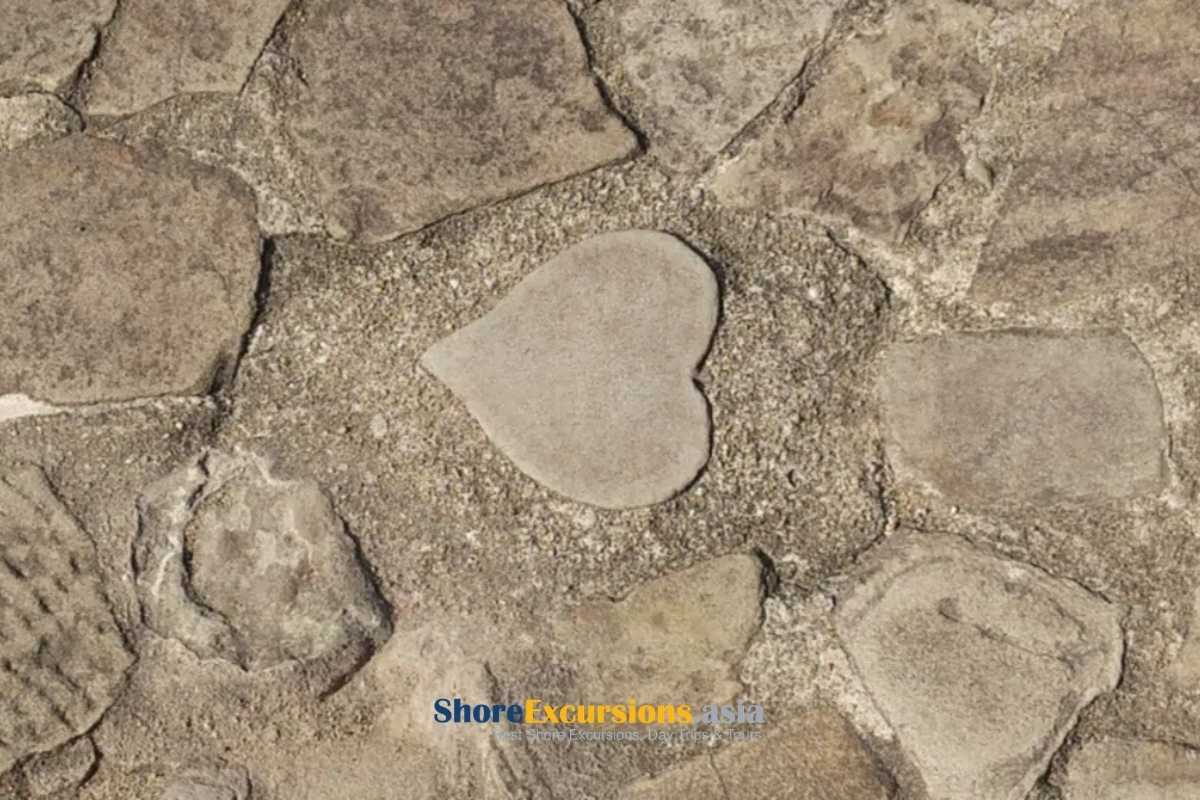
One of the site's most popular traditions involves searching for heart-shaped stones hidden throughout the garden. Finding all of them has become a fun activity for couples, families, and children. Many visitors spend almost as much time searching for the stones as they do exploring the historical buildings.
The Madame Butterfly Connection
Opera fans may notice references to Madame Butterfly during their visit to Glover Garden. Although historians continue to debate the historical inspiration behind the famous opera, local tradition often associates elements of the story with Thomas Glover and the foreign community that once lived in Nagasaki. The connection adds another fascinating layer to the site's history.
Glover Garden Tickets and Opening Hours
Admission fees and operating hours occasionally change, so checking the official website before your visit is always recommended. As a general guideline, visitors can expect:
| Visitor Type | Approximate Admission Fee |
|---|---|
| Adults | Around ¥620 |
| High School Students | Discounted rate |
| Elementary and Junior High Students | Reduced admission |
| Preschool Children | Free |
How to Get to Glover Garden?
Getting to Glover Garden is straightforward, especially if you are already exploring central Nagasaki. Cruise passengers will also find it easy to include in a short port visit, since the route from the terminal is simple and well connected.
- From Nagasaki Station: Board Line 5 and get off at Oura Cathedral Station. From there, the entrance is approximately five minutes away on foot.
- From the Cruise Terminal: Depending on your ship's berth location, the journey may take between ten and fifteen minutes by taxi. Some smaller ships dock close enough for independent travelers to combine the visit with nearby attractions on foot.
Attractions Near Glover Garden in Nagasaki
One advantage of visiting this famous garden is that several of Nagasaki's most important landmarks are located nearby.
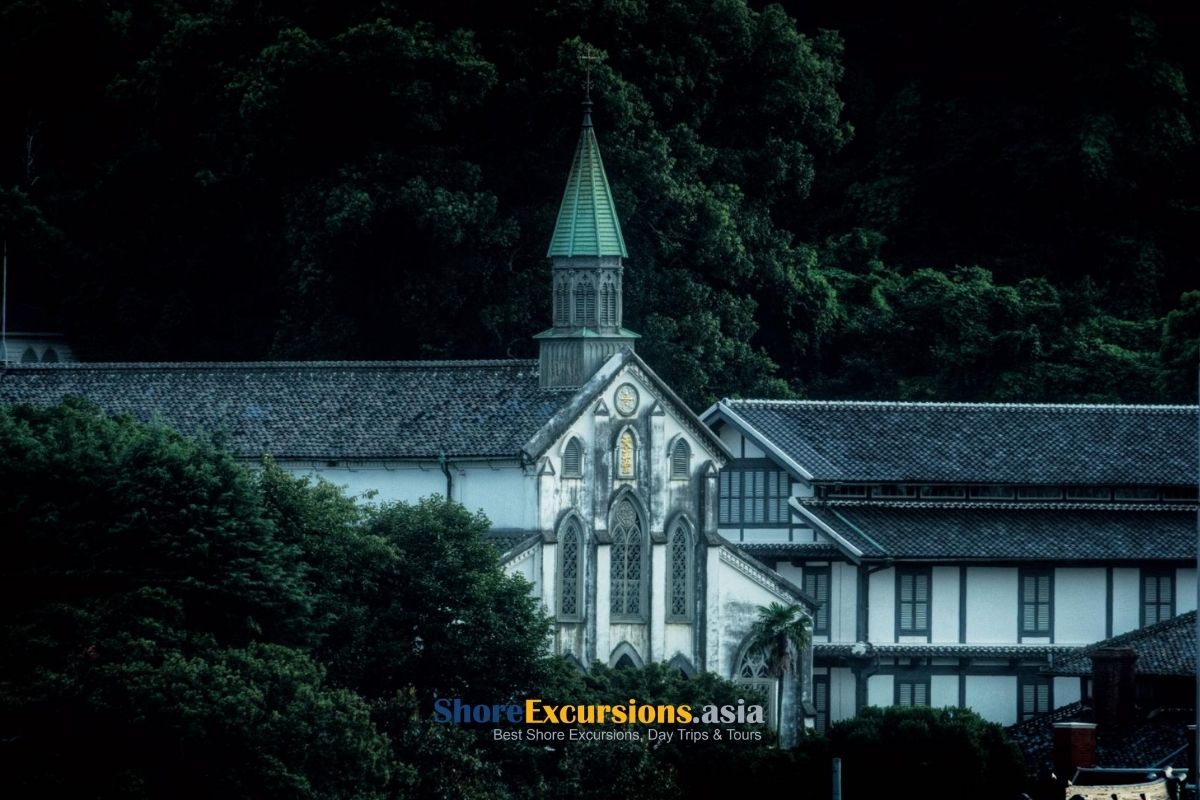
Oura Cathedral
Japan's oldest surviving Christian church sits only a short walk from the garden entrance. Its historical significance makes it one of the city's essential cultural attractions.
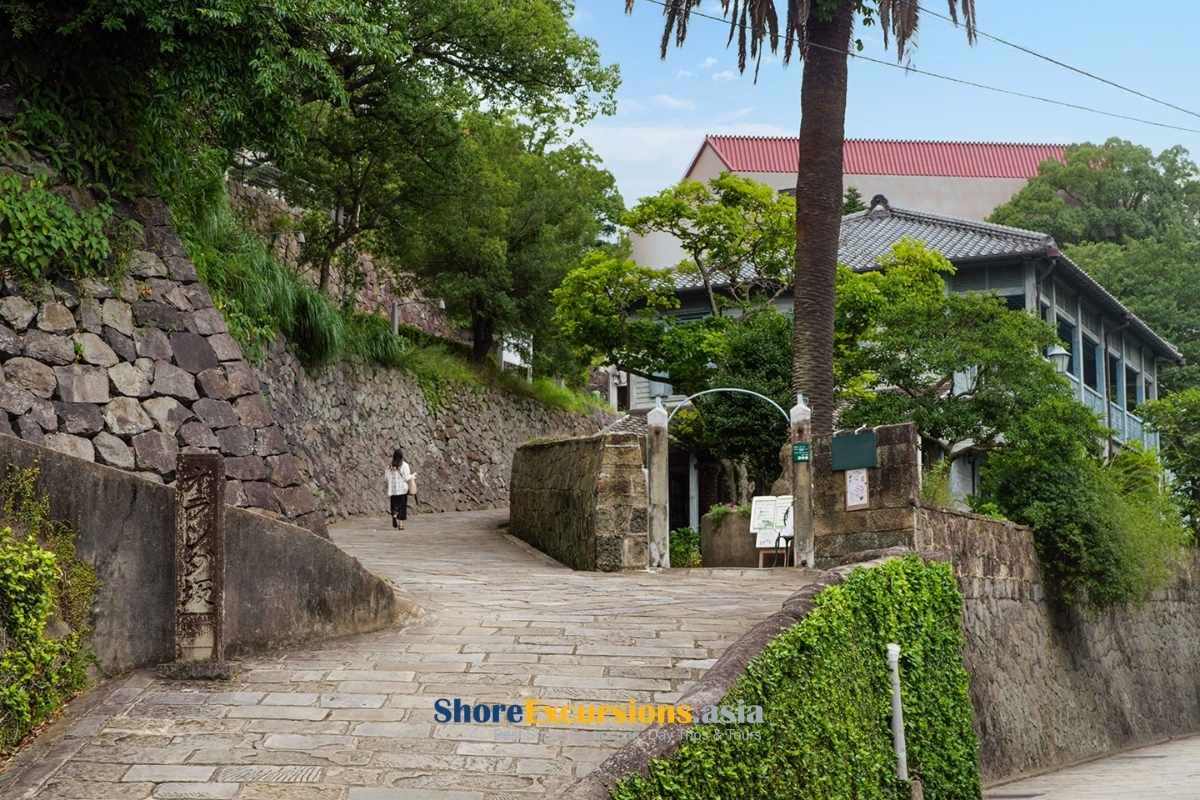
Dutch Slope
The charming streets of Dutch Slope preserve the atmosphere of Nagasaki's international settlement era. Walking through the neighborhood offers a glimpse into the city's multicultural past.
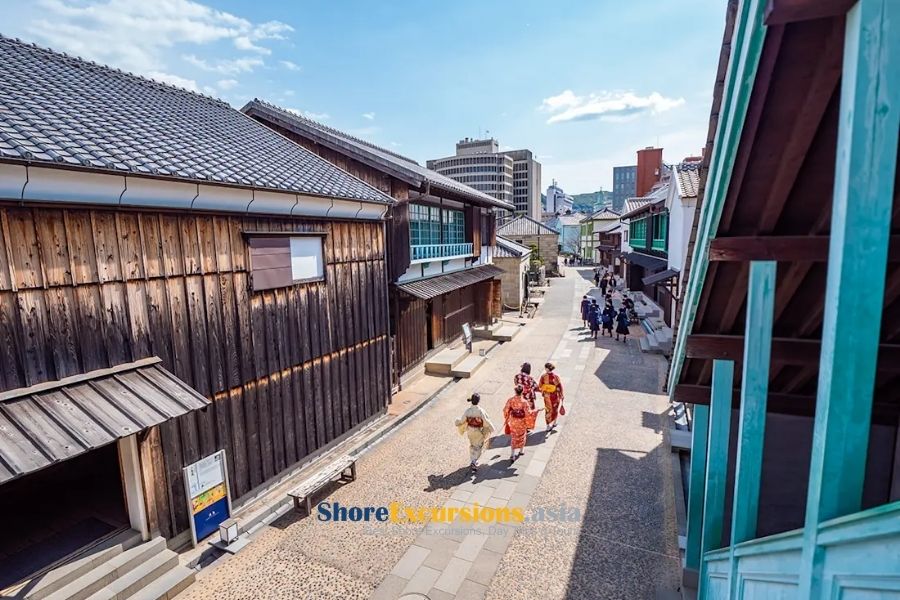
Dejima
Once the only place where foreign trade was permitted during Japan's period of isolation, Dejima remains one of the country's most important historical sites.
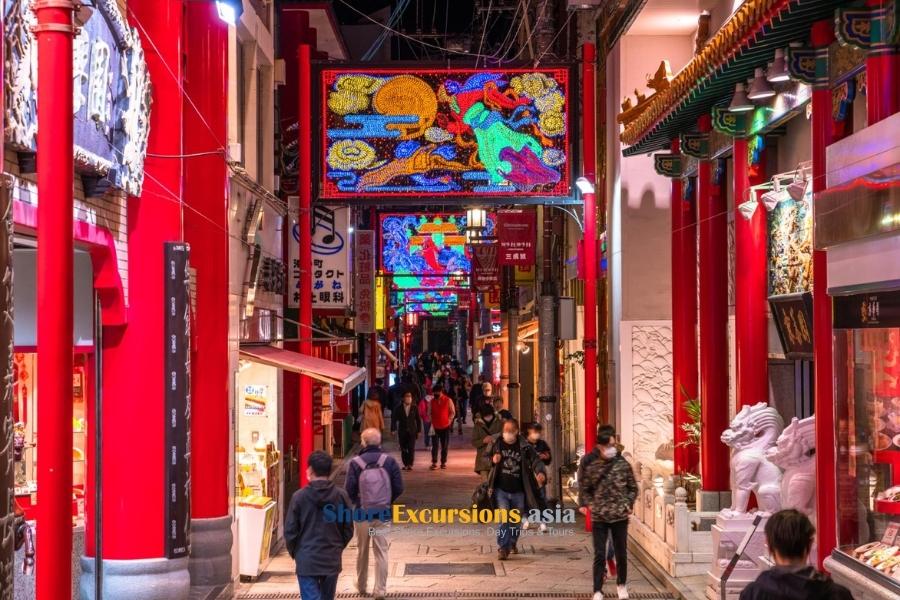
Nagasaki Chinatown
After a morning of sightseeing, Chinatown is an excellent place to stop for lunch. The district is particularly famous for champon noodles and local Chinese-inspired cuisine.
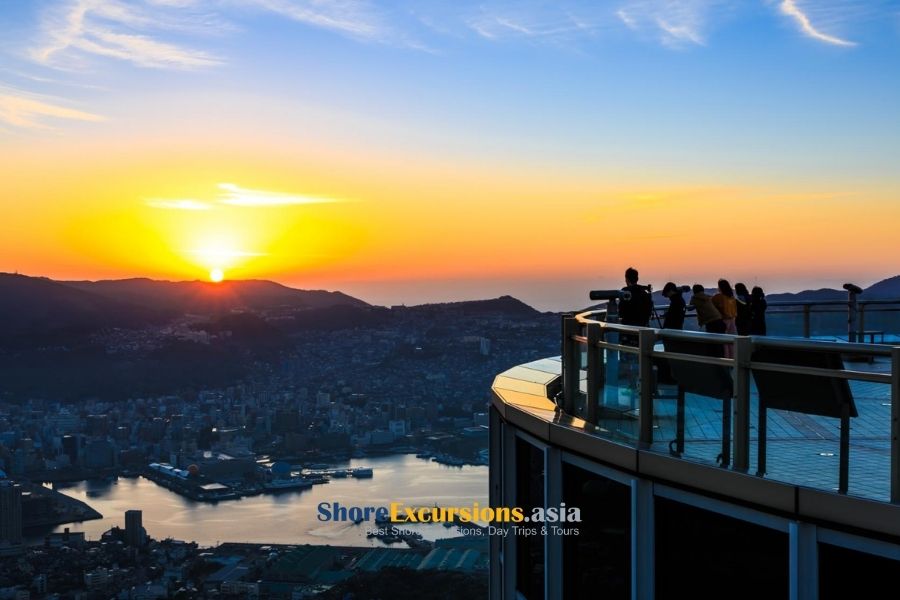
Mount Inasa
Visitors staying overnight should consider ending the day at Mount Inasa. The nighttime panorama is frequently ranked among Japan's finest city views.
Is Glover Garden Worth Visiting?
For first-time visitors to Nagasaki, the answer is almost always yes. The attraction combines history, architecture, culture, and scenery in a way that few destinations in Japan can match. Even travelers with limited interest in historical museums often enjoy the visit because of the beautiful setting and harbor views.
The only drawback is the hillside terrain, which includes slopes and stairs that may require additional time for visitors with mobility concerns. Overall, Glover Garden remains one of the most rewarding attractions in Nagasaki and deserves a place on nearly every itinerary.
Frequently Asked Questions about Glover Garden in Nagasaki
How Much Time Should You Spend at Glover Garden?
Most visitors spend between 90 minutes and two hours exploring the grounds. If you plan to read every exhibition panel and visit each historical residence, two and a half hours is more realistic.
Is Glover Garden part of a UNESCO World Heritage Site?
The Former Glover House forms part of the UNESCO listing connected to Japan's Meiji Industrial Revolution.
Is the garden suitable for children?
Yes. Families often enjoy searching for the hidden heart stones throughout the grounds.
Is Glover Garden accessible for wheelchair users?
The site includes escalators and accessible routes, although some areas still involve slopes due to the hillside location.
Can cruise passengers visit independently?
Absolutely. The attraction is one of the easiest historical sites in Nagasaki to visit without joining a tour.
In conclusion, Glover Garden in Nagasaki offers a side of Japan that many travelers never expect to encounter. The combination of Western architecture, maritime history, and panoramic scenery makes it feel very different from the country's more traditional destinations.

 Send Inquiry