
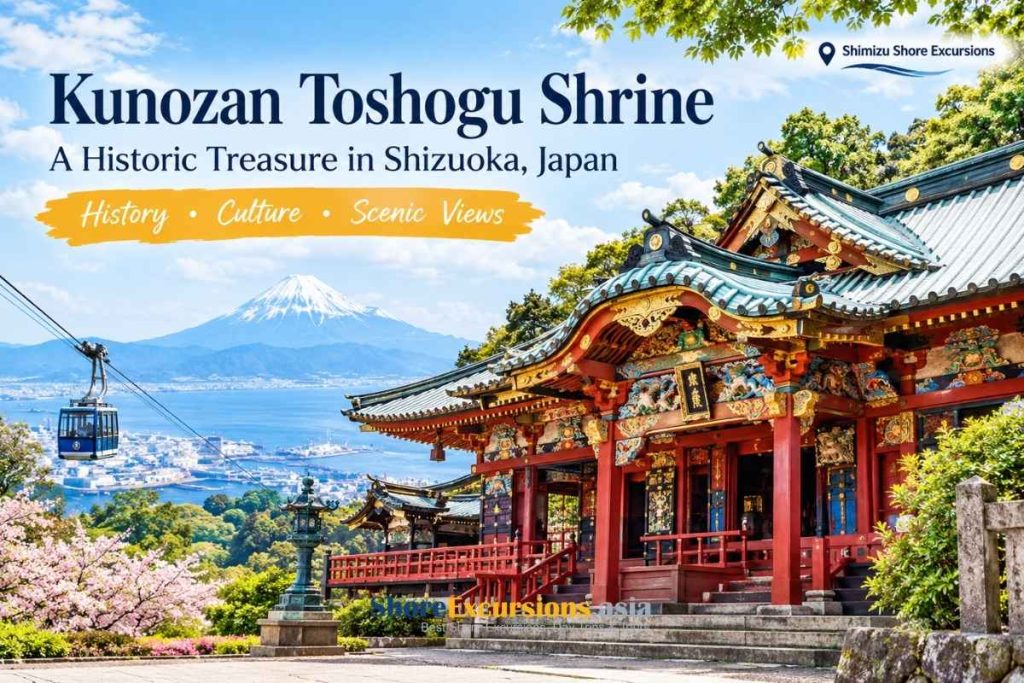
Perched on the forested slopes of Mount Kuno in Shizuoka, Kunozan Toshogu Shrine is one of Japan's most historically significant Shinto shrines. Dedicated to Tokugawa Ieyasu, the founder of the Tokugawa shogunate, this sacred site combines centuries of samurai history with remarkable architecture and peaceful mountain scenery.
Visitors can admire beautifully decorated shrine buildings, explore the legacy of one of Japan's most influential historical figures, and enjoy a scenic ropeway journey from Nihondaira. For travelers arriving at Shimizu Port, Kunozan Toshogu Shrine is also an excellent cultural destination to include in a Shimizu shore excursion.
This guide from Japan Shore Excursions covers its history, main attractions, transportation options, entrance fees, and practical tips to help you plan your visit.
Kunozan Toshogu Shrine at a Glance
Before exploring the shrine, here are some essential details to help you plan your visit.
- Location: Shizuoka City, Shizuoka Prefecture, Japan
- Religious affiliation: Shinto
- Dedicated to Tokugawa Ieyasu
- Established: 1617
- Main highlight: National Treasure shrine buildings
- Opening hours: 9:00 AM - 5:00 PM
- Shrine admission: ¥700 per adult
- Recommended visit: 1 - 1.5 hours at the shrine
- Access: Nihondaira Ropeway or 1,159 stone steps
- Best for: History lovers, cultural travelers, and cruise passengers
The shrine is situated on Mount Kuno, overlooking the coastal landscape of Suruga Bay. Its elevated location creates a distinctive atmosphere, combining traditional Japanese architecture with surrounding forests and mountain scenery.
The History and Cultural Significance of Kunozan Toshogu Shrine
The Connection Between Kunozan Toshogu and Tokugawa Ieyasu
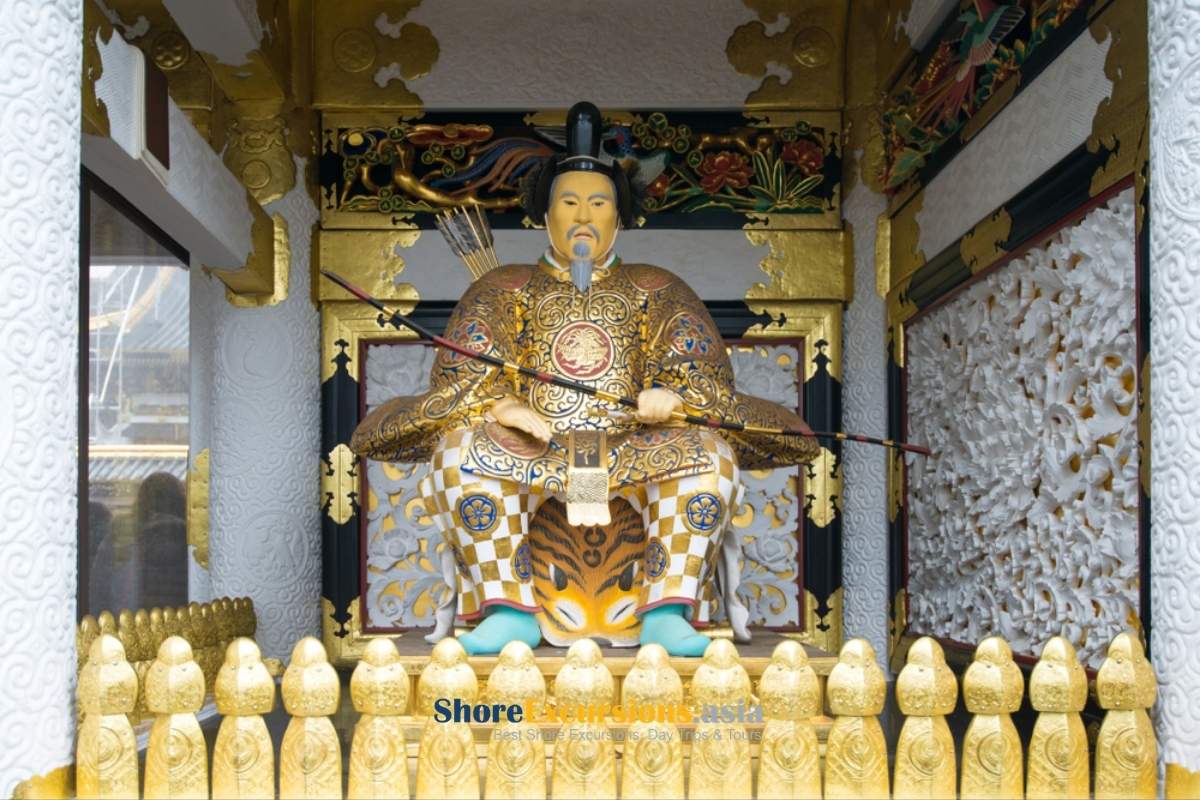
The history of Kunozan Toshogu Shrine is closely connected to Tokugawa Ieyasu (1543 - 1616), one of the most influential figures in Japanese history. After emerging victorious from decades of political and military conflict, Ieyasu established the Tokugawa shogunate in 1603. His government introduced a period of relative peace and political stability that continued throughout much of the Edo period, lasting until 1868.
Shizuoka, historically known as Sunpu, played an important role in Ieyasu's life. He spent part of his childhood in the region and later returned to Sunpu Castle during his retirement, although he continued to exercise considerable political influence.
Following his death in 1616, Ieyasu was initially buried on Mount Kuno according to his wishes. The site subsequently became a place of worship dedicated to his deified spirit. Although Nikko Toshogu Shrine is internationally better known, Kunozan Toshogu holds particular historical importance as the location of Ieyasu's original burial.
The Founding of the Shrine and Its National Treasure Status
Construction of Kunozan Toshogu Shrine was ordered by Tokugawa Hidetada, Ieyasu's son and the second Tokugawa shogun. The principal shrine buildings were completed in 1617. The complex is an outstanding example of early Edo-period craftsmanship. Its architecture incorporates the elaborate Gongen-zukuri style, which connects the main sanctuary and worship hall through an intermediate structure.
Richly colored surfaces, intricate wooden carvings, and decorative details reflect the artistic achievements and political authority of the early Tokugawa era. In 2010, the shrine's principal buildings received National Treasure designation, recognizing their exceptional historical and architectural significance.
Today, Kunozan Toshogu remains both an active religious site and an important cultural landmark, attracting visitors interested in Japanese history, architecture, and traditional spirituality.
Best Things to See at Kunozan Toshogu Shrine
Although the shrine complex is relatively compact, it contains several remarkable attractions. Visitors should allow enough time to appreciate the architectural details and historical atmosphere rather than rushing through the grounds.
Admire the Colorful Main Shrine Buildings
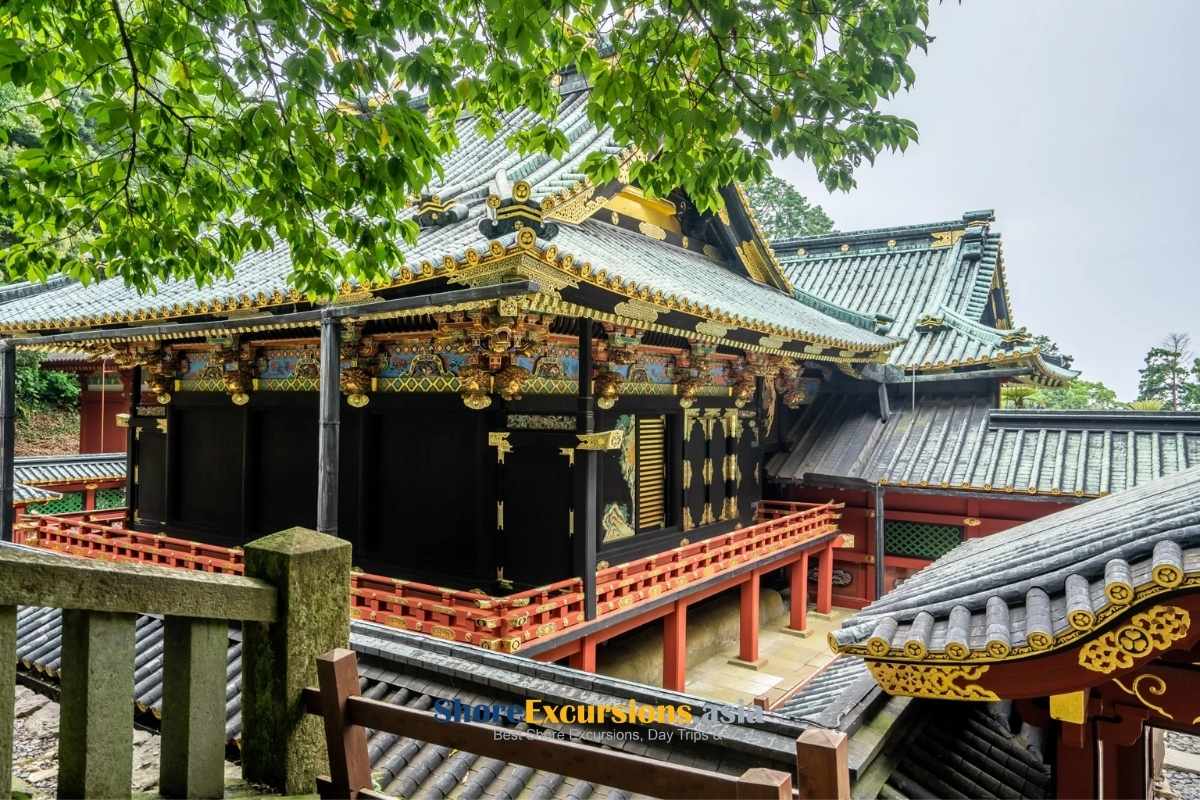
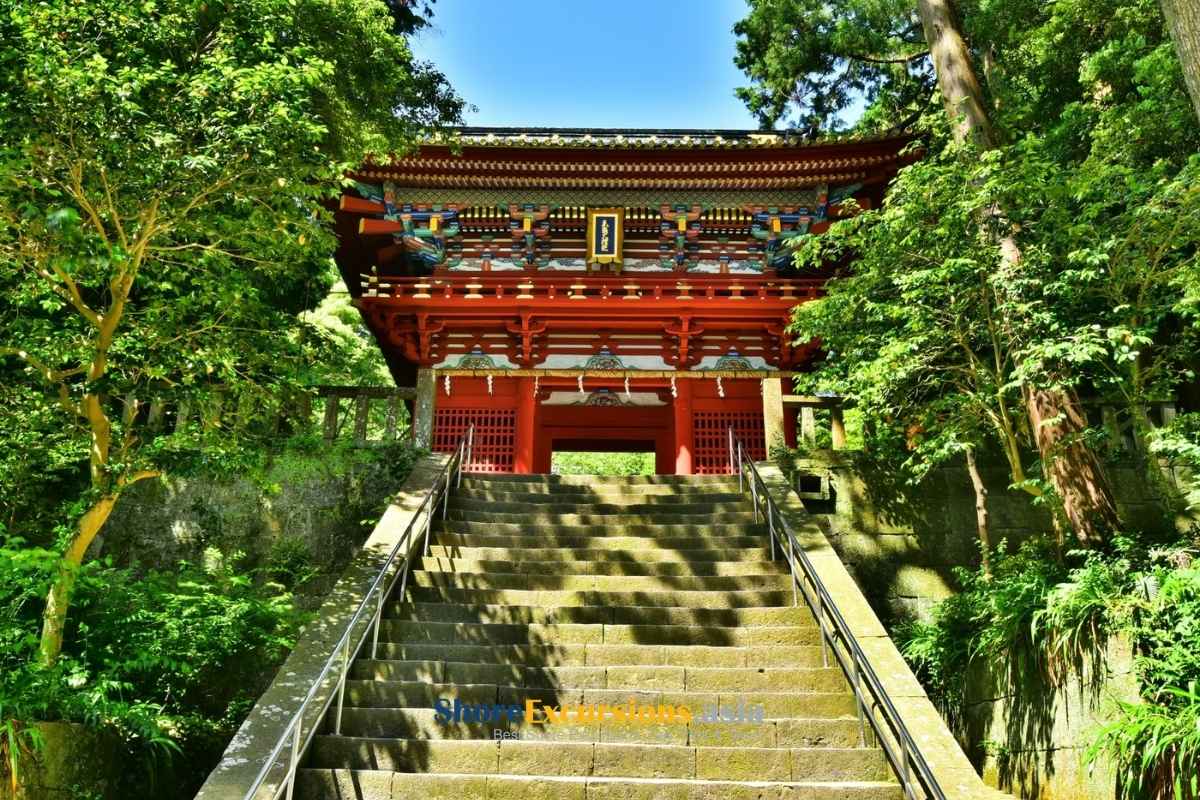
Unlike the restrained appearance of some Japanese shrines, Kunozan Toshogu features an elaborate combination of red, black, gold, and other vibrant colors. Decorative carvings cover wooden beams, pillars, and architectural panels, creating an impressive display of traditional craftsmanship.
The principal buildings follow the Gongen-zukuri architectural style, with interconnected spaces designed for worship and religious ceremonies. Look closely at the carved animals, floral patterns, and ornamental details. Many reflect symbolic ideas associated with prosperity, protection, and religious devotion. The contrast between these richly decorated structures and the surrounding greenery makes the shrine particularly photogenic.
Visit the Sacred Tomb of Tokugawa Ieyasu
Behind the main shrine complex lies the sacred tomb associated with Tokugawa Ieyasu. This area is among the most historically meaningful parts of Kunozan Toshogu. It commemorates the place where Ieyasu was originally laid to rest after his death in 1616.
The approach to the tomb passes through a quieter section of the shrine grounds, surrounded by trees and traditional stone structures. Visitors should approach respectfully, as the site continues to hold religious significance. For those interested in Japan's samurai heritage, standing near Ieyasu's tomb provides a memorable connection to the historical figure whose government shaped the country for more than two centuries.
Explore the Kunozan Toshogu Museum
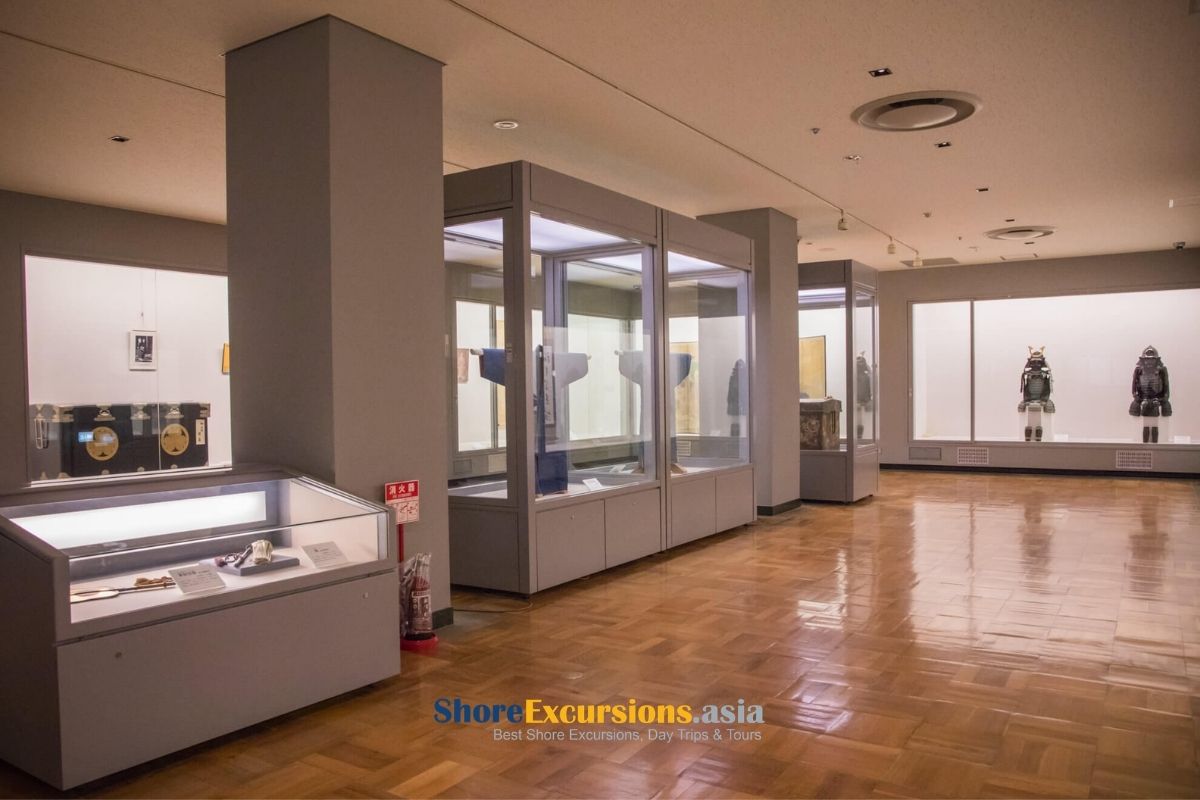
The Kunozan Toshogu Museum offers an opportunity to explore the history of Tokugawa Ieyasu and his family in greater depth. Its collection includes historical objects associated with the Tokugawa clan, such as armor, swords, personal belongings, and documentary materials. These artifacts provide insight into the political, military, and cultural world of Japan's early Edo period.
The museum is particularly worthwhile for visitors who want to understand the historical context behind the shrine's architecture and religious importance. Admission to the museum is separate from the shrine entrance fee, although combination tickets are available.
Discover the Shrine Gates and Traditional Stone Stairway
Another distinctive feature of Kunozan Toshogu is its traditional mountain approach. The historic route consists of 1,159 stone steps ascending from the foot of Mount Kuno toward the shrine. Along the way, visitors encounter traditional stone structures and occasional views across the coastal landscape.
Within the shrine grounds, the impressive Roumon Gate introduces visitors to the elaborate architectural style found throughout the complex. The gate's decorative elements and traditional proportions make it an excellent place to appreciate the craftsmanship of the Edo period.
Enjoy the Mountain Scenery and Peaceful Atmosphere
Beyond its historical significance, Kunozan Toshogu offers a refreshing escape into nature. Tall trees, forested slopes, and carefully maintained pathways create a peaceful environment around the colorful shrine buildings.
Depending on the season, visitors may encounter fresh spring greenery, lush summer vegetation, or changing autumn foliage. The combination of architecture, history, and natural surroundings makes the shrine appealing even to travelers who are not particularly interested in religious sites.
How to Get to Kunozan Toshogu Shrine
Kunozan Toshogu Shrine cannot be reached directly by car. Visitors must either take the Nihondaira Ropeway or climb the traditional stone stairway from the base of Mount Kuno.
By Nihondaira Ropeway - The Most Scenic Route
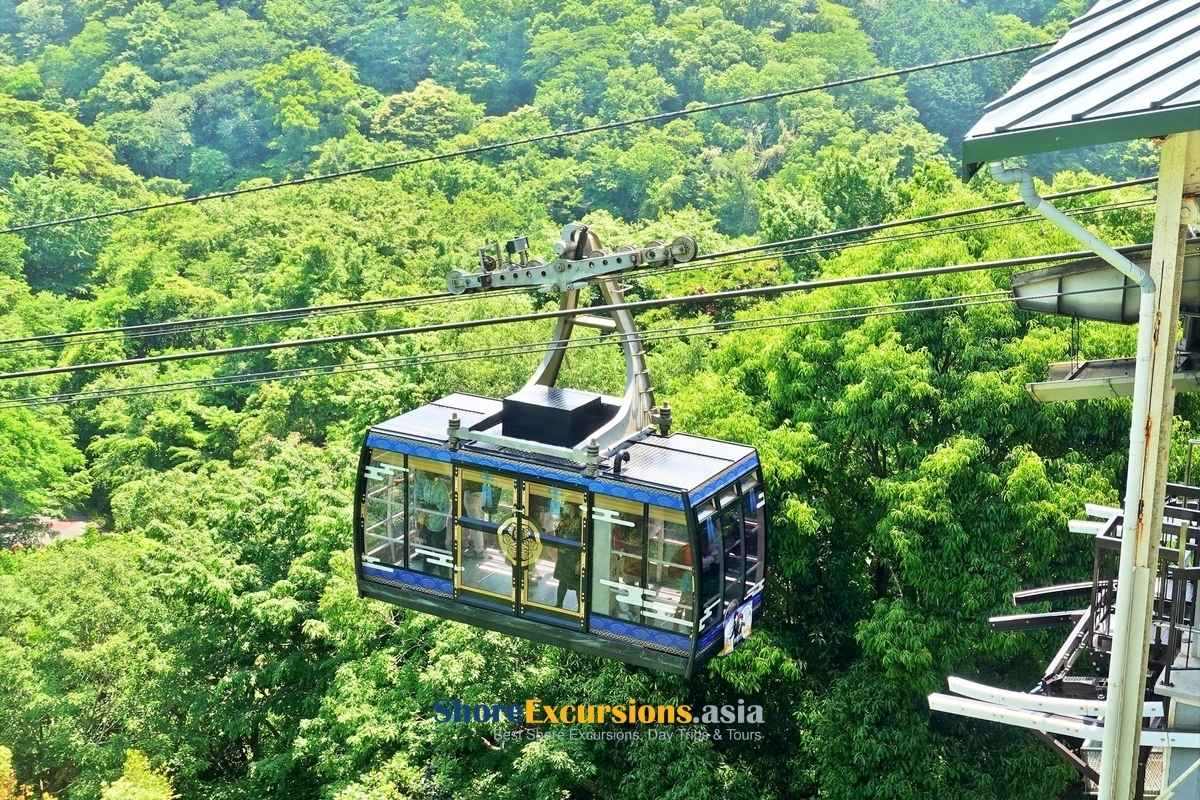
The Nihondaira Ropeway is the most convenient option for most international travelers. The ropeway connects Nihondaira Plateau with the area near Kunozan Toshogu Shrine. The journey takes approximately five minutes each way and offers views over the surrounding hills and forested valleys.
Nihondaira is also a popular sightseeing destination, known for panoramic views of Mount Fuji and Suruga Bay when weather conditions are favorable. After arriving at the lower ropeway station, visitors continue on foot to the shrine buildings. Some stairs remain along the route, so the ropeway does not provide completely step-free access.
By Climbing the 1,159 Stone Steps
For active travelers, the traditional stone stairway provides a more adventurous approach. The climb begins near the foot of Mount Kuno and follows a steep route through the hillside.
Although the official guidance suggests approximately 20 minutes for the ascent, visitors who prefer a relaxed pace may need considerably longer. The route rewards walkers with views toward Suruga Bay and an appreciation of the shrine's historic mountain setting.
Visiting Kunozan Toshogu Shrine from Shimizu Port
Kunozan Toshogu Shrine is a rewarding destination for cruise passengers arriving at Shimizu Port, one of the major cruise gateways to Shizuoka Prefecture. The most practical route for many cruise visitors is:
- Shimizu Port → Nihondaira Plateau → Nihondaira Ropeway → Kunozan Toshogu Shrine
Driving from the cruise port area to Nihondaira generally takes approximately 20 - 35 minutes, depending on the departure point and traffic conditions. From Nihondaira, visitors take the five-minute ropeway journey before walking to the shrine.
Allow additional time for ropeway queues, sightseeing, and the return journey. The total excursion time will be considerably longer than the driving time alone.
Is Kunozan Toshogu Shrine Suitable for a Shore Excursion?
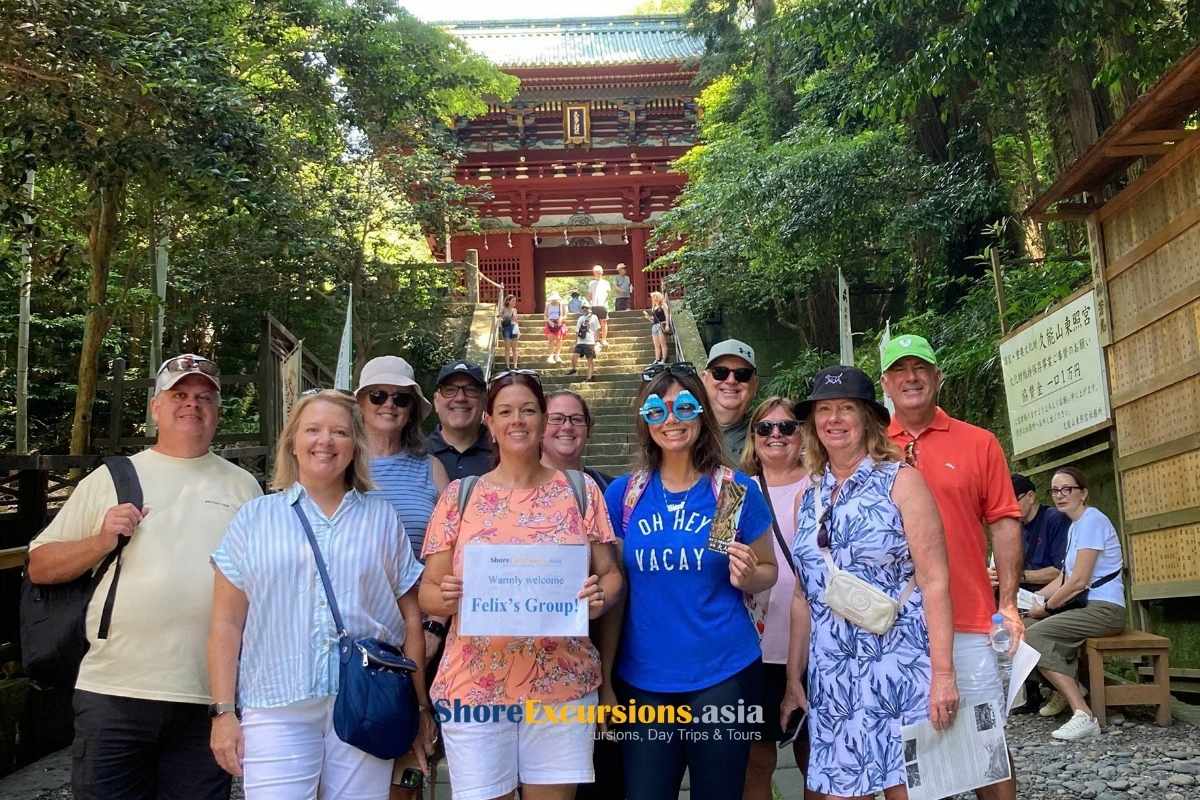
Yes. Kunozan Toshogu Shrine is particularly suitable for a half-day cultural excursion from Shimizu Port. Visitors can combine the shrine with Nihondaira Yume Terrace, where panoramic observation areas offer opportunities to admire Mount Fuji and Suruga Bay.
Travelers with longer port calls may also consider visiting other attractions around Shizuoka. Independent travel is possible, but cruise passengers with limited time may prefer organized transportation to simplify connections and reduce uncertainty.
Kunozan Toshogu Shrine Opening Hours and Entrance Fees
Kunozan Toshogu Shrine generally welcomes visitors throughout the year.
Entrance fee:
| Ticket Type | Adults | Children |
|---|---|---|
| Shrine admission | ¥700 | ¥300 |
| Museum admission | ¥600 | ¥300 |
| Shrine + Museum | ¥1,200 | ¥500 |
| One-Way Ticket | ¥600 | ¥300 |
| Round-Way Ticket | ¥1,100 | ¥550 |
Opening hours: 9:00 AM - 5:00 PM
Last shrine admission: 4:50 PM
Best Time to Visit Kunozan Toshogu Shrine
Kunozan Toshogu Shrine can be visited throughout the year, with each season offering a different atmosphere:
- Spring (March - May): Comfortable temperatures and fresh greenery make spring an excellent season for exploring the shrine. Cherry blossoms may add seasonal color at suitable locations.
- Summer (June - August): The surrounding forests become especially lush, although heat, humidity, and rainfall can make climbing the stone steps more demanding.
- Autumn (September - November): Cooler conditions later in the season make walking more pleasant, while changing foliage adds color to the mountain scenery.
- Winter (December - February): Cooler, often clearer weather can provide favorable conditions for viewing Mount Fuji from Nihondaira, although visibility is never guaranteed.
For most visitors, the morning is a convenient time to explore the shrine, particularly when combining it with other attractions or returning to a cruise ship.
Practical Tips for Visiting Kunozan Toshogu Shrine
A little preparation can make your visit more comfortable and enjoyable.
- Wear comfortable walking shoes. Even visitors arriving by ropeway must navigate stairs and uneven surfaces.
- Allow sufficient time. Plan approximately 1–1.5 hours at the shrine, with additional time for the museum and transportation.
- Check ropeway operations. Services may be affected by maintenance or unfavorable weather.
- Respect shrine etiquette. Follow posted instructions, remain quiet in sacred areas, and observe photography restrictions.
- Bring drinking water. This is especially important during summer or when climbing the traditional stairway.
- Consider mobility requirements. The shrine's hillside location and numerous steps may make access difficult for travelers with limited mobility.
- Plan your return carefully. Cruise passengers should leave enough time to reach Shimizu Port before their ship's boarding deadline.
Nearby Attractions to Combine with Kunozan Toshogu Shrine
If your itinerary allows, several nearby attractions can complement a visit to Kunozan Toshogu.
Nihondaira Yume Terrace
Located on Nihondaira Plateau, Nihondaira Yume Terrace is one of Shizuoka's most popular observation spots. Its elevated viewing areas offer sweeping panoramas of Suruga Bay, Shizuoka City, and Mount Fuji on clear days. Because the terrace is close to the ropeway station, it is a natural addition to a Kunozan Toshogu visit.
Miho no Matsubara
Miho no Matsubara is a scenic coastal area famous for its pine grove, shoreline, and iconic views of Mount Fuji. The landscape is associated with traditional Japanese art and the cultural significance of Mount Fuji. It is an attractive option for travelers who want to combine cultural sightseeing with coastal scenery.
Sumpu Castle Park
For visitors interested in Tokugawa history, Sumpu Castle Park provides another meaningful stop. The park occupies the former site of Sunpu Castle, where Tokugawa Ieyasu spent his later years. Its reconstructed historical features and landscaped grounds help visitors understand Shizuoka's role in Japan's early modern history.
Kunozan Toshogu Shrine offers a fascinating combination of Japanese history, elaborate architecture, and peaceful mountain scenery. From its connection to Tokugawa Ieyasu to its beautifully decorated National Treasure buildings, the shrine provides a meaningful glimpse into Japan's samurai heritage.

 Send Inquiry