
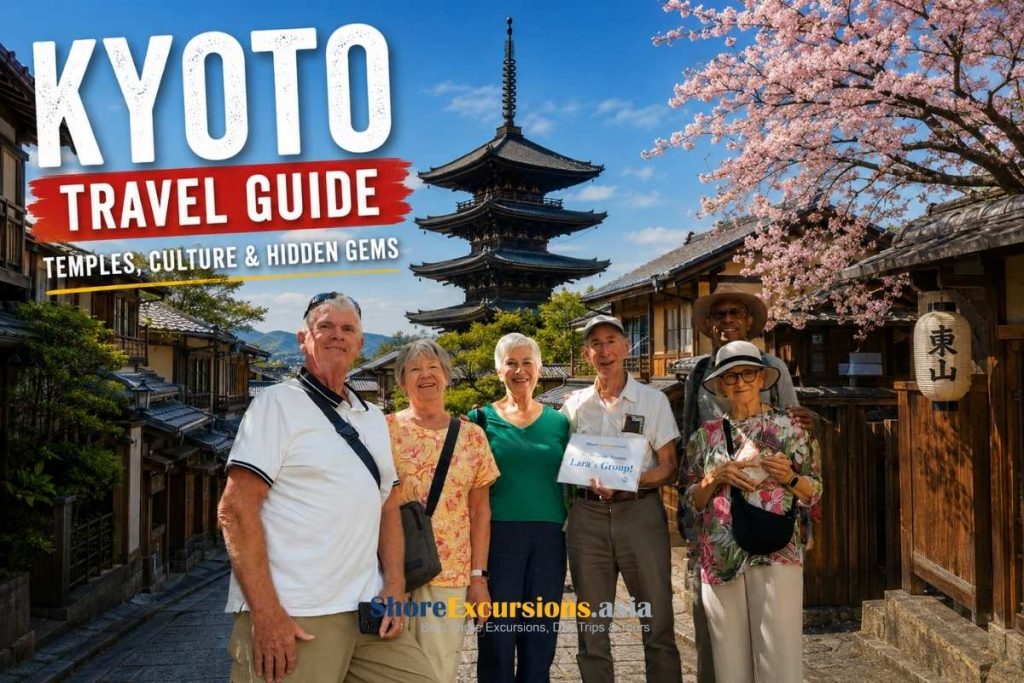
Kyoto is often the destination travelers imagine when they think of traditional Japan. Ancient temples stand quietly beneath maple trees, narrow stone lanes wind through preserved historic districts, and centuries-old customs remain part of daily life. As Japan's imperial capital for more than a thousand years, Kyoto offers a cultural depth that few cities in the world can match. This comprehensive Kyoto travel guide from Japan Shore Excursions covers everything first-time visitors need to know, and practical advice for planning a memorable trip.
Quick Facts About Kyoto - Japan's Ancient Capital
| Information | Details |
|---|---|
| Location | Kansai Region, Japan |
| Population | Approximately 1.4 million |
| Language | Japanese |
| Currency | Japanese Yen (JPY) |
| Time Zone | Japan Standard Time (JST) |
| Nearest Airport | Kansai International Airport (KIX) |
| Recommended Stay | 3 - 5 Days |
Is Kyoto worth visiting?
Many travelers visit Tokyo for its modern energy and Osaka for its food culture, but Kyoto remains the place where visitors can experience Japan's historical identity most clearly. Walking through Kyoto often feels like stepping into another era, particularly in districts where wooden townhouses, traditional tea houses, and centuries-old temples continue to shape the urban landscape.
Founded in 794 as Heian-kyo, Kyoto served as Japan's capital until 1868. The city is home to more than 1,600 Buddhist temples and over 400 Shinto shrines. Seventeen of these sites have earned UNESCO World Heritage status, making Kyoto one of Asia's most significant cultural destinations.
One of Kyoto's greatest strengths is its ability to preserve historical character while remaining a modern city. Today, Visitors on Kyoto shore excursions can still:
- Attend traditional tea ceremonies
- Stay in family-run ryokan inns
- Spot maiko and geisha in Gion
- Explore centuries-old shopping streets
- Participate in traditional craft workshops
Unlike some historical destinations that function primarily as museums, Kyoto remains a living city where local traditions continue to evolve.
Best Time to Visit Kyoto
One of the most common questions travelers ask is: Is Kyoto worth visiting in every season? The answer is yes. Each season offers a completely different experience, which is why many visitors return multiple times.
Spring (March to May)
Spring is often considered the most beautiful time to visit Kyoto. Cherry blossoms begin appearing in late March and typically reach peak bloom during early April. During this period, parks, temples, and riversides become covered in delicate pink flowers.
The atmosphere throughout the city feels festive, and many visitors describe spring as the season when Kyoto looks closest to the images seen in travel magazines and postcards. Travelers using a Kyoto travel guide should note that accommodation prices increase significantly during cherry blossom season. Booking hotels several months in advance is strongly recommended.
Summer (June to August)
Summer in Japan as well as Kyoto can be hot and humid, yet it remains a rewarding season for travelers interested in local culture. The highlight is Gion Matsuri, one of Japan's most famous festivals. Throughout July, enormous decorative floats parade through the city while traditional events take place in historic neighborhoods.
Although summer receives fewer international visitors than spring and autumn, it offers a more local atmosphere. Visitors can also enjoy:
- Seasonal river dining platforms
- Lush temple gardens
- Evening illuminations
- Traditional summer festivals
Autumn (October to November)
Many experienced travelers consider autumn the best time to visit Kyoto. Cool temperatures and vibrant fall foliage create spectacular scenery across the city. Temple gardens, mountain landscapes, and historic streets become covered in shades of red, orange, and gold. For travelers seeking the best Kyoto travel guide, autumn deserves special attention because the city's cultural landmarks appear particularly beautiful during this period.
Winter (December to February)
Winter remains one of Kyoto's most underrated seasons. Tourist numbers decrease substantially after the New Year holidays, making popular attractions far more enjoyable. Visitors can explore temples and historic neighborhoods at a slower pace without encountering large tour groups.
Occasional snowfall adds another layer of beauty to famous landmarks such as Kinkaku-ji and Kiyomizu-dera. Travelers looking for an alternative Kyoto travel guide often choose winter because it reveals a quieter side of the city that many visitors never experience.
Seasonal Comparison
| Season | Weather | Highlights | Crowds |
| Spring | Mild | Cherry blossoms | High |
| Summer | Hot and humid | Festivals and cultural events | Moderate |
| Autumn | Cool | Fall foliage | High |
| Winter | Cold | Peaceful sightseeing and snow scenery | Low |
How to Get to Kyoto
Despite its historical atmosphere, Kyoto is extremely accessible. Visitors following a Kyoto travel guide will find that reaching the city is often easier than expected, regardless of where their journey begins.
From Tokyo

The fastest and most convenient option to travel from Tokyo to Kyoto is the Tokaido Shinkansen. The Nozomi train covers the journey in approximately 2 hours and 15 minutes, while Hikari services take slightly longer. Trains depart frequently throughout the day, making Kyoto an easy addition to almost any Japan itinerary. The trains are punctual, comfortable, and offer occasional views of Mount Fuji on clear days.
From Osaka
Kyoto and Osaka are both located in the Kansai area, make it easy to connect in less than an hour. Several railway operators connect the two cities, include:
- JR Kyoto Line
- Hankyu Railway
- Keihan Railway
Travel times range between 30 and 50 minutes depending on departure point and train type. Many visitors choose to stay in Osaka and take day trips to Kyoto, although spending several nights in Kyoto allows a more immersive experience.
From Kansai International Airport (KIX)
Most international travelers enter the region through Kansai International Airport. The most convenient options include JR Haruka Express / Airport limousine buses / Private airport transfers. The Haruka Express reaches Kyoto Station in approximately 75 minutes and remains the preferred choice for many visitors.
Arriving by Cruise
Travelers visiting Japan on cruise itineraries often reach Kyoto through nearby ports (Osaka Port / Kobe Port). From either port, Kyoto can typically be reached within one to two hours by train or private vehicle. Because Kyoto lacks a major seaport, many cruise passengers dedicate a full day to exploring the city's highlights before returning to their ship.
Getting Around Kyoto: Transportation Guide
One of the biggest surprises for first-time visitors is how spread out Kyoto's attractions can be. A good Kyoto travel guide should emphasize transportation planning because it can significantly improve your sightseeing experience.
Public Transportation
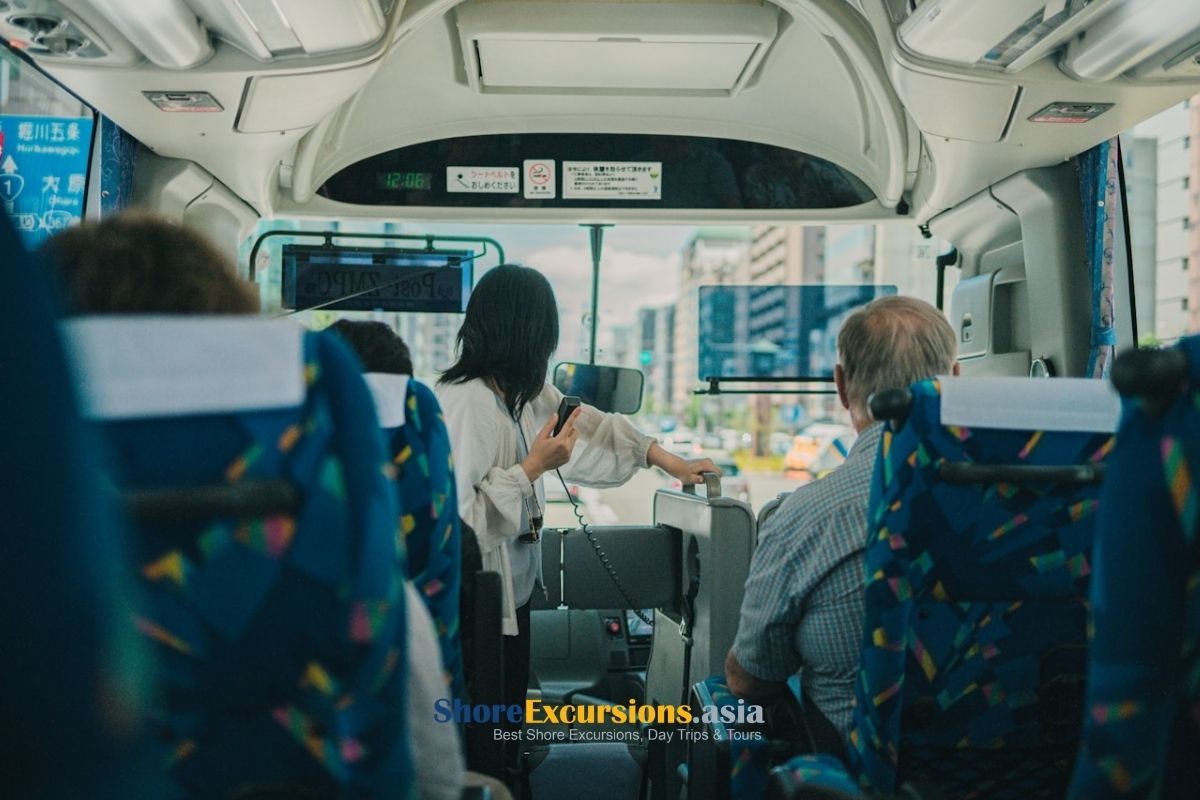
Kyoto's public transport system is efficient, affordable, and relatively easy to navigate. If you travel independently, planning your transit efficiently is key to maximizing your sightseeing experience.
- Kyoto city bus: The bus network covers nearly every major tourist attraction, including Kinkaku-ji, Ginkaku-ji, Kiyomizu-dera, and Gion. However, buses can become heavily crowded, especially in the afternoon.
- Kyoto subway: Kyoto's subway system is incredibly straightforward, consisting of only two main lines. It provides fast, traffic-free access to Kyoto Station, Downtown Kyoto, Nijo Castle, and the Kyoto Imperial Palace.
- Local trains: Several railway operators serve attractions beyond the city center. Taking the train is often a much faster alternative to the bus during busy travel periods.
Walking & Cycling Around City
Kyoto rewards travelers who enjoy exploring on foot. Many of the city's most memorable experiences happen along the scenic streets between major landmarks. Areas perfectly suited for walking include Gion, Higashiyama, Pontocho, and the Philosopher's Path.
Biking is another excellent option for independent sightseeing. The city's relatively flat terrain makes cycling comfortable for most visitors, and you can easily find numerous bike rental shops operating throughout Kyoto.
Organized Tours and Active Exploring
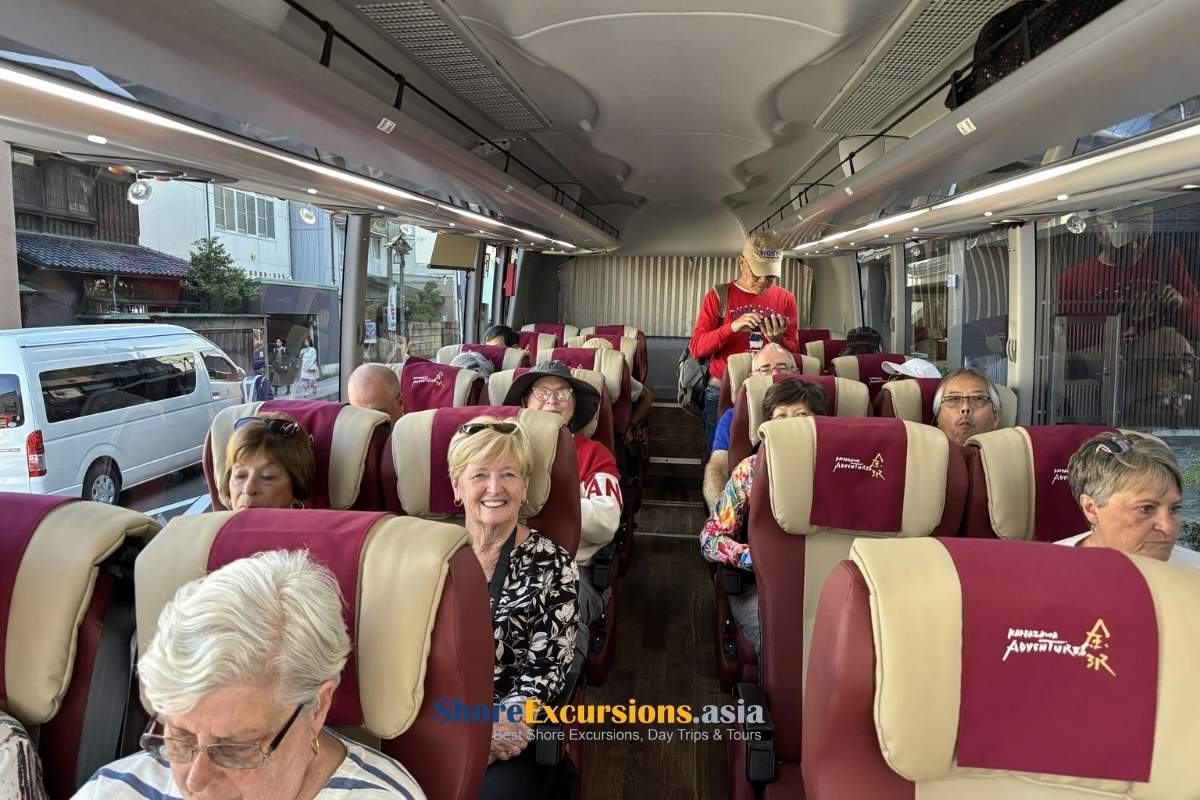
Travelers with limited time can highly benefit from organized tours, such as cultural heritage tours, food-focused walking tours, photography tours, or day trips to Nara and Uji. A knowledgeable local guide provides valuable historical context that you might otherwise miss.
Top Must-Visit Places in Kyoto to Explore
No Kyoto travel guide would be complete without highlighting the city's most iconic landmarks. While Kyoto offers hundreds of attractions, several sites stand out as essential experiences.
Fushimi Inari Taisha
Few places in Japan are as instantly recognizable as Fushimi Inari Taisha. Dedicated to Inari, the Shinto deity of prosperity and agriculture, this shrine is famous for its seemingly endless network of vibrant vermilion torii gates stretching across the forested slopes of Mount Inari.
Most visitors stop after the first section of gates. However, as you move higher up the mountain, the crowds gradually disappear, replaced by quiet pathways, hidden shrines, and peaceful woodland scenery.
Kiyomizu-dera Temple
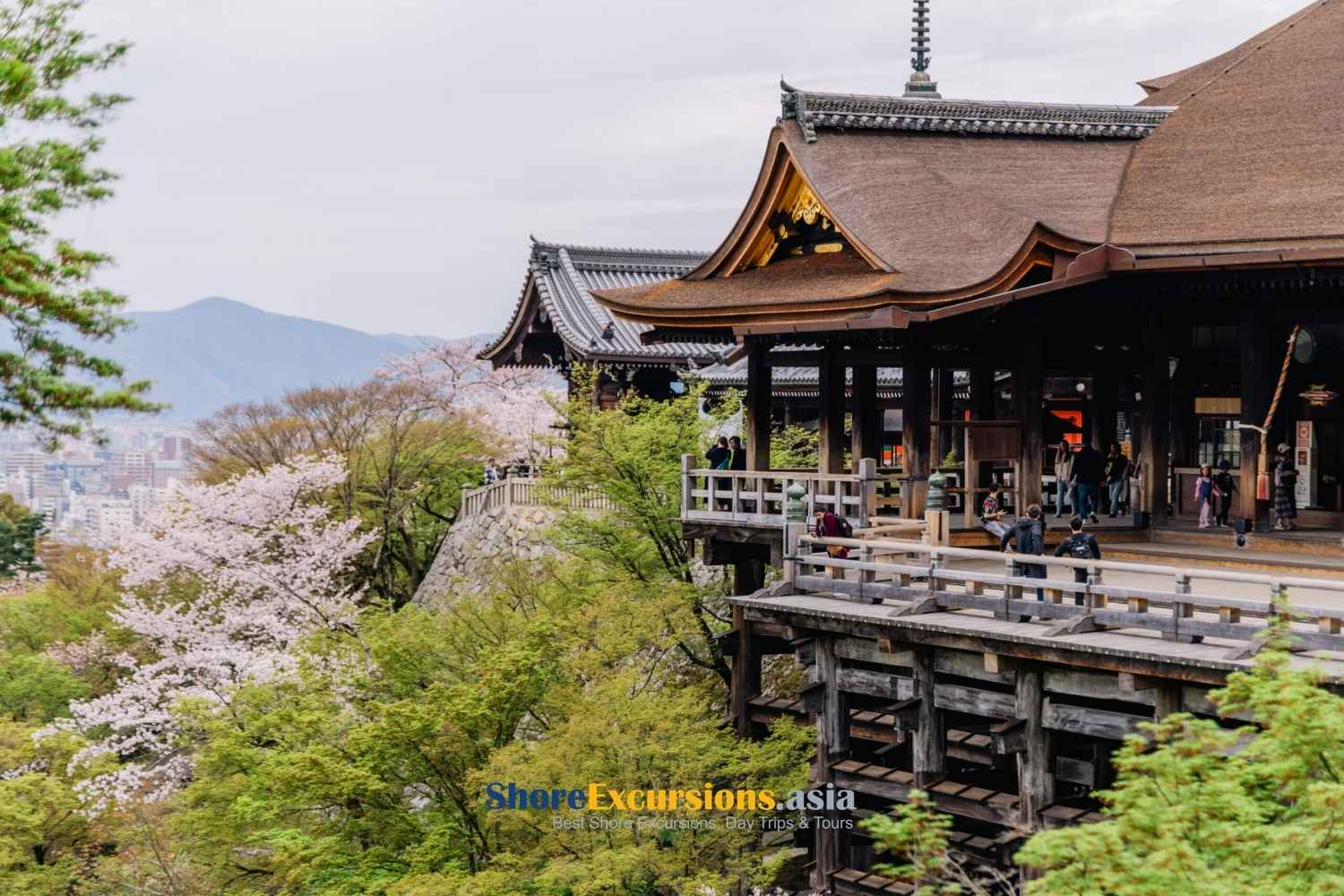
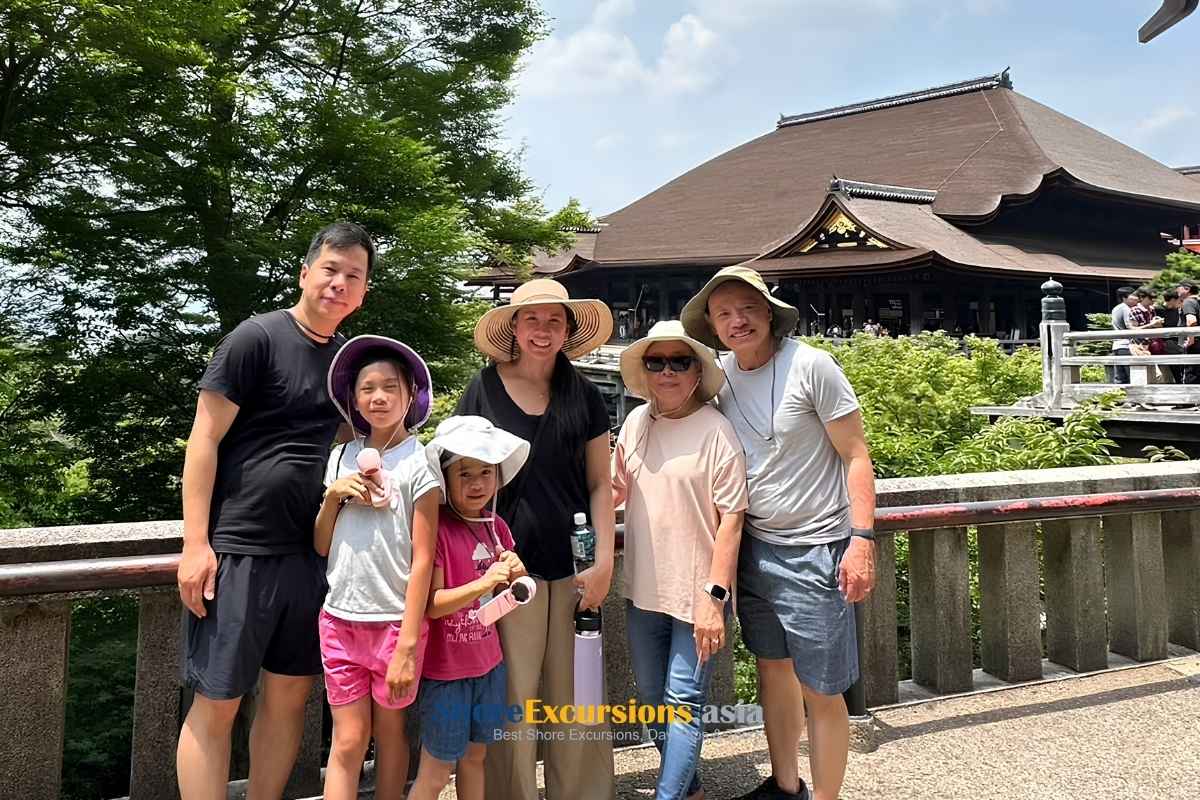
Standing proudly on Kyoto's eastern hills, Kiyomizu-dera is one of the city's most breathtaking landmarks. Founded in 778, the temple is renowned for its massive wooden stage that extends from the main hall without the use of nails.
The panoramic views from the terrace are spectacular throughout the year. In spring, cherry blossoms blanket the surrounding hillsides. During autumn, fiery maple leaves transform the landscape into a sea of red and gold.
Beyond the temple itself, the journey to Kiyomizu-dera is equally memorable. Traditional streets such as Sannenzaka and Ninenzaka are lined with historic wooden buildings, tea houses, souvenir shops, and local snack vendors.
Kinkaku-ji (Golden Pavilion)
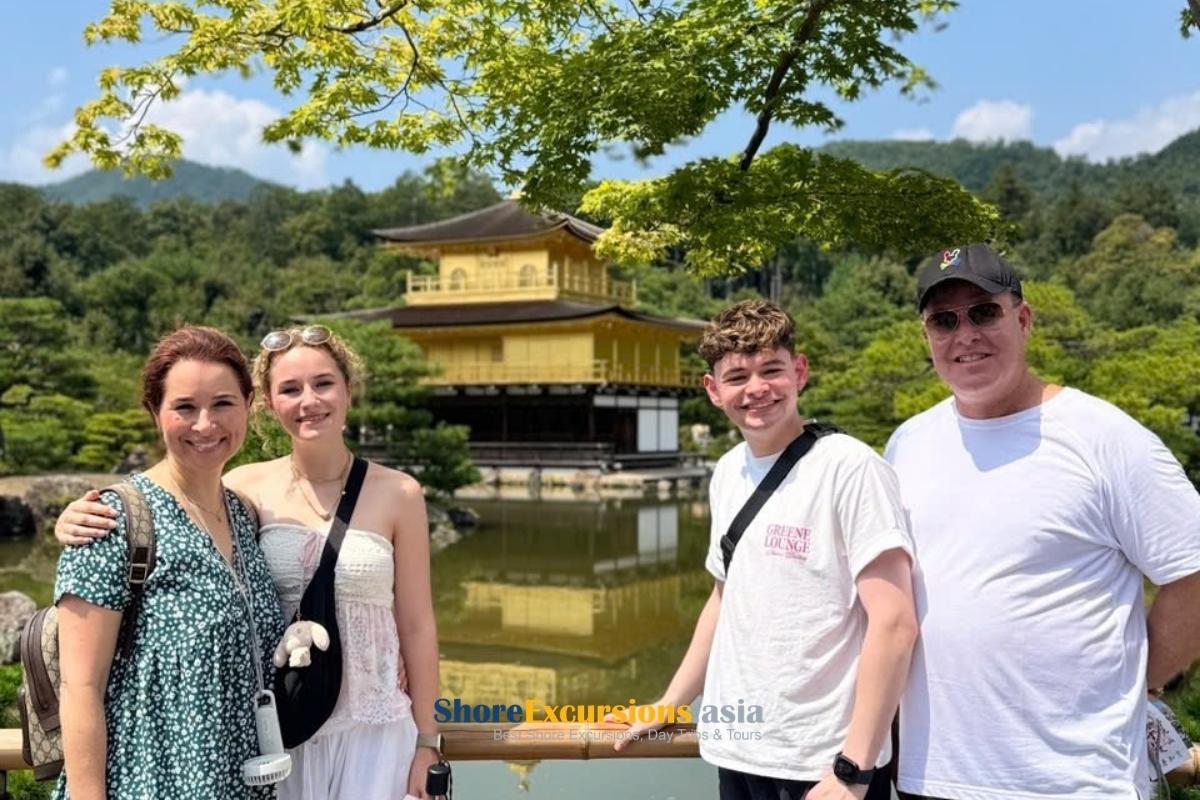
Kinkaku-ji is often the image that comes to mind when people think of Kyoto. Officially known as the Golden Pavilion, this Zen temple is covered in brilliant gold leaf and sits beside a mirror-like pond surrounded by carefully landscaped gardens. The reflection of the pavilion on the water creates one of the most photographed scenes in Japan.
Each season offers a different perspective:
- Spring brings fresh greenery and cherry blossoms
- Summer creates vivid reflections beneath clear skies
- Autumn surrounds the pavilion with colorful foliage
- Winter occasionally blankets the temple in snow, creating a truly magical scene
Arashiyama Bamboo Grove
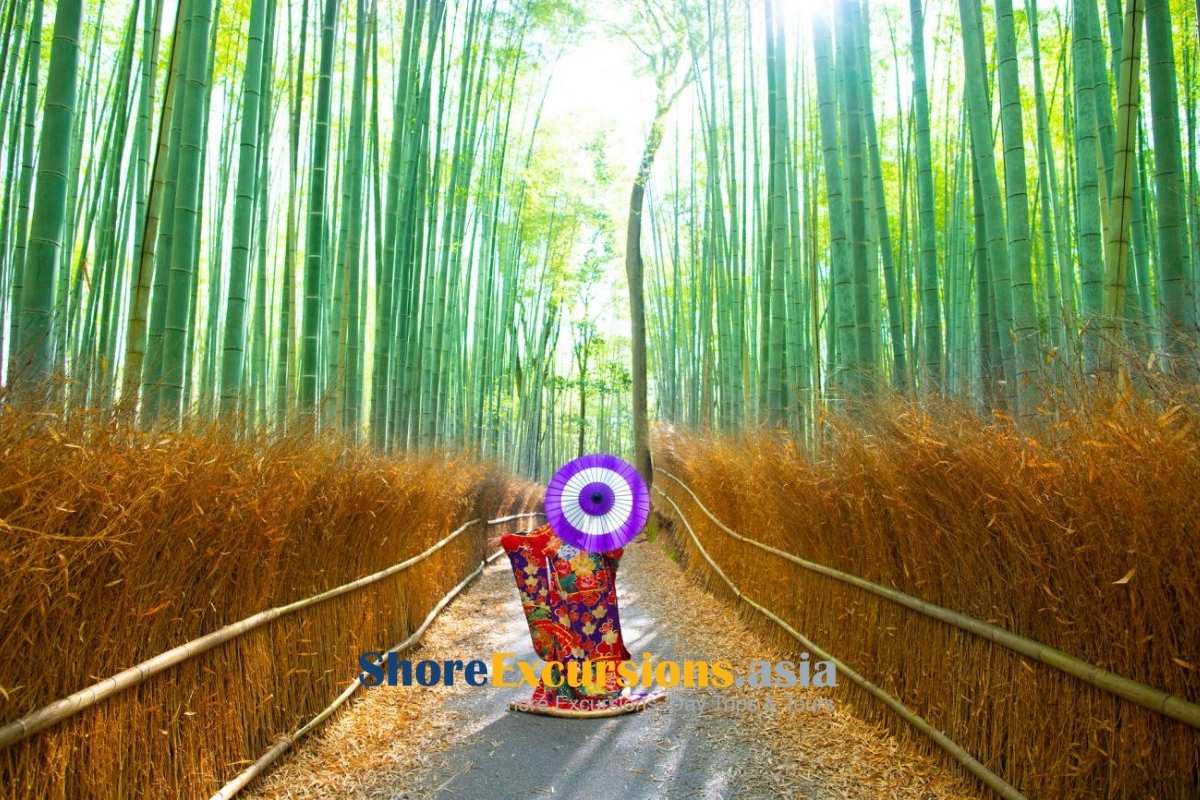
Walking through the Arashiyama Bamboo Grove is one of Kyoto's most unique experiences. Towering bamboo stalks sway gently overhead, filtering sunlight and creating an atmosphere unlike anywhere else in the city. The sound of the wind moving through the bamboo has even been recognized as one of Japan's most treasured natural soundscapes.
However, Arashiyama offers far more than its famous grove. Nearby attractions include:
- Togetsukyo Bridge
- Scenic riverside walking paths
- Monkey Park Iwatayama
- Traditional temples and gardens
- Seasonal boat rides on the Hozugawa River
Tenryu-ji Temple
Located just steps from the bamboo grove, Tenryu-ji is often overlooked despite being one of Kyoto's most important Zen temples. Founded in the 14th century, the temple is a UNESCO World Heritage Site and home to one of Japan's finest landscape gardens.
What makes the garden remarkable is its use of "borrowed scenery", incorporating the surrounding mountains into the design. Even after more than 700 years, the garden remains largely unchanged. For travelers seeking a quieter and more contemplative experience, Tenryu-ji is a must-see.
Kyoto Imperial Palace
For centuries, Kyoto served as the seat of Japan's imperial family, and the Kyoto Imperial Palace remains one of the city's most important historical landmarks. Set within the expansive Kyoto Gyoen National Garden, the palace complex offers a peaceful escape from the busier tourist districts.
Visitors can stroll through beautifully maintained grounds while learning about the lives of emperors who once ruled Japan from this very location. The atmosphere here feels calm and dignified, providing a different perspective on Kyoto's heritage.
Nijo Castle
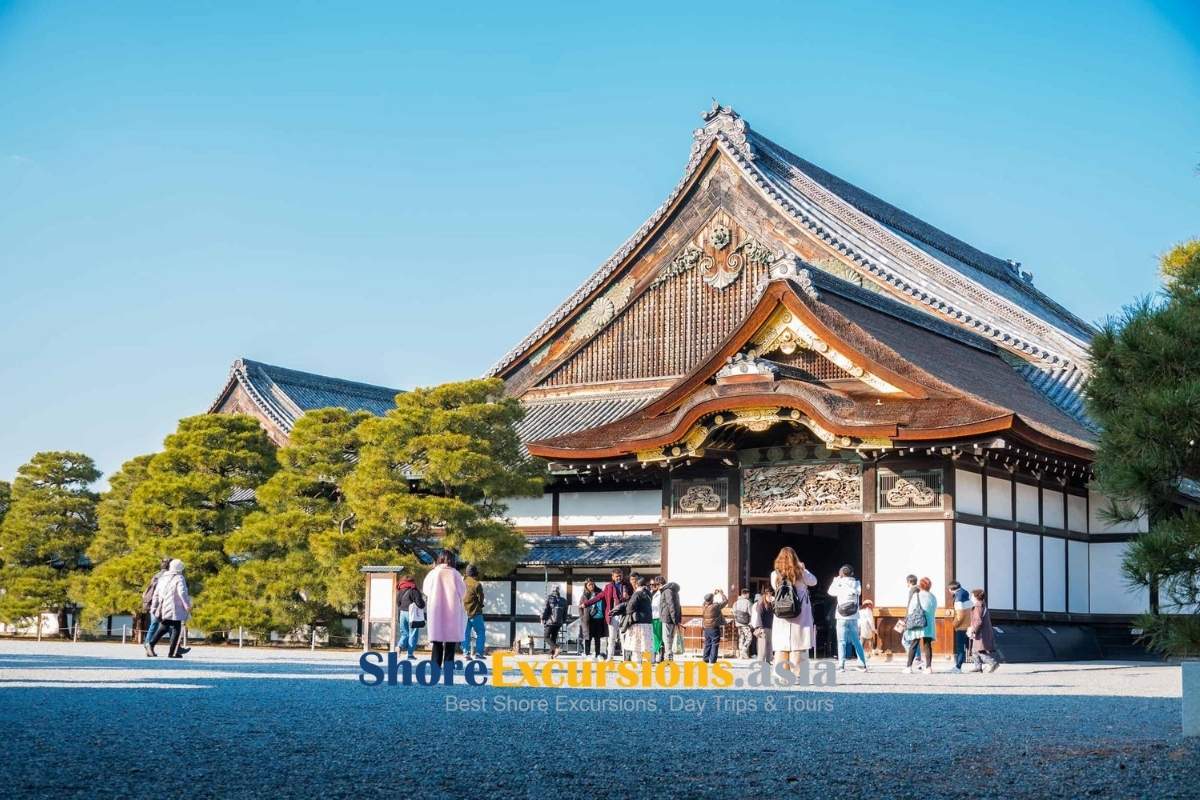
While Kyoto is famous for temples and shrines, Nijo Castle offers a fascinating glimpse into Japan's samurai past. Built in 1603 as the Kyoto residence of Tokugawa Ieyasu, the founder of the Tokugawa Shogunate, the castle showcases the wealth and power of Japan's ruling military class. Unlike many castles in Japan, Nijo Castle allows visitors to explore original palace interiors, making it one of the country's most historically significant sites.
Nishiki Market
Known locally as "Kyoto's Kitchen," Nishiki Market is a paradise for food lovers. Stretching across a narrow covered street in the heart of downtown Kyoto, the market features more than 100 shops and stalls selling regional specialties, fresh ingredients, and ready-to-eat snacks.
Must-try foods include:
- Fresh seafood skewers
- Matcha-flavored desserts
- Yuba (tofu skin), a Kyoto specialty
- Japanese pickles and preserved vegetables
- Grilled wagyu beef
- Tamagoyaki (Japanese omelet)
- Traditional sweets and rice crackers
Higashiyama District
Higashiyama offers one of Kyoto's most rewarding walking experiences. Stone-paved lanes, preserved merchant houses, and traditional shops create a timeless atmosphere. Many travelers consider this district the closest representation of historical Kyoto.
Kyoto Travel Guide: Cultural Experiences You Shouldn't Miss
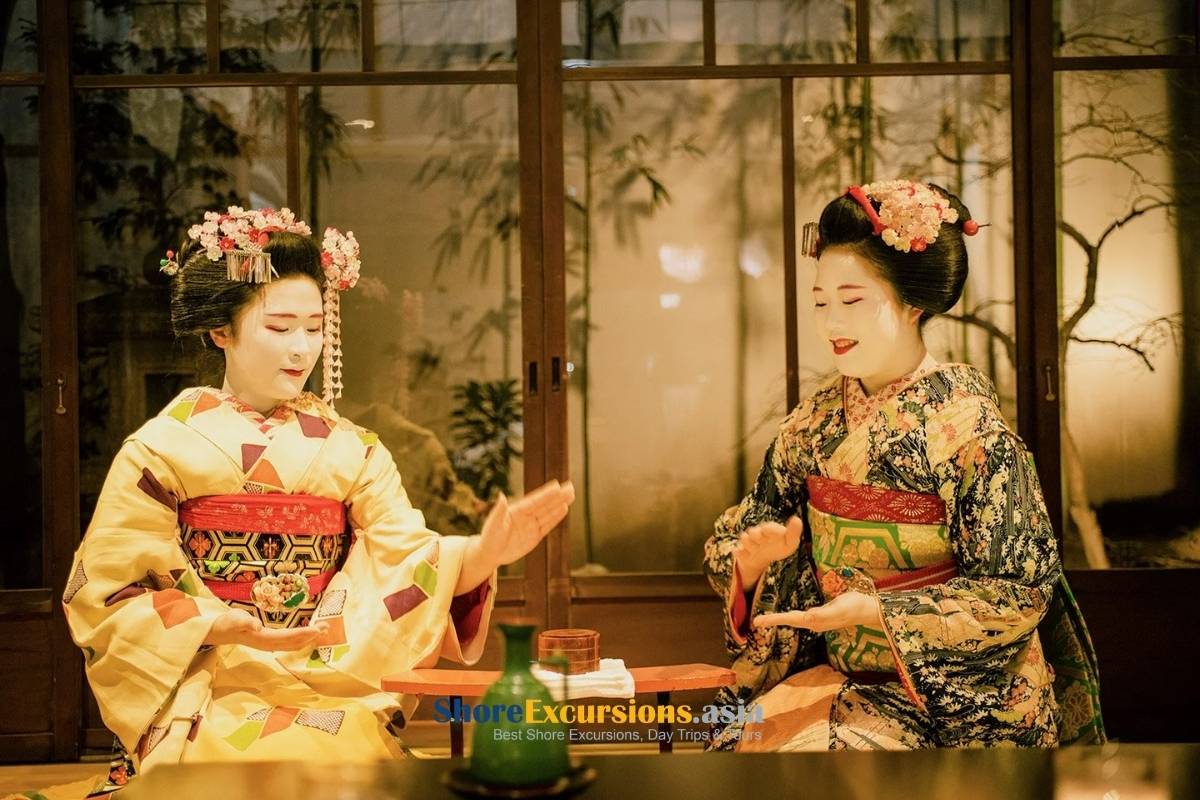
Not many travelers know that Kyoto's greatest appeal extends beyond sightseeing. Cultural experiences in this city is more vividly than individual landmarks. For readers seeking the best travel guide for Kyoto, these activities provide opportunities to connect with the city's traditions in a meaningful way.
- Participate in a Tea Ceremony: Experiencing a ceremony in Kyoto provides insight into concepts such as mindfulness, hospitality, and simplicity.
- Rent a Kimono: Wearing traditional clothing while exploring historic neighborhoods can add a unique dimension to your visit and creates memorable photographs.
- Try Zen Meditation: The experience provides a rare opportunity to slow down and appreciate Kyoto's quieter spiritual traditions.
- Join a Traditional Craft Workshop: Hands-on experiences such as pottery, calligraphy, fan-making, incense creation, textile dyeingoften become meaningful souvenirs that last long after the trip ends.
- Experience Geisha Culture: Consider attending a cultural performance or educational program that explains the history and training involved.
- Stay in a Traditional Ryokan: Tatami rooms, seasonal meals, futon bedding, and exceptional hospitality provide a glimpse into traditional Japanese living.
Kyoto Food Guide - What to Eat in Kyoto
Unlike Osaka, Kyoto is celebrated for refined culinary traditions shaped by centuries of aristocratic influence, Buddhist practices, and seasonal ingredients. This Kyoto travel guide about food will help you to explore the city's cuisine as deeply as its temples and historic districts.
- Kaiseki Cuisine: Kaiseki is Kyoto's most famous traditional dining experience. This multi-course meal highlights seasonal ingredients, elegant presentation, and Japanese culinary craftsmanship.
- Yudofu (Tofu Hot Pot): Yudofu is a simple yet iconic Kyoto dish made with tofu simmered in a light broth. Influenced by Buddhist cuisine, it is especially popular around Nanzen-ji Templ.
- Kyoto Ramen: Kyoto is also famous for its ramen. Local styles often feature rich soy sauce-based broth and medium-thick noodles.
- Matcha Desserts: Kyoto is one of Japan's best places to enjoy matcha thanks to nearby Uji's high-quality green tea.
For your information, Nishiki Market offers one of the easiest ways to sample Kyoto's culinary diversity. Sampling food from multiple stalls often provides a more authentic introduction to Kyoto cuisine than a single restaurant meal.
Essential Kyoto Travel Tips
Every destination has its own customs and practical considerations. These Kyoto travel tips can help make your visit smoother and more enjoyable.
- Start Your Day Early: Kyoto's most popular attractions attract large crowds, particularly during spring and autumn. Early mornings reveal a side of Kyoto that many visitors never experience.
- Respect Local Etiquette: Many temples and shrines remain active places of worship. Small gestures of respect contribute to a better experience for everyone.
- Be Mindful in Gion: In this area, visitors should not chasing geisha or maiko or taking photographs where prohibited. Respectful behavior helps preserve the district's unique character.
- Carry Some Cash: Although card acceptance continues to improve across Japan, some smaller businesses still prefer cash payments.
- Reserve Accommodation Early: Booking several months in advance often provides better prices and more accommodation choices.
Kyoto is a destination that consistently exceeds expectations, blending historic temples, traditional neighborhoods, rich culture, exceptional cuisine, and natural beauty into one unforgettable experience. A complete Kyoto travel guide can introduce the city's famous temples, historic districts, and cultural traditions, but the true appeal of Kyoto often lies in smaller moments.

 Contact Us via Messenger
 Send Inquiry