
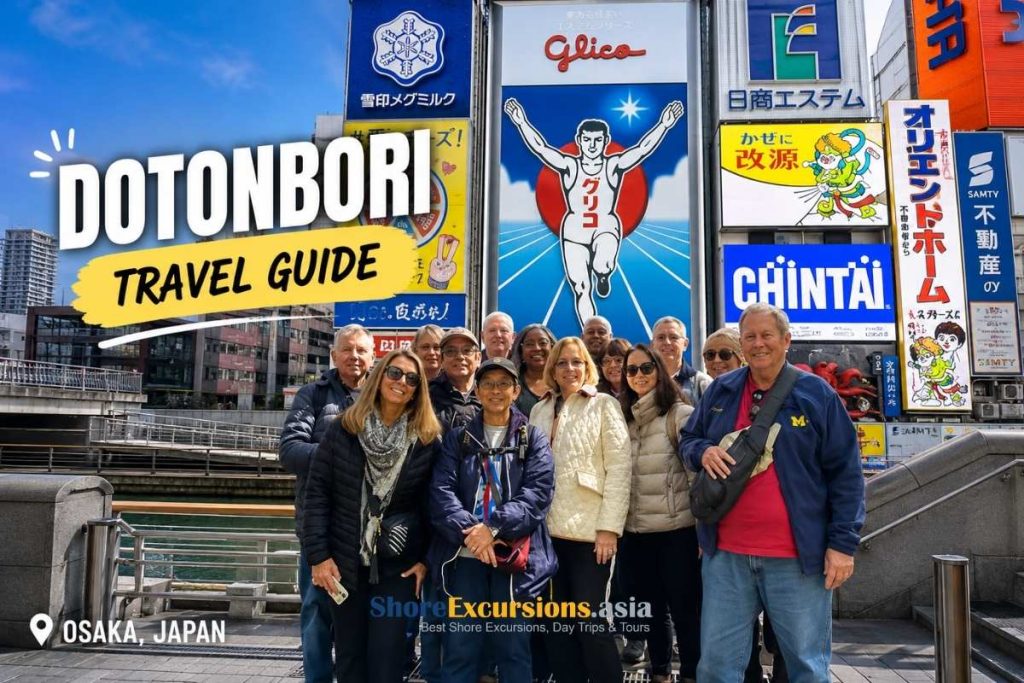
If you want to experience the energetic side of Osaka on Osaka shore excursions, Dotonbori is one of the first places to put on your itinerary. Located in the city's Minami area, this lively district brings together bright neon signs, famous restaurants, street food, shopping, nightlife, and the Dotonbori Canal in a compact area that is easy to explore on foot.
For first-time visitors, Dotonbori can feel intense at first. The streets are busy, the signs are enormous, and almost every corner seems to offer another restaurant or food stall worth trying. The best way to experience the area is to avoid rushing through it. Plan a few hours, leave room for a meal or two, and take time to explore beyond the famous Glico Running Man sign.
This Dotonbori travel guide by Japan Shore Excursions covers the main sights, the best things to do, must-try foods, shopping areas, transportation options, and practical tips to help you plan a smooth visit.
Dotonbori Travel Guide at a Glance
| Category | Information |
|---|---|
| Location | Minami area, Osaka |
| Best for | Food, nightlife, shopping, photography |
| Nearest major station | Namba Station |
| Recommended visit duration | 2 - 4 hours |
| Best time to visit | Late afternoon to evening |
| Main highlights | Dotonbori Canal and Glico Running Man sign |
| Entrance fee | Free to explore |
The main Dotonbori area is highly walkable. Most visitors can see the major highlights in a couple of hours, although the experience becomes much more enjoyable when you allow extra time for dining, shopping, and nearby attractions.
Osaka Shore Excursions
Cruise Ships: Spectrum of the Seas
Back-to-Ship Guarantee: Return to Your Ship 90-120 Minutes Before Departure
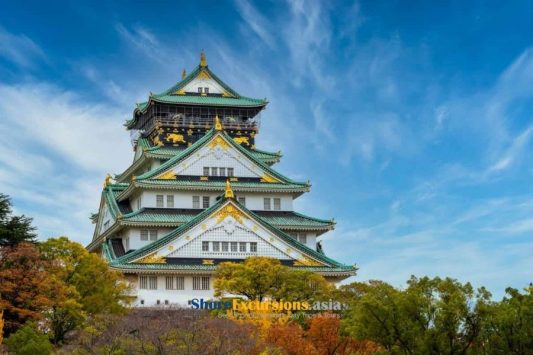
Osaka Shore Excursions
Duration: 6 hours
Port: Osaka/Kobe, Japan
Highlights: Osaka Castle, Floating Garden Observatory, Dotonbori area
Excursion Type: Culture / Sightseeing
Activity Level: Easy
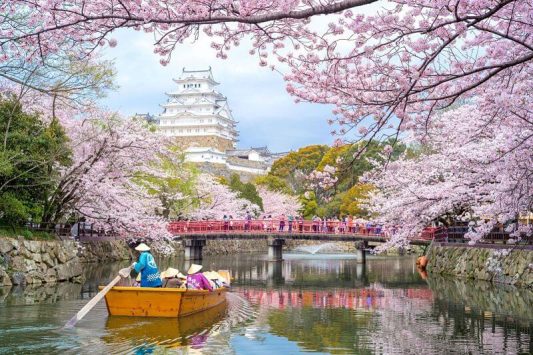
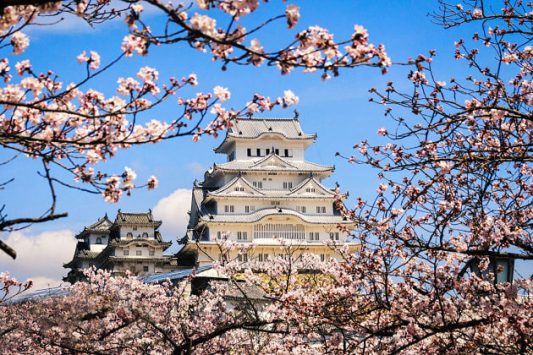
Kobe Shore Excursions
Duration: 10 hours
Port: Osaka/Kobe, Japan
Highlights: Himeji Castle & Kokoen Garden, San-no-miya and Motomachi area, Sake Brewery in Nada, Dotonbori area
Excursion Type: Culture
Activity Level: Moderate
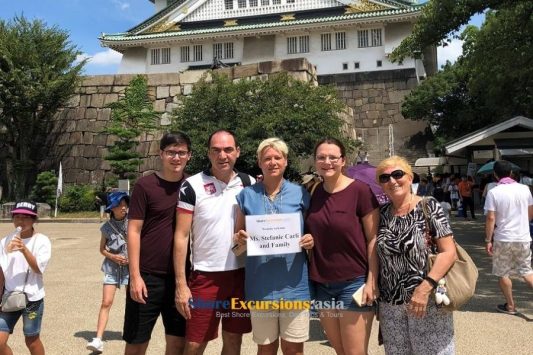
Osaka Shore Excursions
Duration: 6 hours
Port: Osaka/Kobe, Japan
Highlights: Osaka Castle, Dotonbori area, Sake brewery experience in Umenoyado
Excursion Type: Cultural Discovery
Activity Level: Easy
Why You Should Visit Dotonbori?
Dotonbori is one of the easiest places in Osaka to experience several sides of the city in one visit. Here, you can enjoy:
- Osaka's famous food culture
- Colorful neon signs
- Shopping and souvenirs
- Canal-side walks
- Nightlife and entertainment
- Iconic photo spots
The area is particularly popular with first-time visitors because many of Osaka's most recognizable experiences are concentrated in a relatively compact neighborhood. Dotonbori is also easy to combine with nearby areas such as Namba, Shinsaibashi, Hozenji Yokocho, and Nipponbashi.
What Is Dotonbori Famous For?
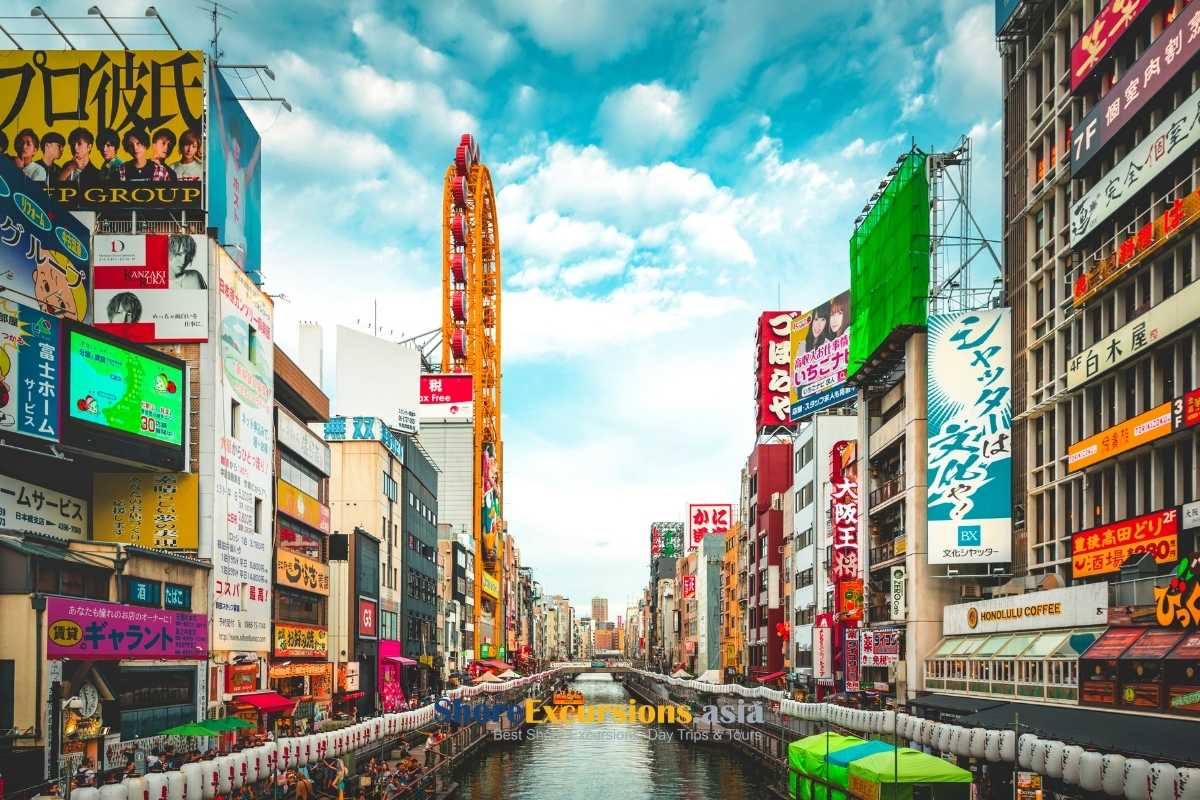
In many Osaka travel guide, Dotonbori is famous for its giant neon billboards, lively food scene, Dotonbori Canal, and energetic nightlife. The area has become one of the defining images of Osaka, with iconic signs such as the Glico Running Man and the giant Kani Doraku crab attracting visitors throughout the day.
The district's identity is closely connected to food and entertainment. Dotonbori developed as a theater and entertainment area centuries ago, and restaurants, theaters, and nightlife venues continue to shape its character today. The official Osaka tourism information describes it as a symbolic commercial and entertainment district in the Minami area, with restaurants lining the streets and large three-dimensional signs forming part of its distinctive atmosphere.
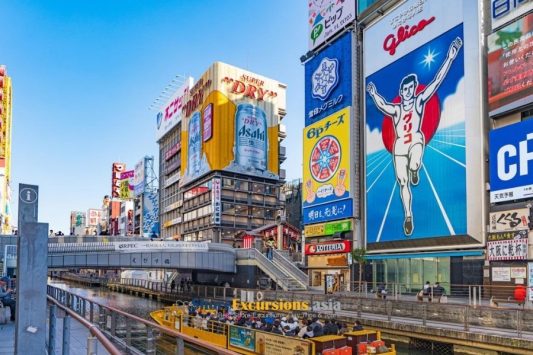
The canal is another essential part of the experience. The Tombori Riverwalk offers a waterside perspective of the neighborhood, with neon reflections on the water and restaurants opening onto the promenade. It is particularly atmospheric after sunset, when the illuminated signs create the classic Dotonbori scene most visitors have seen in photographs.
What to Do & See in Dotonbori Area?
Dotonbori is best explored at a relaxed pace. The main attractions are close to one another, so you can easily combine sightseeing, photography, food, and shopping in a single visit.
If this is your first time in the area, start around the canal and Ebisubashi Bridge, then continue through the surrounding streets. The neighborhood is especially enjoyable in the late afternoon, when you can explore in daylight before staying for dinner and the illuminated streets after sunset.
1. Take a Photo with the Glico Running Man
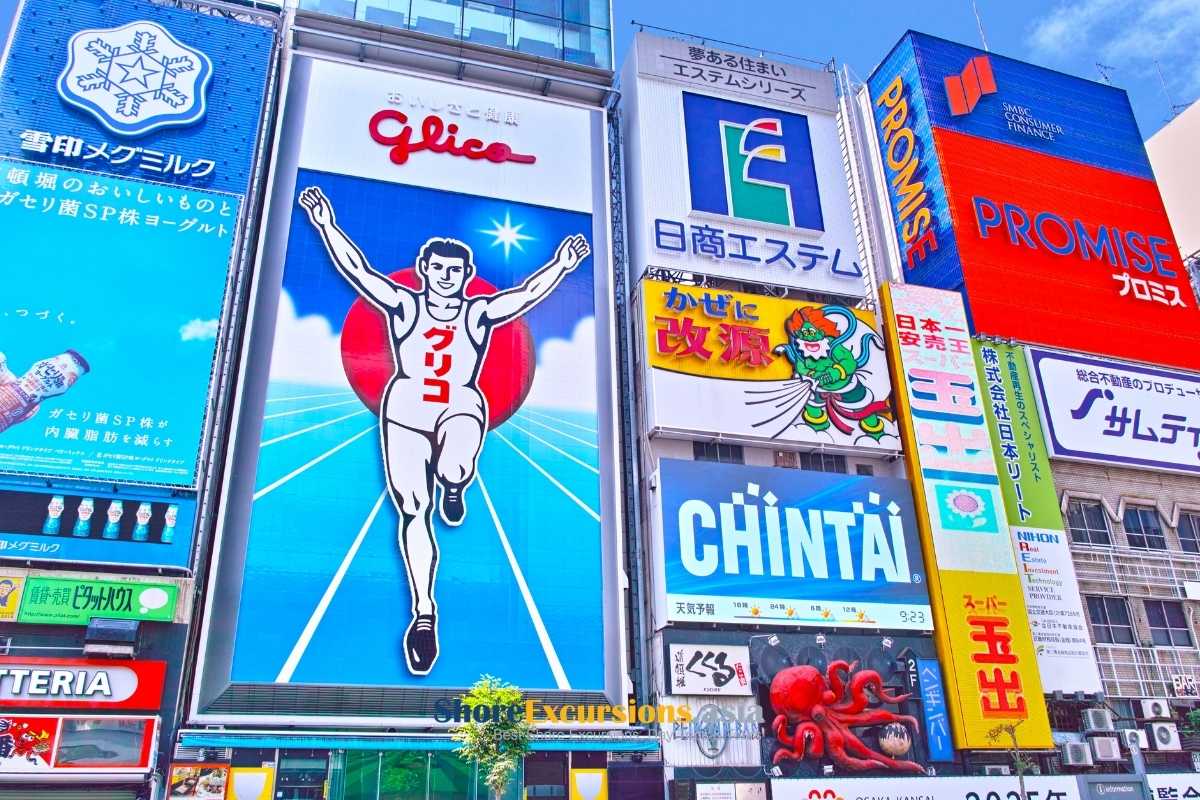
The Glico Running Man is the most recognizable landmark in Dotonbori and one of the most popular photo spots in Osaka. The illuminated sign stands beside the Dotonbori Canal, near Ebisubashi Bridge. For the classic photo, stand on Ebisubashi Bridge and face the sign across the canal. The location is easy to find, but it can become extremely crowded, especially in the evening and on weekends.
Tips for a better experience:
- Visit earlier in the day if you want fewer people in your photos.
- Avoid stopping in the middle of the bridge after taking your picture.
- Try photographing the sign from the riverside promenade for a different perspective.
- Visit again after dark to see the sign illuminated.
The Glico sign is a quick stop, so you do not need to spend a long time here. However, it is worth using the location as the starting point for exploring the rest of Dotonbori.
2. Walk Along Dotonbori Canal
The Dotonbori Canal is at the heart of the neighborhood and offers a more relaxed way to experience the area. After exploring the busy streets, walking beside the water gives you a chance to slow down and take in the surrounding scenery.
The canal is lined with restaurants, colorful signs, bridges, and pedestrian areas. During the day, it is a convenient route between different parts of Dotonbori. After sunset, the atmosphere becomes much more dramatic as the neon lights reflect on the water.
The canal is particularly enjoyable for:
- Evening walks
- Night photography
- People-watching
- Viewing Dotonbori's famous signs from the water
- Taking a break from the busiest streets
If you only have a short time in Dotonbori, make sure to include a walk along the canal. It gives you a better sense of the neighborhood than simply visiting the Glico sign and leaving.
3. Take a Dotonbori River Cruise
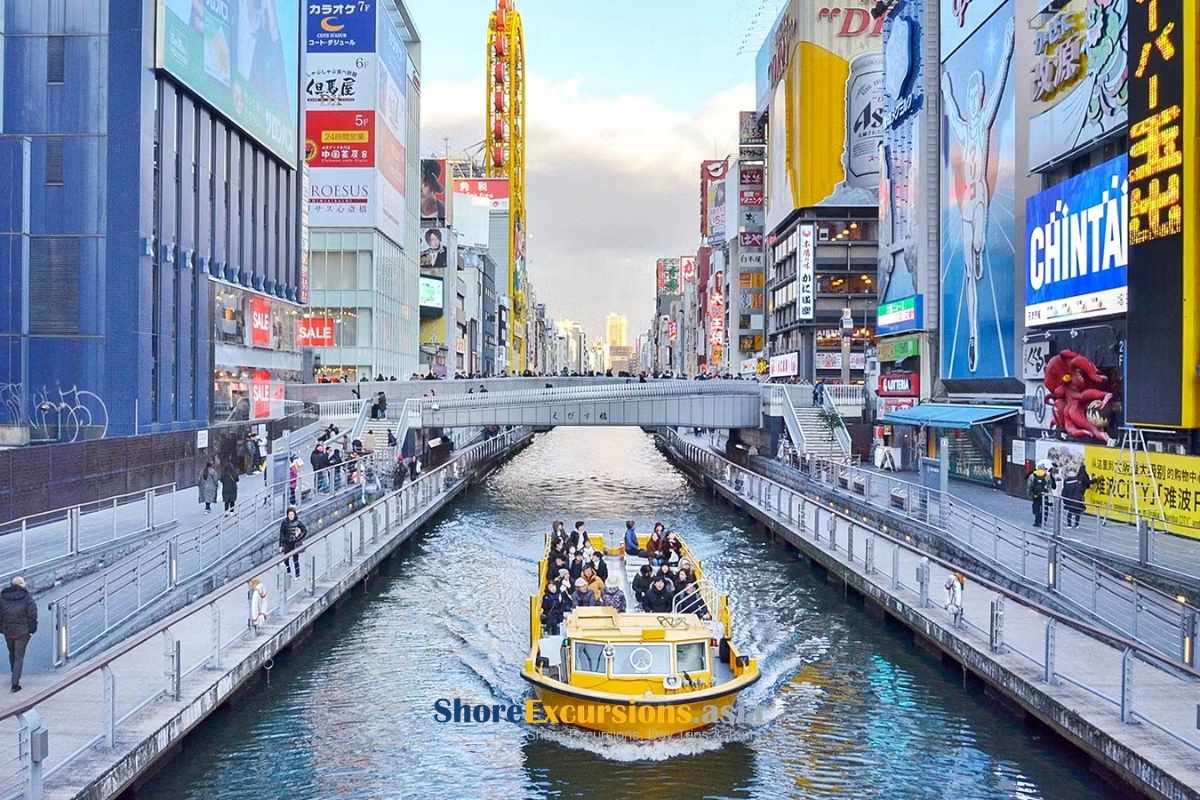
A river cruise is a good way to see Dotonbori from a different perspective. Instead of looking at the canal from the street, you can travel along the water and see the surrounding bridges, restaurants, and illuminated signs from below.
The cruise is relatively short, making it easy to include in a half-day itinerary. It can be particularly enjoyable for couples and families who want a relaxing sightseeing activity between meals and shopping. A cruise also gives you a different view of some of Dotonbori's most recognizable landmarks. The busy streets look quite different when viewed from the water, especially after dark.
Before visiting, check:
- Current operating hours
- Departure times
- Ticket prices
- Weather-related service updates
Schedules and operating details can change, so it is best to confirm the latest information before making the cruise part of a tightly planned itinerary.
4. Visit the Don Quijote Ferris Wheel
The large Don Quijote store beside Dotonbori Canal is one of the area's most recognizable landmarks. Its distinctive Ferris wheel, known as the Ebisu Tower, adds another unusual feature to the neighborhood's already colorful skyline. This is a convenient attraction because you can combine several activities in one stop.
Browse the store for Japanese snacks, cosmetics, souvenirs, and everyday products, then enjoy the Ferris wheel experience if it is operating during your visit. The Ferris wheel is not a long sightseeing activity, so it works well for travelers who want to add a short attraction to their Dotonbori itinerary without spending several hours at a major observation deck.
A visit here is especially convenient if you want to combine:
- Shopping
- Souvenir hunting
- A unique city view
- A short sightseeing experience
5. Explore Hozenji Yokocho
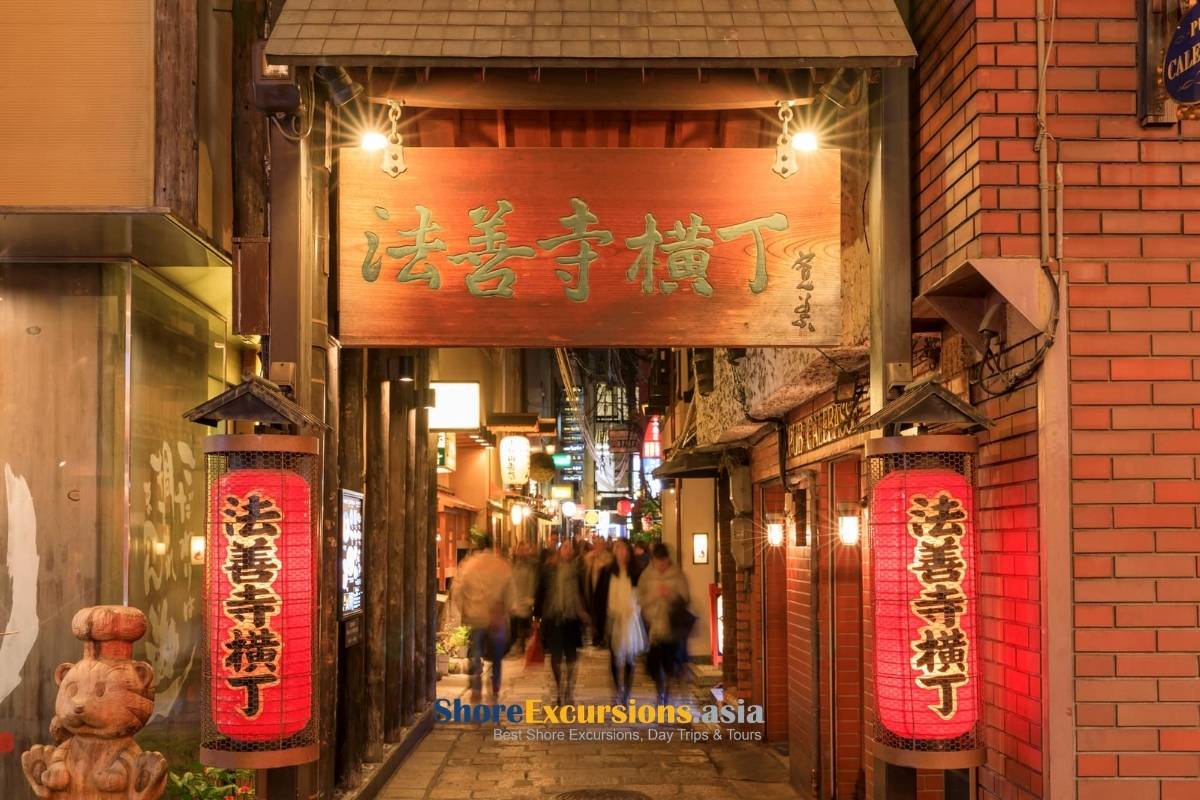
For a change of atmosphere, walk to Hozenji Yokocho, a narrow alley located close to the main Dotonbori streets.The contrast is striking. Dotonbori is known for bright billboards, large crowds, and constant movement, while Hozenji Yokocho has a more intimate and traditional atmosphere.
The narrow lanes are lined with small restaurants and izakayas, making the area particularly atmospheric in the evening. Nearby Hozenji Temple adds a cultural and historical element to the visit. The temple is known for its moss-covered Fudo Myoo statue, which visitors traditionally sprinkle with water as part of their prayers.
Hozenji Yokocho is a good place to visit when you want to:
- Explore a quieter side of central Osaka
- Enjoy a traditional Japanese atmosphere
- Have dinner in a small restaurant
- Visit a historic temple
- Take atmospheric evening photographs
6. Explore Dotonbori's Giant Restaurant Signs
One of the most entertaining things to do in Dotonbori is simply to walk around and look at the signs. The district is famous for its oversized, colorful displays, many of which extend far beyond the fronts of the buildings.
They create a playful visual environment that feels very different from a typical shopping or restaurant district. Keep an eye out for:
- The giant Kani Doraku crab
- Large takoyaki displays
- Pufferfish signs
- Moving and illuminated advertisements
- Oversized seafood and food-themed signs
These displays are part of what makes Dotonbori so recognizable. They are also great for photography, particularly after sunset when the signs are fully illuminated. Look up as you move through the streets, because some of the most memorable signs are easy to miss when you are focused only on the crowds around you.
7. Enjoy Dotonbori at Night
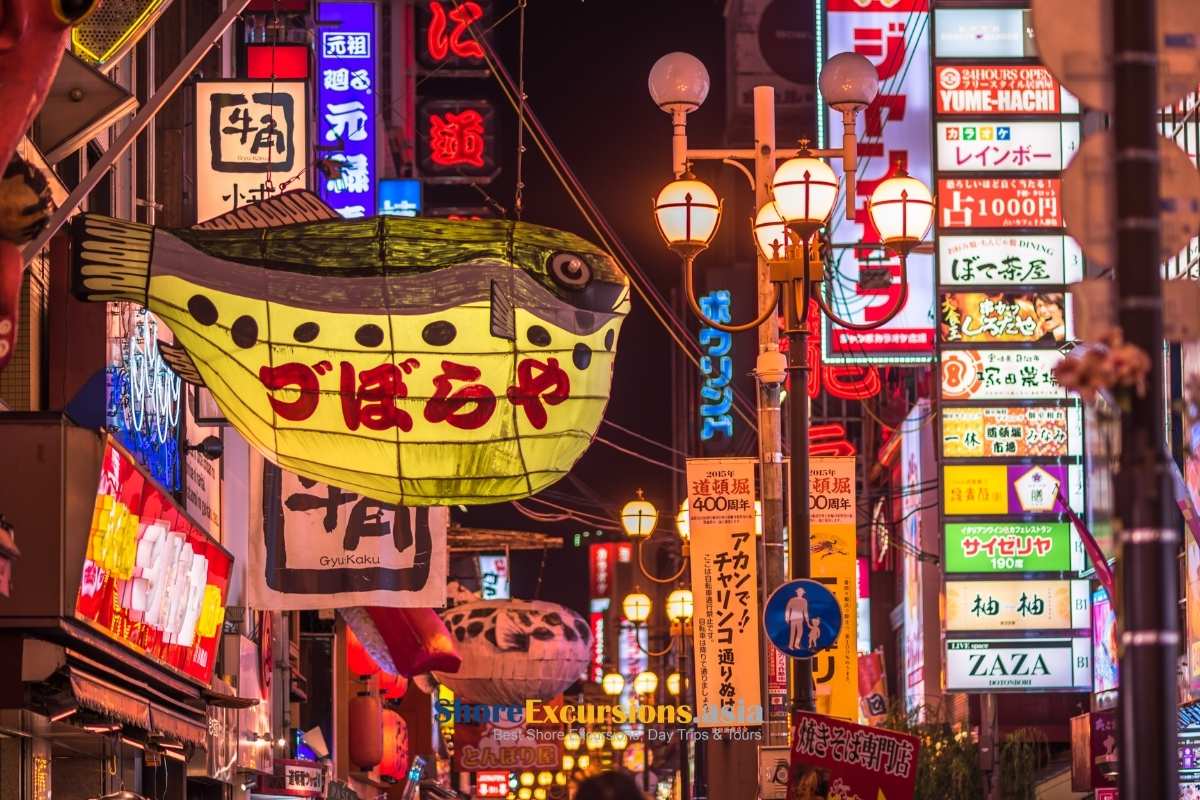
Dotonbori becomes especially lively after dark. The neon signs illuminate the streets, restaurants become busier, and the canal reflects the colorful lights of the surrounding buildings. This is when the neighborhood feels most like the Dotonbori seen in travel photographs. The atmosphere is energetic, but the experience does not have to revolve around nightlife or partying.
You can spend the evening:
- Trying takoyaki or other street food
- Having dinner at a local restaurant
- Walking along the canal
- Taking night photographs
- Browsing shops
- Visiting Hozenji Yokocho
- Enjoying the atmosphere from a riverside promenade
For many visitors, the best time to arrive is late afternoon. This allows you to explore the area while there is still daylight, enjoy dinner, and then experience Dotonbori once the neon signs are fully lit.
What to Eat in Dotonbori: Must-Try Foods
If you are planning your first Dotonbori travel guide itinerary, leave enough time for food. The neighborhood is packed with restaurants, street-food stalls, casual eateries, and dessert shops, making it easy to sample several Osaka specialties during one visit.
1. Takoyaki
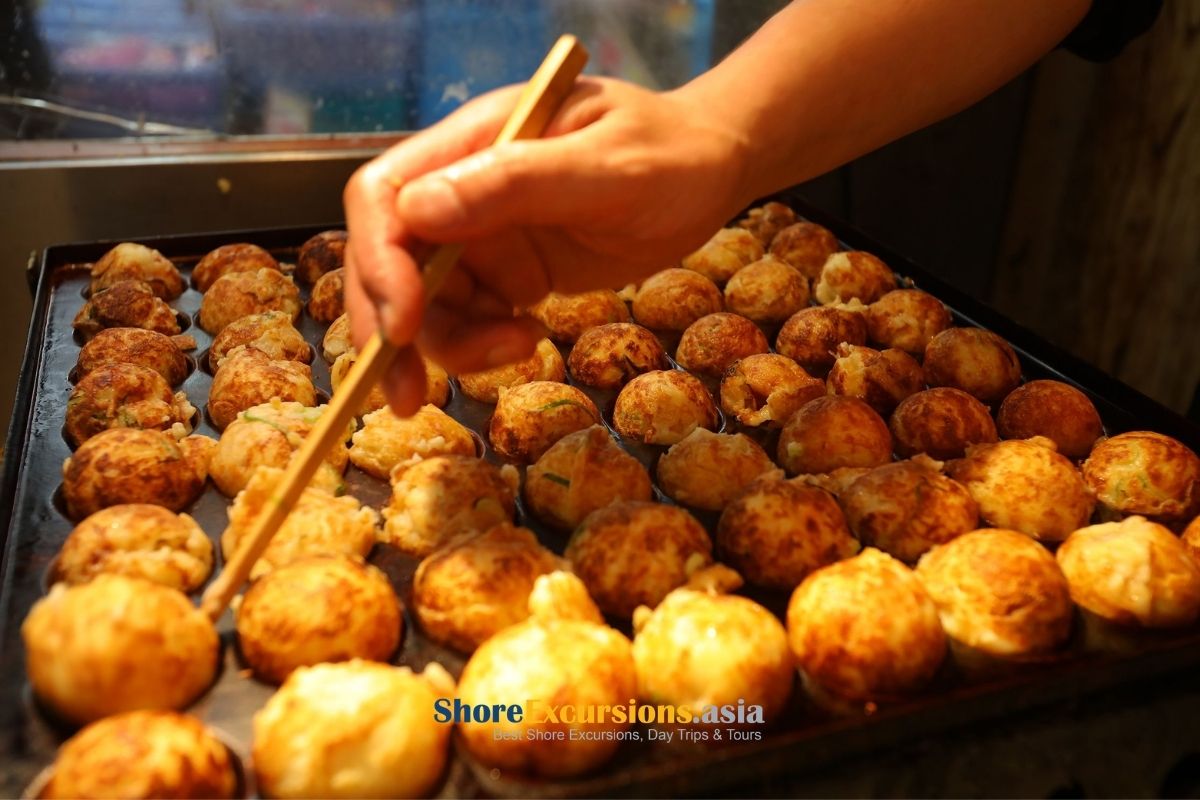
Takoyaki is one of Osaka's most famous foods and a must-try when visiting Dotonbori. These round snacks are made from a light batter and traditionally filled with octopus. They are cooked in special molded pans, then topped with ingredients such as:
- Takoyaki sauce
- Japanese mayonnaise
- Bonito flakes
- Aonori seaweed
Freshly cooked takoyaki is usually served extremely hot. The outside may cool quickly, but the center can remain surprisingly hot, so take a small bite first.
2. Okonomiyaki
Okonomiyaki is another classic Osaka dish and one of the best choices when you want a proper sit-down meal. Often described as a savory Japanese pancake, okonomiyaki is typically made with cabbage and a batter, then combined with additional ingredients such as: Pork, Seafood, Shrimp, Squid & Cheese.
The dish is usually finished with a sweet-savory sauce, mayonnaise, bonito flakes, and aonori. Many restaurants prepare the dish on a hot plate at the table, creating a more interactive dining experience. Some establishments cook it for you, while others allow you to prepare it yourself.
3. Kushikatsu - Dotonboru Food Guide
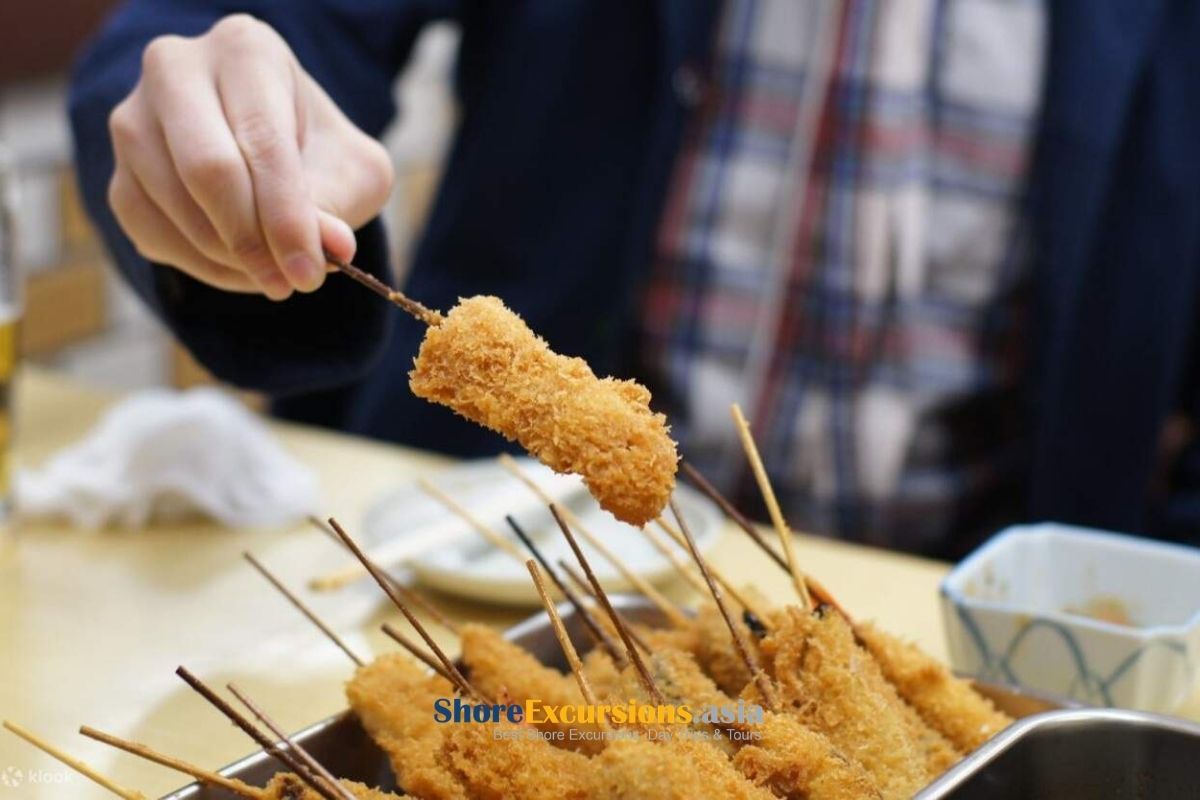
Kushikatsu is a popular Osaka specialty made with ingredients placed on skewers, coated in breadcrumbs, and deep-fried. The menu can include a wide range of ingredients, such as: Beef, Chicken, Seafood, Mushrooms, Onions, Eggplant, Other seasonal vegetables,...
The crispy coating and variety of fillings make kushikatsu a fun choice for sharing. You will find both casual restaurants and more specialized establishments serving this dish around the Dotonbori and Namba areas.
4. Ramen
Ramen is an easy choice when you want something warm, filling, and relatively quick. Dotonbori has a wide range of ramen restaurants, from casual local shops to well-known chains. Depending on the restaurant, you may find different styles of broth, including: Tonkotsu, Shoyu, Miso, Shio
Ramen is particularly convenient for a late-night meal, as some restaurants stay open later than many other dining establishments. Popular ramen restaurants can become very busy during lunch and dinner. If you see a long line, check whether the restaurant has a ticket machine or specific ordering procedure before joining.
5. Seafood and Crab
Seafood is another important part of Dotonbori's dining scene. The district is famous for the giant crab sign associated with Kani Doraku, which has become one of the most recognizable landmarks in Osaka. The area also offers restaurants serving a variety of seafood, including crab and other fresh ingredients.
You can find different dining experiences depending on your budget and preferences:
- Casual seafood snacks
- Sushi restaurants
- Crab-focused meals
- Grilled seafood
- More elaborate Japanese dining experiences
If you want to enjoy a more substantial seafood meal, it is worth checking menus and prices before sitting down. Some restaurants offer set menus, while others price dishes individually.
6. Japanese Desserts and Street Snacks
Do not finish your food tour in Dotonbori after the main course. The neighborhood has plenty of options for dessert and snacks, making it easy to continue eating while exploring.
Popular choices include:
- Soft-Serve Ice Cream: Japanese soft-serve comes in a variety of flavors, including matcha, milk, and seasonal options. It is a convenient treat to enjoy while taking a break from sightseeing.
- Japanese Sweets such as: Matcha, Red bean, Mochi, Sweet potato,...
- Seasonal Desserts: Some shops offer limited-time items based on seasonal ingredients. These can be a good option if you want to try something that is not available year-round.
- Fruit-Based Snacks: Fresh fruit desserts and fruit-filled sweets are also popular in busy shopping and entertainment districts.
Best Time to Visit Dotonbori
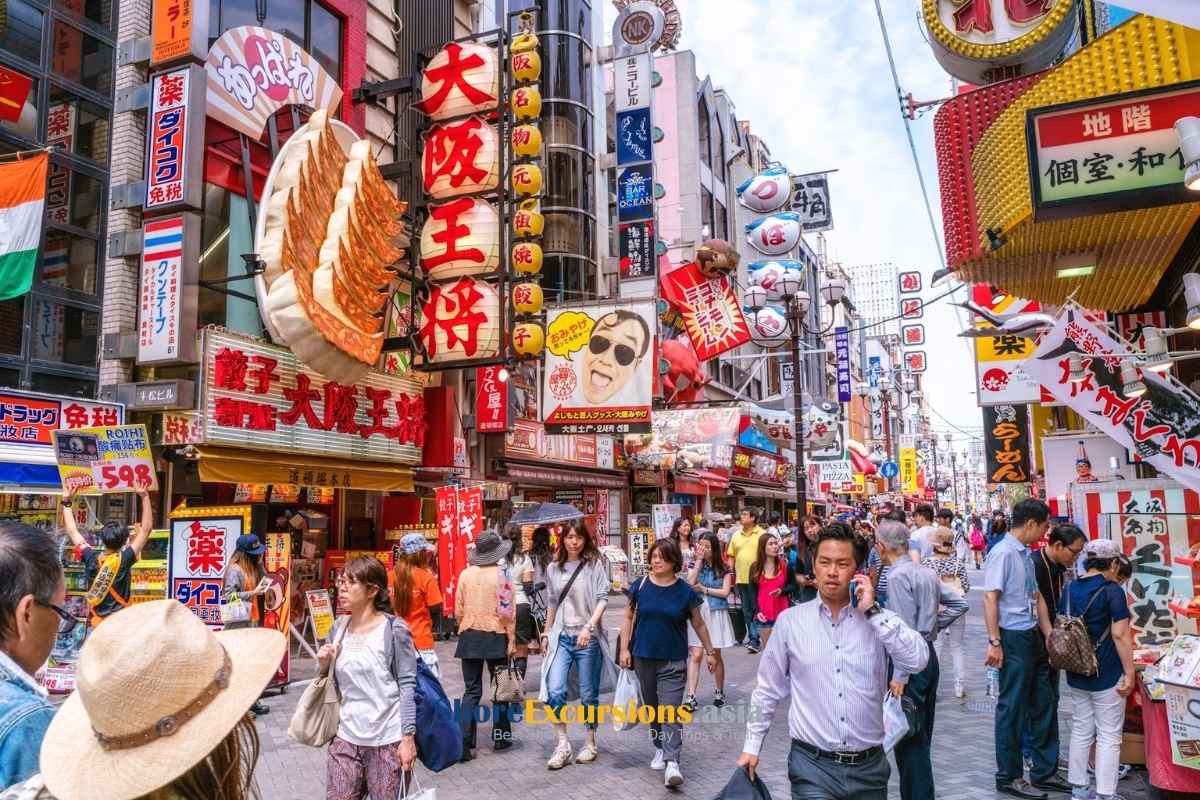
Dotonbori is open to visitors throughout one day in Osaka, but the experience changes significantly depending on when you arrive. The streets feel more relaxed during the daytime, while the district becomes brighter, busier, and more energetic after sunset.
For most travelers, late afternoon to evening is the best time to visit. You can explore the area in daylight, stop for dinner, and then enjoy the neon signs and illuminated canal after dark.
Visit Dotonbori During Day Time
Dotonbori is easier to explore during the day, especially if you want to walk around, shop, and take photos with fewer crowds. This is a good time to:
- Explore the canal
- Visit nearby attractions
- Go shopping
- Take photos
- Walk toward Namba or Shinsaibashi
Nighttime in Dotonbori
Dotonbori becomes much more atmospheric after sunset. The neon signs light up, restaurants become busier, and the canal reflects the colorful lights of the surrounding buildings. Nighttime is ideal for:
- Neon photography
- Dinner and street food
- Exploring the illuminated streets
- Experiencing the lively atmosphere
Visit Dotonbori in Late Afternoon
For most visitors, late afternoon is the best time to visit. You can explore the area while there is still daylight, stop for dinner, and then enjoy Dotonbori's famous neon lights after sunset.
A practical itinerary could look like this:
- 4:00 - 5:00 PM: Explore the canal and main landmarks
- 5:30 - 7:00 PM: Try local food or have dinner
- After 7:00 PM: Enjoy the illuminated streets and take night photos
Dotonbori Travel Tips
A little preparation can make your visit much more enjoyable, especially if you are visiting Dotonbori during a busy travel season. The area is easy to explore, but the crowds, restaurant queues, and large number of nearby attractions can make the experience feel overwhelming without a basic plan.
- Expect crowds: Dotonbori is busiest around Ebisubashi Bridge, the Glico Running Man sign, popular restaurants, and the main shopping streets. For a more relaxed visit, go on a weekday or arrive earlier in the day.
- Wear comfortable shoes: Dotonbori is walkable, but you may also explore nearby Namba, Hozenji Yokocho, and Shinsaibashi. Comfortable shoes are essential.
- Plan popular meals: Popular restaurants can have long queues, especially during lunch and dinner. Visit outside peak dining hours to reduce waiting time.
- Keep your belongings secure: The busiest streets can become very crowded. Keep your valuables close, especially around major photo spots and busy bridges.
- Take photos considerately: Avoid blocking pedestrian traffic when taking photos, particularly around the Glico Running Man sign and Ebisubashi Bridge.
- Check opening hours: Restaurants, shops, cruises, and attractions have different schedules. Check the opening hours of specific places before visiting.
- Carry some cash: Many businesses accept cards, but cash can still be useful at smaller restaurants, food stalls, and vending machines.
- Watch out for hot food: Takoyaki and other freshly cooked snacks can be extremely hot inside. Take a small bite first and let the food cool if necessary.
- Plan for rain: Bring a compact umbrella if rain is forecast. Nearby shopping streets and stores offer convenient indoor options during bad weather.
- Explore beyond the Glico sign: The Glico Running Man is only one highlight. Make time for the canal, local food, giant restaurant signs, Hozenji Yokocho, and nearby Namba and Shinsaibashi.
Dotonbori is more than a photo stop at the Glico Running Man sign. It is a neighborhood best experienced through its combination of food, lights, shopping, canals, restaurants, and constant urban energy. If you are visiting Osaka for the first time, Dotonbori deserves a place on your itinerary. Just remember that the most memorable moments may come after you have finished taking the obvious photos and started exploring the streets around them.

 Send Inquiry