

Few places leave as profound an impression as the Atomic Bomb Museum in Nagasaki. While most visitors arrive expecting a history lesson on World War II, they depart with a much deeper appreciation for human resilience and the enduring value of peace. Below, Japan Shore Excursions provides a quick overview to help you prepare for this deeply moving experience.
Brief Information about Atomic Bomb Museum in Nagasaki
The Atomic Bomb Museum in Nagasaki stands near the hypocenter where the second atomic bomb exploded at 11:02 a.m. on August 9, 1945. Although the surrounding neighborhoods have long since been rebuilt, the museum serves as a permanent reminder of the lives that were forever changed in a matter of seconds.
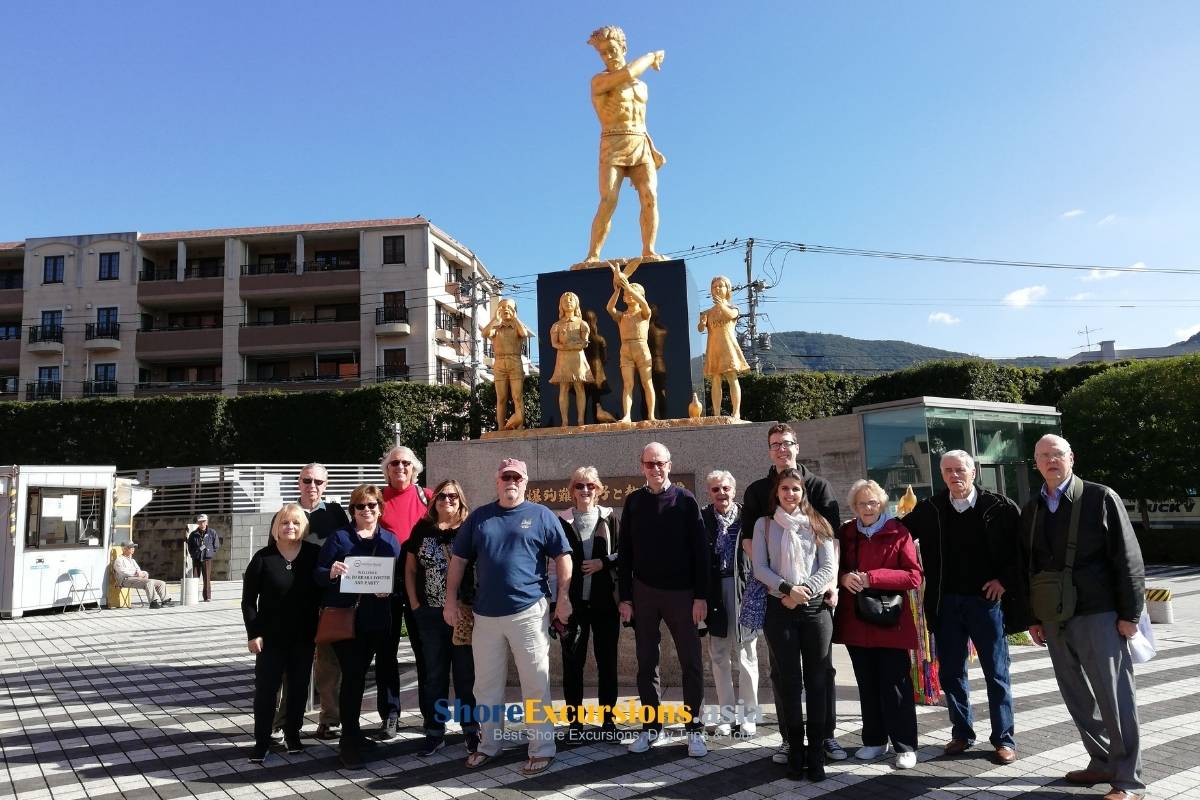
Unlike many war museums that concentrate on military strategy or political events, this museum approaches history through the experiences of ordinary people. Its galleries follow a chronological narrative, helping visitors understand not only what happened on the day of the bombing but also how the city recovered in the decades that followed.
The museum welcomes travelers on Nagasaki shore excursions from around the world, including those with little prior knowledge of Nagasaki's wartime history. Clear English explanations accompany the exhibits, making it accessible even if you don't speak Japanese.
Most visitors spend between 90 minutes and two hours exploring the galleries at a comfortable pace, though history enthusiasts often stay longer. For anyone interested in modern history, cultural heritage, or meaningful travel experiences, the museum ranks among the city's most significant landmarks.
Information to know before visit Atomic Bomb Museum:
Address: 7 - 8 Hirano-machi, Nagasaki 852-8117, Japan
Opening Hours (everyday):
- May - August: 8:30 AM - 6:30 PM (last admission 6:00 PM)
- September - April: 8:30 AM - 5:30 PM (last admission 5:00 PM)
- August 7 - 9: Open until 8:00 PM (last admission 7:30 PM)
Admission Fees (2026 Updated):
- Adults: ¥200
- Elementary, Junior High & High School Students: ¥100
- Preschool Children: Free
Accessibility: The museum has been designed to accommodate visitors of different ages and mobility levels.
Nearby Attractions:
- Nagasaki Peace Park (about 3 minutes)
- National Peace Memorial Hall for the Atomic Bomb Victims (next door)
- Hypocenter Park (about 5 minutes)
- Urakami Cathedral (around 10 minutes)
Selected Nagasaki shore excursions with Atomic Bomb Museum:
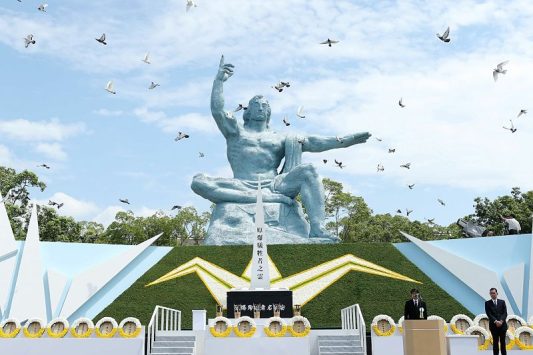
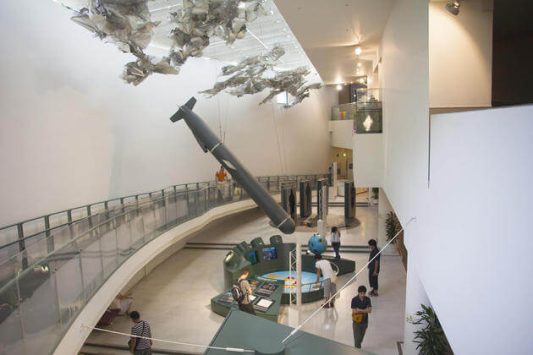
Nagasaki Shore Excursions
Cruise Ships: Diamond Princess, Celebrity Millennium, NCL Jade, Spectrum of the Seas, Azamara Pursuit
Back-to-Ship Guarantee: Return to Your Ship 90-120 Minutes Before Departure
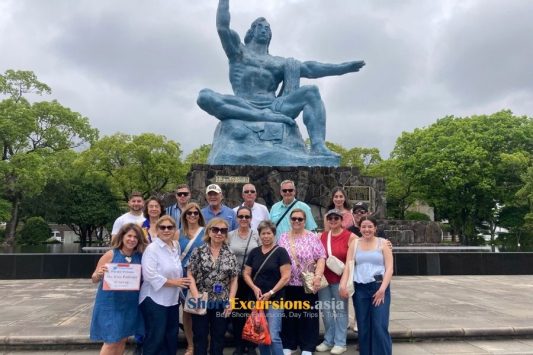

Nagasaki Shore Excursions
Cruise Ships:Celebrity Millennium
Back-to-Ship Guarantee: Return to Your Ship 90-120 Minutes Before Departure
Is Atomic Bomb Museum Worth Visiting?
Many travelers wonder whether the Atomic Bomb Museum is worth visiting if they have already been to Hiroshima or have a general understanding of World War II. The answer is yes.
Although the Nagasaki and Hiroshima share similar histories, the stories presented in Nagasaki are distinct. The city's geography, religious heritage, and multicultural background shaped both the bombing and its recovery in unique ways.
One of the museum's greatest strengths is its balanced presentation. Rather than relying on dramatic displays, it uses authentic artifacts and survivor testimonies to encourage thoughtful reflection. Visitors are invited to consider not only the destruction caused by nuclear weapons but also the value of reconciliation, international cooperation, and peace education.
For many, the visit also changes how they see the surrounding city. Walking through modern Nagasaki after leaving the museum, it's difficult not to appreciate how remarkably the community rebuilt itself while continuing to honor those who were lost.
What to Expect Inside the Museum
One of the reasons the Nagasaki Atomic Bomb Museum leaves such a lasting impression is the way it guides visitors through the events of August 9, 1945. By the time you reach the final galleries, you've not only learned about a historical event but also gained a deeper appreciation for the people whose lives were forever changed.
Life in Nagasaki Before the Bombing
The first gallery introduces visitors to Nagasaki before August 9, 1945, offering valuable context before exploring the tragic events that followed. Rather than beginning with scenes of destruction, the exhibition paints a picture of a vibrant city where everyday life unfolded much like any other Japanese community.
Highlights in this section include:
- Historic photographs showing daily life, bustling streets, and residential neighborhoods.
- Scale models and maps illustrating the layout of Nagasaki before the bombing.
- Exhibits explaining the city's role as Japan's historic international trading port.
- Displays featuring the Urakami district, where homes, schools, churches, and hospitals once stood.
This introduction helps visitors connect emotionally with the city by showing what was lost, making the later galleries even more impactful.
The Moment Everything Changed in Nagasaki City
As you move deeper into the Atomic Bomb Museum in Nagasaki, the atmosphere becomes noticeably quieter. The exhibitions carefully explain what happened at 11:02 a.m. on August 9, 1945, using historical records, maps, and multimedia displays to present the events in a clear and respectful way.
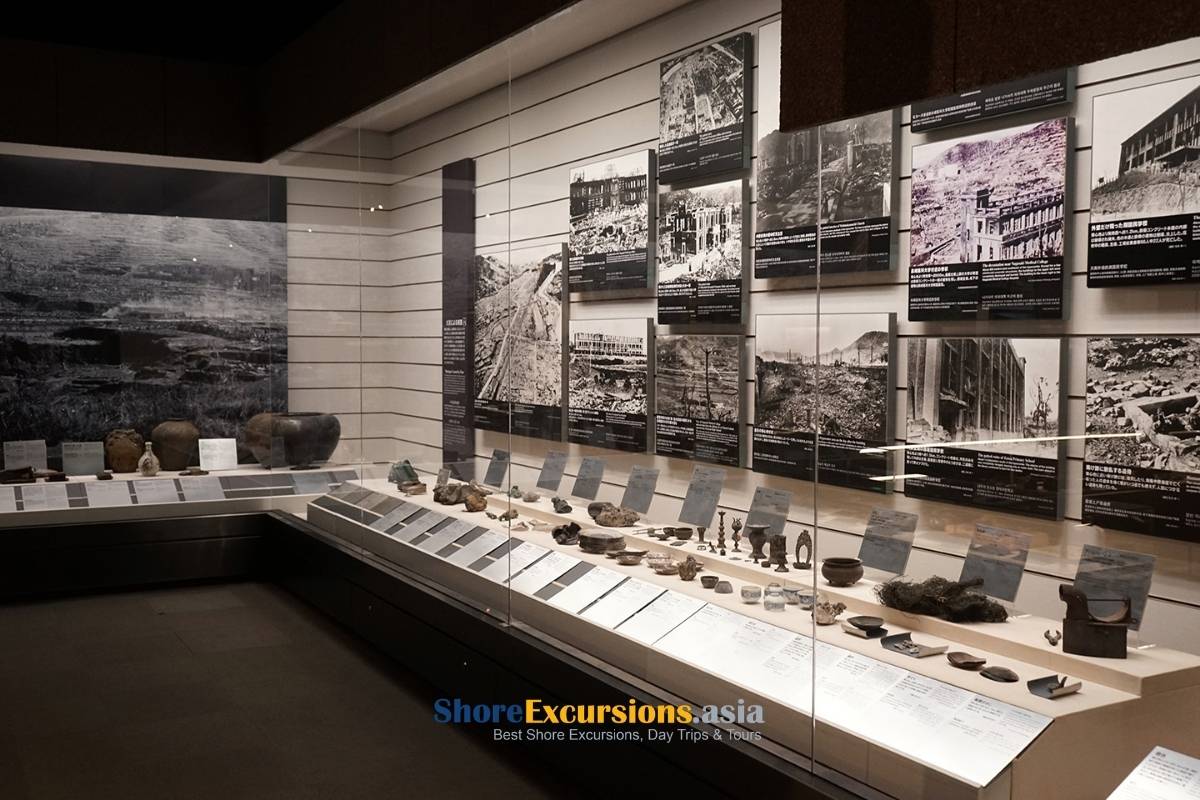
When exploring, you would find:
- A detailed explanation of how the atomic bomb detonated approximately 500 meters above the city.
- Large maps illustrating the blast radius and the areas most severely affected.
- Visual displays explaining the effects of:
- Extreme heat
- Powerful shock waves
- Radiation exposure
- Timelines that combine major historical events with the experiences of local residents.
Instead of relying solely on statistics, the museum helps visitors understand how ordinary lives changed within seconds.
Artifacts That Tell Human True Stories
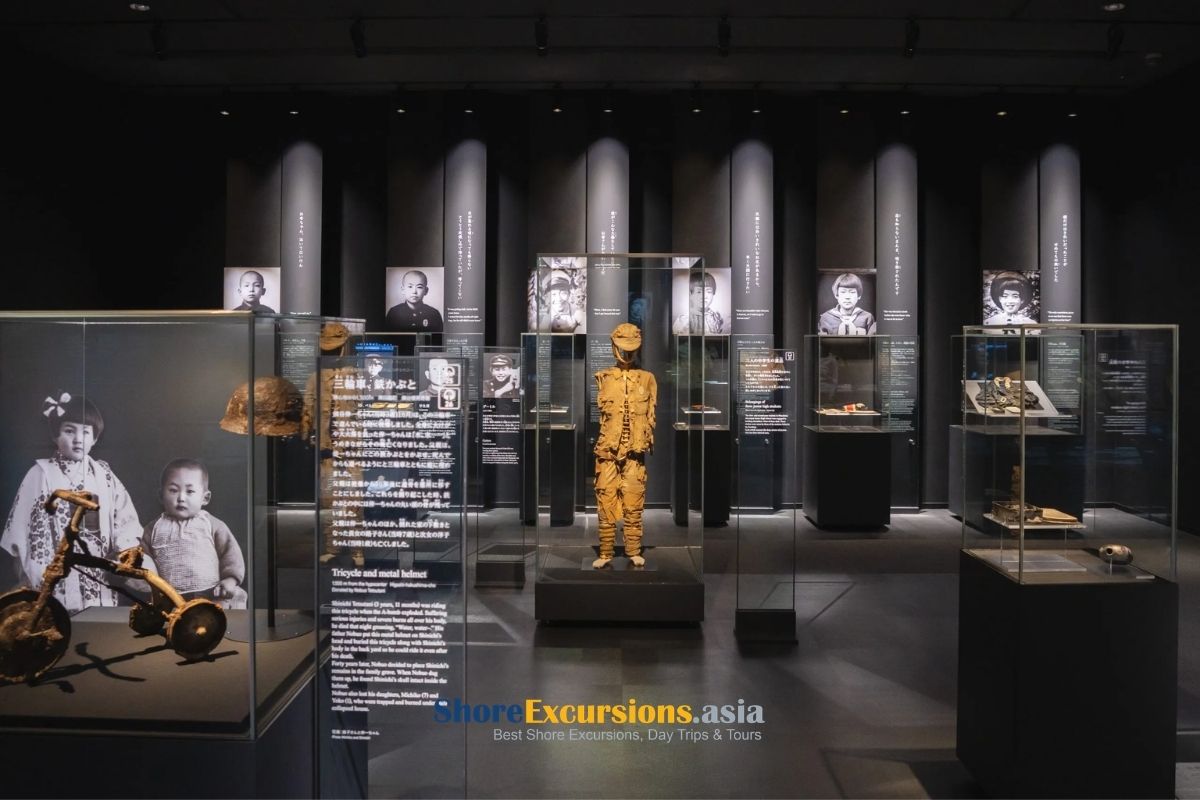
For many visitors, this is the most memorable section of the Atomic Bomb Museum in Nagasaki. The collection features personal belongings recovered from the ruins, each representing an individual story rather than simply serving as a historical artifact.
Among the most striking exhibits are:
- Melted glass bottles deformed by the intense heat.
- Burned school uniforms and damaged clothing.
- Metal lunch boxes recovered from the blast zone.
- Roof tiles warped by extreme temperatures.
- Rosary beads found in the ruins of churches.
- Clocks permanently stopped at 11:02 a.m.
Whenever possible, the museum identifies the original owners of these items, adding a deeply personal dimension to each display. Taking time to read these stories often transforms seemingly ordinary objects into some of the most moving exhibits in the museum.
Voices of the Survivors
Historical artifacts tell part of the story, but survivor testimonies bring it to life in a way that few museum exhibits can. Throughout this gallery inside Atomic Bomb Museum in Nagasaki, visitors can hear directly from people who experienced the bombing firsthand.
The exhibition includes:
- Recorded video interviews with survivors.
- Written memoirs translated into multiple languages.
- Historic photographs paired with personal accounts.
- Audio recordings describing memories of the bombing and its aftermath.
These testimonies explore subjects such as:
- The immediate impact of the explosion.
- Searching for missing family members.
- Living with radiation-related illnesses.
- Rebuilding life in the years after the war.
Many visitors spend longer in this gallery than expected, as the personal stories offer a powerful perspective that goes beyond dates and historical facts.
A Message for Future Generations
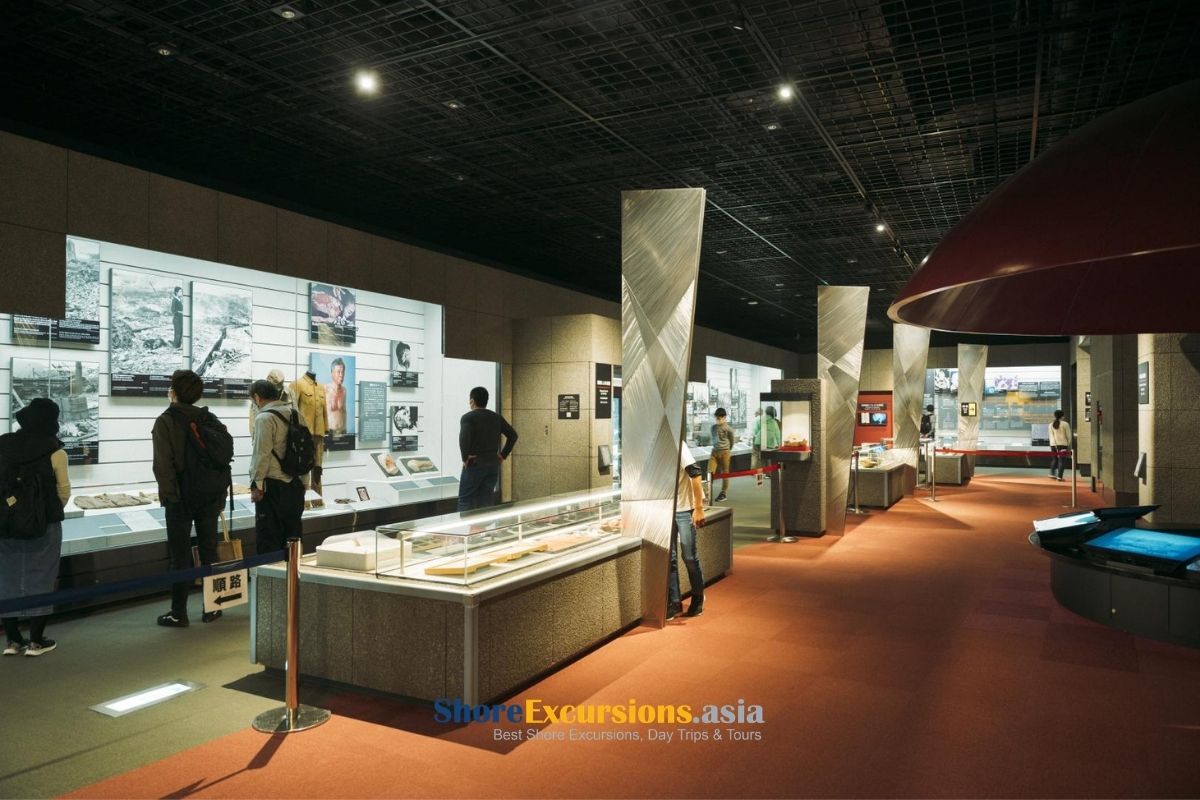
The final galleries shift the focus away from the events of 1945 and toward the importance of peace today. Rather than ending with tragedy, the museum encourages visitors to reflect on the lessons history can teach future generations.
Key themes include:
- Global efforts toward nuclear disarmament.
- Peace initiatives led by Nagasaki.
- International cooperation to prevent future conflicts.
- Educational programs promoting dialogue and mutual understanding.
Before leaving, many visitors pause in the reflection areas to absorb everything they have seen. Stepping outside into nearby Peace Park provides a natural continuation of the experience, allowing time to reflect before continuing the rest of the day's sightseeing.
Highlights You Shouldn't Miss in Nagasaki Atomic Bomb Museum
Although every gallery contributes to the overall experience, a few exhibits consistently leave the strongest impression on visitors.
- The Clock Stopped at 11:02: One of the museum's most iconic artifacts is a damaged clock that stopped at the exact moment the atomic bomb exploded. Simple yet profoundly symbolic, it serves as a reminder that countless ordinary lives were interrupted in an instant.
- Burned Rosary Beads: Recovered from the ruins of the Urakami district, these fragile objects reflect both the city's religious heritage and the devastating impact the bombing had on local communities.
- The Scale Model of the Blast: A detailed three-dimensional model illustrates the city immediately before and after the explosion. Combined with lighting effects and explanatory narration, it helps visitors visualize the extent of the destruction far more effectively than maps or photographs alone.
- Personal Belongings Recovered from the Rubble: A child's shoe, a melted bottle, a damaged bicycle, and handwritten letters all tell stories that numbers never could.
- Multimedia Testimonies: Even if you've already explored the written displays, hearing survivors describe their experiences in their own voices adds another layer of understanding.
How Long Does It Take to Visit Atomic Bomb Museum?
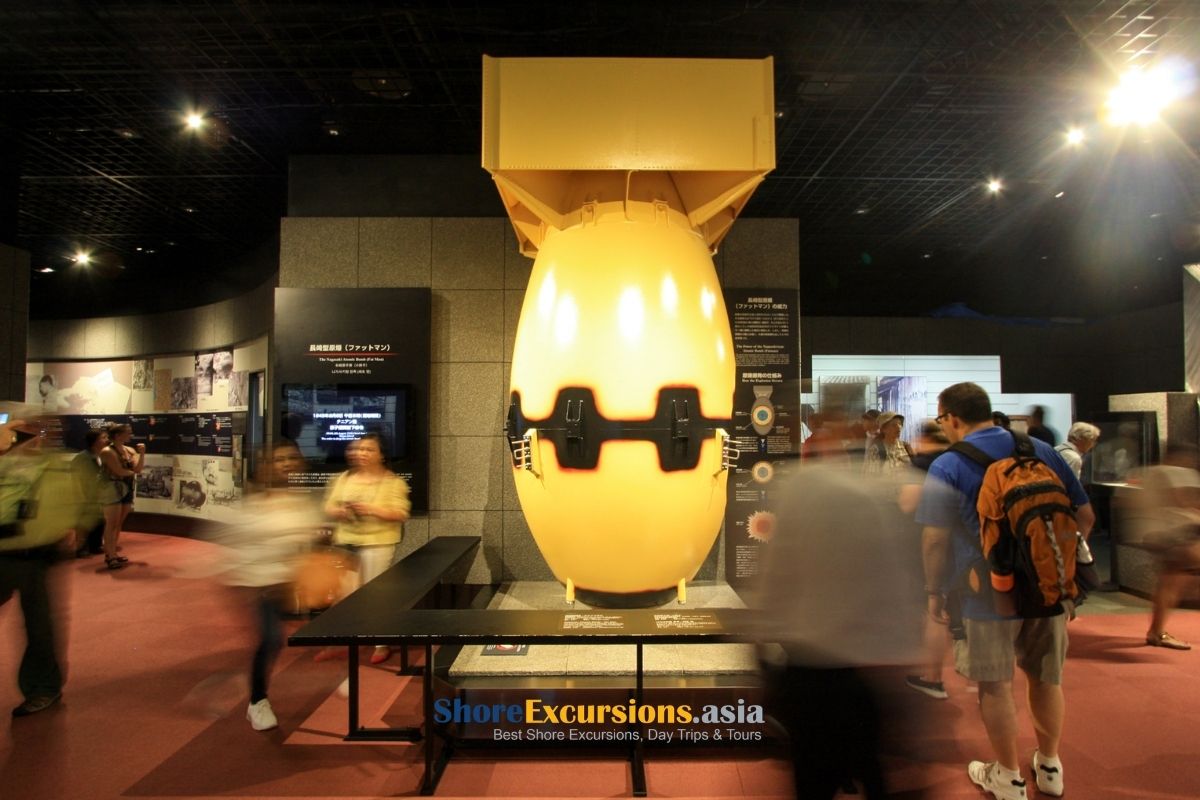
Most visitors spend between 1.5 and 2 hours at the Atomic Bomb Museum in Nagasaki. This gives you enough time to explore the permanent exhibitions, read the information panels, view the key artifacts, and watch a few multimedia presentations without feeling rushed. If you have a particular interest in World War II history or peace education, you may want to allow up to three hours for a more in-depth visit.
To make the most of your experience, consider the following:
- Visit earlier in the day if you prefer a quieter atmosphere and more time to explore at your own pace.
- Avoid rushing through the galleries. Many of the exhibits are accompanied by personal stories that are worth taking the time to read.
- Leave extra time for Peace Park, which is just a short walk from the museum and naturally complements the visit.
- If you're interested in World War II history or peace studies, plan for at least two hours to fully appreciate the exhibitions.
Best Time to Visit Nagasaki Atomic Bomb Museum
The museum can become busy during weekends, Japanese holidays, and school excursion seasons. Visiting at a quieter time allows you to explore the exhibitions at your own pace and spend more time reading the personal stories behind each display.
For the best experience, consider:
- Arriving shortly after opening for a quieter atmosphere.
- Weekday mornings if your schedule is flexible.
- Allowing 1.5 - 2 hours before continuing to Peace Park and the surrounding memorial sites.
- Visiting during spring (March–May) or autumn (October–November), when Nagasaki's weather is comfortable for walking between attractions.
If you're visiting around August 9, the anniversary of the atomic bombing, expect larger crowds and memorial ceremonies throughout the area. While this can be a meaningful time to visit, it's also the busiest period of the year.
How to Get to the Atomic Bomb Museum in Nagasaki?
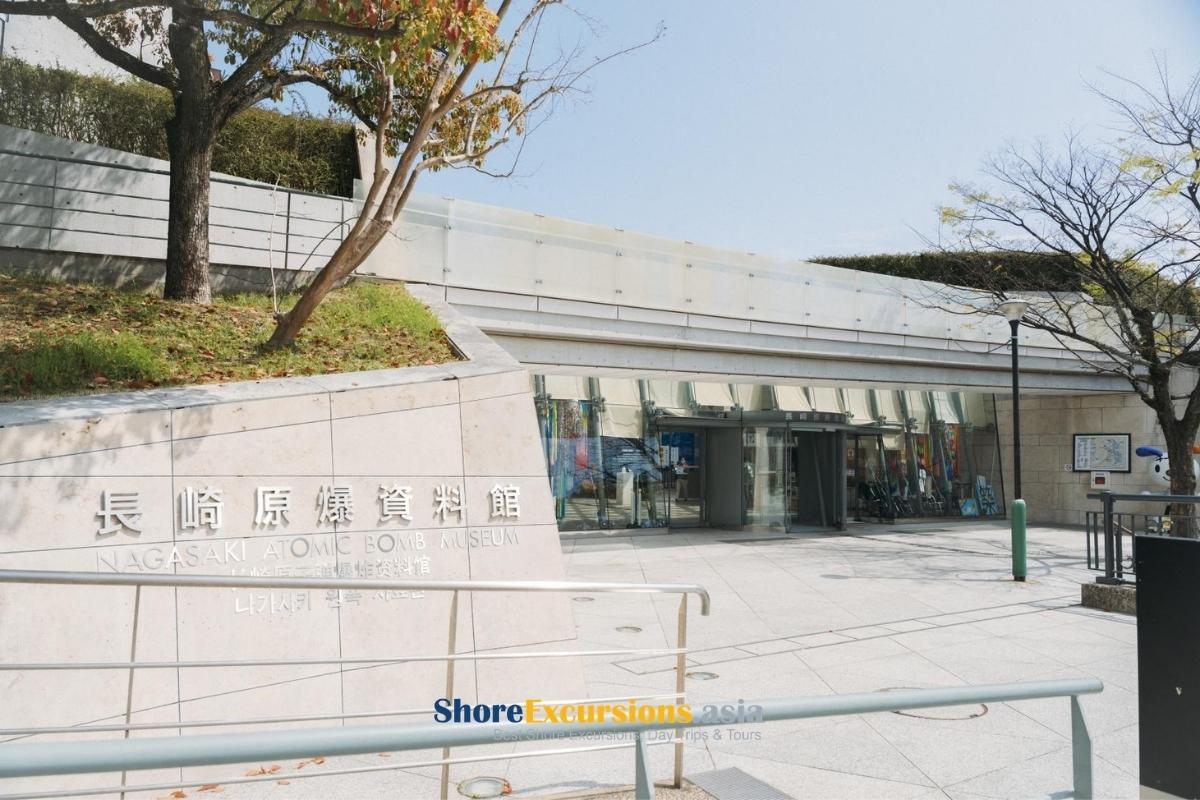
The easiest way to get to the Atomic Bomb Museum in Nagasaki is by tram, taxi, or bus. The museum is located in the Peace Park area, and its convenient location makes it easy to reach from Nagasaki Station, the cruise port, and other major sightseeing spots in the city.
From Nagasaki Cruise Port
If you're arriving on a cruise, the museum is one of the city's most popular shore excursion destinations. You can reach it by:
- Taxi: Around 15 - 20 minutes.
- Tram: Walk to the nearest tram stop near the cruise terminal and transfer to Line 1.
- Shore excursion bus: Many cruise operators include the museum and Peace Park in their guided tours.
Most cruise visitors combine the museum with Peace Park before returning to the port.
From Nagasaki Station
The most convenient option is the Nagasaki Electric Tramway.
By tram:
- Take Line 1 toward Akasako.
- Get off at Atomic Bomb Museum (Genbaku Shiryokan) stop.
- Walk about 5 minutes to the museum entrance.
Travel time: Approximately 15 - 20 minutes.
By taxi: A convenient option if you're traveling with luggage or a group.
- Around 10 - 15 minutes, depending on traffic.
By Rental Car
Driving is an option, although it isn't necessary for most travelers staying in central Nagasaki. If you choose to travel independently with rental car, please keep in mind:
- There is no large dedicated parking lot at the museum.
- Several paid parking facilities are available nearby.
- Traffic can become heavier during weekends and national holidays.
If you're already exploring other parts of Kyushu by car, visiting the museum is still relatively convenient.
Tips for Visiting the Atomic Bomb Museum in Nagasaki
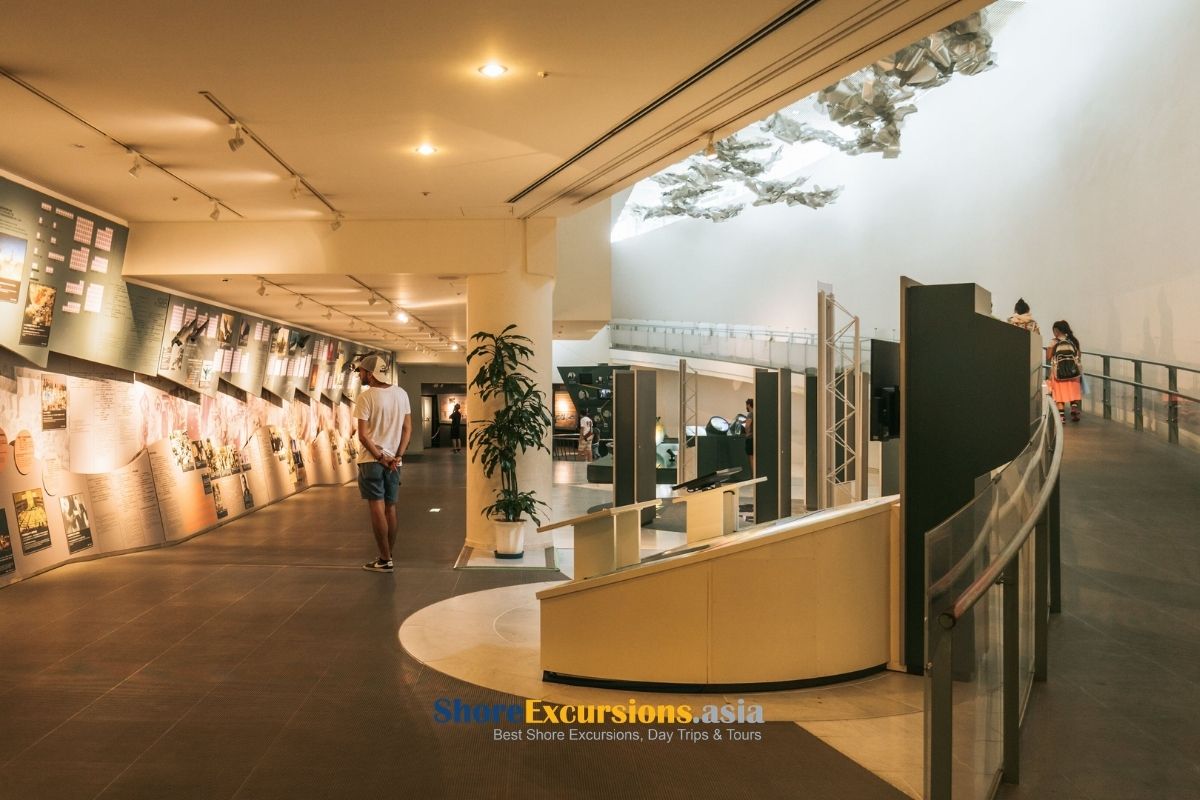
Although the museum is suitable for international travelers of all backgrounds, many visitors find the experience emotional. Planning your visit with enough time and approaching the exhibitions thoughtfully will help you better understand Nagasaki's history.
Here are some useful tips for visiting the Atomic Bomb Museum in Nagasaki:
- Set aside enough time for your visit: Plan to spend around 1 - 2 hours exploring the museum. Many exhibits contain detailed historical information and personal stories that require time to fully understand and reflect on.
- Learn some background information before visiting: Having basic knowledge about the atomic bombing of Nagasaki will help you better appreciate the exhibits, including survivor testimonies, historical photographs, and preserved artifacts.
- Visit with a respectful attitude: The museum is not only a tourist attraction but also a place of remembrance for the victims of the bombing. Visitors should maintain a quiet atmosphere and show respect while viewing the exhibits.
- Be prepared for an emotional experience: Some exhibits, including personal belongings, photographs, and survivor accounts, can be deeply moving. Take your time and allow yourself to reflect on the stories behind the displays.
- Check practical information in advance: Before your visit, check the museum’s opening hours, admission fees, access information, and any visitor guidelines to plan your trip smoothly.
- Combine your visit with exploring Nagasaki: The museum can be part of a larger Nagasaki 1 day itinerary. After learning about the city’s wartime history, visitors can discover its unique culture, historic streets, local cuisine, and the influences of international exchange.
The Atomic Bomb Museum in Nagasaki is more than a historical attraction, it is a place that encourages visitors to reflect on the impact of war, the strength of human resilience, and the importance of peace. For travelers exploring Nagasaki, visiting the museum alongside Peace Park and other nearby memorial sites offers a deeper connection to the city. It is a meaningful stop that stays with many visitors long after they leave.

 Send Inquiry