
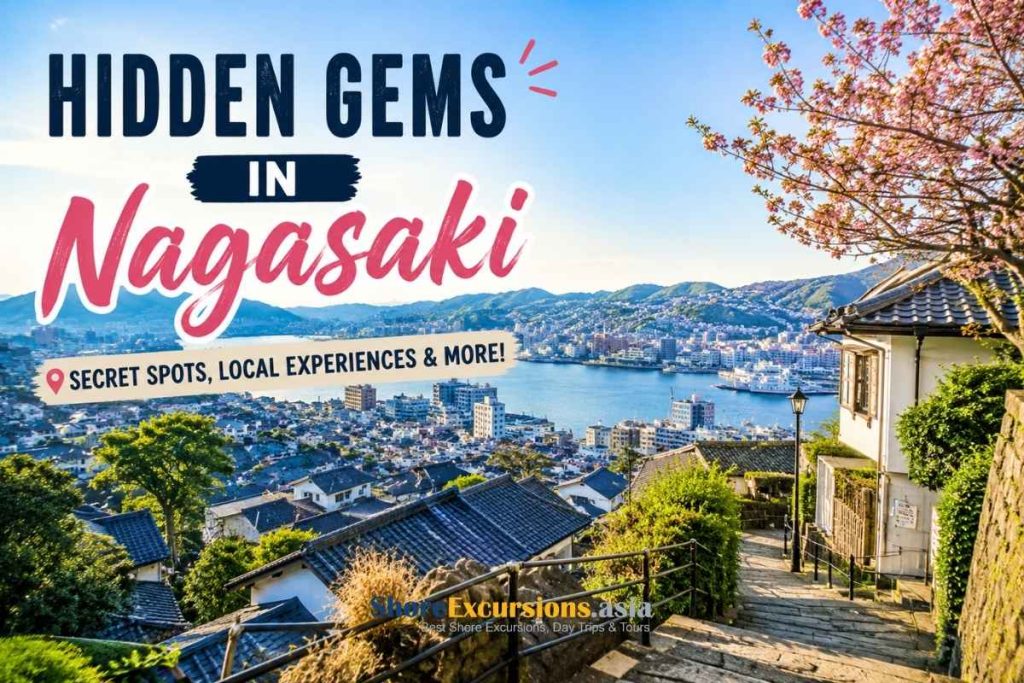
Nagasaki shore excursions are often associated with iconic landmarks like Peace Park, Glover Garden, and the Atomic Bomb Museum. While these attractions deserve a place on every itinerary, they only reveal part of the city's character. This guide brings together some of the best hidden gems in Nagasaki, along with practical tips to help you explore them confidently. These lesser-known places allow you to experience the city's layered history through a more personal lens.
Why Choose to Explore Hidden Gems in Nagasaki?
Exploring Nagasaki hidden gems offers a more authentic view of the city beyond its famous landmarks. As Japan’s historic gateway to the world, its unique blend of Japanese, Chinese, and European influences can still be found in quiet neighborhoods, local cafés, temples, and historic streets.
Many of these lesser-known spots remain peaceful even during peak travel seasons, making them perfect for escaping the crowds while discovering scenic viewpoints, shrines, and charming districts. Along the way, you’ll uncover hidden stories of Christian heritage, merchant communities, and maritime traditions that reveal the rich history and distinctive character of Nagasaki.
15 Hidden Gems in Nagasaki Worth Visiting
Beyond its famous landmarks, Nagasaki is full of lesser-known places that showcase the city's history, culture, and natural beauty. From peaceful temples and scenic viewpoints to charming neighborhoods and local cafés, these hidden gems offer a quieter, more authentic travel experience. Here are 15 hidden gems in Nagasaki worth adding to your itinerary.
1. Kazagashira Park
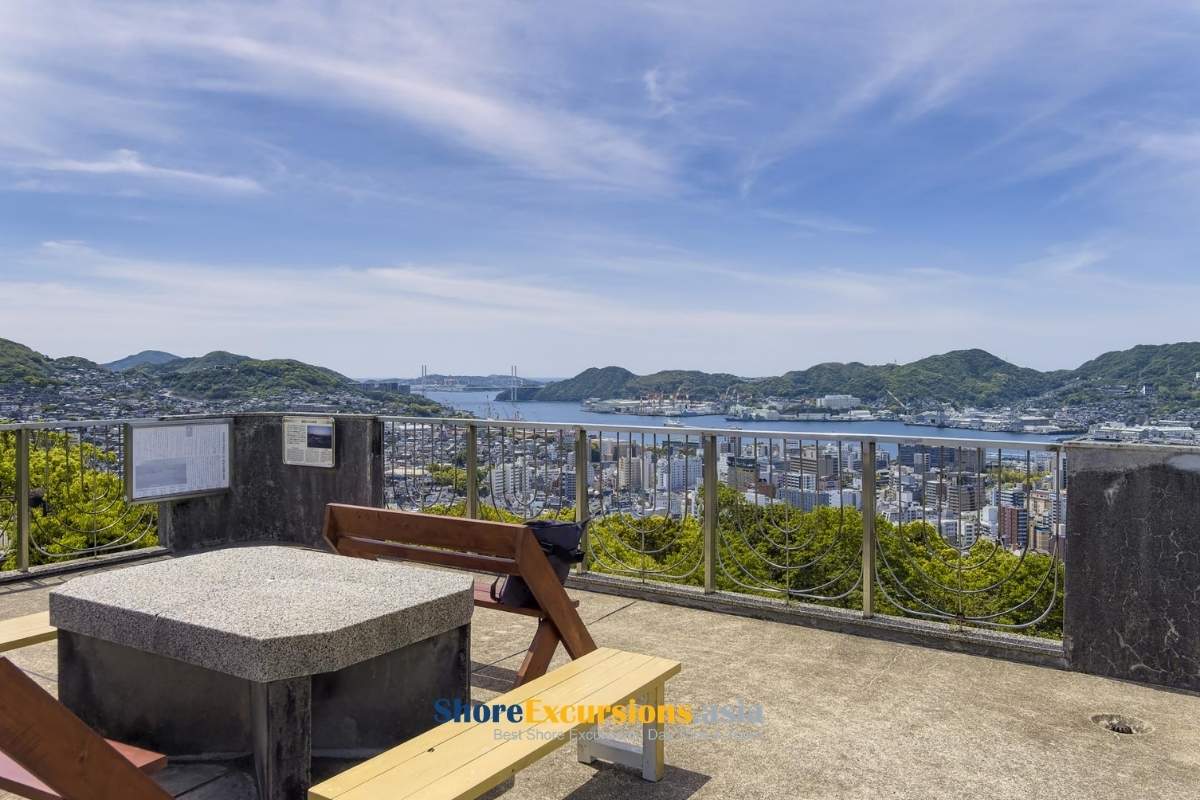
Perched on one of Nagasaki's hillsides, Kazagashira Park rewards visitors with one of the city's finest panoramic views. Despite its spectacular scenery, it remains noticeably quieter than the famous observation deck on Mount Inasa.
The park is also home to a statue of Sakamoto Ryoma, one of Japan's most influential historical figures. During spring, cherry blossoms frame the city skyline, creating one of the most photogenic landscapes in Nagasaki.
Highlights:
- Panoramic city views
- Sakamoto Ryoma statue
- Cherry blossoms in spring
- Excellent photography location
Insider tip: The final approach involves several uphill streets, so wear comfortable walking shoes and allow extra time if you're exploring on foot.
2. Tateyama Park - One of Nagasaki Hidden Gems
While many visitors head directly to Mount Inasa for panoramic views, Tateyama Park offers a peaceful alternative with far fewer people. This neighborhood park (one of hidden gems in Nagasaki) combines elevated city vistas with seasonal flowers and wide open spaces where local families often gather.
Its relaxed atmosphere makes it an ideal stop during a leisurely afternoon walk. In autumn, colorful foliage adds another reason to visit, while spring brings blooming cherry trees that create a completely different landscape. Unlike busier observation points, you can often sit quietly on a bench and simply enjoy the changing scenery without competing for space.
=> Read More: Top 15 Best Scenic Spots to See Japan Autumn Foliage
3. Sofukuji Temple
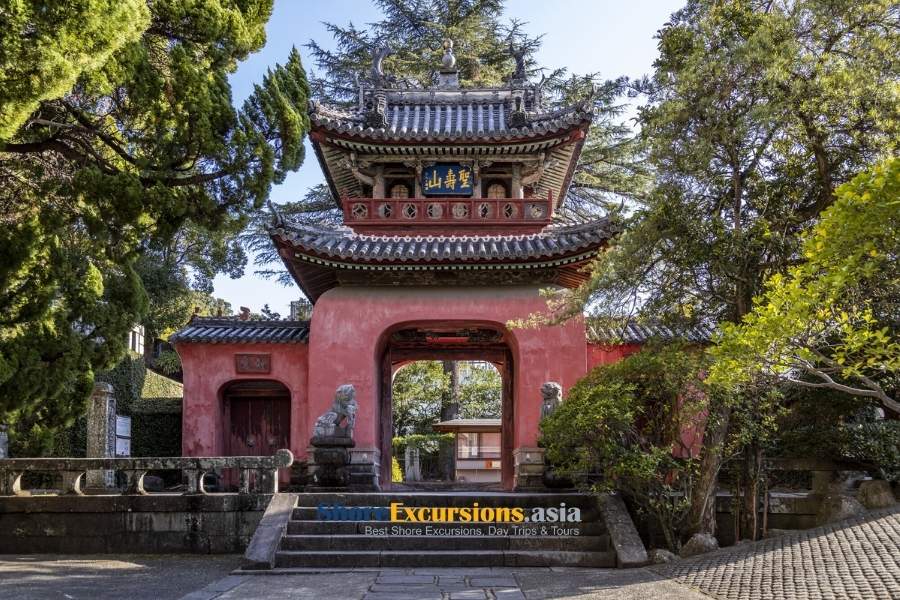
Among the oldest Chinese temples in Japan, Sofukuji Temple reflects the strong ties between Nagasaki and Chinese merchants who settled here centuries ago. The temple's vibrant red gate immediately stands out, but the peaceful grounds beyond are equally impressive.
Wooden halls, carefully maintained gardens, and traditional Zen architecture create an atmosphere that encourages visitors to slow down and appreciate the details. Although Sofukuji sits close to the city center, many travelers overlook it while visiting nearby attractions, making it one of the most rewarding Nagasaki hidden gems for those interested in history and culture.
Don't miss:
- Historic Chinese architecture
- Quiet Zen gardens
- Beautiful temple gate
- Seasonal flowers throughout the year
4. Fukusai-ji Temple - One of Nagasaki Hidden Gems
Few temples in Japan leave such a memorable first impression as Fukusai-ji. Built to honor victims of World War II, the temple features an enormous white statue resting upon a giant turtle-shaped base.
The unusual architecture alone makes it worth visiting, but the peaceful atmosphere adds another dimension. Incense drifts through the air, bells echo softly across the grounds, and visitors often pause quietly to reflect. Despite its distinctive appearance, Fukusai-ji remains absent from many standard sightseeing itineraries.
5. Suwa Shrine's Hidden Stairways
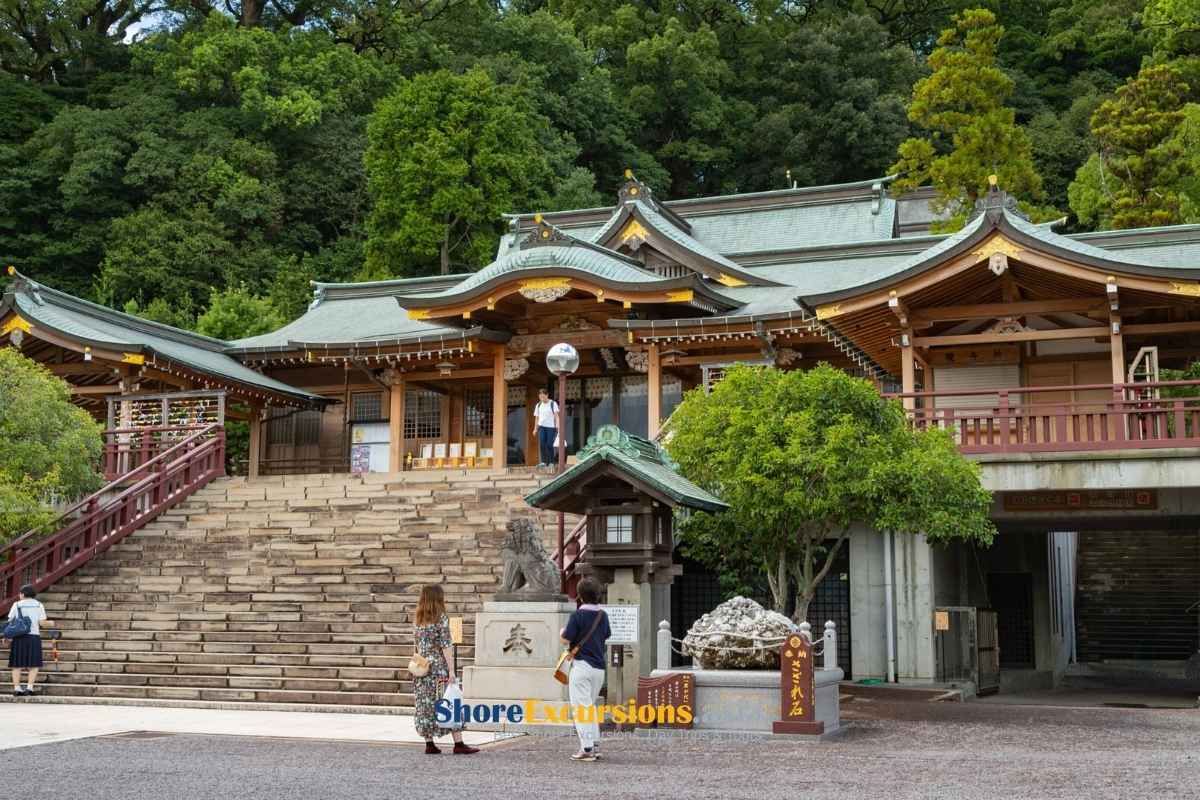
Suwa Shrine is one of Nagasaki's most important Shinto shrines, yet many visitors never venture beyond its main entrance. Behind the primary buildings, narrow stone staircases weave through wooded hillsides, connecting smaller shrines, lanterns, and secluded prayer areas. The further you walk, the quieter everything becomes.
These shaded pathways offer a completely different experience from the busy city streets below and provide occasional glimpses across rooftops toward Nagasaki Harbor. The route involves plenty of steps, but every turn reveals another peaceful corner waiting to be explored.
6. Dutch Slope's Quiet Side Streets
Most visitors stroll along the famous Dutch Slope before moving on to Glover Garden. However, the narrow residential lanes branching away from the main street reveal an entirely different atmosphere. Historic Western-style houses, ivy-covered stone walls, hidden staircases, and charming gardens create countless photo opportunities without the crowds found on the main route.
Take time to wander without following a strict map. Some of the most rewarding discoveries are tucked into quiet corners that don't appear in guidebooks. Small cafés and independent galleries occasionally appear between historic homes, making it easy to spend an hour exploring this picturesque neighborhood at your own pace.
7. Nakashima River Stone Bridges
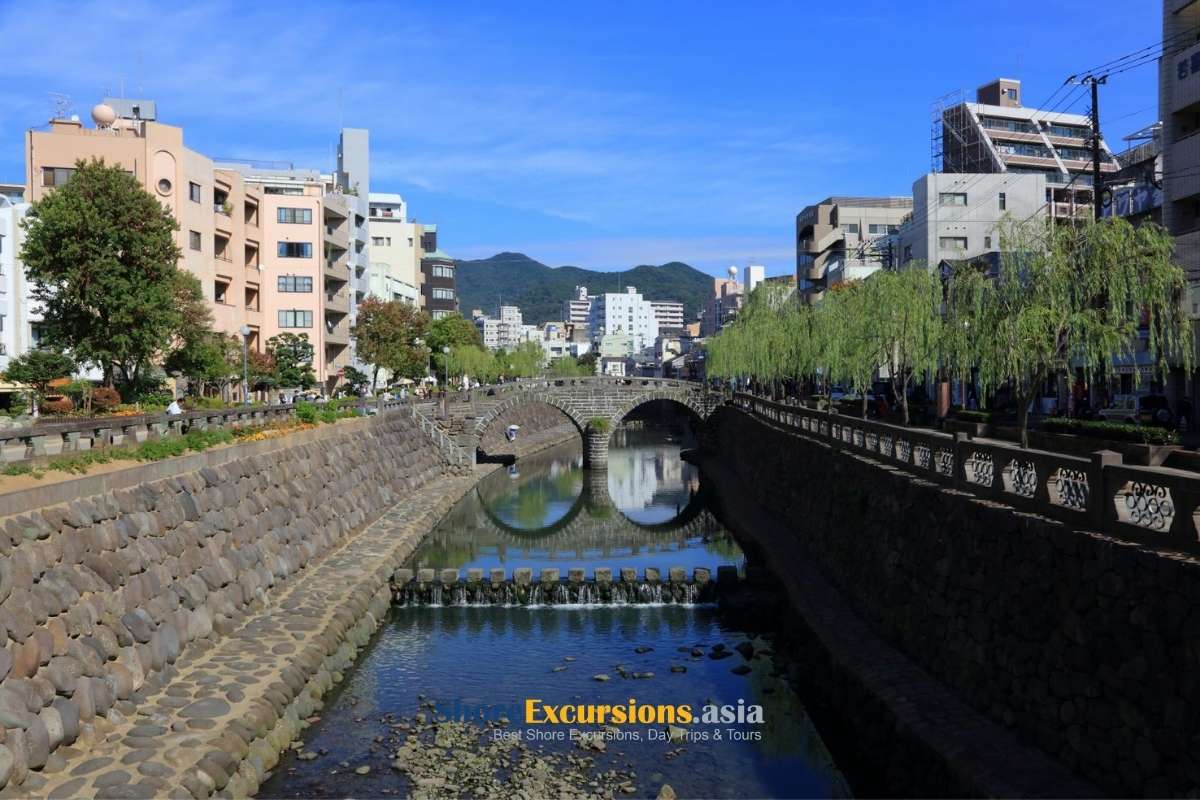
The Nakashima River is lined with elegant stone bridges that have connected neighborhoods for centuries. While Megane Bridge attracts most visitors, several neighboring bridges remain pleasantly quiet throughout the day.
Walking alongside the river reveals traditional buildings, local cafés, and tree-lined pathways that encourage a slower pace. Early morning is particularly beautiful, when calm water reflects the surrounding architecture before the streets become busy. Among the many hidden gems in Nagasaki, this riverside walk offers one of the easiest ways to experience everyday city life while enjoying an important piece of local history.
Recommended nearby stops:
- Small coffee shops
- Traditional confectionery stores
- Local bookstores
- Riverside benches perfect for a short break
8. Confucius Shrine - Hidden Place to Visit in Nagasaki
Nestled near Oura and overlooking Nagasaki Harbor, the Confucius Shrine is one of the few temples in Japan dedicated to the Chinese philosopher. Built by the local Chinese community in the late nineteenth century, it reflects the deep cultural connections that have shaped Nagasaki for generations.
The bright yellow roofs, intricately carved pillars, and colorful courtyards create a striking contrast to the understated aesthetic of many Japanese shrines. Beyond the main hall, the adjoining museum houses artifacts that illustrate centuries of cultural exchange between China and Japan.
Highlights:
- Traditional Chinese architecture
- Museum of Chinese history and culture
- Harbor views nearby
- Peaceful atmosphere for photography
9. Nagasaki City Hall Observation Deck
The observation deck at Nagasaki City Hall offers sweeping views across the harbor, downtown streets, and the surrounding mountains. Floor-to-ceiling windows make it a comfortable option even on rainy or windy days, while evening visitors can enjoy the city's illuminated skyline without taking the ropeway. It's on of ideal hidden gems in Nagasaki for travelers with limited time or anyone looking for a convenient photography location before dinner.
Insider tip: Visit about an hour before sunset. You'll enjoy daylight views first, then watch the city gradually light up as dusk settles over the harbor.
10. Kameyama Shachu Memorial Museum
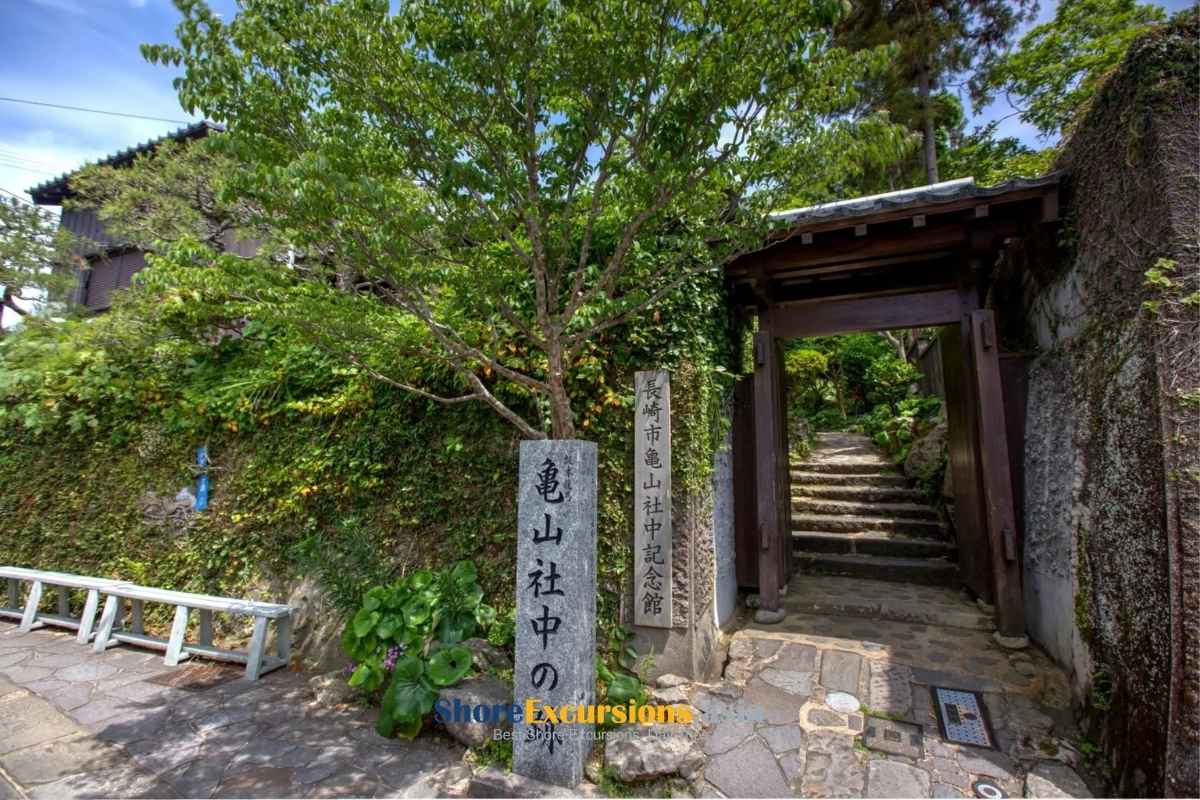
History enthusiasts shouldn't miss this small but fascinating museum dedicated to Sakamoto Ryoma and the Kameyama Shachu, one of Japan's earliest modern trading companies. The museum itself is modest, but reaching it is part of the experience. The surrounding hillside neighborhood is filled with stone staircases, traditional houses, and narrow lanes that preserve the atmosphere of old Nagasaki.
Unlike larger museums, the exhibits feel intimate and focused, making it easier to appreciate the stories behind one of Japan's most influential historical figures. If you're interested in Japanese history, this stop adds valuable context to your visit while taking you through one of the city's most charming residential districts.
11. Iojima Island - One of Hidden Gems in Nagasaki
Only a short drive or bus ride from central Nagasaki, Iojima Island feels worlds away from the urban landscape. Connected to the mainland by bridge, the island is known for its relaxed coastal scenery, cycling routes, sandy beaches, and ocean views. Among the many hidden gems in Nagasaki, Iojima is perfect for travelers who want to combine sightseeing with a slower pace and fresh sea air.
Recommended activities:
- Cycle around the island
- Visit Iojima Lighthouse
- Relax at the beach
- Enjoy an ocean-view hot spring
12. Takahama Beach
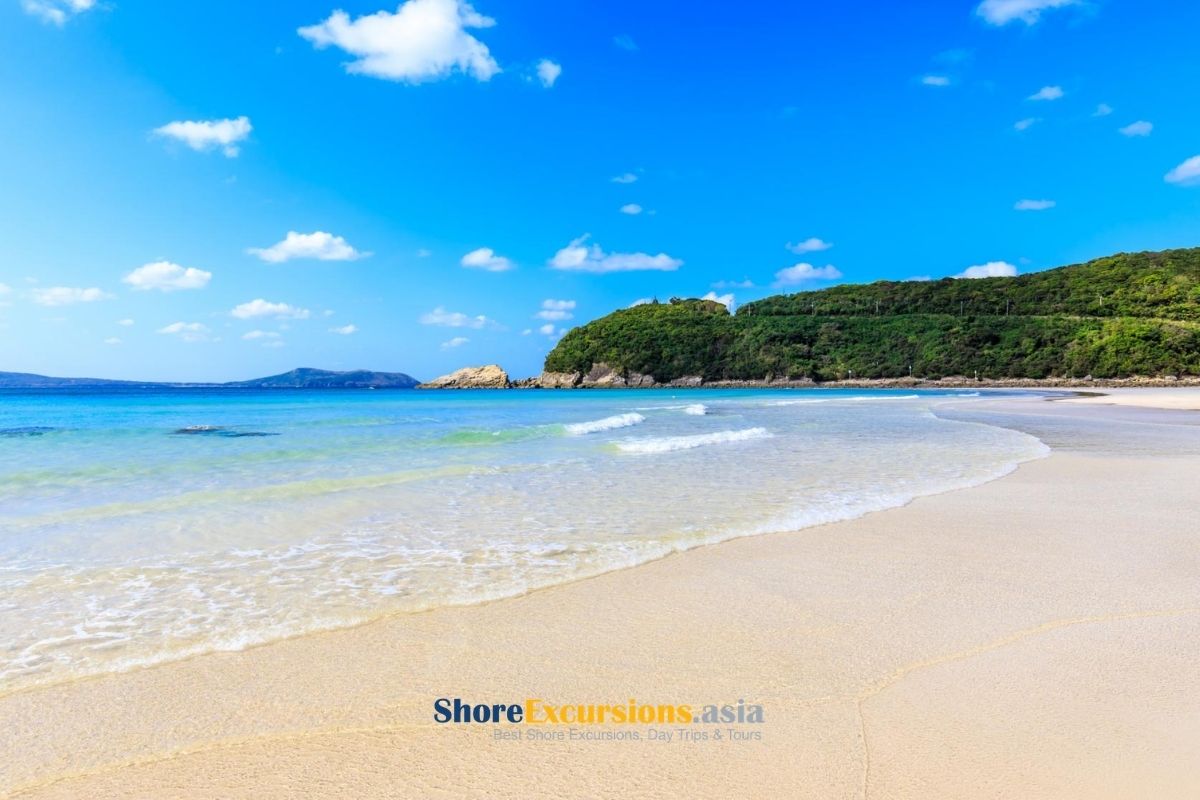
When people think of Nagasaki, beaches rarely come to mind. Yet Takahama Beach consistently ranks among Kyushu's most beautiful stretches of coastline.
Its clear water, soft white sand, and surrounding green hills create scenery that feels surprisingly tropical during summer. Outside the peak holiday season, the beach becomes wonderfully peaceful, making it an excellent destination for photography or a relaxing afternoon.
13. The Goto Islands
If your itinerary allows an extra day or two, the Goto Islands offer one of the most rewarding side trips in the prefecture. Scattered across the East China Sea, the islands are known for dramatic coastlines, quiet fishing villages, hidden beaches, and UNESCO-recognized Christian heritage sites.
While the islands have gained more international recognition in recent years, many villages still retain an authentic, unhurried atmosphere that feels increasingly rare. The Goto Islands demonstrate that unique things to do in Nagasaki Japan extend well beyond the city's urban attractions.
Practical Tips for Visiting Hidden Gems in Nagasaki
Many of Nagasaki's hidden gems are easy to reach, but a little planning can make your visit much smoother. These practical tips will help you enjoy a more comfortable and rewarding experience.
Getting Around Hidden Gems of Nagasaki
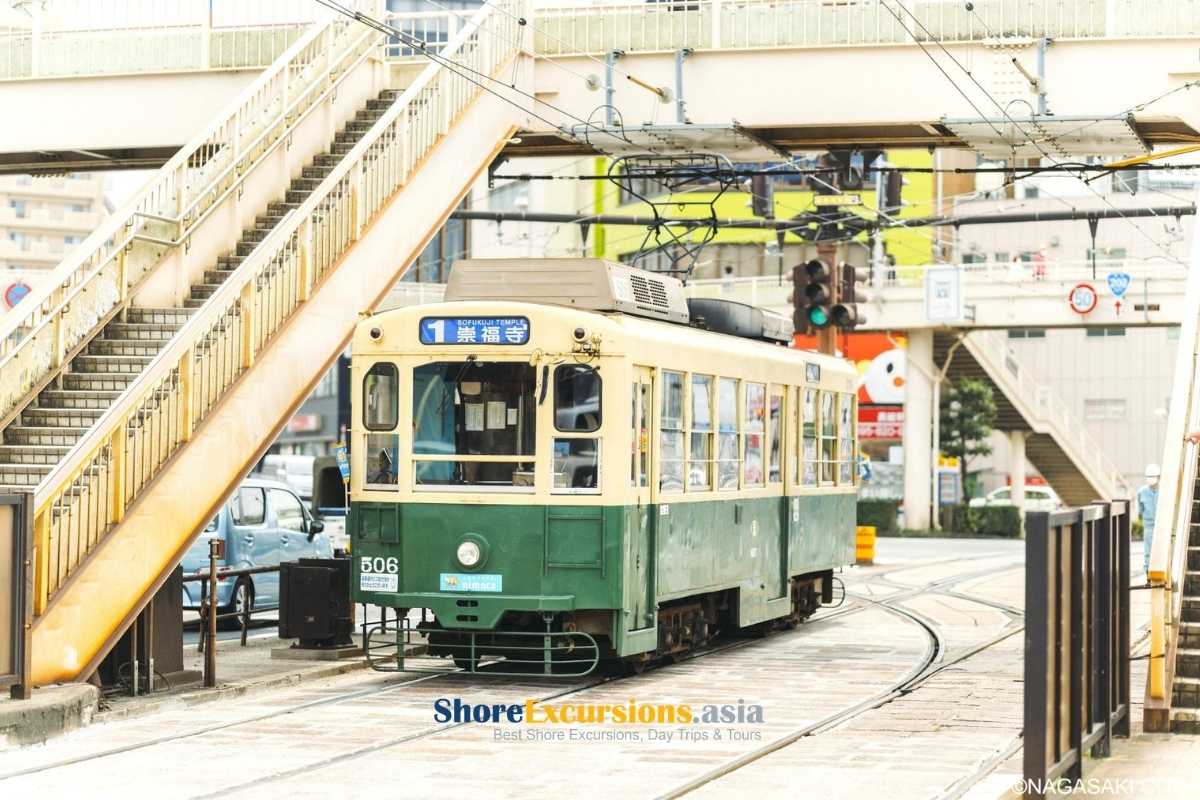
Nagasaki's tram network is one of the easiest and most affordable ways to travel between attractions. Most major sightseeing areas are connected by tram lines, while buses provide access to destinations farther from the city center.
Many of the locations featured in this guide require short uphill walks, so comfortable shoes are essential. Using public transportation for longer distances helps conserve energy for exploring the city's many stairways.
Be Prepared for Hills
Unlike cities built on flat plains, Nagasaki rises dramatically from the harbor. Some viewpoints involve several hundred steps, while others require walking along steep residential streets.
Taking regular breaks isn't simply practical, it often leads to unexpected discoveries, such as hidden shrines, quiet gardens, or scenic overlooks. If mobility is a concern, consider combining trams, taxis, and buses to reduce the amount of uphill walking.
Best Time to Visit Nagasaki Hidden Gems
Every season offers a different perspective on Nagasaki:
- Spring (March - April): Cherry blossoms transform parks like Kazagashira and Tateyama into colorful landscapes, making spring one of the most picturesque times to visit.
- Summer (June - August): Although temperatures are warm, coastal destinations such as Takahama Beach and Iojima Island become especially appealing.
- Autumn (October - November): Comfortable weather and vibrant foliage create excellent conditions for walking tours and photography.
- Winter (December - February): Clear skies often provide the best long-distance views from observation decks, while festive illuminations add charm to the city after dark.
FAQs about Hidden Gems in Nagasaki
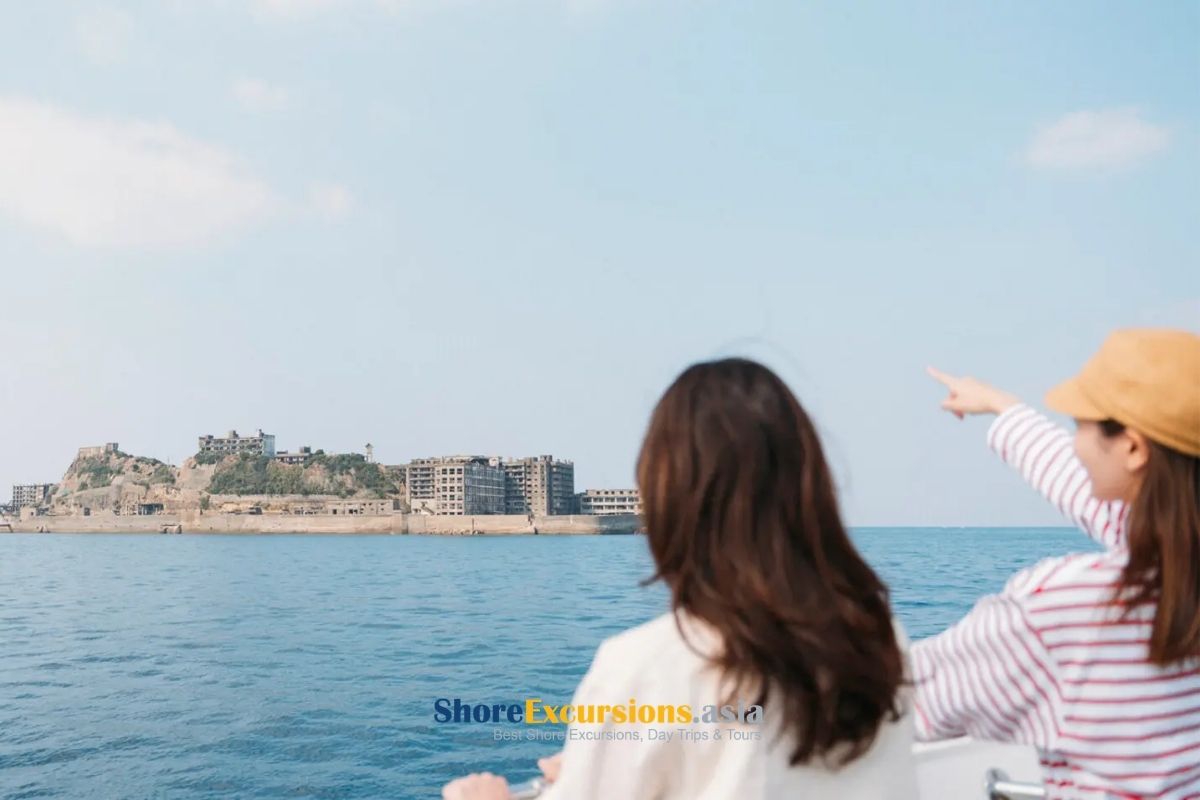
Planning a visit to Nagasaki’s hidden gems often comes with questions about transportation, the best places to explore, and how to make the most of your time. Below are answers to some common questions to help you prepare for a smoother and more enjoyable journey.
Are Nagasaki hidden gems easy to reach by public transportation?
Yes. Most locations are accessible using Nagasaki's tram network, followed by a short walk. A few destinations, including Iojima Island and Takahama Beach, require buses or a car, but they remain easy to visit as day trips.
Are these attractions suitable for first-time visitors?
Absolutely. Many of these locations complement rather than replace Nagasaki's major landmarks. Visiting one or two hidden spots alongside famous attractions creates a more balanced and memorable itinerary.
Which hidden gems are closest to the cruise port?
Travelers arriving by cruise can easily reach Dutch Slope, Confucius Shrine, Kofukuji Temple, Nakashima River, and the Nagasaki City Hall Observation Deck using public transportation or a combination of walking and trams.
Is one day enough to explore Nagasaki's hidden attractions?
One day allows you to visit several highlights, especially those within the city center. However, travelers interested in islands, beaches, and slower exploration will appreciate spending at least two days in Nagasaki.
Nagasaki is a city that rewards curiosity, and hidden gems in Nagasaki reveal a more authentic side of its history and culture.Explore these places allows travelers to slow down, discover unexpected experiences, and connect with the city's unique character in a more meaningful way.

 Send Inquiry