
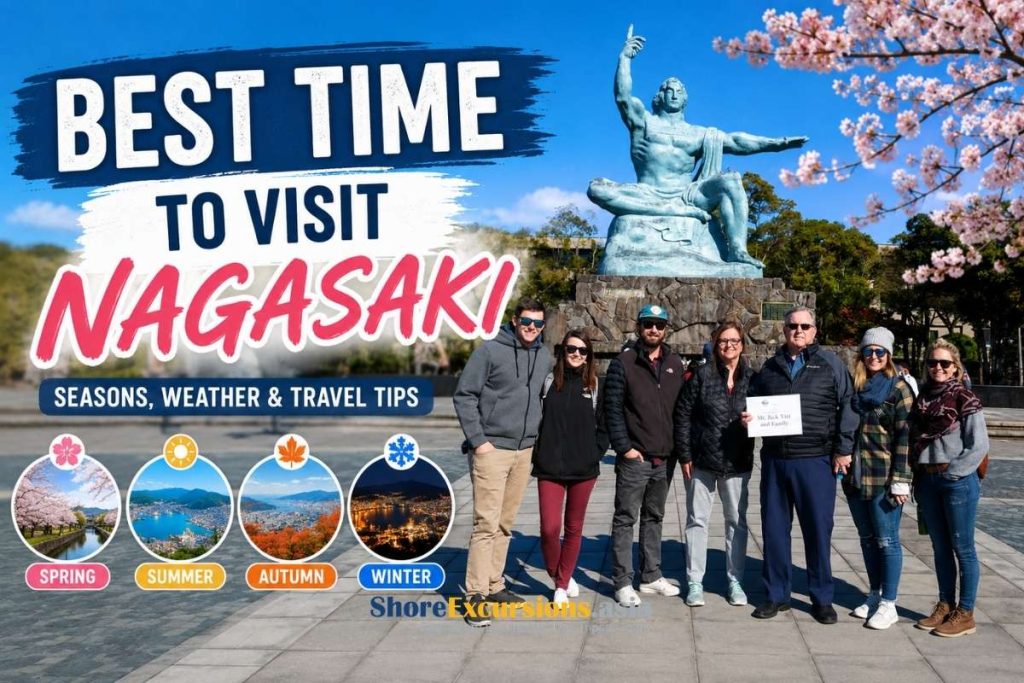
Unlike tours to many major cities in Japan, Nagasaki shore excursions make you feeling more relaxed and personal, making it a rewarding destination for travelers who enjoy exploring historic neighborhoods, cultural sites, and beautiful viewpoints. Choosing the best time to visit Nagasaki can significantly improve your experience in this city. Nagasaki has four distinct seasons, and each period brings something different.
Quick Answer: What Is the Best Time of Year to Visit Nagasaki Japan?
The best time of year to visit Nagasaki Japan is during spring (March to May) and autumn (September - November) when the weather is mild and outdoor exploration is most enjoyable. These two seasons are ideal for first-time visitors because most of Nagasaki’s highlights are outdoor a0t
tractions. Places like Glover Garden, Mount Inasa, and Nagasaki Peace Park are much more enjoyable when temperatures are comfortable and walking around the city feels effortless.
That said, Nagasaki is a year-round destination. Travelers who enjoy festivals may prefer summer, while those looking for lower prices and a quieter atmosphere may find winter more appealing.
| Season | Months | Weather | Best Experiences |
|---|---|---|---|
| Spring | March - May | Mild and comfortable | Cherry blossoms, sightseeing, gardens |
| Summer | June - August | Hot and humid | Festivals, fireworks, cultural events |
| Autumn | September - November | Cool and pleasant | Autumn leaves, hiking, photography |
| Winter | December - February | Cold but peaceful | Fewer crowds, city exploration |
Nagasaki Weather by Month: What to Expect Throughout the Year
Understanding the Nagasaki weather by month can help you plan your itinerary and decide which season matches your travel style.
| Month | Weather & Temperature | What to Expect | Best For |
|---|---|---|---|
| January | One of the coldest months in Nagasaki, with temperatures usually around 5 - 10°C. The weather is chilly but milder than many parts of Japan. | A quiet travel period with fewer visitors. Popular attractions such as Dejima and Oura Church can be explored at a slower pace. | Budget travelers, peaceful sightseeing, historical attractions |
| February | Cold but comfortable for exploring. | Home to the famous Nagasaki Lantern Festival, when streets and historic areas are decorated with thousands of colorful lanterns celebrating the city’s Chinese cultural heritage. | Cultural experiences, festivals, photography |
| March | Temperatures gradually rise as spring begins. Cherry blossoms may start appearing toward the end of the month. | A pleasant transition period with fewer crowds compared with peak cherry blossom season. | Early spring trips, comfortable sightseeing |
| April | Mild and comfortable weather, making it one of the most enjoyable months to visit. | Peak cherry blossom season transforms parks and gardens into beautiful scenic spots. Nagasaki Peace Park and Tateyama Park are especially attractive. | First-time visitors, cherry blossoms, outdoor exploration |
| May | Warm but not overly hot, with stable weather conditions. | A great month for exploring the city on foot while avoiding the busiest cherry blossom crowds. | Sightseeing, walking tours, families |
| June | Beginning of the rainy season with increased rainfall and occasional cloudy days. | Fewer tourists visit during this period, which means better availability for accommodations and a quieter atmosphere. | Budget trips, travelers who prefer fewer crowds |
| July | Hot and humid, with temperatures often reaching around 30°C or higher. | Summer festivals and local events create a lively atmosphere, although outdoor activities can feel tiring during the daytime. | Festivals, evening activities, cultural events |
| August | The hottest month of the year with high humidity and possible typhoon risks. | Fireworks, summer events, and coastal experiences are highlights, but travelers should prepare for heat and weather changes. | Summer events, nightlife, festivals |
| September | A transition month between summer and autumn. Early September can still be hot, while later weeks become cooler. | A good option for avoiding peak-season crowds, but travelers should check for possible typhoon conditions. | Flexible travelers, quieter trips |
| October | Cool, pleasant temperatures with generally comfortable conditions for outdoor activities. | Considered one of the best months to visit Nagasaki. The city is ideal for walking tours, viewpoints, and historic neighborhoods. | First-time visitors, hiking, photography |
| November | Cool and comfortable with beautiful autumn scenery. | Autumn foliage colors appear across parks, gardens, and mountain areas, creating excellent photo opportunities. | Photography, nature lovers, scenic trips |
| December | Cool winter weather with fewer tourists. | A peaceful time to explore Nagasaki, enjoy winter illuminations, and experience the city at a slower pace. | Quiet travel, couples, budget travelers |
Quick takeaway about best time to visit Nagasaki:
- Best overall months: April - May and September - November
- Best for cherry blossoms: Late March - Early April
- Best for autumn foliage: November
- Best for festivals: February and summer months
- Best for avoiding crowds: January, June, and December
Nagasaki in Spring: Best Season for Cherry Blossoms
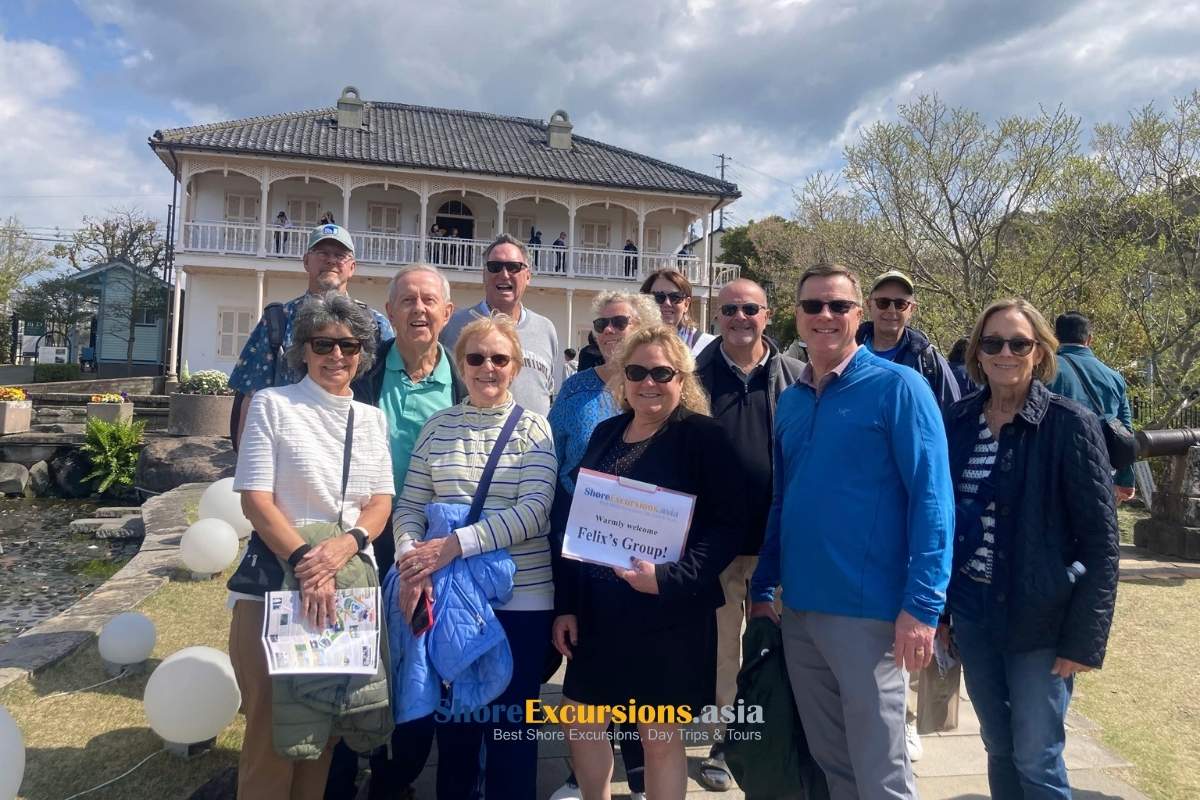
Spring (March to May) is often recommended as the best time to visit Nagasaki for travelers experiencing the city for the first time. The weather is comfortable, flowers are blooming, and outdoor attractions become especially enjoyable. Walking through Nagasaki’s historic streets feels refreshing without the intense heat of summer.
Some of the best spring experiences include:
- Viewing cherry blossoms at Nagasaki Peace Park
- Exploring Glover Garden surrounded by seasonal flowers
- Walking along historic slopes and old neighborhoods
- Enjoying panoramic views from Mount Inasa
The biggest advantage of spring is the scenery. Nagasaki’s hills, waterfront areas, and traditional streets look particularly charming during this season. However, spring is also a popular travel period in Japan. Accommodation prices may increase, especially around cherry blossom peak dates and national holidays.
Nagasaki in Summer: Best Time for Festivals
For travelers who enjoy cultural celebrations, summer can be the best time to go to Nagasaki. Although temperatures are higher, the city becomes more energetic with local festivals and evening events. Summer nights are especially enjoyable because many activities take place after sunset when the weather becomes cooler.
Travelers visiting Nagasaki during summer should prepare for:
- High humidity
- Strong sunlight
- Occasional heavy rain
- Possible typhoon disruptions
Despite the weather challenges, summer offers a different perspective of Nagasaki. Instead of focusing only on sightseeing, visitors can experience local traditions, food, and community events.
Nagasaki in Autumn: Best Weather for Exploring
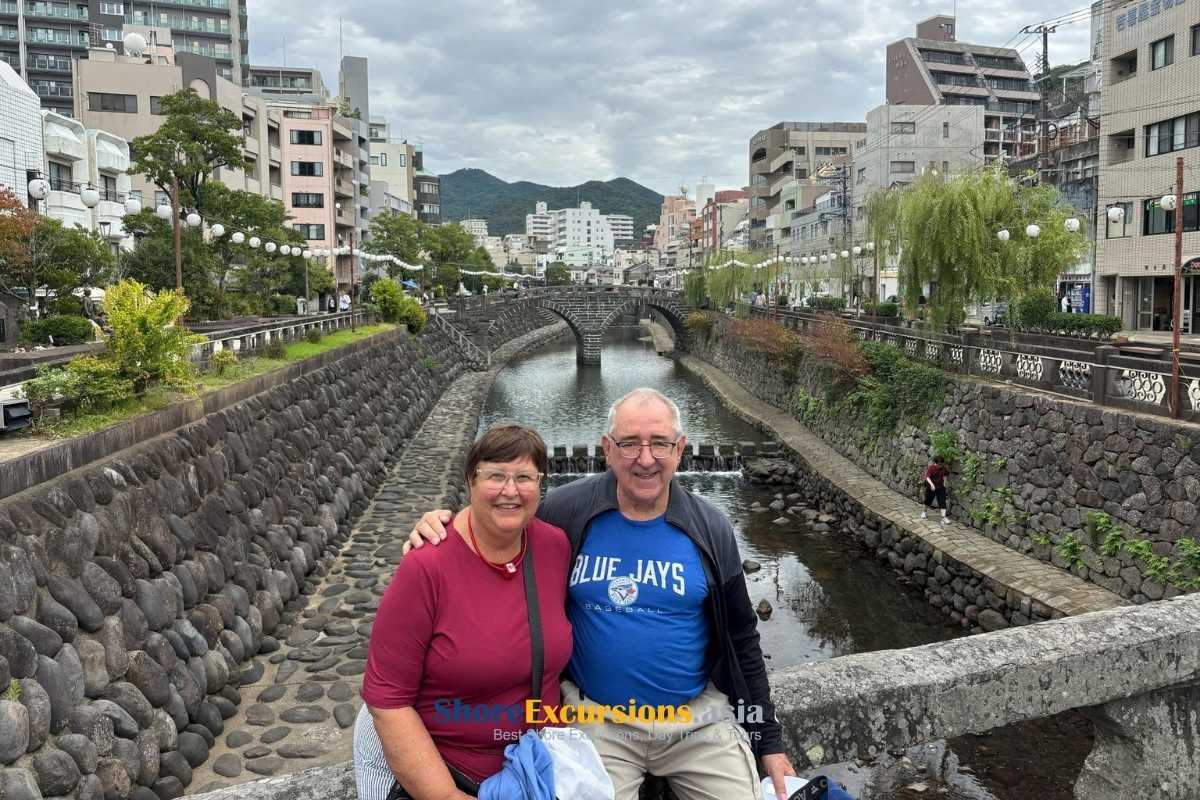
Autumn is another best time to visit Nagasaki for travelers who prioritize comfort and scenery. The cooler temperatures make long walking days much easier, especially when exploring Nagasaki’s hills and historic areas. Many visitors consider autumn the perfect balance between pleasant weather and fewer crowds.
Popular autumn activities include:
- Viewing colorful leaves at Glover Garden
- Hiking around Unzen National Park
- Photographing Mount Inasa views
- Exploring outdoor attractions comfortably
For many travelers, October and November offer the ideal conditions for discovering Nagasaki at a relaxed pace.
Nagasaki in Winter: Best for Budget Travelers
Winter is the quietest travel season in Nagasaki. While temperatures are cooler, the city rarely experiences extreme cold. This season works well for visitors who prefer:
- Smaller crowds
- Lower accommodation prices
- A more local atmosphere
Winter is also a great time to enjoy Nagasaki’s indoor attractions, including museums, historical sites, and traditional restaurants serving warm local dishes such as champon.
When is the Worst Time to Visit Nagasaki
In fact, there is no truly bad season to visit Nagasaki, but some periods require more preparation.
- The rainy season in June and early July can affect outdoor activities.
- Late July and August can feel uncomfortable because of heat and humidity.
- Typhoon season, usually around August and September, may occasionally cause travel disruptions.
However, every season has advantages. The key is choosing the period that matches your interests.
Tips for Choosing the Best Time to Go to Nagasaki
Choosing the best time to visit Nagasaki depends on your travel goals, from enjoying seasonal scenery to avoiding crowds. A little preparation can help you make the most of your trip.
Check Seasonal Events
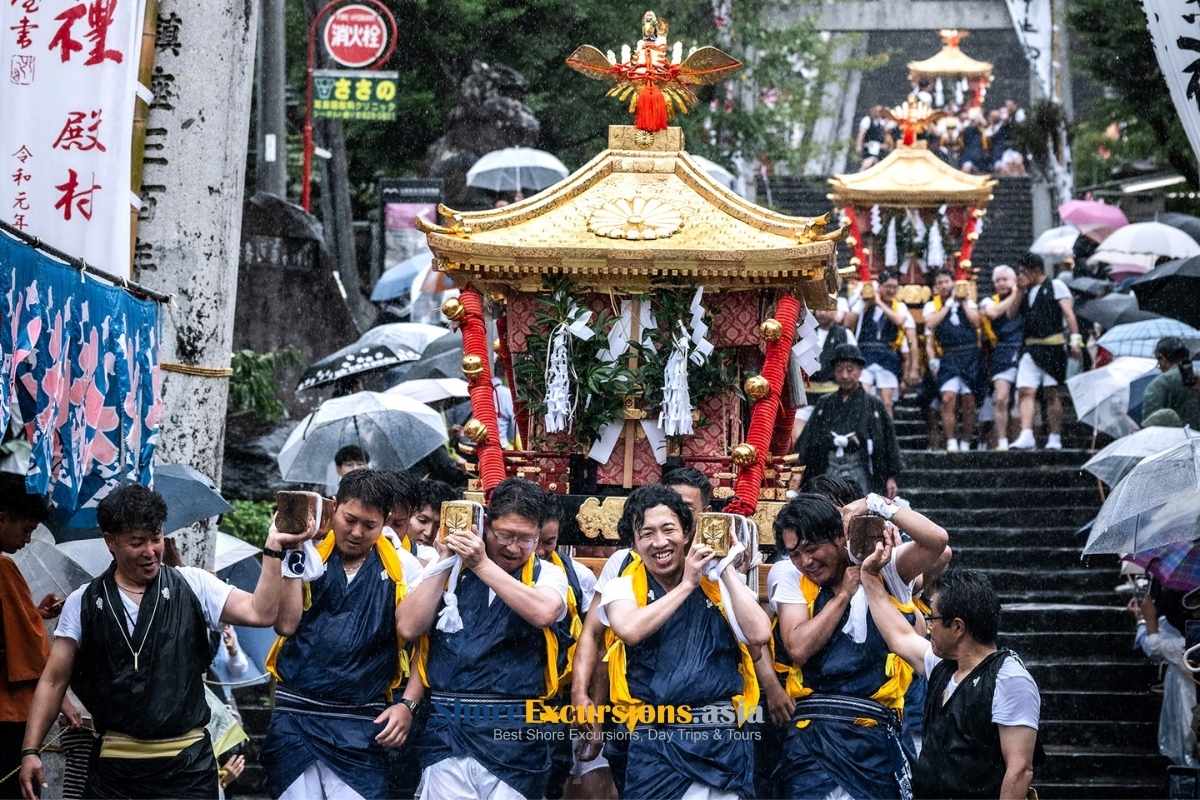
Nagasaki hosts several seasonal events that can make your visit more memorable.
- Nagasaki Lantern Festival (February): A vibrant event featuring thousands of lanterns, cultural performances, and traditional celebrations influenced by the city’s Chinese heritage.
- Cherry Blossom Season (Late March to Early April): One of the most popular times to visit, when parks and historic areas are decorated with beautiful sakura.
- Autumn Foliage Season (Late October to November): A great period for enjoying colorful leaves, pleasant weather, and scenic viewpoints.
If you plan to visit during these peak seasons, booking accommodation early is recommended.
Book Accommodation Early During Peak Seasons
Hotels in Nagasaki can become more expensive and limited during:
- Cherry blossom season (late March - April)
- Autumn foliage season (October - November)
- Golden Week holidays (late April - early May)
For better prices and more choices, consider traveling during quieter months such as January, June, or early December.
Check Weather Forecasts for Outdoor Activities
Many of Nagasaki’s highlights are outdoor experiences, so weather conditions matter.
- Check the forecast before visiting Mount Inasa for the best night views.
- Confirm sea conditions before booking a boat tour to Gunkanjima (Hashima Island), as tours may be canceled due to bad weather.
- Spring and autumn generally offer the most comfortable conditions for exploring places like Glover Garden, Nagasaki Peace Park, and historic streets.
Planning around seasonal events and weather conditions will help you choose the right time to visit Nagasaki and enjoy a smoother travel experience.
Overall, the best time to visit Nagasaki is generally during spring (March to May) and autumn (October to November), when the weather is comfortable and the city’s landscapes are at their most beautiful. Ultimately, the ideal time to visit Nagasaki Japan depends on your travel style and priorities. Whether you are exploring historic landmarks, enjoying seasonal scenery, or experiencing local traditions, choosing the right season will help you discover the unique charm of this coastal city at its best.
Have questions about planning your Nagasaki itinerary? Contact Japan Shore Excursions today to customize your perfect shore trip!

 Send Inquiry