

Japan is an underrated destination for birdwatching. Its varied geography, four distinct seasons, extensive wetlands, forests, mountains, coastlines, and subtropical islands create habitats for hundreds of bird species. This country is also an important stop for migratory birds traveling between northern Asia and warmer regions. Bird watching in Japan can be part of a wider itinerary, with opportunities ranging from urban parks in Tokyo to remote wetlands in Hokkaido and subtropical forests in Okinawa.
If you are planning your first birding trip to Japan, this guide from Japan Shore Excursions covers the birds worth looking for, the best destinations and seasons, practical planning advice, and responsible wildlife-watching tips.
Why Go Bird Watching in Japan?

Japan offers an unusual combination of biodiversity and well-developed tourism infrastructure. Its climate stretches from subarctic Hokkaido to subtropical Okinawa, giving birders access to very different habitats within the same country.
Seasonal migration is another major attraction. Shorebirds are particularly associated with spring and autumn migration, while warblers and flycatchers arrive during the warmer months. Winter brings ducks, buntings, finches, cranes, and several impressive birds of prey.
Hokkaido deserves special attention. Around half of Japan's bird species can be found there, and many winter visitors arrive from Siberia. The region is particularly famous for red-crowned cranes and Steller's sea eagles.
What Are Some Popular Birds to See in Japan?
Japan has many species that can turn an ordinary nature trip into a memorable wildlife experience. Some are relatively easy to find at established observation sites, while others require patience, specialist knowledge, or a trip to a particular island.
Red-crowned Crane

The red-crowned crane, or tancho, is arguably Japan's most iconic bird. It is closely associated with longevity and good fortune in Japanese culture and has appeared in traditional art for centuries.
Eastern Hokkaido is one of the world's most important areas for the species. Kushiroshitsugen National Park provides important wetland habitat, while nearby observation and feeding areas offer good opportunities to see the cranes in winter.
Late winter is particularly rewarding because pairs perform elaborate courtship displays. Travelers arriving in the region by cruise can also explore these habitats through Kushiro shore excursions, which make it easier to combine crane watching with a short visit to Kushiro's wetlands and surrounding attractions.
Selected Kushiro shore excursions for bird watching:
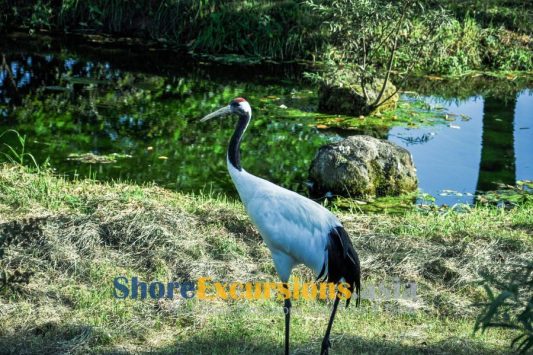

Kushiro Shore Excursions
Duration: 6 hours
Port: Kushiro, Japan
Highlights: Kushiro Wetlands, Akan International Crane Center, Tancho Observation Center
Excursion Type: Sightseeing / Wildlife Spot
Back-to-Ship Guarantee: Return to Your Ship 90-120 Minutes Before Departure
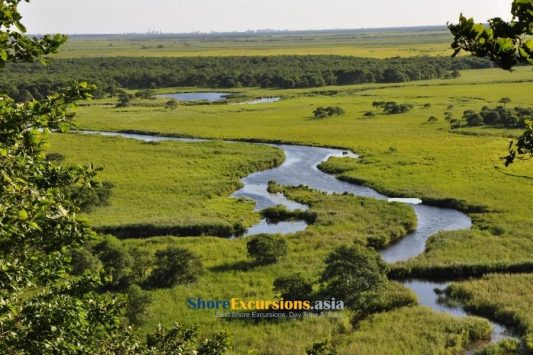
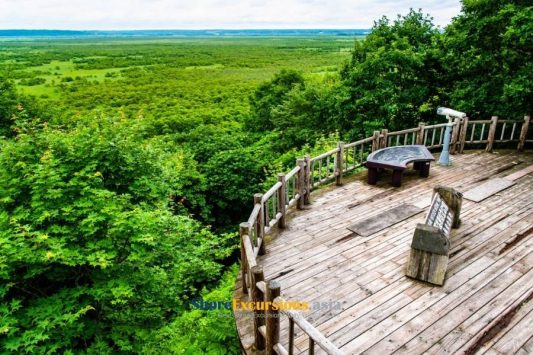
Kushiro Shore Excursions
Duration: 6 hours
Port: Kushiro, Japan
Highlights: Kushiro Marshland observatory, Japanese Crane Reserve, Kushiro City Museum, Washo Fish Market
Excursion Type: Culture, Nature & Local Flavors
Back-to-Ship Guarantee: Return to Your Ship 90-120 Minutes Before Departure
Steller's Sea Eagle
The Steller's sea eagle is a spectacular winter visitor to northeastern Hokkaido. These enormous raptors migrate south from breeding areas in Russia and can be seen along the coast and waterways of the Shiretoko Peninsula.
Winter boat trips around the peninsula can provide particularly memorable sightings, with eagles sometimes seen perched on drift ice or flying above the Sea of Okhotsk.
White-tailed Eagle
White-tailed eagles also visit Hokkaido during winter. They are often observed in the same general areas as Steller's sea eagles, making eastern Hokkaido an excellent destination for birders interested in large birds of prey.
Blakiston's Fish Owl

The Blakiston's fish owl is one of Japan's most elusive birds. It lives around rivers and forested areas in Hokkaido, particularly in eastern parts of the island. The species is endangered, and the estimated population in Japan is fewer than 200 birds according to the Kushiroshitsugen Wildlife Center.
Because sightings can be difficult, responsible observation and local expertise are especially important.
Oriental White Stork
Toyooka in Hyogo Prefecture offers a remarkable conservation story. The Oriental white stork disappeared from the Japanese wild population, but conservation and reintroduction efforts have helped establish a new population.
The surrounding landscape of wetlands and rice paddies provides important habitat, making Toyooka an interesting destination for travelers who want to combine birdwatching with rural and cultural experiences.
Okinawa Rail

The Okinawa rail is one of Japan's most distinctive endemic birds. It is associated with the subtropical forests of northern Okinawa, particularly the Yambaru area.
Unlike the large cranes and eagles of Hokkaido, this species is much more challenging to find. A visit to Yambaru is therefore better suited to travelers who are specifically interested in endemic wildlife and forest birding.
Best Places for Bird Watching in Japan
There is no single best birding destination for every traveler. Your ideal location depends largely on the species you want to see and the season of your trip.
Hokkaido
Hokkaido is the strongest all-round choice for a dedicated birdwatching trip. Its combination of wetlands, forests, lakes, rivers, coastlines, and open landscapes supports an impressive variety of species.
- Shiretoko National Park is particularly famous for winter raptors. Steller's sea eagles and white-tailed eagles arrive around the peninsula, with drift ice creating a distinctive winter environment.
- Kushiroshitsugen National Park is the key destination for red-crowned cranes. Observation centers, viewpoints, and boardwalks allow visitors to explore the wetland without entering sensitive areas.
- Akan-Mashu National Park offers a different experience, with forest and freshwater habitats supporting species such as black woodpeckers, great spotted nutcrackers, red-flanked bluetails, grey herons, long-tailed tits, Mandarin ducks, and kingfishers.
Tokyo

Tokyo may not be the first place that comes to mind for birdwatching, but its parks, waterways, gardens, and surrounding green spaces can produce surprisingly varied sightings. This makes the capital a practical option for travelers who have only a few hours available for nature activities. You can also combine birding with the city's major cultural and sightseeing attractions.
Toyooka
Toyooka is best known for its Oriental white stork conservation program. It is particularly suitable for travelers who want to understand how habitat restoration, farming practices, and wildlife conservation can work together.
Tohoku and Nagano
Northern Honshu provides opportunities for woodland and migratory birdwatching. In Towada-Hachimantai National Park, the Tsuta Bird Sanctuary Nature Trail passes through beech forest and around several ponds, creating habitat for forest birds and waterfowl. Nagano is another good option for travelers who want to combine hiking, mountain scenery, and birdwatching.
Kyushu

Kyushu offers a warmer climate and a different range of habitats. Izumi in Kagoshima is particularly well known for wintering cranes, while other parts of southern Japan offer forest and wetland birding.
Okinawa
Northern Okinawa provides one of the country's most distinctive birding environments. The Yambaru region's subtropical forests are home to species that are difficult or impossible to encounter on the Japanese mainland. The area is particularly attractive to birders interested in endemic species and conservation.
Best Time for Bird Watching in Japan
The best season depends on your target species.
| Season | What to Look For | Recommended Areas |
|---|---|---|
| Spring | Migratory birds, shorebirds, returning summer visitors | Hokkaido, Honshu, coastal areas |
| Summer | Warblers, flycatchers, forest birds | Hokkaido, Nagano, Kyushu |
| Autumn | Migrating shorebirds and waterbirds | Wetlands and coastal regions |
| Winter | Cranes, eagles, ducks, buntings and finches | Hokkaido, Kagoshima |
Spring and autumn are particularly interesting for migration, while summer brings many birds that breed in Japan. Winter is the strongest season for Hokkaido's famous cranes and sea eagles.
Japan Birding Guide: How to Plan Your Trip
Start by choosing your target birds rather than choosing a destination first. If red-crowned cranes are your priority, eastern Hokkaido should be high on your list. For Steller's sea eagles, Shiretoko is a natural choice. Travelers interested in endemic subtropical species should consider Yambaru in Okinawa.
Your available time also matters.
- For 1 - 2 days: Add birdwatching to an existing itinerary in Kushiro or another accessible destination.
- For 3 - 5 days: Focus on one region, such as eastern Hokkaido, and build the trip around several birding locations.
- For a week or longer: You can combine different habitats and regions, creating a more varied birding itinerary.
A local guide is particularly useful when searching for elusive species or visiting remote areas. Guided experiences can also reduce logistical difficulties in winter and provide valuable information about bird behavior and conservation.
What to Bring for Bird Watching in Japan

You do not need an extensive equipment list to begin. National Parks of Japan recommends basic equipment such as binoculars or a camera with a long lens. Useful items include:
- Binoculars
- Camera with a telephoto lens
- Field guide or bird identification app
- Waterproof walking shoes
- Small backpack
- Power bank and spare camera batteries
- Notebook for recording sightings
For winter trips to Hokkaido, add thermal layers, waterproof outerwear, warm gloves, a hat, and suitable snow footwear. Keeping spare batteries warm is also useful because cold temperatures can reduce battery performance.
Birdwatching Etiquette and Wildlife Safety in Japan
Good birdwatching begins with respecting birds and their habitats. Whether you are exploring a national park, protected wetland, forest trail, or coastal observation area, responsible behavior helps reduce stress on wildlife and protects the environment for future visitors.
When birdwatching in Japan, keep the following guidelines in mind:
- Stay on designated trails, boardwalks, and observation areas, especially inside national parks and protected wetlands.
- Keep a respectful distance from birds and never approach them simply to take a closer photograph.
- Avoid disturbing birds while they are feeding, resting, or nesting, as this can affect their natural behavior and energy reserves.
- Keep noise to a minimum and avoid sudden movements around sensitive habitats.
- Do not feed wild birds unless feeding is specifically permitted as part of an official wildlife-management program.
- Follow instructions from park staff, local guides, and visitor centers.
Winter birdwatching requires additional preparation. Weather can change rapidly in Hokkaido and the mountainous areas of Japan, so check local conditions before setting out and carry suitable clothing and supplies. National Parks of Japan advises visitors to prepare for strong winds, blizzards, and below-freezing temperatures in winter environments.
Bird Photography Tips

Japan offers excellent opportunities for wildlife photography, particularly in Hokkaido. From red-crowned cranes in snowy wetlands to Steller's sea eagles above the drift ice, the country provides a wide range of memorable subjects and landscapes for bird photographers.
To improve your chances of capturing high-quality images:
- Choose the right time of day: Early morning and late afternoon usually provide softer, more attractive natural light.
- Learn bird behavior: Understanding where birds feed, rest, and move is often more valuable than simply trying to get closer.
- Use a long lens: A telephoto lens allows you to photograph birds in detail while maintaining a respectful distance.
- Prepare for winter conditions: Carry spare batteries because cold temperatures can reduce battery performance.
- Protect your equipment: Use waterproof covers or protective bags when photographing in snow, rain, or near drift ice.
- Respect designated viewing areas: At popular crane and eagle sites, remain within marked observation zones and avoid disturbing the birds.
- Be considerate of other visitors: Do not block viewpoints or occupy the best positions for extended periods.
Some of the most memorable photography opportunities in Japan include red-crowned cranes against snowy wetlands, Steller's sea eagles flying above Hokkaido's drift ice, and Oriental white storks standing among rural rice fields.
Is Japan Good for First-Time Birdwatchers?
Yes. Japan is a particularly practical destination for beginners because birdwatching can be adapted to different levels of experience. You can start with easily accessible urban parks and nature trails before moving into specialist habitats.
National parks also provide established observation areas and visitor centers in several important birding destinations. Beginners with limited time may benefit from a guided experience. A knowledgeable local guide can identify calls, explain seasonal behavior, and improve your chances of finding less conspicuous species.
Frequently Asked Questions about Bird Watching in Japan
What are the most common birds in Japan?
Black kites and Japanese white-eyes are among the widespread species visitors may encounter. Urban and suburban areas can also produce sightings of ducks, herons, wagtails, and other familiar species.
Is Japan good for bird watching?
Yes. Japan is an excellent birdwatching destination because it combines diverse habitats, strong seasonal variation, migratory routes, endemic species, and accessible nature areas.
Is winter a good time for birding in Japan?
Yes. Winter is especially rewarding in Hokkaido, where birders can look for red-crowned cranes, Steller's sea eagles, white-tailed eagles, ducks, and other winter visitors.
Do I need a guide for bird watching in Japan?
A guide is not essential for casual birdwatching, especially in accessible parks and observation areas. However, local expertise becomes much more valuable when looking for elusive species, visiting remote destinations, or birding in challenging winter conditions.
Inconclusions, bird watching in Japan offers much more than a chance to add a few species to a life list. It provides a way to experience the country's wetlands, forests, mountains, islands, and rural landscapes from a different perspective. The best approach is to plan around your target birds, the season, and the type of habitat you want to explore. With the right preparation and a responsible approach to wildlife, Japan can be a rewarding destination for both experienced birders and first-time visitors.

 Send Inquiry