
Asia has rapidly evolved into one of the world’s most dynamic cruise arenas. Long-haul voyagers booking Transpacific routes, Grand Asia sailings, or regional repositioning itineraries frequently find themselves navigating itineraries that weave through both the East China Sea and the South China Sea.
Among these itineraries, Japan and Vietnam stand out as the two most prominent port-of-call destinations. Yet the onshore experience in these two maritime nations could hardly be more different. While a port call in Japan delivers unmatched bullet-train connectivity, pristine urban precision, and centuries of preserved shogunate heritage, dropping anchor in Vietnam introduces travelers to dramatic limestone fjords, centuries-old riverine merchant quarters, and authentic, sensory-rich street life.
For cruisers planning their shore excursions or evaluating upcoming regional sailings, understanding how these ports function-from physical pier infrastructure to local transit logistics-is crucial for maximizing precious shore leave.
Port Realities: Urban Terminals vs. Gateway Harbors
The fundamental difference between calling at a Japanese port versus a Vietnamese port lies in spatial geography.
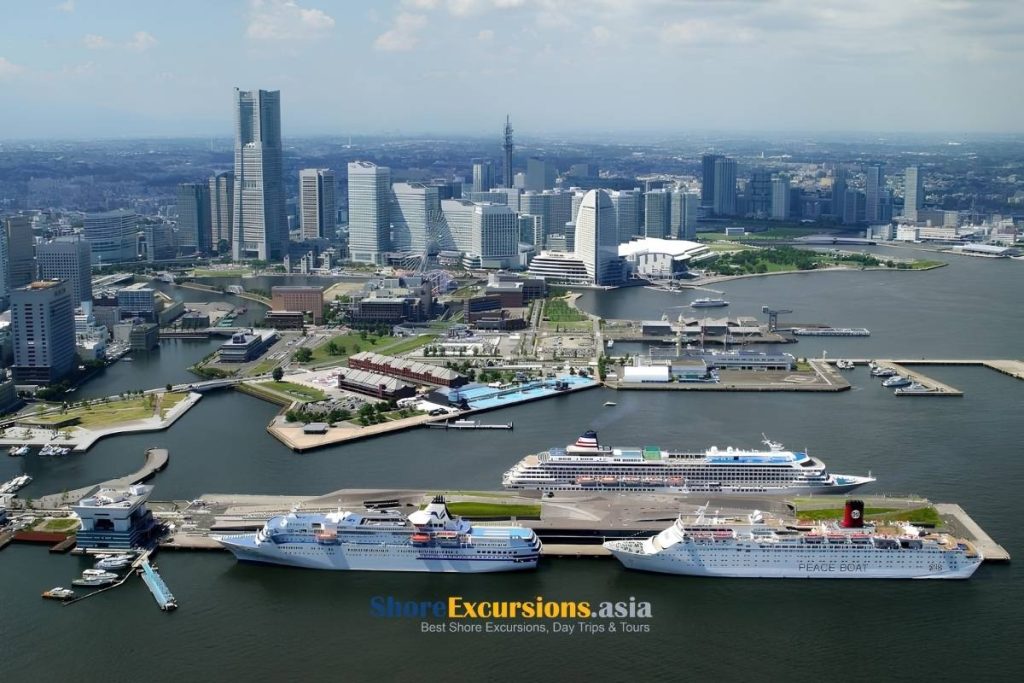
In Japan, major cruise berths are frequently integrated directly into city centers or connected via comprehensive metropolitan rail lines. Disembarking at Yokohama’s Osanbashi International Passenger Terminal places you within walking distance of Minato Mirai, while Kobe Port Terminal connects straight to high-speed rail links heading into Kyoto. Shore excursions here are largely time-optimized, rail-centric, and self-navigable for experienced travelers.
- Japan (Yokohama, Kobe, Nagasaki): Downtown-adjacent berths or hyper-fast commuter rail links.
- Vietnam (Halong, Chan May, Phu My): Gateway ports requiring dedicated highway transit to reach cultural centers.
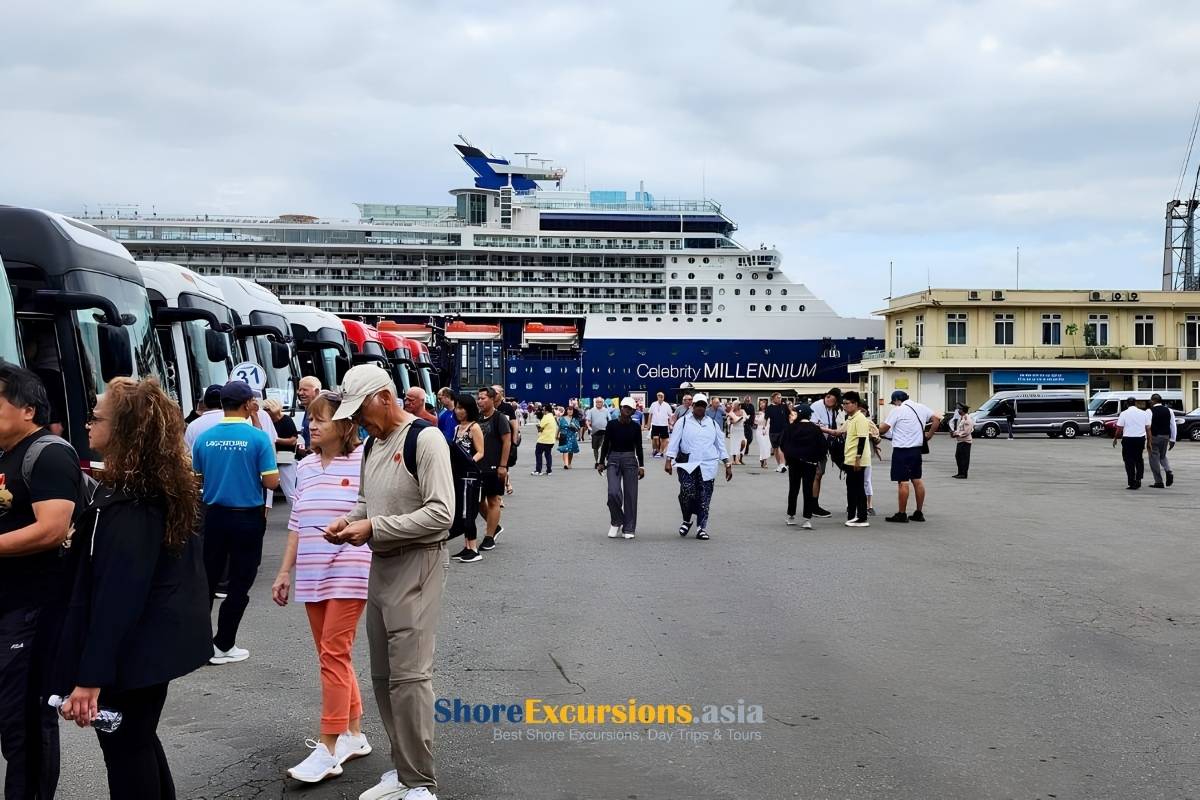
Conversely, with the exception of the modern Ha Long International Cruise Port, most major Vietnamese harbors serve as industrial gateway ports located 60 to 90 minutes away from primary cultural hubs. Calling at Phu My Port requires a transfer to Ho Chi Minh City, while dockings at Chan May or Tien Sa necessitate cross-provincial transits to reach Hue or Hoi An.
Because missing the ship’s strict "all-aboard" call is the cardinal risk of private touring, seasoned cruisers do not rely on ad-hoc dockside taxis. Instead, they organize pre-arranged private vehicles and verified local guides through established inbound operators. To research port-specific overland timetables, custom day-trip itineraries, and guaranteed on-time port pickups across Vietnam's maritime entry points, travelers frequently reference the destination logistics curated at https://www.dulichvtv.com/. Securing dedicated, pre-scheduled harbor transfers ensures that long travel corridors do not compromise your safety buffer before the gangway closes.
Comparative Analysis: Japan Ports vs. Vietnam Ports
To assist with your shore itinerary planning, the table below highlights the operational and experiential differences between premier ports in both nations:
| Port / Harbor | Country | Berthing Infrastructure | Proximity to Main Attractions | Primary Sightseeing Focus |
| Yokohama (Osanbashi / Daikoku) | Japan | World-class dedicated terminals; deep-water berths. | Direct access to Yokohama; 35 mins by train to Tokyo. | Urban architecture, Meiji-era history, modern Tokyo metropolis. |
| Kobe Terminal | Japan | Modern multi-berth pier with dedicated train station. | 20 mins to central Kobe; 50 mins by train to Kyoto/Osaka. | UNESCO castles (Himeji), sacred Zen temples, wagyu culinary tours. |
| Nagasaki (Matsugae) | Japan | Walk-off terminal situated directly in the harbor basin. | 5–10 mins to downtown trams and Peace Park. | Atomic Bomb Memorial, Dutch trading history (Dejima), ropeway views. |
| Ha Long International Port | Vietnam | Modern, purpose-built dedicated cruise passenger pier. | Direct access to cruise junks; 2.5 hrs to Hanoi via expressway. | Karst limestone towers, junk-boat sailing, cavern expeditions. |
| Chan May Port | Vietnam | Deep-water industrial/commercial wharf (requires transfer). | ~60 mins to Da Nang / Hue; ~90 mins to Hoi An. | Imperial Citadel of Hue, Hai Van Pass vistas, Hoi An ancient town. |
| Phu My Port | Vietnam | Commercial freight container harbor (transit required). | ~75–90 mins via expressway to Ho Chi Minh City. | French colonial landmarks, War Remnants Museum, Mekong Delta edges. |
Deep-Dive: The Japan Shore Experience
Calling at Japanese ports offers cruisers an exceptionally predictable, well-orchestrated onshore day.
1. Precision and Punctuality
Public transport schedules in Japanese port cities are accurate to the second. If your itinerary involves taking the Shinkansen from Shin-Kobe to Kyoto Station, you can map your morning and afternoon down to five-minute intervals. Taxis are meticulously clean, drivers wear white gloves, and automated doors eliminate transit friction.
2. Walkable Maritime Districts
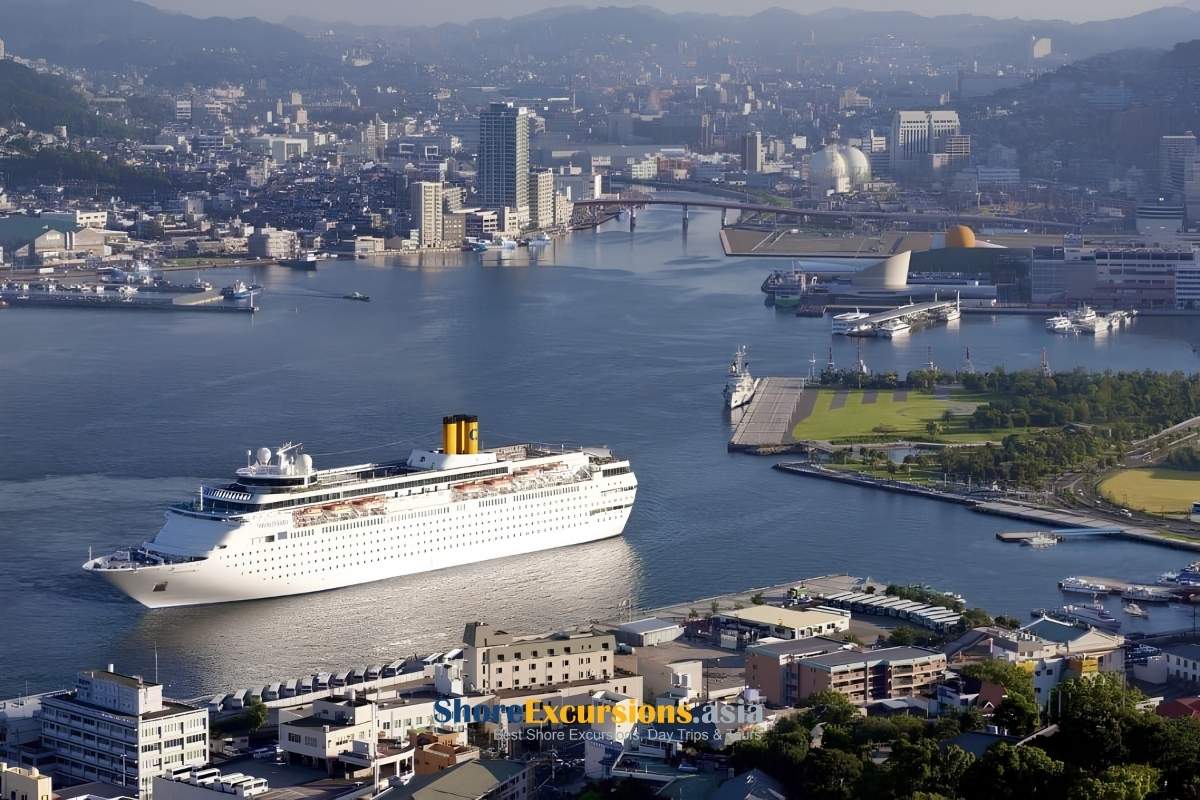
Ports like Nagasaki and Yokohama are destinations in their own right. At Nagasaki’s Matsugae terminal, passengers can step off the gangway and stroll directly to the Oura Catholic Church, Glover Garden, or hop onto the city’s vintage streetcar system for a few hundred yen.
3. Cultural Preservation
Japanese shore excursions excel in heritage conservation. Touring Kenroku-en garden in Kanazawa or strolling through the preserved geisha quarters of Gion during an extended stop at Kobe showcases a culture where historic preservation is elevated to an art form.
Deep-Dive: The Vietnam Shore Experience
While Japan delivers precision, Vietnam captivates cruise travelers with visceral energy, dramatic landscapes, and profound cultural immersion.
1. Breathtaking Natural Vistas Directly from the Rail
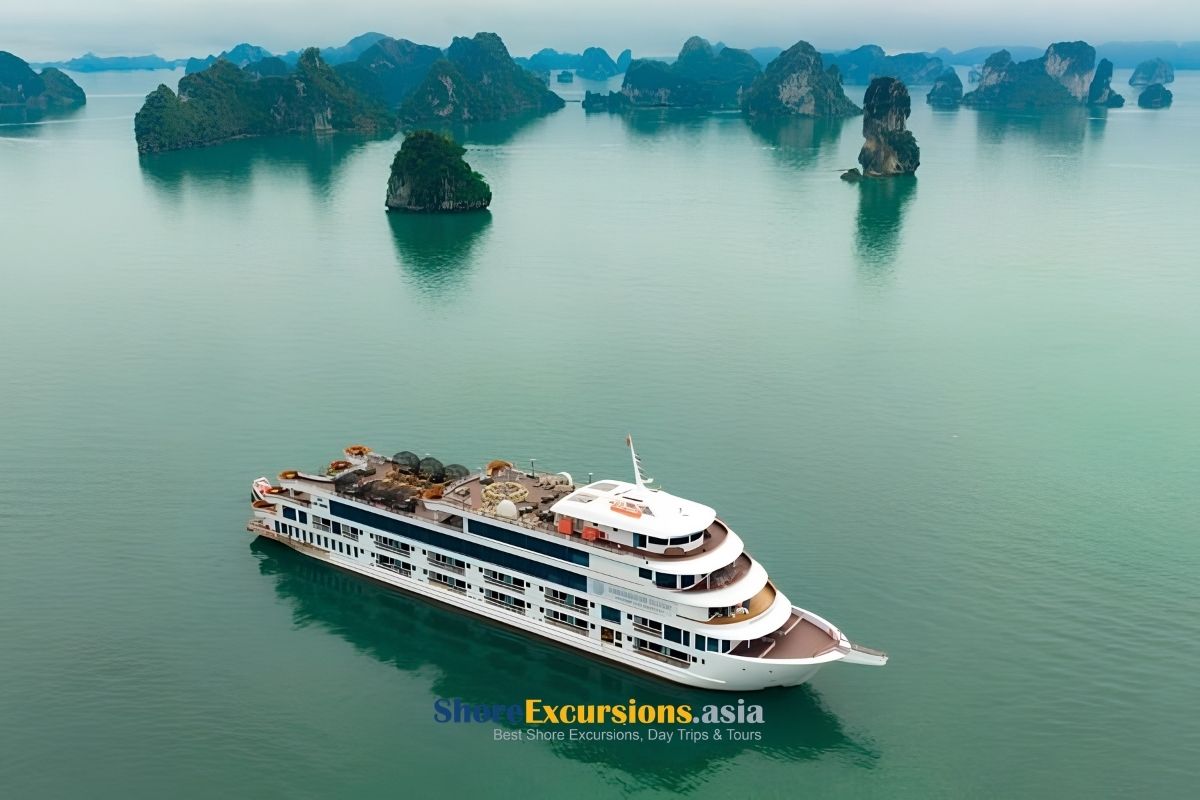
The arrival into Ha Long Bay is widely celebrated as one of the most magnificent maritime approaches on earth. Towering pillar-like karsts erupt from emerald waters, creating a dramatic natural labyrinth. Rather than boarding tour buses immediately, shore excursioners here frequently board private traditional wooden junks directly from the pier to explore sea caves and floating fishing villages.
2. Multi-Layered Colonial and Ancient History
Central Vietnam’s ports offer access to contrasting historical chapters within a single day. From Chan May, travelers can pivot north to explore the moated royal courts of the Nguyen Dynasty in Hue, or travel south through the dramatic coastal cliffs of the Hai Van Pass to the UNESCO-listed ancient trading enclave of Hoi An, where Japanese covered bridges, Chinese assembly halls, and French-colonial shuttered houses stand side by side.
3. Vibrant Street Life and Gastronomy
Unlike the quiet, reserved streets of Japanese residential port quarters, Vietnamese coastal towns are animated by sensory vitality. Open-air wet markets buzz with barter, sidewalk cafés spill onto tree-lined promenades serving strong iced coffee with sweetened condensed milk (ca phe sua da), and wood-fired street stalls offer fragrant bowls of mi quang and freshly rolled rice noodles.
Critical Practical Insights for Asian Port Days
- Port Identification Details: Large cruise ships (over 100,000 gross tons) visiting Tokyo may dock at Daikoku Pier or the Tokyo International Cruise Terminal in Odaiba rather than downtown Yokohama. Always check your daily cruise compass for the exact berth location, as shuttle requirements vary significantly.
- Immigration & Currency at the Gangway: In Japan, shipboard face-to-face immigration inspections are strictly enforced upon your first domestic port call. In Vietnam, port landing slips are issued on board, but you will need small amounts of Vietnamese Dong (VND) for day-to-day purchases outside cruise-sanctioned gift shops.
- Traffic Buffers in Vietnam: While Japan’s rail infrastructure is immune to highway congestion, transfers from Phu My Port into Ho Chi Minh City rely entirely on expressways that can experience heavy commercial vehicle queues during rush hour. Always enforce a minimum 90-minute return cushion ahead of the ship’s scheduled sail time.
Neither country should be chosen at the expense of the other; rather, they form the yin and yang of an Asian cruise holiday. Japan delivers tranquil temple walks, impeccably timed transport, and ultra-modern cityscapes. Vietnam answers with dramatic natural bays, lively historic quarters, and deep culinary traditions. Together, they turn an ordinary voyage into a comprehensive journey across the cultural, historic, and geographic breadth of the Asian coastline.

 Contact Us via Messenger
 Send Inquiry