
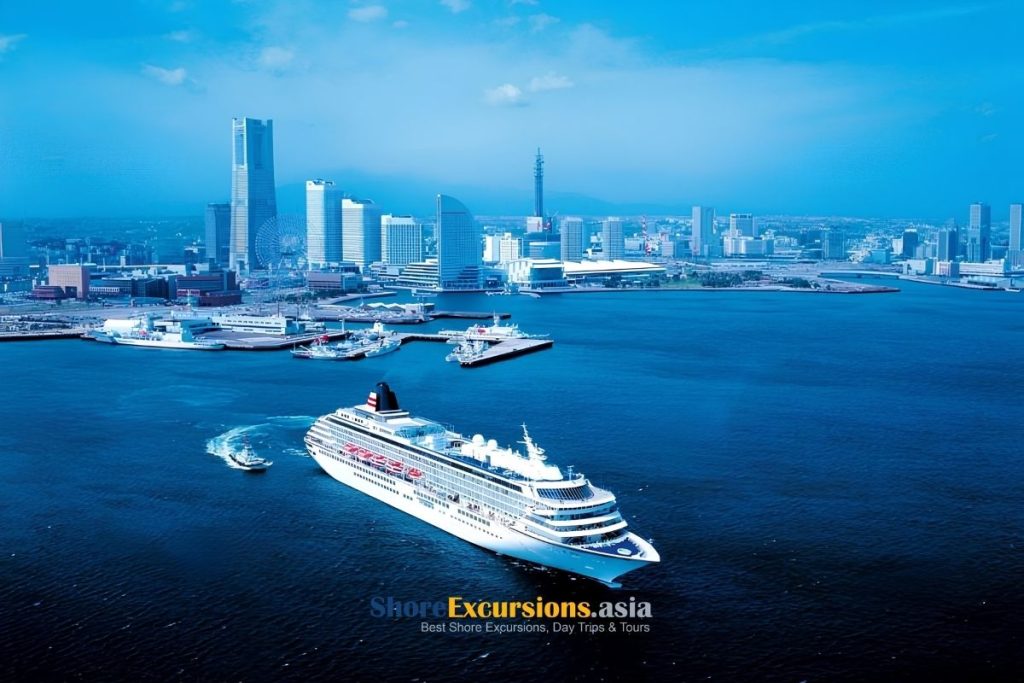
A cruise along the rugged coastlines and historic ports of Japan is undeniably one of the world’s most refined travel experiences. From observing morning tuna auctions near Tokyo Bay and exploring ancient merchant lanes in Kanazawa to cruising beneath the volcanic silhouette of Sakurajima in Kagoshima, Japan’s maritime routes offer a peerless blend of timeless heritage and hyper-modern infrastructure.
Yet for international long-haul travelers journeying from North America, Europe, or Oceania, crossing multiple time zones for a 7- to 10-day sailing often leaves an appetite for deeper discovery. Once your vessel pulls into its terminal port-most commonly the Osanbashi or Daikoku terminals in Yokohama, or the Tokyo International Cruise Terminal-the instinct for many experienced voyagers is not to head straight back to the airport. Instead, they transform their voyage into a panoramic East-meets-Southeast Asia grand tour.
By continuing your itinerary south toward Vietnam, you bridge the tranquil, orderly aesthetics of the Japanese archipelago with the vibrant rhythms, dramatic limestone seascapes, and centuries-old colonial heritage of the Indochina peninsula.
Designing a Fluid Transition: Port Logistics and Local Expertise
The success of any multi-country extension hinges on eliminating friction between sea travel and overland exploration. Disembarkation mornings at major Japanese ports are famously efficient, yet international cruise passengers face practical hurdles: bulky multi-week baggage, international flight alignments, domestic regional connections, and visa clearance protocols.
Navigating this transition without forfeiting precious vacation days requires thoughtful pacing. Rather than piecing together disparate domestic bookings, discerning travelers frequently coordinate with established regional Destination Management Companies (DMCs) that bridge logistical gaps across borders. Veteran agencies such as Du Lịch Tầm Nhìn Việt (Viet Vision Travel) offer specialized support for international travelers, curating custom multi-day land tours, private airport meet-and-greets, and synchronized logistics across Vietnam’s primary gateways. Having a dedicated destination partner on the ground ensures that private vehicle transfers, luggage handoffs, and localized touring run with the same punctuality and peace of mind you experienced aboard your vessel.
With that foundational support in place, you can comfortably transition from port to flight deck without logistical stress.
Flight Connectivity: Bridging Tokyo and Osaka to Vietnam
Connecting from major Japanese disembarkation hubs to Vietnam’s economic and cultural centers is remarkably streamlined. Both Tokyo hubs-Haneda Airport (HND) and Narita International Airport (NRT)-as well as Osaka’s Kansai International Airport (KIX), operate multiple non-stop daily services operated by full-service flag carriers like Vietnam Airlines, All Nippon Airways (ANA), and Japan Airlines (JAL).
Strategic Disembarkation Advice
- The "Buffer Night" Rule: Never book an international flight departing earlier than 3:00 PM on disembarkation day. Even though Japanese port clearance moves briskly, customs queues, luggage retrieval, and the 60-to-90-minute commute from Yokohama port to Narita Airport can quickly erode your margin of error.
- Luggage Forwarding (Takkyubin): If you accumulated souvenirs or carry excessive formal evening wear from your cruise, take advantage of Japan’s luggage forwarding services right at the cruise terminal. You can send excess suitcases directly to the airport storage facility or forward them home, traveling onward to Southeast Asia with nimble, tropical-friendly luggage.
Japan Cruise vs. Vietnam Land Tour: A Comparative Overview
Pairing these two destinations delivers an exceptional travel dynamic because their operational rhythms and sensory profiles complement each other rather than duplicating experiences.
| Evaluation Metric | Japan Shore Excursion Experience | Vietnam Overland / River Extension |
| Primary Pace | Punctual, structured, schedule-bound by vessel port hours. | Flexible, relaxed, customizable around individual preferences. |
| Primary Landscapes | Volcanic peaks, temperate bays, manicured gardens, modern skylines. | Karst limestone islands, emerald rice terraces, tropical river deltas. |
| Transportation Style | Shinkansen (bullet trains), organized coaches, local subways. | Private chauffeured sedans, boutique wooden day-junks, cycle rickshaws. |
| Culinary Focus | Delicate, minimalist, umami-driven (sushi, kaiseki, soba, wagyu). | Fresh herb-forward, aromatic, sweet-and-sour harmony (pho, grilled meats). |
| Cultural Immersion | Observational, reverent, quiet shrine and temple grounds. | Interactive, bustling, open-air street markets, artisan workshops. |
| Climate Profile | Temperate, four distinct seasons (crisp springs, cool autumns). | Tropical to sub-tropical (warm sunshine, coastal sea breezes). |
Curated Post-Cruise Extension Itineraries (5 to 7 Days)
Depending on your disembarkation port and onward travel window, here are three high-yield routes tailored specifically for former cruise passengers.
Route 1: The Northern Heritage Arc (Hanoi & Ha Long Bay)
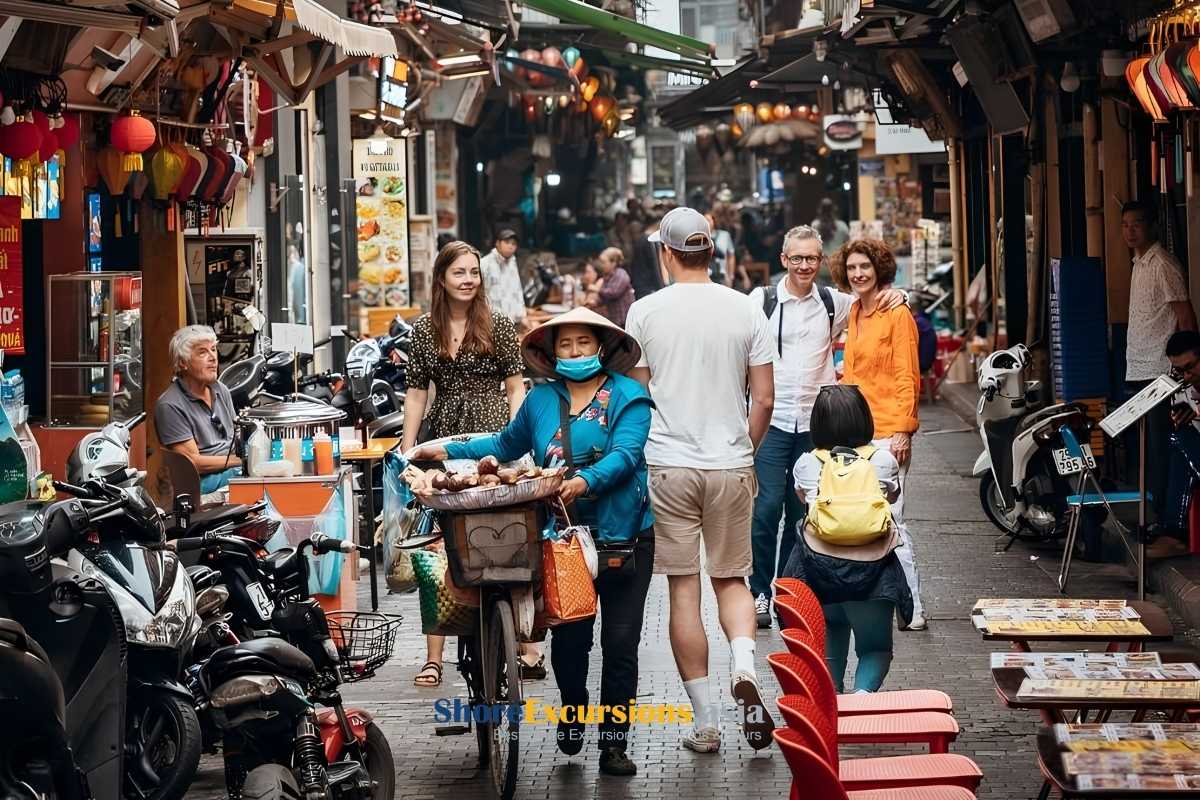
Best for: Travelers who fell in love with maritime scenery and want to experience sea-kayaking among limestone karsts.
- Days 1 - 2 (Hanoi): Arrive in Vietnam's millennium-old capital. Check into a boutique French colonial property in the Hoan Kiem district. Spend an afternoon navigating the maze-like 36 guilds of the Old Quarter, visiting the Temple of Literature, and savoring robust Vietnamese drip coffee.
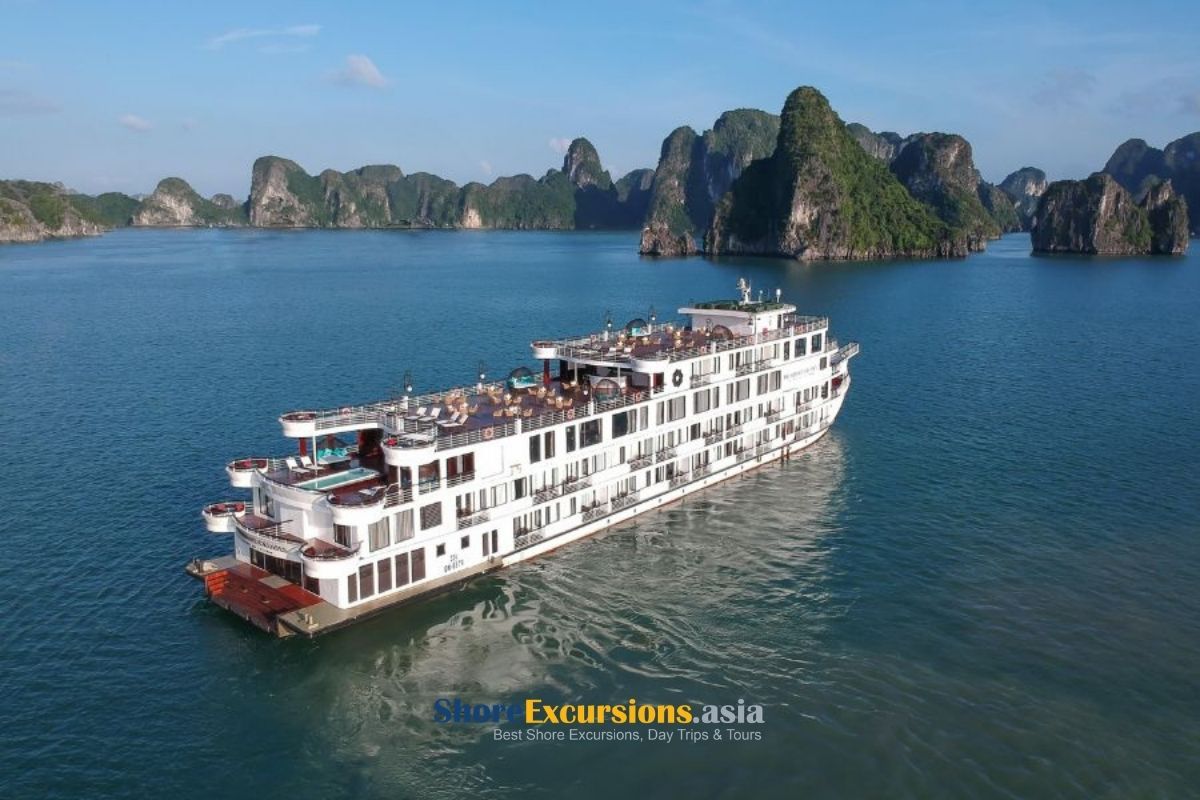
- Days 3 - 4 (Ha Long & Lan Ha Bays): Board an overnight luxury wooden or steel junk boat. While your Japan cruise featured massive ocean-going tonnage, cruising Ha Long Bay is an intimate nautical experience. Sail past towering karst pillars, visit hidden grottoes, and dine on fresh local seafood under the stars.
- Day 5 (Departure): Disembark midday, take the expressway transfer directly to Noi Bai International Airport (HAN), and catch your long-haul connection.
Route 2: Central Heritage & Coastline (Hue, Da Nang & Hoi An)
Best for: History aficionados drawn to imperial architecture and serene lantern-lit evenings.
- Days 1 - 2 (Hue): Fly into Hue, the seat of the Nguyen Dynasty. Explore the moated Imperial Citadel, reminiscent of the defensive castles in Japan, yet distinctly Southeast Asian in its royal pavilions and lakeside royal tombs.
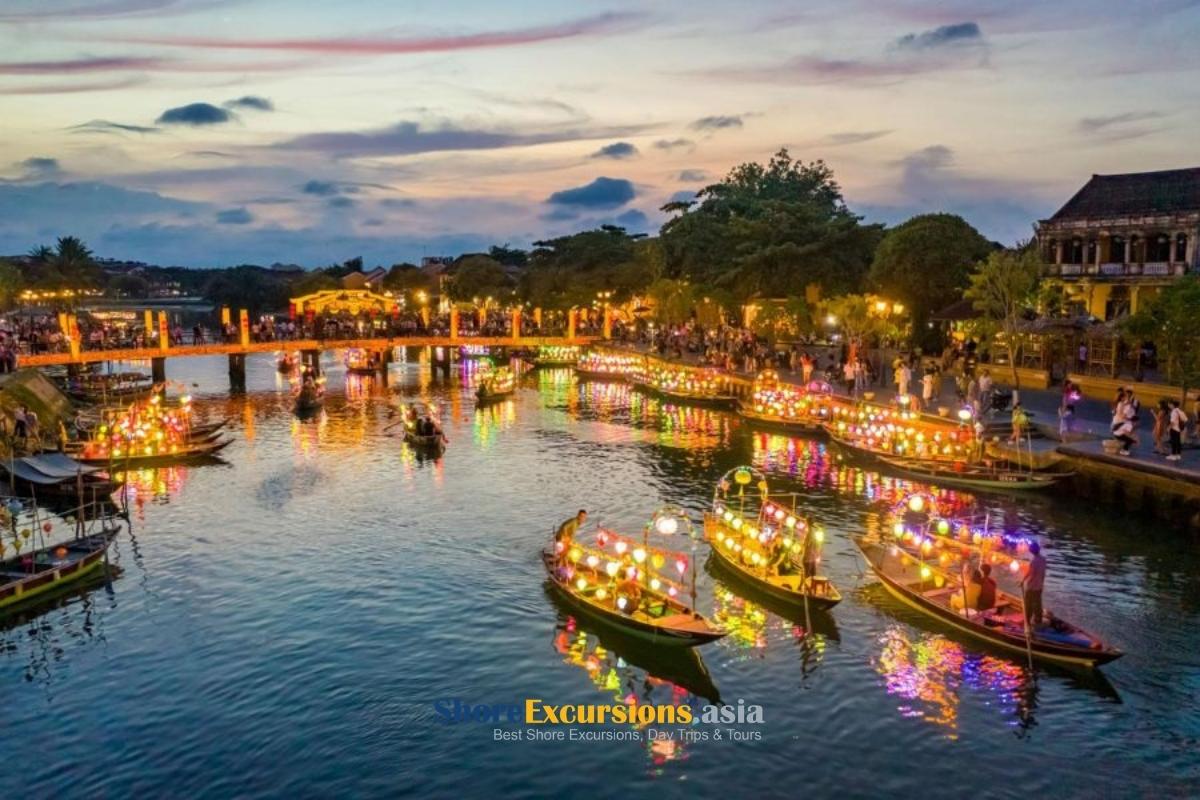
- Days 3 - 5 (Hoi An via the Hai Van Pass): Take a scenic private coastal drive over the famed Hai Van Pass toward Hoi An. Spend two full days exploring this UNESCO World Heritage ancient trading port. Tailor a bespoke silk garment, cycle through organic vegetable farming villages, and take an evening wooden boat ride down the Thu Bon River amidst hundreds of glowing paper lanterns.
Route 3: Southern Energy & Mekong Waterways (Saigon & Can Tho)
Best for: Travelers seeking vibrant urban contrast and tropical riverine ecology.
- Days 1 - 2 (Ho Chi Minh City): Discover the historic landmarks of former Saigon, including the Reunification Palace, Notre-Dame Cathedral Basilica, and the vibrant Ben Thanh Market.
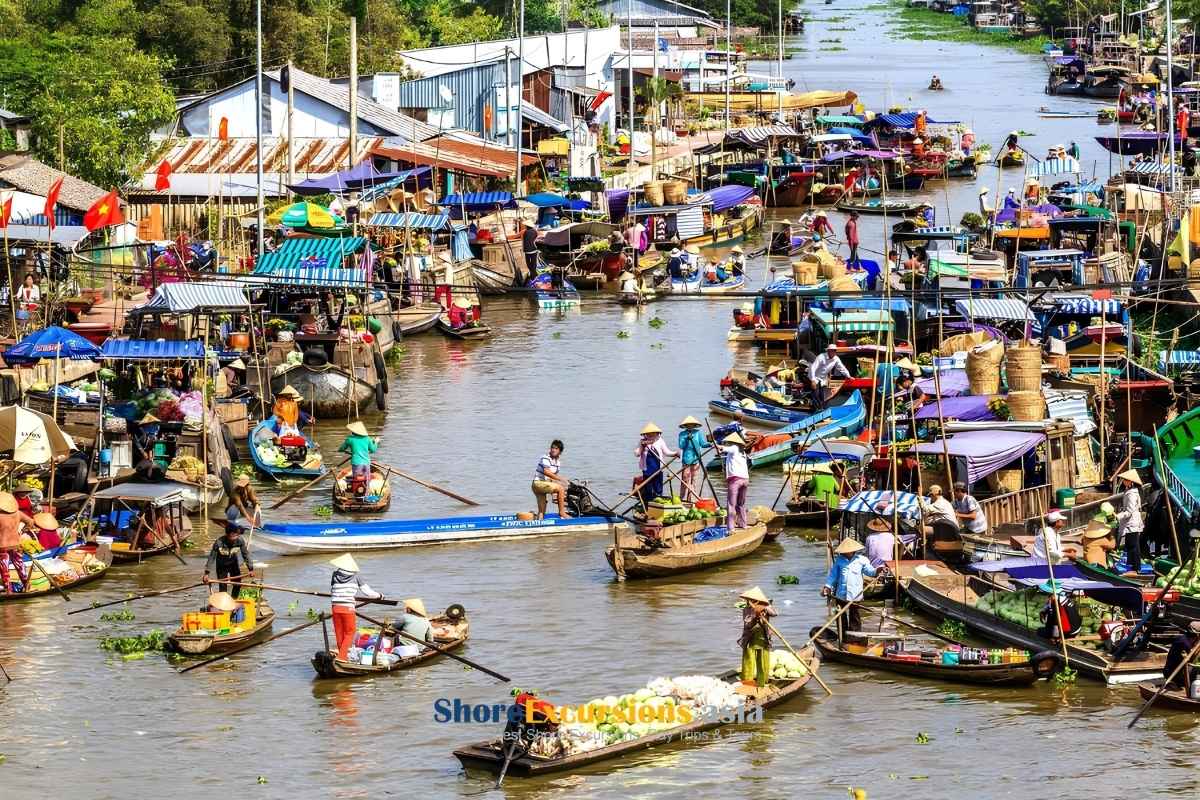
- Days 3 - 4 (Mekong Delta): Journey south into the heart of the Mekong basin. Cruise on wooden longtail boats along palm-fringed canals, witness bustling morning floating markets, and observe local cottage industries producing coconut candy and woven mats.
Crucial Travel Advisories for Cruise Passengers
Before confirming your combined itinerary, ensure your paperwork and health protocols align across borders:
- Visa Specifications: While Japan offers visa waivers for numerous Western nationalities, Vietnam requires most passport holders to possess an approved e-Visa prior to arrival. Apply online at least 10 to 14 business days before boarding your Japan cruise to account for processing windows.
- Wardrobe Adaptation: A spring or autumn Japan sailing often requires wool coats, thermals, and windbreakers. In contrast, Vietnam’s central and southern provinces remain tropical year-round. Pack lightweight, breathable linens and easy-slip walking shoes suitable for exploring temple complexes that require modest attire (shoulders and knees covered).
- Currency Dynamics: Credit cards and IC transit cards (like Suica or Pasmo) dominate casual spending in urban Japan. In Vietnam, while hotels and fine-dining venues welcome international cards, artisanal workshops, street food stalls, and tipping require local currency (Vietnamese Dong - VND). Keep cash on hand for day-to-day encounters.
Closing Thoughts
A maritime journey around Japan provides an unparalleled introduction to East Asia’s coastal refinement. Yet, by pairing that voyage with a thoughtfully organized land extension into Vietnam, you elevate a solitary vacation into an extraordinary, multi-dimensional Asian expedition. The juxtaposition of Japan’s serene port towns with Vietnam’s vibrant heritage, culinary depth, and warm coastal landscapes creates a travel story that lingers long after you have dropped anchor.

 Contact Us via Messenger
 Send Inquiry