
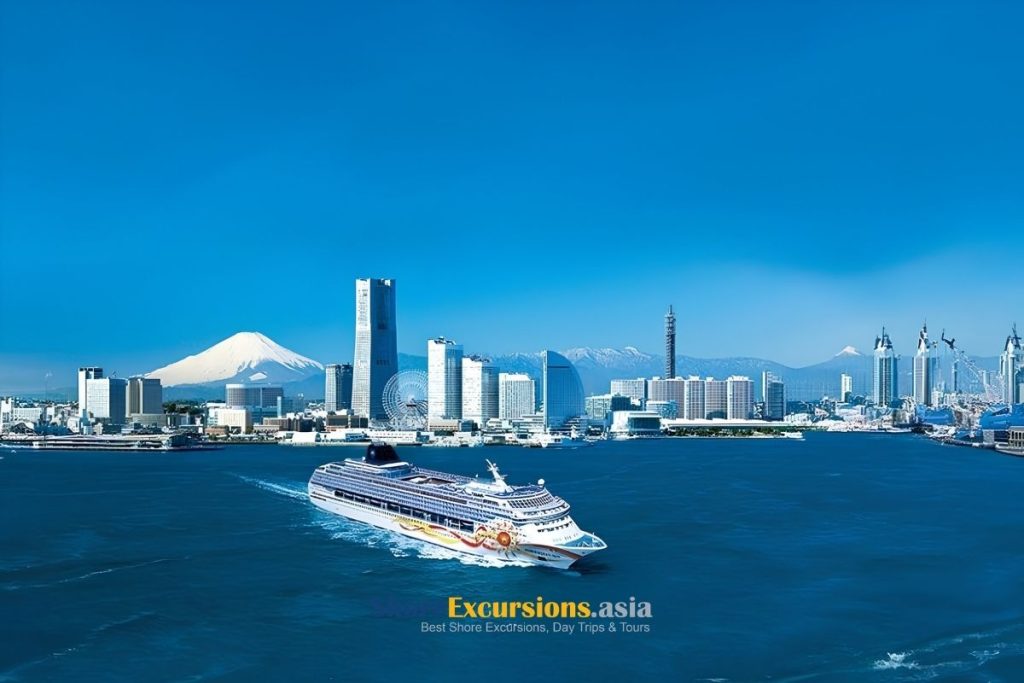
A "Grand Asia" voyage is widely regarded as one of the crown jewels of international cruising. Typically spanning 12 to 28 nights aboard premier ocean liners like Princess Cruises, Celebrity Cruises, Holland America Line, or Royal Caribbean, these sweeping itineraries chart historic maritime trade routes from the neon-lit bays of Tokyo and Yokohama down to the tropical deltas of Vietnam and the futuristic skyline of Singapore.
While the appeal of unpacking once while traveling across multiple sovereign nations is unmatched, the sheer geographical and operational diversity of this route can overwhelm unprepared voyagers. A single sailing takes you from the hyper-structured, cold-weather ports of Honshu to the humid, bustling harbors of Indochina.
To maximize your sea days and port calls without falling prey to logistical bottlenecks, common shore excursion traps, or exhausting transit delays, you need a disciplined strategic approach.
The Shore Excursion Dilemma: Ship Tours vs. Private Local Operators
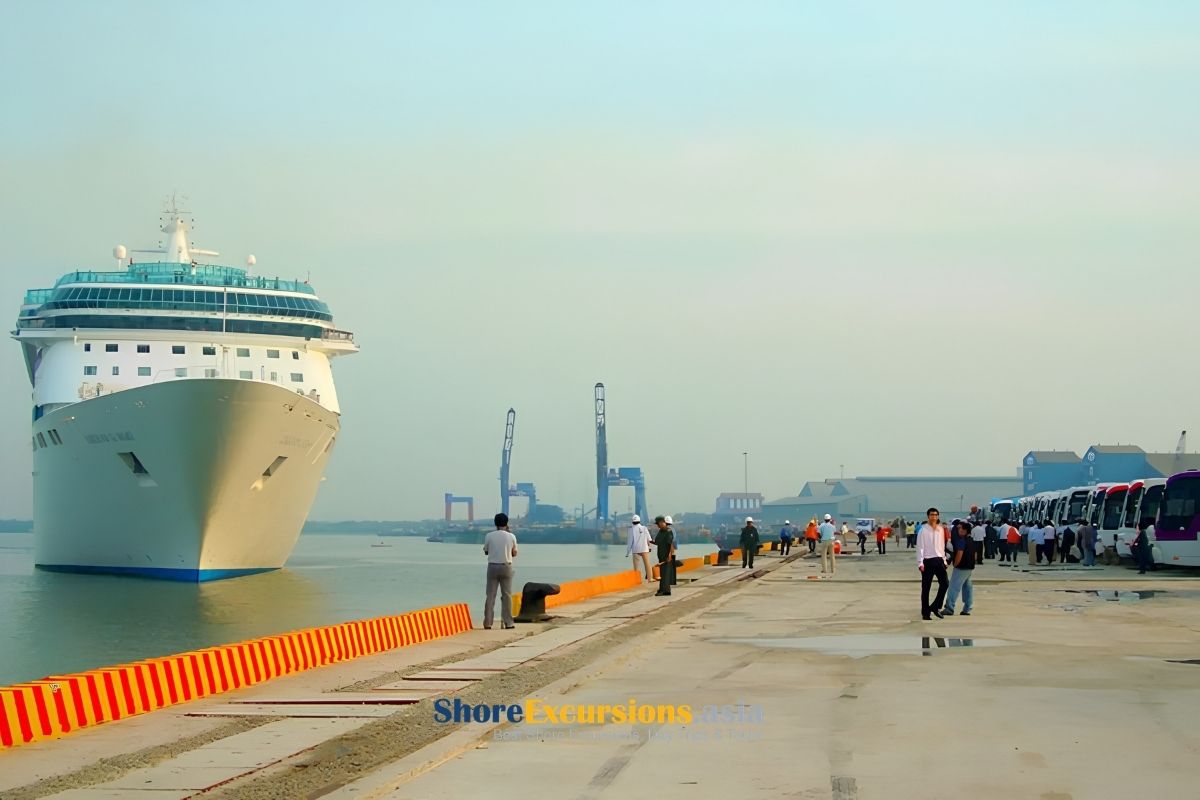
As your vessel transitions from Japanese waters toward Vietnam, the nature of shore excursions undergoes a radical shift. In Japan, cruisers can easily manage independent rail journeys or walk directly off the ship in ports like Nagasaki. However, once your ship docks in Vietnam, your ports of call-such as Phu My, Chan May, or Cai Lan-are commercial maritime hubs situated miles away from major cultural centers.
Cruise lines heavily promote their proprietary shore excursions for these ports, charging steep premiums under the promise of guaranteed return times. Yet these ship-sponsored tours routinely bundle 45 to 50 passengers onto a single motorcoach, moving at the pace of the slowest walker and limiting your cultural exposure to pre-selected souvenir warehouses.
Key Port Transit Realities in Vietnam:
- Phu My Harbor ➔ Ho Chi Minh City: ~70 km (~1.5 hrs via Long Thanh Expressway)
- Chan May Wharf ➔ Hoi An Ancient Town: ~75 km (~1.5–2 hrs via Hai Van Tunnel)
- Cai Lan / Ha Long ➔ Hanoi Old Quarter: ~160 km (~2.5 hrs via Hai Phong Expressway)
To break free from rigid bus schedules while maintaining complete schedule security, experienced cruisers turn to accredited private tour operators. Working with an established local agency like Du Lịch Tầm Nhìn Việt (Viet Vision Travel) allows international guests to bypass crowded group buses in favor of dedicated private minivans, licensed English-speaking historians, and customized pacing. A specialized local shore operator tracks real-time traffic corridors, synchronizes pick-ups directly at the harbor gate, and guarantees arrival back at the pier well before the ship's gangway secures.
Securing trusted local handling early in your voyage planning is the single most effective way to protect your time and shore-leave budget.
Comparison: Ship-Sponsored Excursions vs. Private Local Day Tours
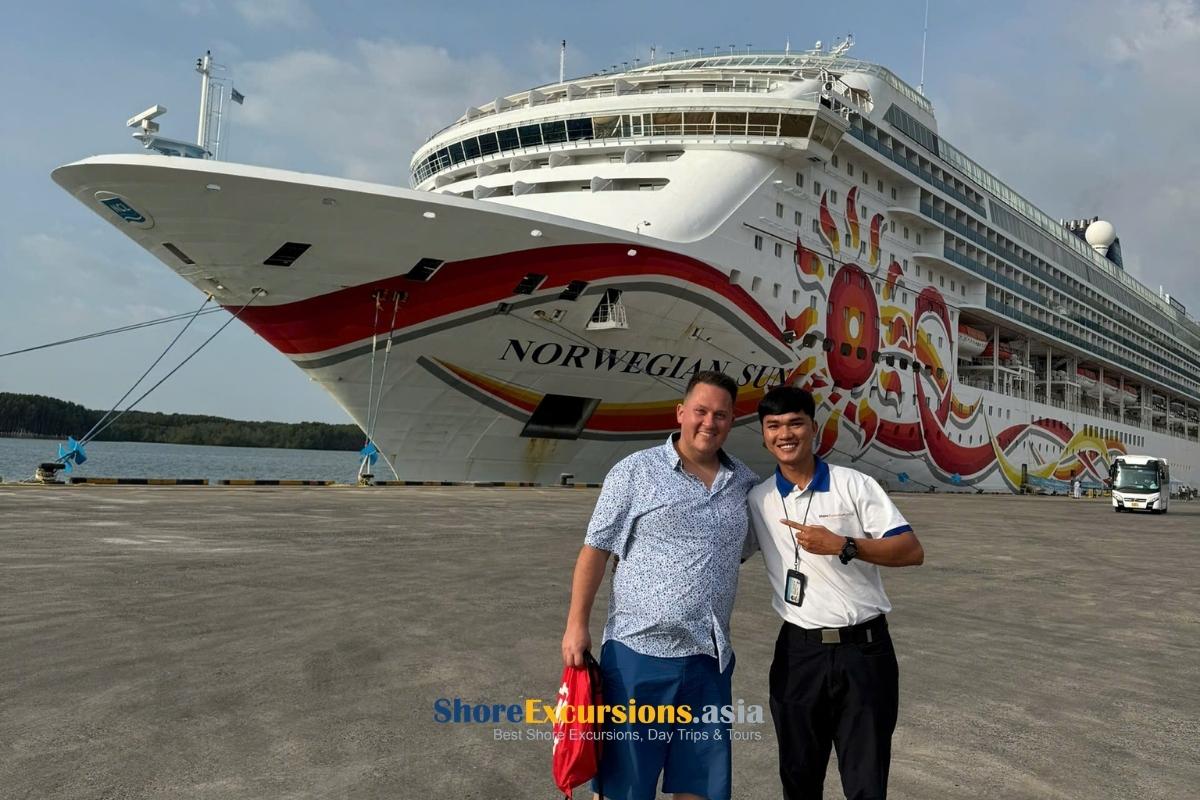
Before locking in your onshore excursions across Japan and Southeast Asia, consider how the two primary touring models stack up across key cruise criteria:
| Evaluation Factor | Cruise Line Ship-Sponsored Tour | Private Local Tour (Local Operator) |
| Group Capacity | Large coaches (35 - 50 passengers per bus). | Private party only (2 - 8 guests in private MPV/van). |
| Flexibility & Pacing | Rigid itinerary; fixed bathroom and photo stops. | 100% customizable; stay longer at sites you enjoy. |
| Pricing Value | High markup ($180 - $350+ USD per person). | Substantially lower per-person cost for couples/groups. |
| Harbor Departure | Delayed; long waits for all bus passengers to assemble. | Immediate dockside departure upon gangway clearance. |
| Cultural Immersion | Sanitized stops, large group-buffet restaurants. | Authentic local eateries, artisan alleys, off-the-beaten-path sites. |
| Return-to-Ship Guarantee | Ship will wait if official bus is delayed. | Handled via strict 90-minute safety buffer by licensed DMCs. |
Mastering the Maritime Route: Japan to Vietnam
A standard Grand Asia sailing typically moves through three distinct operational phases:
Phase 1: The Japanese Archipelago (Yokohama, Kobe, Kochi, Nagasaki)
- The Environment: Spotless piers, brisk seasonal air, and exceptional public transport.
- Onshore Strategy: Leverage regional rail links where feasible. If your ship docks overnight in Kobe, take the 30-minute bullet train into Kyoto for early-morning access to Fushimi Inari before tour crowds arrive. In Nagasaki, use the retro streetcar network to explore Glover Garden and the Peace Memorial independently.
Phase 2: Transiting the East China Sea (Taiwan or Hong Kong)
- The Environment: High-density vertical metropolises acting as transition points.
- Onshore Strategy: Docking at Keelung (gateway to Taipei) or Ocean Terminal in Hong Kong offers easy urban walks. Focus your shore time on street gastronomy (like Taipei’s Raohe Night Market or Hong Kong dim sum parlors) and scenic funicular rides.
Phase 3: The Vietnamese Coastline (Ha Long, Chan May, Phu My)
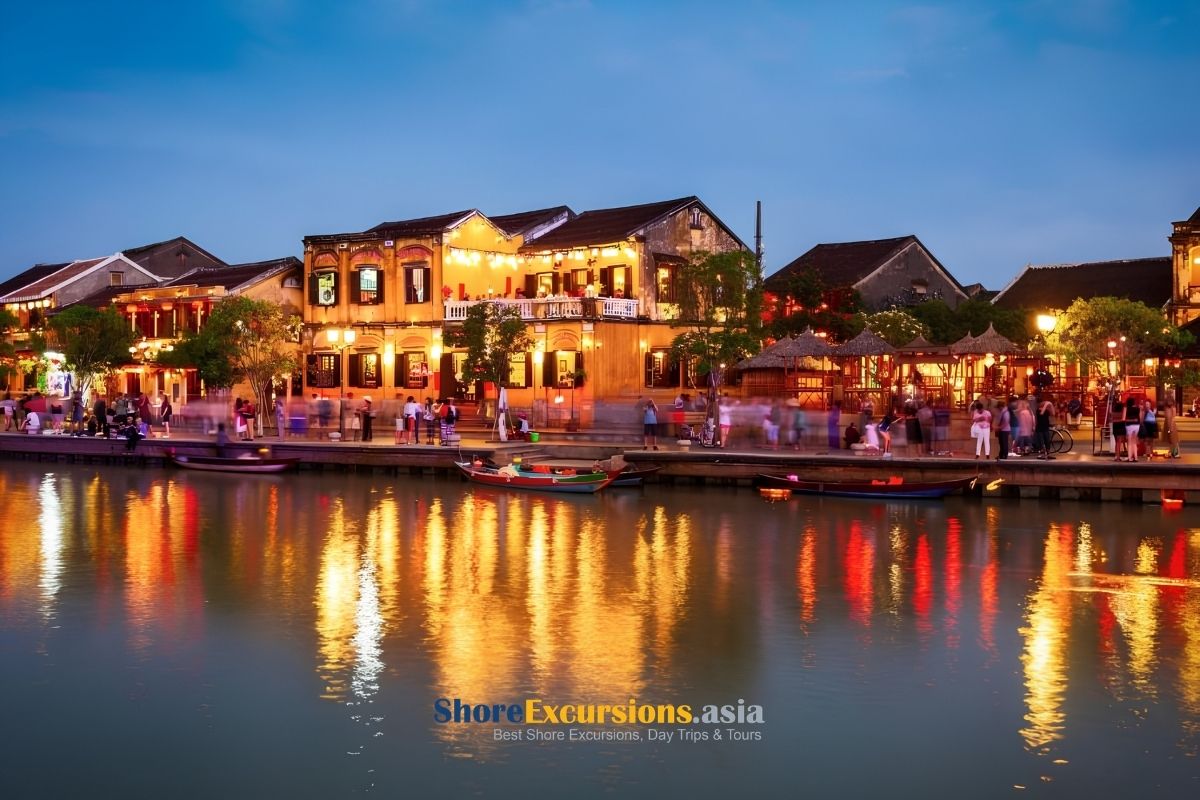
- The Environment: Sub-tropical climates, sprawling harbor basins, and extensive highway corridors into ancient capitals.
- Onshore Strategy: Pre-book private transfers. In Ha Long Bay, avoid standard bus tours to Hanoi; instead, charter a private traditional day junk directly from the cruise terminal to cruise the quiet waters of Bai Tu Long Bay. For Central Vietnam, opt for a private drive through the Marble Mountains into Hoi An rather than sitting through a crowded group shopping stop.
5 Non-Negotiable Rules for Grand Asia Cruisers
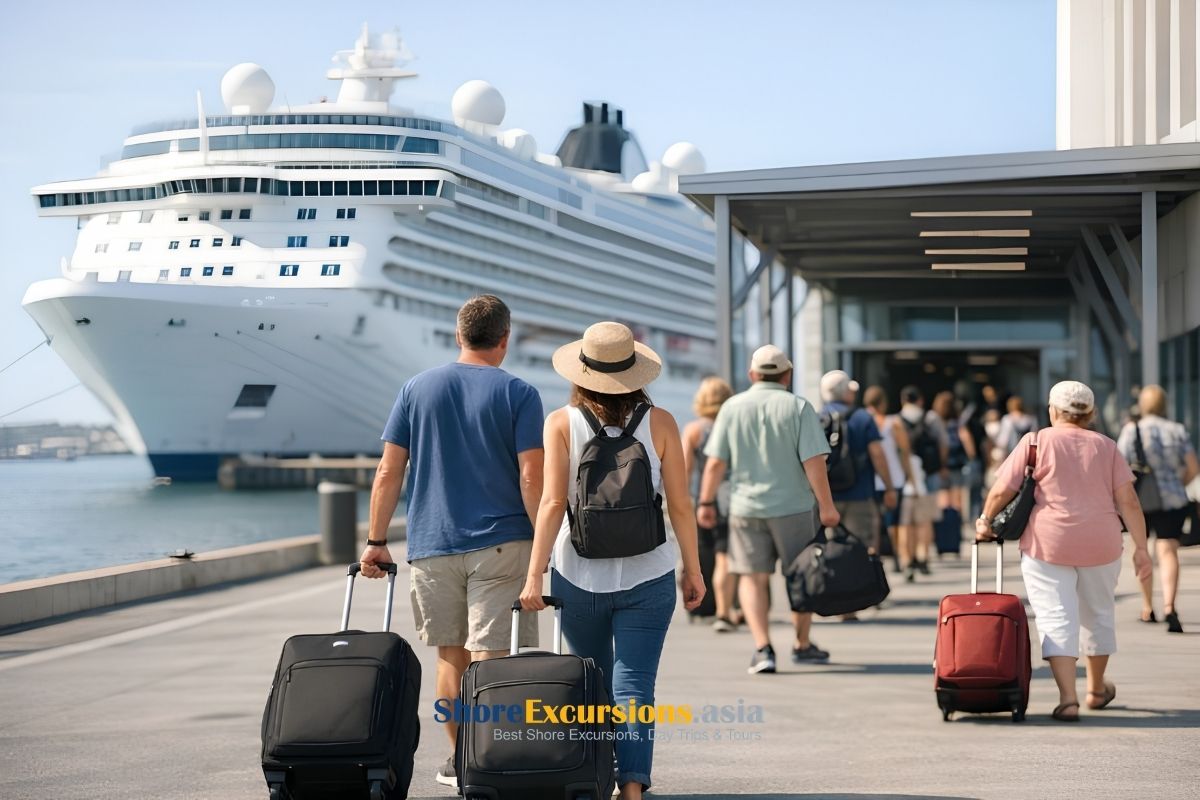
To protect your holiday investment, internalize these practical operational guidelines before embarking:
- Calculate the "All-Aboard" vs. "Departure" Differential: Never confuse your ship’s Sail Away time with the All-Aboard deadline. The all-aboard call is almost universally set 30 to 45 minutes prior to departure. When touring privately in developing traffic corridors like Ho Chi Minh City or Da Nang, aim to be back inside the security gate a full 90 minutes before the gangway closes.
- Sort Your Multi-Entry Visas Early: A multi-country Asian sailing requires careful visa diligence. While Japan offers widespread visa-free entry for Western passports, Vietnam has distinct e-Visa protocols. Cruisers arriving by sea must ensure their e-Visa specifies the correct maritime port of entry (e.g., Duong bien / Seaport entry), not just air entry.
- Carry Dual Currencies on Port Days: While international credit cards function smoothly in Japanese department stores and Hong Kong malls, local shore excursions in Vietnamese fishing villages or market stalls require cash. Carry crisp US dollars for exchange or withdraw Vietnamese Dong (VND) at terminal ATMs.
- Prepare for Severe Climate Shifts: Cruisers sailing in autumn or spring can experience 10°C (50°F) in Yokohama and 32°C (90°F) with 85% humidity in Phu My just five days later. Pack modular, breathable layers that can transition from windproof sea-deck jackets to lightweight linen temple attire.
- Establish Offline Digital Redundancy: Cellular roaming between international waters and disparate countries can lead to hefty roaming fees or lost connections. Download offline Google Maps for every port city and keep digital, offline screenshots of your ship’s emergency port agent contact sheet.
Final Thoughts
A Grand Asia cruise connecting Japan to Vietnam offers one of the most culturally expansive journeys available on the high seas. By understanding the stark differences between East Asian transit efficiency and Southeast Asian overland logistics, you can liberate yourself from standard bus caravans and experience the genuine soul of both regions with complete confidence and safety.

 Contact Us via Messenger
 Send Inquiry