

Kobe is one of those Japanese cities that quietly surprises travelers. It has the elegance of a cosmopolitan port city, the relaxed atmosphere of a seaside destination, and the culinary reputation that attracts food lovers from around the world. After spending time exploring Kobe’s waterfront districts, historic foreign neighborhoods, mountain viewpoints, and local dining scene, it becomes easy to understand why so many visitors consider it one of Japan’s most underrated destinations.
This Kobe travel guide edited by Japan Shore Excursions covers everything you need to plan a memorable trip, including the best attractions, local foods, transportation tips, recommended neighborhoods, and practical advice for first-time visitors.
Where Is Kobe Located?
Kobe sits in Hyogo Prefecture in the Kansai region of Japan. The city stretches between Osaka Bay and the Rokko mountain range, creating a dramatic landscape that feels very different from other region of Japan. One of Kobe’s greatest advantages is convenience. Travelers on Kobe shore excursions can easily reach the city from Osaka in less than 30 minutes, while Kyoto and Himeji are also close enough for day trips. This location makes Kobe an excellent base for exploring western Japan.
As an international port city, Kobe developed a unique cultural identity after Japan reopened to foreign trade in the 19th century. European-style architecture, international cuisine, jazz culture, and stylish cafés still shape the city’s atmosphere today.
Is Kobe Worth Visiting?
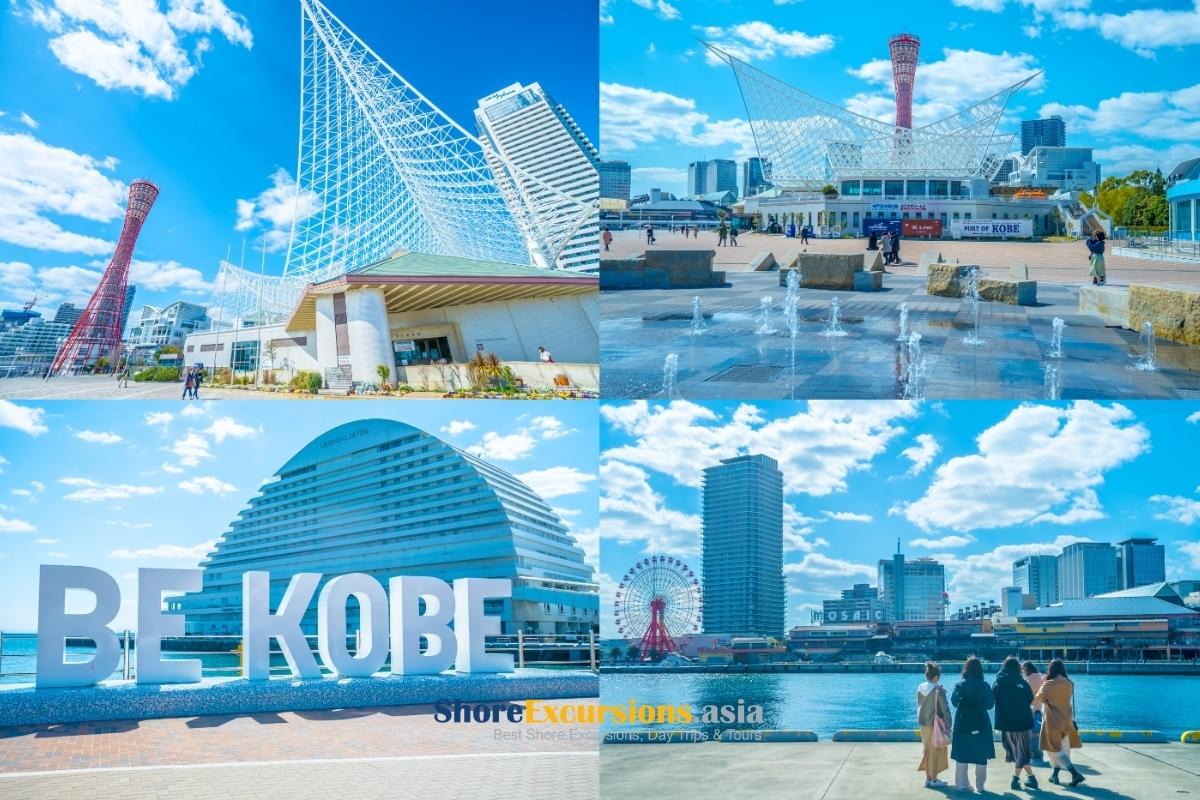
Many travelers ask, “Is it worth visiting Kobe if I already plan to visit Osaka or Kyoto?” - The answer is absolutely YES. Kobe offers a slower and more refined travel experience compared to Osaka’s energetic nightlife or Kyoto’s crowded temples. The city feels spacious, organized, and comfortable. Streets are walkable, public transportation is efficient, and many attractions are located close together.
Kobe is especially appealing for:
- Food lovers interested in authentic Kobe beef
- Couples looking for romantic waterfront scenery
- Travelers who enjoy stylish cafés and shopping
- Visitors seeking a quieter Kansai experience
- Cruise passengers exploring Japanese port cities
One of the most memorable parts of visiting Kobe is the balance between urban life and nature. In the morning, you can explore the harbor area. By afternoon, you can relax in mountain hot springs or hike scenic trails overlooking the city.
Best Time to Visit Kobe
Similar to Kyoto, Kobe is a city that changes noticeably with each season. For most international visitors planning a balanced itinerary, late March to May and October to November are generally considered the best time to visit Kobe and explore the city.
Spring (March to May)
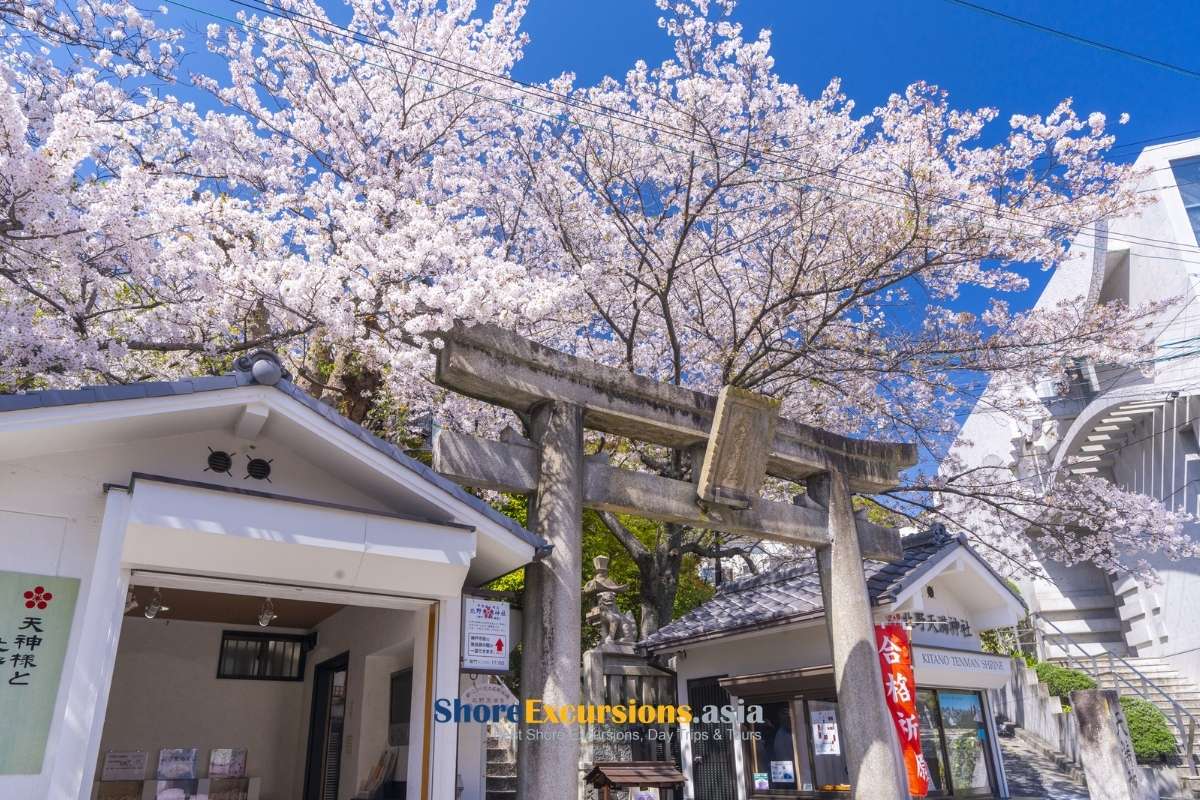
Some of the best cherry blossom spots include:
- Ikuta River Park
- Sumaura Park
- Nunobiki Herb Gardens
- Oji Zoo area
- Arima River near Arima Onsen
Spring is also an excellent season for café hopping and outdoor dining. Many local restaurants open terrace seating once the weather becomes warmer, especially around the waterfront districts.
Travel tip:
If you plan to visit during cherry blossom season, booking tours, shore excursions, or accommodations at least 2-3 months in advance is recommended, particularly on weekends.
Summer (June to August)
Summer in Kobe feels energetic and festive. The harbor area becomes especially lively in the evenings, with outdoor beer gardens, seasonal events, and fireworks displays attracting both locals and visitors. The Kobe Port Festival is one of the city’s biggest summer celebrations, featuring:
- Dance performances
- Food stalls
- Live music
- Fireworks near the waterfront
=> Explore More: Top Festivals in Japan
Because Kobe sits between the sea and mountains, the city can feel humid during midsummer. July and August are typically the hottest months, though sea breezes near Harborland and Meriken Park make evenings noticeably more comfortable.
Travel tip:
Many locals avoid sightseeing during the hottest afternoon hours. Planning indoor activities or café breaks between noon and 3 PM can make summer travel much more comfortable.
Autumn (September to November)
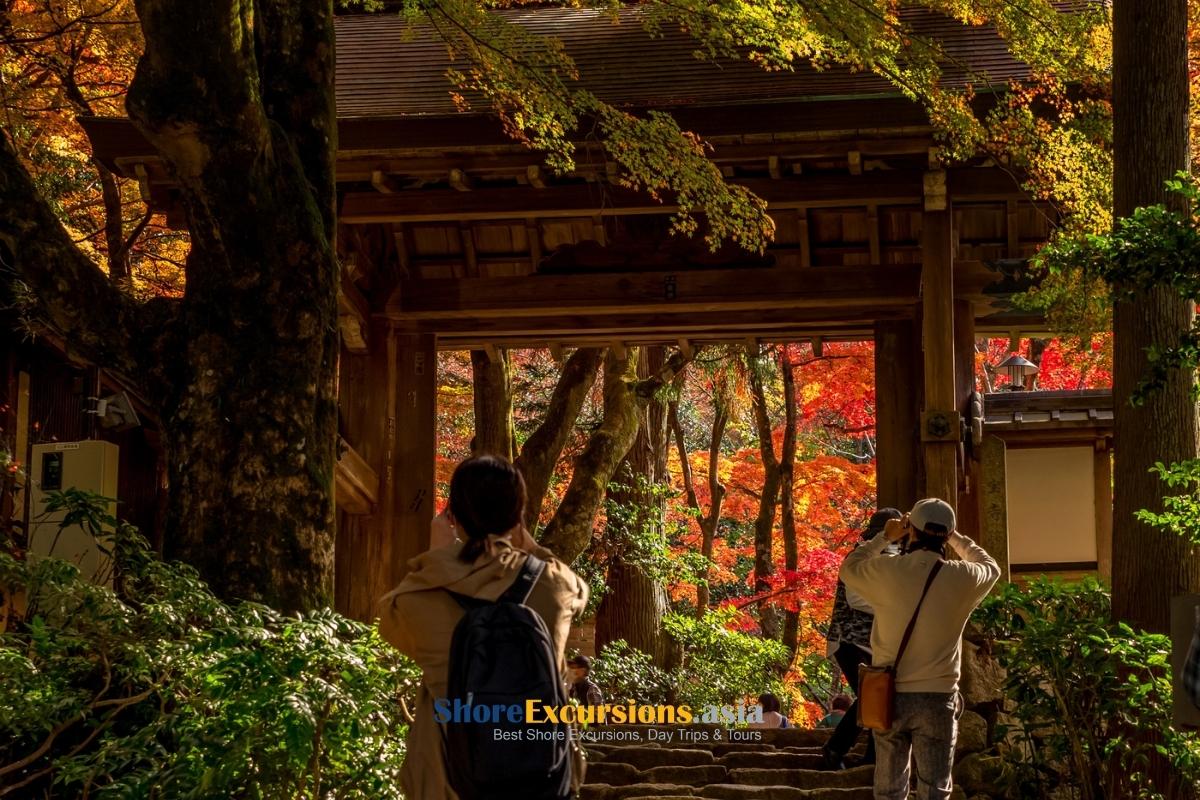
Autumn is arguably the most pleasant season and best time to visit and explore Kobe. The humidity drops significantly after summer, skies become clearer, and temperatures stay comfortable throughout the day. The mountains surrounding the city begin changing color from late October through November, creating beautiful scenery around:
- Mount Rokko
- Nunobiki Falls
- Arima Onsen
- Kobe Municipal Arboretum
This season works particularly well for travelers who enjoy active sightseeing. Walking around Kitano-cho or hiking along Mount Rokko trails feels much easier in the cool autumn air. Autumn is also one of the best times to enjoy Kobe’s food culture. Seasonal seafood, wagyu dishes, and warm sake pair naturally with the cooler weather.
Kobe Travel Guide:
Sunset arrives earlier during autumn, and Kobe’s evening skyline often looks especially clear after rainy summer months. Mount Rokko observation decks tend to offer their best visibility during this season.
Winter (December to February)
Winter gives Kobe a calmer and more atmospheric character. Tourist crowds become smaller, hotel prices often drop outside the New Year holiday period, and the city feels more relaxed overall. One of the highlights of winter is the Kobe Luminarie festival, an annual light event created in memory of the Great Hanshin Earthquake. Illuminated tunnels and artistic light displays transform central Kobe into one of Japan’s most beautiful winter destinations.
Cold weather also makes seasonal experiences more enjoyable, particularly:
- Kobe beef teppanyaki dinners
- Visits to Arima Onsen
- Mountain hot spring ryokan stays
- Winter seafood dishes
Snowfall inside central Kobe is relatively uncommon, though Mount Rokko occasionally receives light snow during colder weeks.
Kobe Travel Guide:
Winter evenings near the harbor can feel colder than expected because of strong coastal winds. A warm coat and layered clothing make nighttime sightseeing much more comfortable.
How to Get to Kobe? - Official Travel Guide of Kobe
One reason many travelers include Kobe in their Kansai itinerary is convenience. The city is extremely well connected to Japan’s transportation network, making it easy to visit even on a short trip.
From Osaka to Kobe
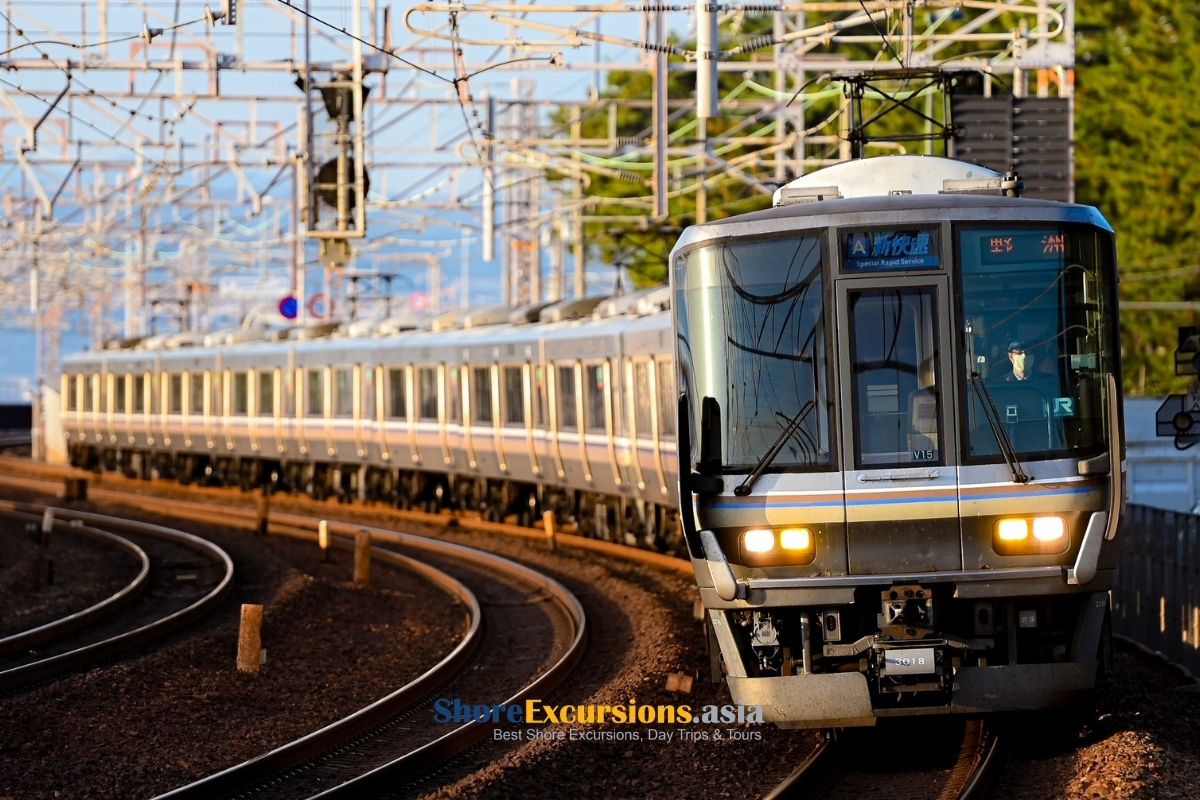
Traveling from Osaka to Kobe is fast, affordable, and very convenient. Most visitors use the JR Special Rapid Service, which connects Osaka Station to Sannomiya Station in roughly 25 minutes.
This route is especially popular because:
- Trains run frequently throughout the day
- Reserved seats are unnecessary
- JR Pass holders can ride without additional fees
- Sannomiya Station sits close to major attractions
If you are staying around Umeda or Osaka Station, this is usually the easiest option. Alternative routes include:
- Hankyu Railway (good for travelers near Osaka-Umeda)
- Hanshin Railway (useful for Namba access)
In practice, many travelers visiting Kobe as a day trip from Osaka leave in the morning and return comfortably at night.
From Kyoto to Kobe
Kyoto and Kobe are directly connected through JR lines, making the journey simple even for first-time visitors in Japan. The JR Special Rapid train usually takes around 50 to 60 minutes between Kyoto Station and Sannomiya Station. For cruise travelers looking to explore Kyoto’s historic temples and cultural landmarks, Kyoto shore excursions provide another convenient way to experience the city.
This route works well for travelers who want to:
- Combine cultural sightseeing with modern city experiences
- Stay in one city while exploring Kansai
- Visit Kobe without changing hotels
Compared to Kyoto’s busy tourist districts, Kobe often feels calmer and more spacious. Many travelers appreciate spending a day in Kobe after several days of temple visits in Kyoto.
From Tokyo to Kobe
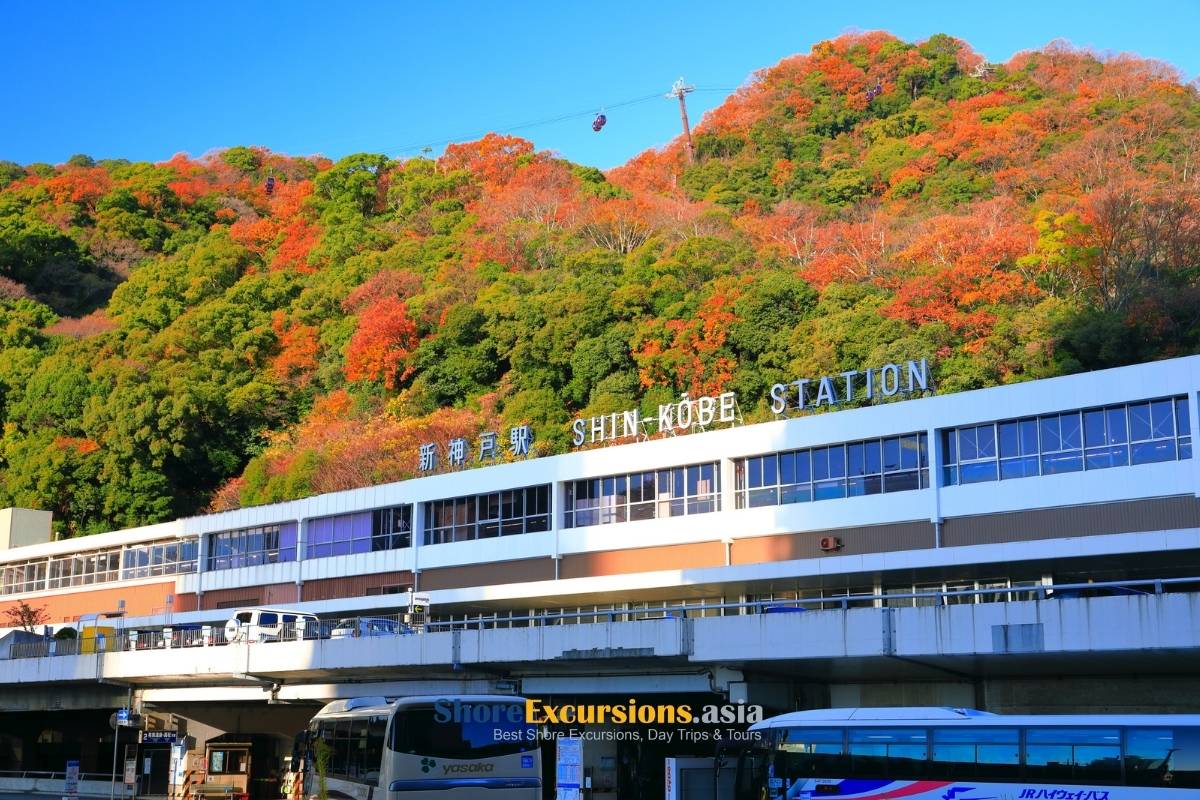
Travelers coming from Tokyo typically use the Shinkansen bullet train to Shin-Kobe Station. The journey usually takes around 2 hours 40 minutes on the Nozomi Shinkansen. Shin-Kobe Station is located on the northern side of the city near the mountains. From there, the subway connects directly to central Kobe in just a few minutes.
One useful detail many visitors do not realize is that Shin-Kobe Station itself is surprisingly close to nature attractions. Nunobiki Falls and the Kobe Nunobiki Herb Gardens can both be reached within walking distance. For travelers following a premium-style Kobe travel guide, taking the Shinkansen offers one of the most comfortable ways to travel across Japan.
From Kansai International Airport (KIX)
Most international visitors arrive through Kansai International Airport before continuing to Kobe. There are several transportation options to choose depending on budget and convenience:
- JR Train: The JR route is reliable and relatively affordable, though it may require transfers depending on your destination in Kobe.
- Airport Limousine Bus: Many travelers prefer the limousine bus because it provides direct service to central Kobe hotels and Sannomiya without handling luggage transfers.
- High-Speed Ferry: The Bay Shuttle ferry is one of Kobe’s most underrated transportation options. It connects KIX to Kobe Airport in around 30 minutes, followed by a short train ride into the city center.
Recommend Best Areas to Stay in Kobe
Finding the right place to stay can make your trip to Kobe much smoother and more enjoyable. Each neighborhood offers a different atmosphere, from lively shopping districts and waterfront hotels to quiet hot spring towns in the mountains. In this Kobe travel guide, these are the best areas to consider based on your travel style, budget, and itinerary.
Sannomiya Area - Best for First-Time Visitors
Sannomiya is the transportation and entertainment heart of Kobe. For most international travelers, this area provides the best balance of convenience, dining, shopping, and nightlife. The district surrounds Sannomiya Station, which connects JR lines, Hankyu Railway, Hanshin Railway, and Kobe subway systems. This makes it incredibly easy to explore both Kobe and nearby Kansai cities.
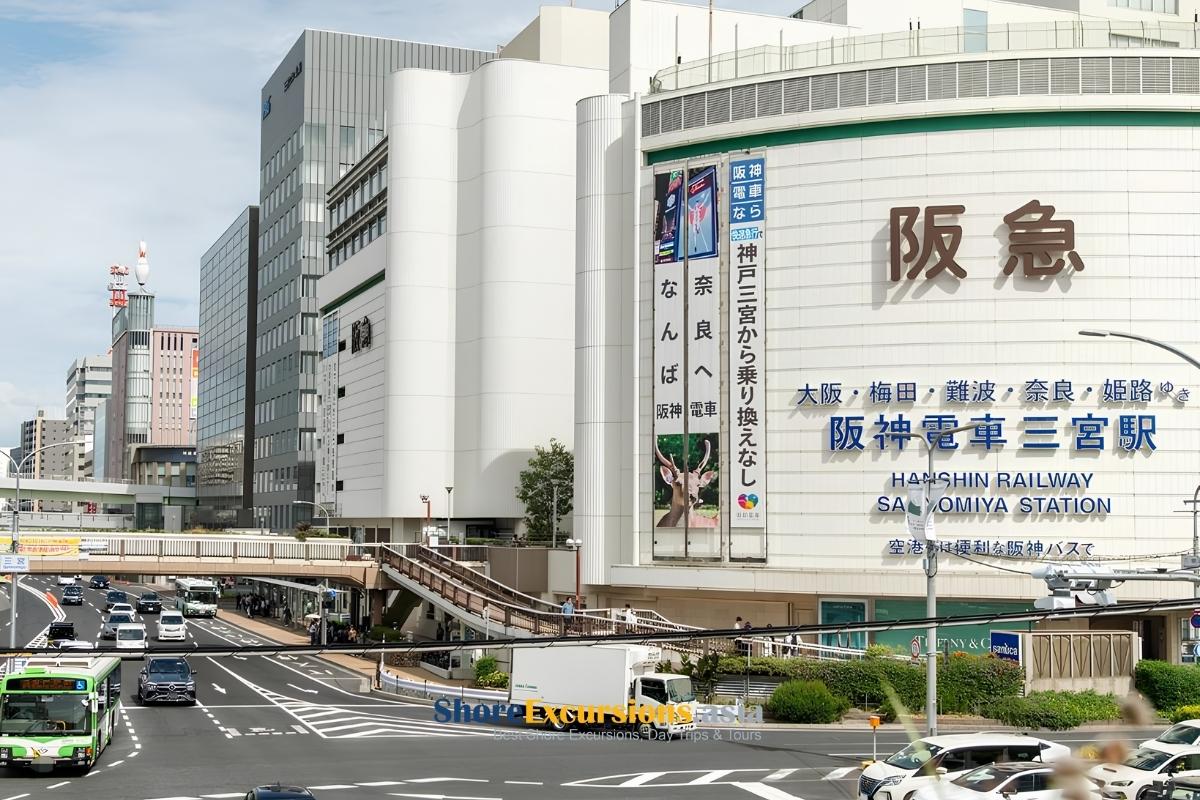
At night, Sannomiya remains lively without feeling overwhelming. Small izakaya alleys, cocktail bars, and ramen shops create a welcoming urban atmosphere that feels more relaxed than Osaka’s busiest entertainment districts.
The area is especially convenient for:
- First-time visitors to Japan
- Solo travelers
- Travelers using public transportation frequently
- Food lovers exploring local restaurants
- Short stays in Kansai
Motomachi Area - Best for Local Atmosphere and Culture
Motomachi offers a slower and more elegant side of Kobe. Located west of Sannomiya, this neighborhood blends historical charm with a distinctly local atmosphere. Compared to Sannomiya, Motomachi feels quieter and more residential. Travelers who enjoy walking through smaller streets, discovering independent cafés, and spending time in less touristy neighborhoods often prefer this area.
One of the most appealing aspects of Motomachi is its balance between modern Kobe and historical influences. European-style architecture, old trading buildings, and stylish Japanese boutiques coexist naturally throughout the district.
This area works particularly well for:
- Couples
- Slow travelers
- Café lovers
- Repeat visitors to Japan
- Travelers interested in photography
Harborland - Best for Waterfront Views and Families
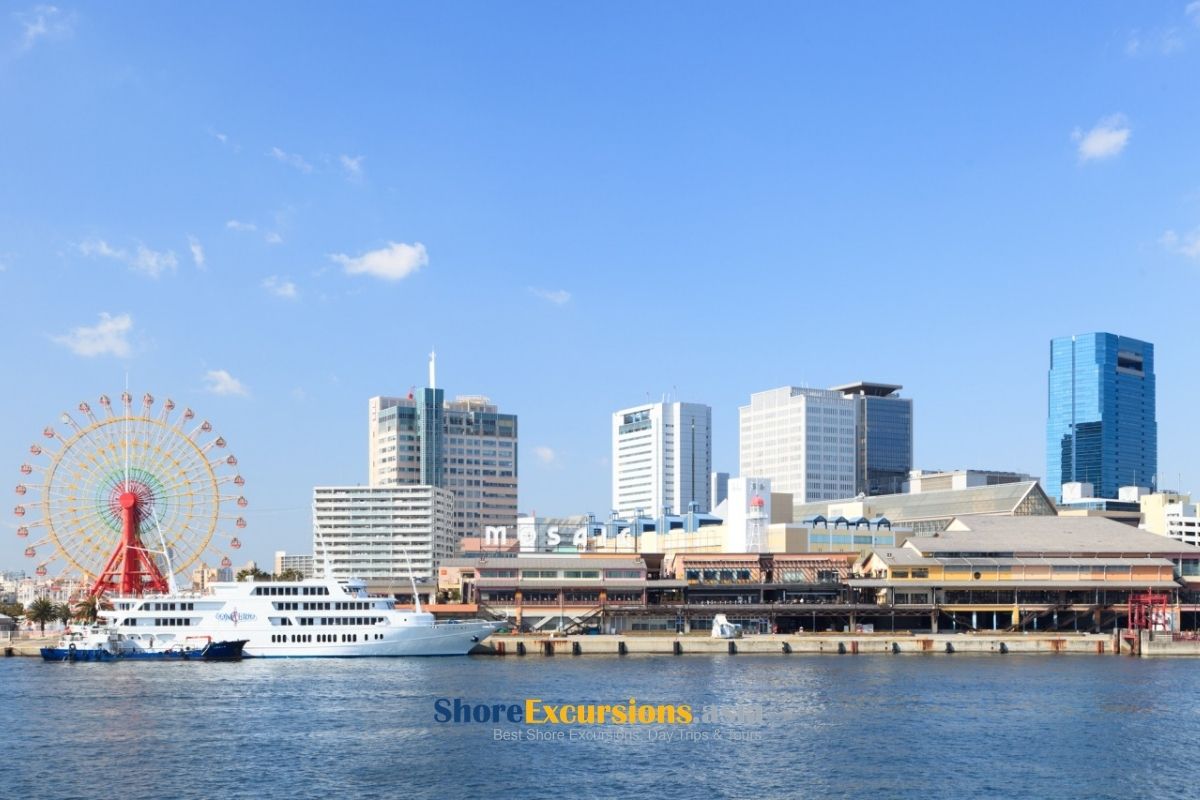
Harborland is Kobe’s most scenic waterfront district and one of the city’s best areas for romantic stays. The combination of sea views, illuminated buildings, shopping complexes, and evening promenades creates a polished and modern atmosphere. Many travelers consider Harborland one of the highlights of an upscale Kobe travel guide because the district feels especially comfortable and visually impressive at night.
One advantage of Harborland is the overall pace of the neighborhood. Streets feel wide and less crowded, especially compared to entertainment districts in larger Japanese cities. Even travelers who stay elsewhere often visit Harborland multiple times during their trip because the evening scenery becomes particularly beautiful after sunset.
The area is ideal for:
- Families
- Couples
- Luxury travelers
- Travelers who enjoy modern hotels
- Visitors planning shorter stays
Arima Onsen – Best for Traditional Ryokan Stays
For travelers looking to experience traditional Japan, Arima Onsen offers a completely different side of Kobe. Located in the mountains north of the city center, this historic hot spring town feels peaceful, quiet, and deeply rooted in Japanese culture. Arima Onsen is considered one of Japan’s oldest and most famous hot spring destinations. Despite being part of Kobe, the atmosphere feels worlds away from the urban waterfront districts.
Staying overnight here allows travelers to experience:
- Traditional ryokan inns
- Kaiseki multi-course dinners
- Tatami mat rooms
- Public bath culture
- Mountain scenery
- Natural mineral hot springs
An overnight ryokan stay often becomes one of the most memorable parts of visiting Kobe. Wearing yukata robes, enjoying seasonal Japanese cuisine, and soaking in outdoor baths creates a much slower and more immersive travel experience.
Top Things to Do in Kobe for First-time Visitors
A well-planned Kobe travel guide should focus not only on famous landmarks, but also on the atmosphere of the city itself. Kobe is best experienced at a slower pace. Many of the most memorable moments come from simple experiences. Below are some of the most valuable activities that you can do in Kobe.
Visit top tourist attractions
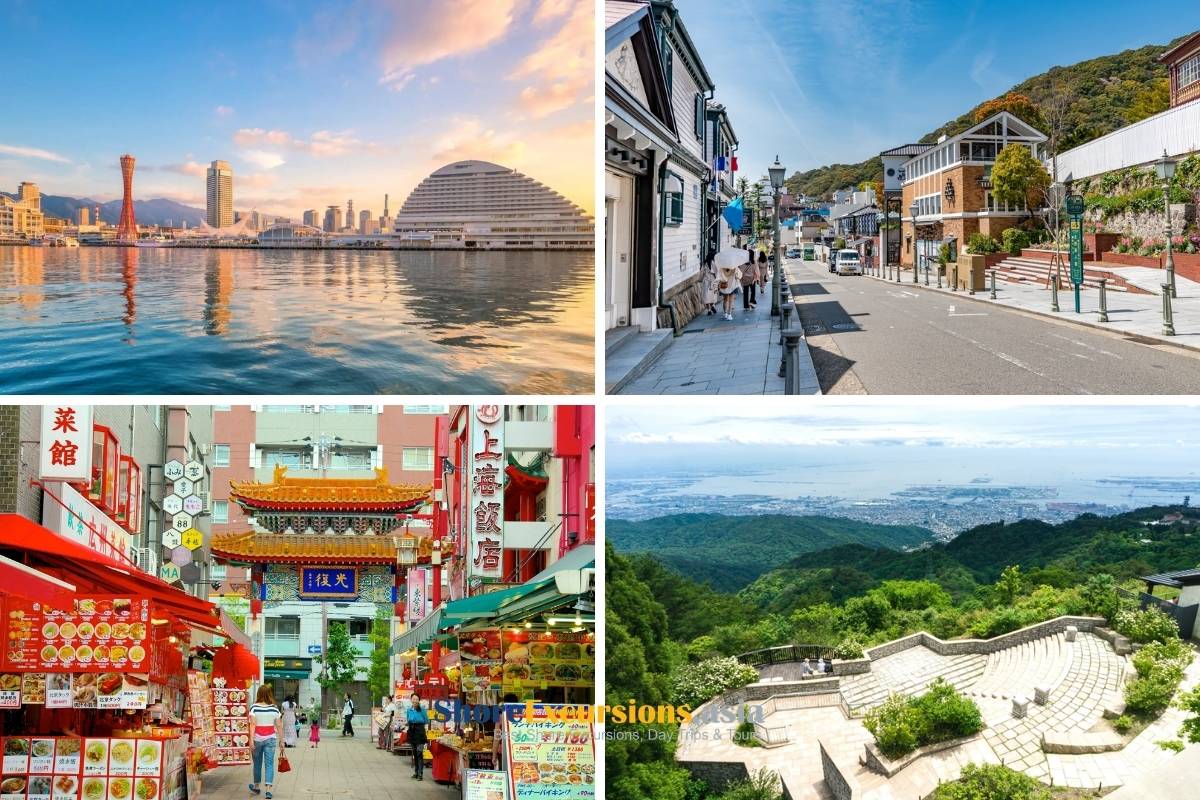
The city is also highly walkable compared to larger destinations like Tokyo or Osaka. Most major attractions are connected through short train rides or easy sightseeing routes, making Kobe ideal for first-time visitors to Japan. Some of theme are:
- Kobe Harborland: The area combines shopping, dining, entertainment, and scenic harbor views in a way that feels modern but still relaxed. At sunset, the atmosphere changes completely. The harbor lights begin reflecting across the water, Kobe Port Tower illuminates the skyline, and restaurants along the waterfront become noticeably busier.
- Kitano-cho: Located on the hillside north of Sannomiya, this district preserves the city’s international history through elegant Western-style residences once owned by foreign merchants and diplomats. European architecture, sloping streets, old churches, and stylish cafés create an atmosphere that feels both international and distinctly Kobe.
- Nankinmachi Chinatown: Food is the main attraction here. The narrow streets are lined with small restaurants, snack stalls, dessert shops, and takeaway counters selling Chinese-inspired street food.
- Mount Rokko: Unlike many mountain viewpoints in Japan, Rokko can be reached relatively quickly through cable cars, buses, and ropeways from central Kobe. During autumn, the mountain becomes especially scenic thanks to colorful foliage. In summer, cooler temperatures provide relief from the city heat below.
Ride the Ropeway to Nunobiki Herb Gardens
The Kobe Nunobiki Ropeway is one of the most underrated attractions in Kobe. Even travelers who normally skip botanical gardens often enjoy this experience because of the panoramic views over Kobe’s coastline. The ropeway departs close to Shin-Kobe Station, making it surprisingly accessible for visitors arriving by Shinkansen. As the gondola climbs into the mountains, the scenery gradually shifts from dense urban streets to forested hillsides and sweeping harbor views.
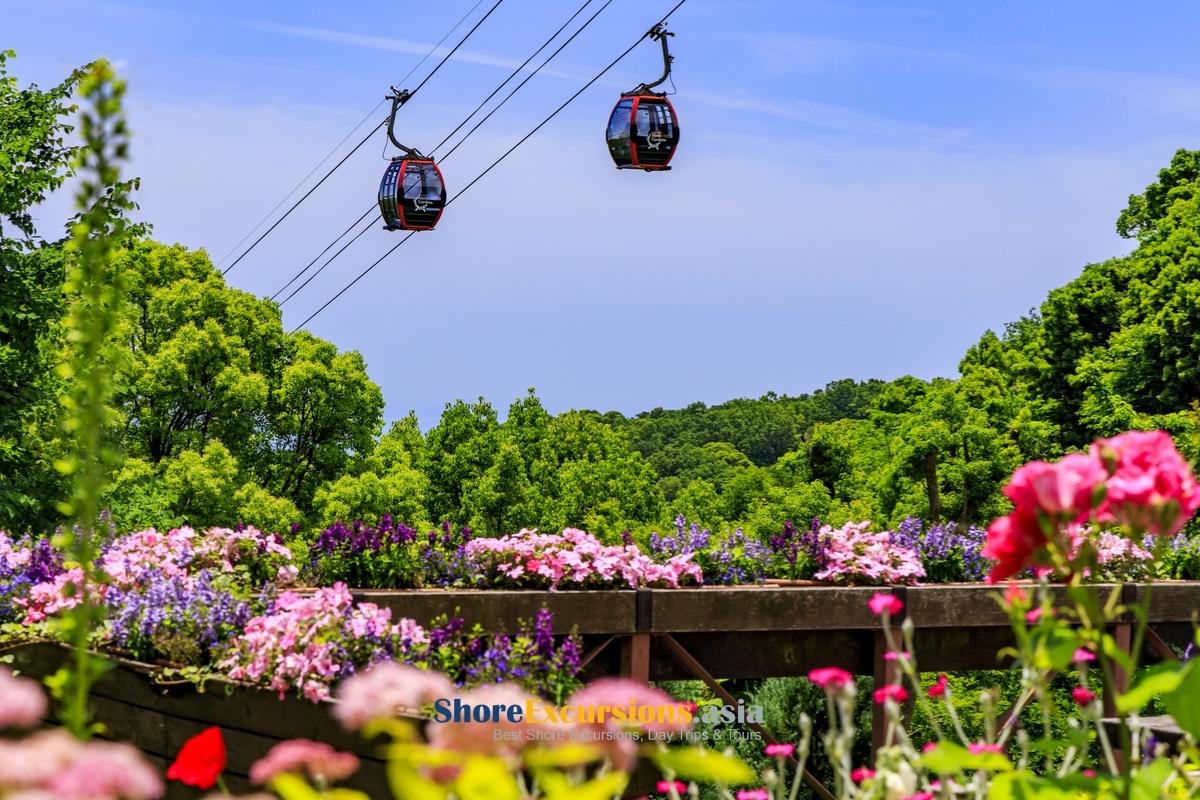
At the top, visitors can enjoy:
- Seasonal flower gardens
- Observation terraces
- Herbal cafés
- Walking trails
- Greenhouse exhibits
Relax in Arima Onsen - Wellness Experience
Arima Onsen is one of the oldest and most famous hot spring towns in Japan, and visiting it feels like stepping into a different era. Located in the mountains north of Kobe, the town offers a peaceful contrast to the city’s modern waterfront districts. Traditional ryokan inns, narrow streets, local sweet shops, and steaming bathhouses create an atmosphere that feels deeply connected to Japanese culture.
Arima is especially known for:
- Kinsen (“gold” hot springs)
- Ginsen (“silver” hot springs)
- Traditional ryokan stays
- Seasonal kaiseki cuisine
- Quiet mountain scenery
Kobe Beef - Signature Food to Try in Kobe
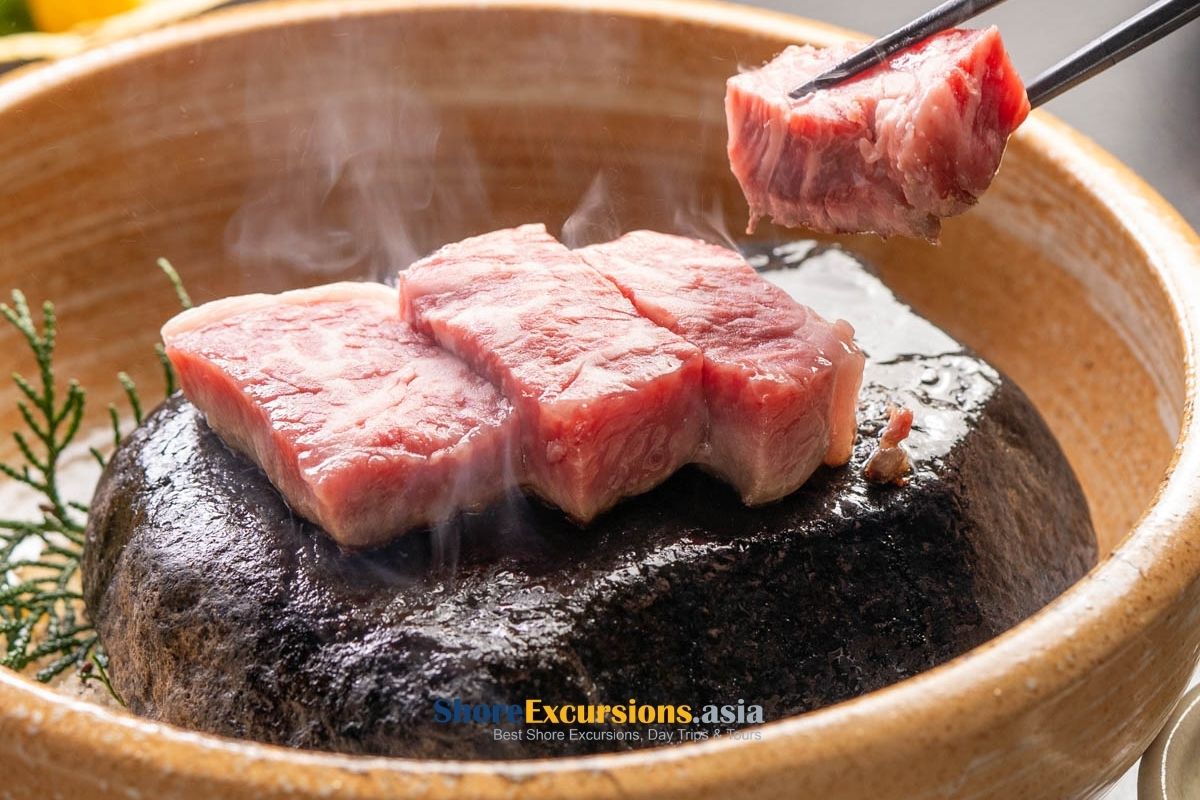
No Kobe Japan travel guide feels complete without trying authentic Kobe beef. Raised under strict standards in Hyogo Prefecture, certified Kobe beef is famous for its rich marbling, tender texture, and buttery flavor. The most popular ways to enjoy it include:
- Teppanyaki
- Steak
- Sukiyaki
- Shabu-shabu
Many first-time visitors choose teppanyaki restaurants because chefs prepare the beef directly in front of guests. Lunch courses are often more affordable than dinner while still offering excellent quality.
Practical Kobe Travel Tips
Kobe is one of the easiest Japanese cities for international travelers to navigate. The city feels organized, safe, and less crowded than Tokyo or Osaka, making it especially suitable for first-time visitors. Still, knowing a few local travel tips can make your experience smoother and more enjoyable. This Kobe travel guide covers some practical advice to help you travel around the city with confidence.
- Stay near Sannomiya Station for convenience
- Use an IC card like ICOCA for convenient navigation
- Carry some cash to pay at smaller local eateries and older shops
- Book Kobe beef restaurants in advance
- Wear comfortable walking shoes
- Visit attractions early in the day for less crowd
- Learn a few simple Japanese phrases such as “Arigatou gozaimasu” (thank you) are appreciated by locals
- Take advantage of Kobe’s compact layout, combine several sightseeing spots in one day without feeling rushed
- Pack for changing weather conditions as temperatures can shift during the day
- Consider spending one night in Arima Onsen for a much deeper experience of traditional Japanese hospitality and hot spring culture
If you are searching for the official Kobe travel guide, you will find plenty of useful information online. Still, personal experience reveals something guidebooks often miss: Kobe feels welcoming in a very effortless way. The city never tries too hard to impress visitors, and that may be exactly why so many travelers end up loving it.

 Send Inquiry