

Planning a trip to Mount Fuji on Shimizu shore excursions often begins with one important question: When is the best time to go? The answer depends on the type of experience you want. This detailed guide explains the best time to visit Mount Fuji Japan, including weather conditions, visibility, crowd levels, photography seasons, and the best months for hiking and sightseeing.
Quick Answer: When Is the Best Time to Visit Mount Fuji?
If you want the most balanced experience overall, autumn is usually the best time to visit Mount Fuji. October and November offer cooler temperatures, colorful foliage, and relatively stable visibility.
However, different seasons offer different advantages:
- Winter provides the clearest Mount Fuji views
- Spring is ideal for cherry blossoms
- Summer is best for climbing Mount Fuji
- Autumn offers the best balance of weather and scenery
Travelers researching when to visit mt fuji should also remember that visibility changes throughout the day. Early mornings often provide the clearest conditions regardless of season.
| Season | Visibility | Crowds | Weather | Best For |
|---|---|---|---|---|
| Spring | Good in mornings | High | Mild | Cherry blossoms |
| Summer | Moderate | Very high | Warm & humid | Climbing season |
| Autumn | Very good | Moderate | Cool & comfortable | Photography & sightseeing |
| Winter | Excellent | Lower | Cold & dry | Clear mountain views |
Spring in Mount Fuji Japan
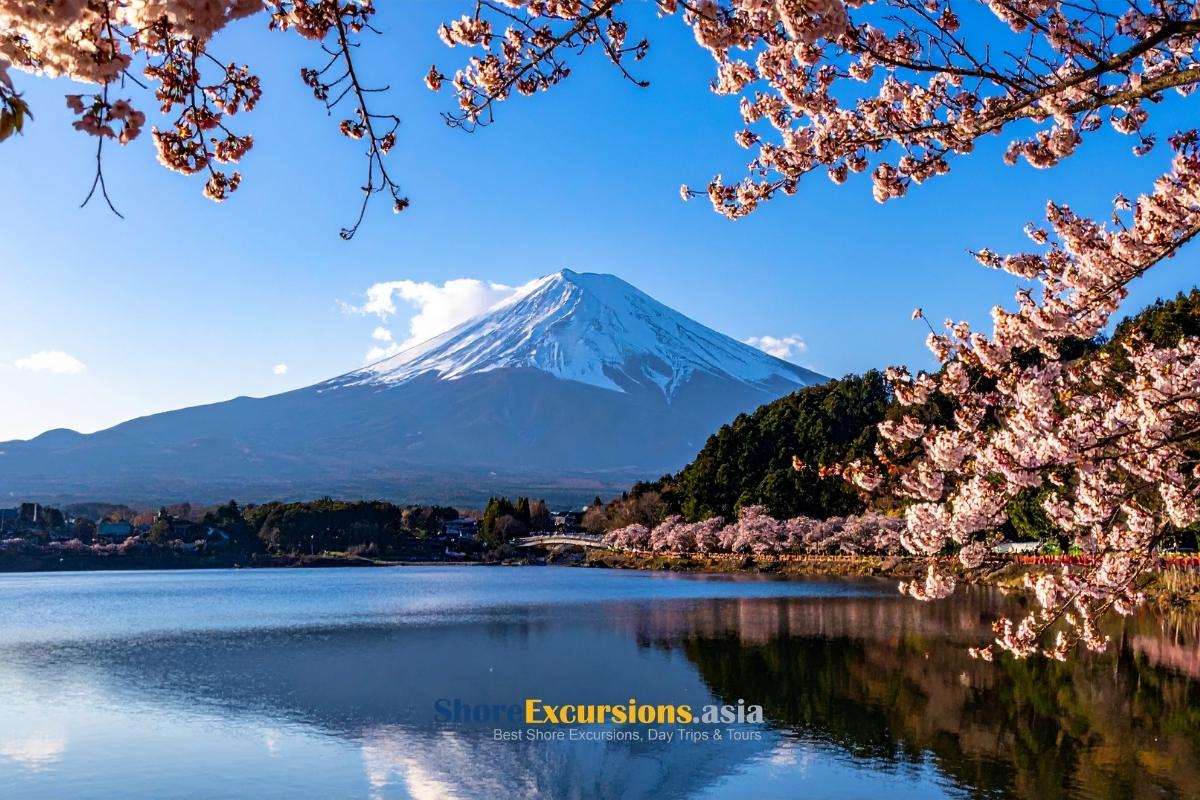
March to May
Spring transforms the Mount Fuji region into one of Japan’s most photogenic destinations. Cherry blossoms in Japan as well as Mount Fuji begin appearing from late March through early April depending on annual temperatures. Popular viewing areas such as Lake Kawaguchi and Chureito Pagoda become especially crowded during this best time to visit Mount Fuji because they combine pink cherry blossoms with dramatic mountain scenery.
Spring Weather and Visibility of Mt. Fuji
Spring temperatures remain comfortable for sightseeing, scenic drives, and outdoor walks around the Fuji region. However, visibility becomes less predictable later in the day. Morning conditions are often much clearer. By afternoon, clouds frequently gather around the summit, especially during warmer weeks in April and May. Travelers on Japan shore excursions following a seasonal Mount Fuji weather forecast should always check visibility reports before heading to major viewpoints.
Is Spring the Most Beautiful Time to Visit Mount Fuji?
For many first-time visitors, yes.
The combination of cherry blossoms, lakeside scenery, and snow remaining on the summit creates remarkable photography conditions. Spring also works well for travelers who prefer cultural sightseeing instead of hiking.
The main drawback is crowd size. Hotels and transportation become busy during peak blossom season, particularly around weekends and Japanese holidays.
Visit Mount Fuji in Summer
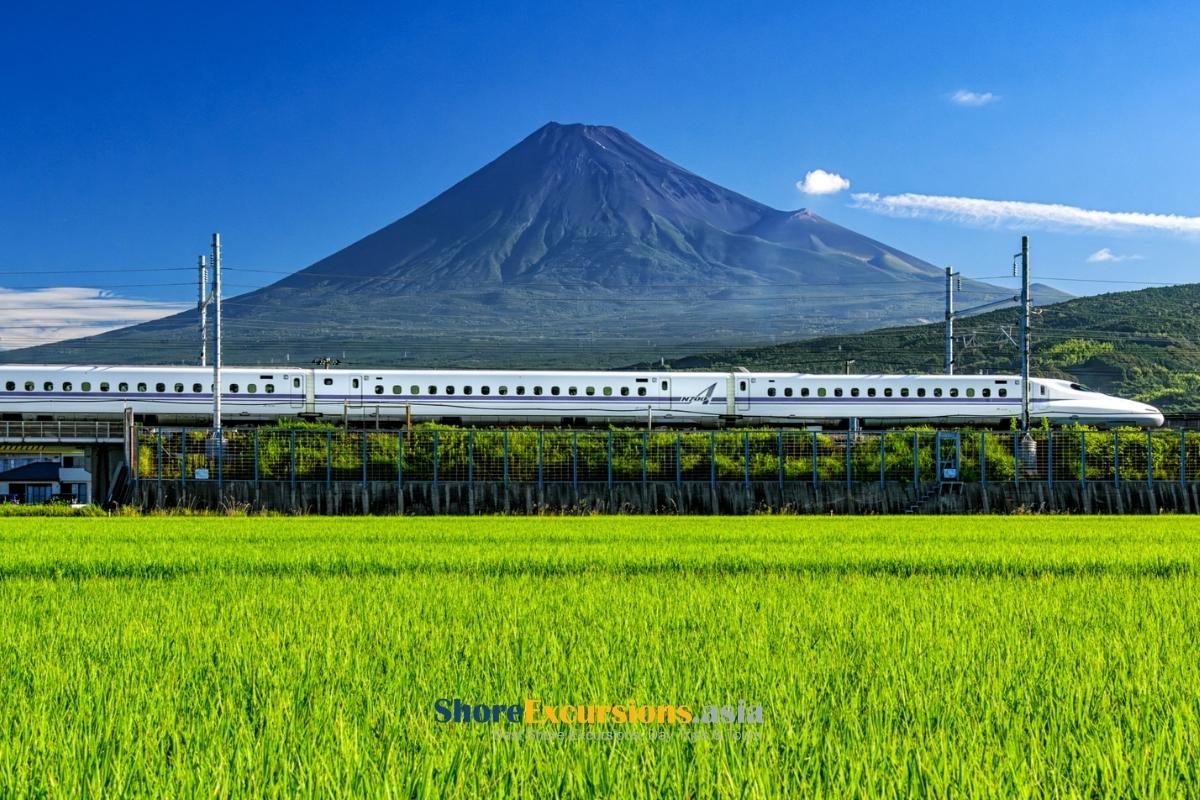
June to August
Summer marks the official climbing season for Mount Fuji. Most trails open in early July and remain accessible until early September depending on weather conditions. The Yoshida Trail remains the most popular option because facilities, transportation, and mountain huts are easier to access. Climbing overnight to watch sunrise from the summit has become one of Japan’s most famous outdoor experiences.
Summer Weather Around Mount Fuji
Summer brings warmer temperatures, higher humidity, and increased rainfall across central Japan. June also overlaps with Japan’s rainy season, which affects visibility around Mount Fuji significantly. Although landscapes become lush and green, the summit often disappears behind clouds by midday.
Is Summer a Good Time to Visit Mount Fuji?
Summer is excellent for active travelers interested in hiking and outdoor activities. Festivals, green landscapes, and longer daylight hours also create a lively atmosphere. However, this season has several disadvantages:
- Larger tourist crowds
- Humid weather
- Weaker visibility
- Busy transportation hubs
For sightseeing alone, summer is not always considered the strongest season in a typical Mount Fuji travel guide.
Autumn - Best Time to Visit Mount Fuji
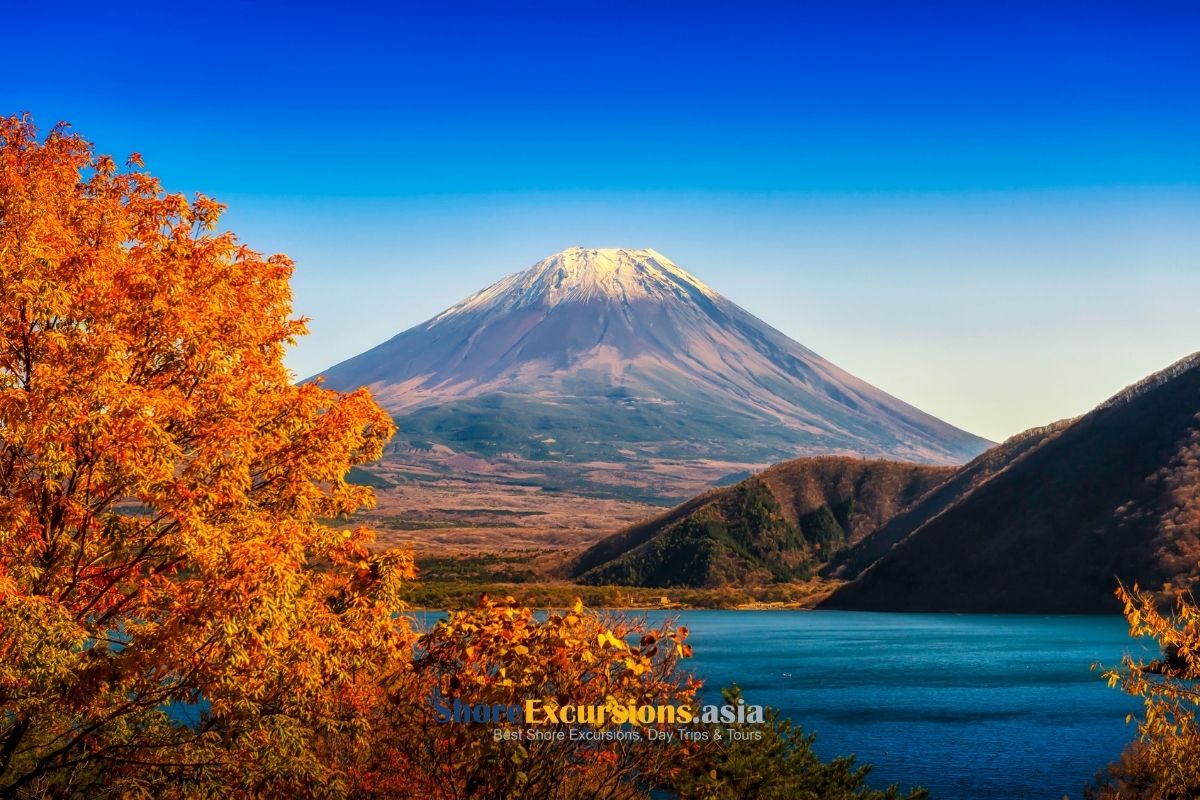
September to November
Many experienced travelers consider autumn the best time to visit Mount Fuji. Temperatures become cooler after summer, humidity drops noticeably, and visibility improves across the region. The scenery also changes dramatically as maple leaves turn red and orange throughout the countryside. Autumn offers one of the best balances between weather, crowd levels, and scenic beauty.
Autumn Colors Around Mount Fuji
The areas surrounding Fuji Five Lakes become especially beautiful during October and November. Scenic roads, lakeside walking paths, and forested viewpoints create excellent photography opportunities. Cool morning air often produces much clearer mountain views compared with summer months. Travelers planning road trips or relaxed sightseeing itineraries often choose autumn for this reason.
Is Autumn Less Crowded Than Spring?
Generally, yes.
Although autumn foliage season still attracts visitors, the atmosphere usually feels calmer than cherry blossom season in spring. Hotel availability also improves slightly outside major holiday periods. For travelers asking when to visit Mt Fuji while avoiding peak tourist crowds, late October and November are often strong choices.
Mount Fuji in Winter
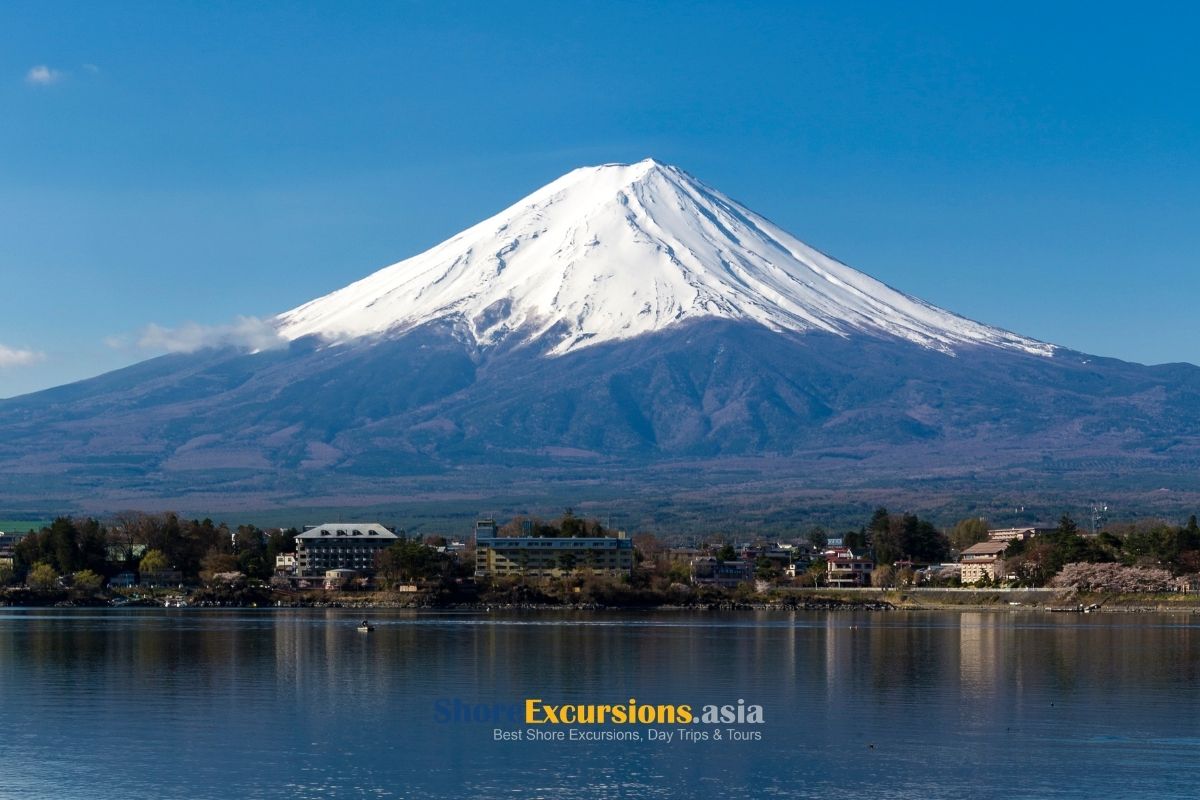
December to February
Winter consistently provides the clearest conditions around Mount Fuji. Cold, dry air reduces haze and creates sharp visibility even from distant coastal areas. This period is often recommended for travelers searching for the best month to see Mount Fuji without cloud interference. During winter mornings, the mountain appears especially dramatic against bright blue skies.
Why Photographers Prefer Winter for Mount Fuji
Winter creates some of the best photography conditions of the year:
- Snow-covered summit
- Crisp natural lighting
- Clearer atmosphere
- Stable visibility during mornings
Along the Shizuoka coastline near Miho no Matsubara, winter views can be particularly impressive. Travelers arriving through Port of Shimizu often experience beautiful panoramic views across Suruga Bay during colder months.
Is Winter Too Cold for Visiting Mount Fuji?
The answer is not necessarily. While temperatures become colder, most sightseeing areas around Mount Fuji remain easy to access. Snow rarely affects lower coastal regions near Shimizu and surrounding cities. Winter also brings fewer crowds, which creates a quieter and more relaxed travel experience.
Best Time to Visit Mount Fuji for Different Travel Styles
Planning a trip around Mount Fuji depends heavily on what you expected to experience. The keyword “best time to visit Mount Fuji” varies by season and activity, because weather and visibility around the mountain change significantly throughout the year.
Below is a clear breakdown by travel style to help you choose the right timing.
Best Time for First-Time Visitors

If this is your first visit and want to view Mount Fuji clearly, autumn (October to November) is widely considered the most balanced and reliable season. Autumn is especially strong because the air becomes cooler and drier after the rainy and typhoon-prone summer months. This reduction in humidity improves visibility across the Fuji Five Lakes region. It also allows you to combine multiple experiences without weather constantly affecting your plans.
Why autumn works best for first-time visitors:
- Stable weather with fewer rain disruptions
- High chance of clear visibility of Mount Fuji
- Comfortable temperatures for walking and sightseeing
- Less extreme crowds compared to cherry blossom peak
Best Time to visit Mount Fuji for Photography
For photographers, the goal is usually maximum clarity, contrast, and atmospheric drama rather than comfort. There are two time periods that work best for photography purpose, including:
- Winter (December to February) mornings
- Late autumn (November)
Winter is the most reliable season for iconic, high-definition shots of Mount Fuji. The mountain is typically fully snow-capped, and the surrounding air is dry and stable, especially early in the morning before thermal haze builds up.
Late autumn is also excellent because you still get relatively mild conditions in the valleys while the peak often begins accumulating snow. Together, these seasons give the clearest and most dramatic visual profile of the mountain.
Best Time for Viewing Cherry Blossoms & Mt. Fuji
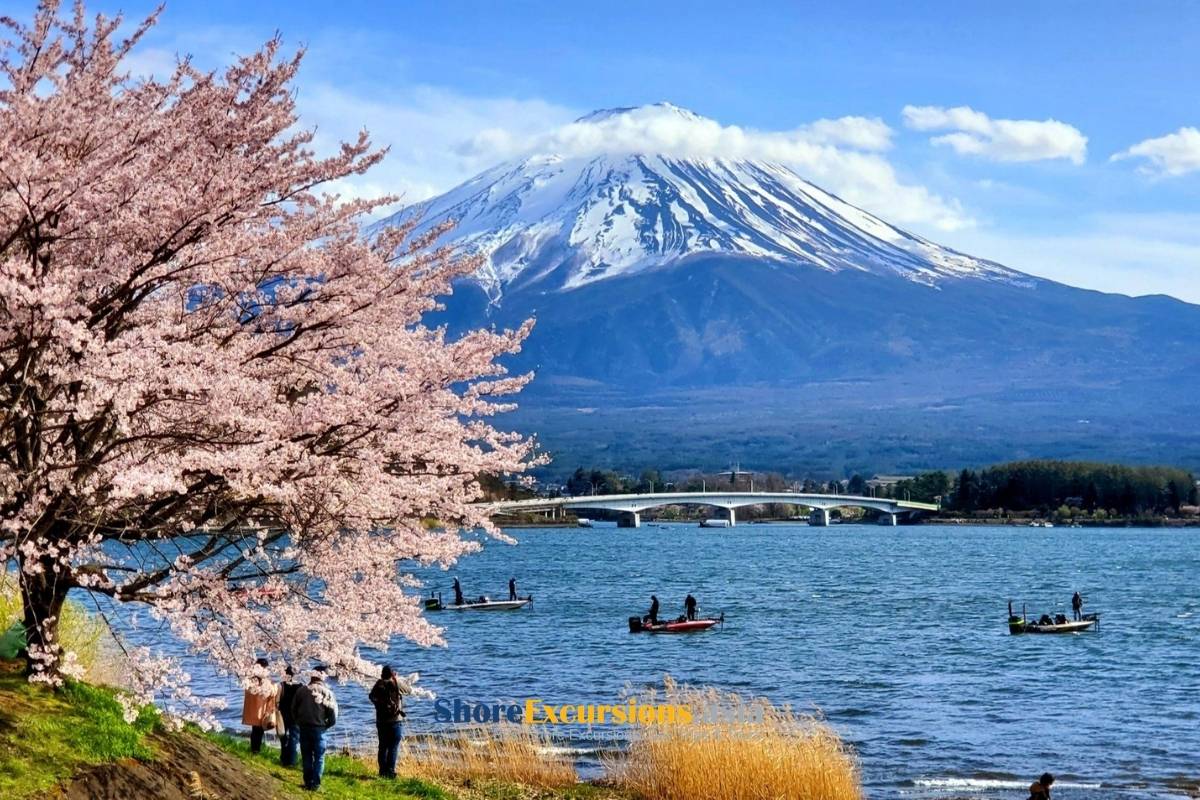
The ideal window for sakura scenery with Mt.Fuji in the background is from late March to early April. This season is one of the most visually striking combinations in Japan: soft pink blossoms in the foreground with the massive white silhouette of Mount Fuji in the background. However, timing is sensitive. Blossoms can shift by several days depending on temperature changes each year, and crowds are significantly higher due to domestic tourism.
During this short but highly popular period:
- Cherry blossoms bloom across parks, lakes, and riverbanks
- Mount Fuji often still has a snow-covered peak, creating strong visual contrast
- Famous viewing areas include Kawaguchiko, Chureito Pagoda, and Fujiyoshida
Best Time for Hiking Mount Fuji
July to early September is the only period when Mount Fuji’s main trails are fully open and supported. Outside this period, climbing is dangerous due to snow, freezing temperatures, and sudden weather changes.
Even in peak season, hikers should prepare for cold conditions at higher elevations and rapid temperature drops near the summit. July is generally the busiest month, while late August offers slightly fewer crowds and still decent weather stability.
During this Mount Fuji hiking season:
- Weather is relatively stable compared to other months
- Mountain huts operate fully for rest and overnight stays
- Rescue and safety infrastructure is available along the trail
Best Time to Visit Mount Fuji on Shore Excursions
From Shimizu, Mount Fuji appears most clearly when atmospheric moisture is low. In summer, even if skies are sunny, humidity often creates a hazy layer that blurs the mountain outline. Autumn and winter reduce this issue significantly, making these seasons far more reliable for cruise passengers who only have a limited viewing window while in port.
Common Mistakes Travelers Make When Visiting Mount Fuji
Even experienced travelers can misjudge conditions around Mount Fuji because visibility and weather change quickly. Understanding these common mistakes helps improve your chances of seeing the mountain clearly and planning a more efficient trip, especically during the best time to visit Mount Fuji.
The most common mistake involves arriving too late in the day, , when visibility is often weaker. Morning hours usually offer the clearest views because the air is cooler, drier, and less affected by haze. As the day warms up, clouds and humidity tend to reduce visibility around the mountain.
Other mistakes include:
- Expecting guaranteed visibility every day
- Visiting only one viewpoint
- Ignoring seasonal weather patterns
- Underestimating transportation time around rural areas
Mount Fuji viewing is highly dependent on timing and flexibility. Planning around weather patterns and using multiple viewpoints significantly improves your experience.
Choosing the best time to visit Mount Fuji ultimately depends on what you want to experience—clear views, seasonal scenery, hiking, or photography. Mount Fuji is highly weather-dependent, and even the best-planned trips can be affected by clouds or haze. Travelers who allow extra time, visit multiple viewpoints, and plan around seasonal patterns usually have the most rewarding experience.

 Contact Us via Messenger
 Send Inquiry