
Japan in March is the shift from winter to spring. Expect daytime highs of about 13 - 15°C (mid-50s °F) in Tokyo, Kyoto and Fukuoka, cold snaps that can return without warning, and the first cherry blossoms in late March in the south and Tokyo. Pack layers, plan for rain, and expect crowds at popular sights.
March is one of the most changeable months to be in Japan. A run of mild, sunny afternoons can be followed by a cold, wet weekend, and the plum blossoms that open the month slowly give way to cherry buds. If your ship calls at a Japanese port this spring, a little preparation changes how much you can enjoy. This guide from Japan Shore Excursions covers the weather, what to wear, cherry blossom timing, the events worth planning around, and the mistakes that waste the most time.
Is March a Good Time to Visit Japan?
Yes. March is one of the best time to visit Japan if you want to experience the transition between winter and spring. The weather generally becomes milder, outdoor sightseeing becomes more comfortable, and seasonal flowers begin appearing in different parts of the country.
One of the biggest attractions is the beginning of cherry blossom season in Japan. Warmer areas in southern Japan and parts of central Japan may see early blooms, while Tokyo, Kyoto, and Osaka generally approach their main viewing period toward late March or early April.
There are also several cultural events worth experiencing, including Hina Matsuri and the traditional Omizutori ceremony in Nara. Meanwhile, travelers visiting northern Japan can still enjoy snowy landscapes and late-season skiing.
However, March is not consistently warm across the country. Temperatures can change considerably throughout the day, and early March often feels more like winter than spring. Cherry blossom dates also vary each year, so travelers should remain flexible when planning their itineraries.
Overall, March is particularly appealing to visitors who want a combination of seasonal scenery, cultural attractions, and varied travel experiences.
Japan Weather in March: What to Expect
Japan's weather in March varies significantly by region. Southern destinations generally enjoy warmer conditions, while Hokkaido and northern Honshu remain relatively cold. In central Japan, temperatures gradually rise as spring approaches.
According to Japan's long-term climate averages, March temperatures in major cities are approximately:
| City | Average high | Average low | What to expect |
|---|---|---|---|
| Sapporo | 4°C / 39°F | -4°C / 25°F | Still winter |
| Tokyo | 13°C / 55°F | 4°C / 39°F | Cool and changeable |
| Kyoto | 13 - 14°C / 56 - 57°F | 3 - 4°C / 37 - 39°F | Chilly mornings, mild afternoons |
| Fukuoka | 15°C / 59°F | 6°C / 43°F | Closest to spring |
| Naha | about 21°C / 70°F | n/a | Warm and humid |
Across the whole country, the average temperature in Japan in March is around 8°C (46°F), which is why the day feels cold at breakfast and pleasant by lunch. Tokyo receives roughly 90 mm of rain in March, usually as light, on-and-off showers rather than heavy storms. Sudden drops in temperature are common, so check the Japan Meteorological Agency (JMA) forecast a few days before your port call.
Early March vs. Late March: How Does the Weather Change?
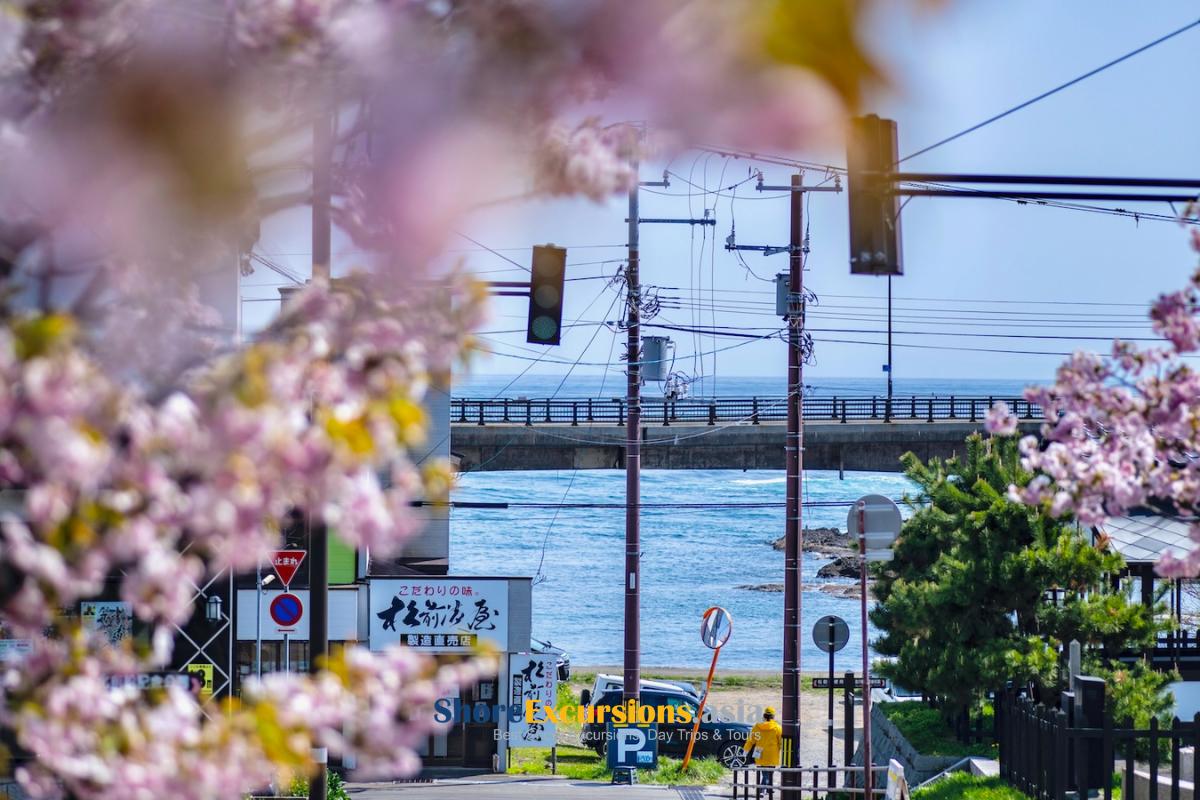
✿ Early March can still feel quite wintry, particularly in northern and mountainous areas. Tokyo, Kyoto, and Osaka are usually cool, so a warm jacket is useful when exploring outdoor attractions.
✿ By mid-March, temperatures gradually become more comfortable. Plum blossoms may still be visible in some locations, while parks and gardens begin showing signs of spring.
✿ Late March generally brings milder conditions to central and southern Japan. This is also when cherry blossoms may begin appearing in major cities, although full bloom often extends into April.
Regional Weather Differences Across Japan
- Northern Japan: Hokkaido and Tohoku remain cold, with snow still possible. Ski resorts may continue operating, depending on snow conditions.
- Central Japan: Tokyo, Kyoto, and Osaka experience cool but increasingly pleasant weather, making March suitable for temple visits, city walks, and sightseeing.
- Southern Japan: Fukuoka, Kagoshima, and other Kyushu destinations are generally milder, with spring flowers appearing earlier.
- Okinawa: The subtropical climate brings much warmer conditions, making it a good option for coastal scenery and outdoor exploration.
March also brings occasional rain, so packing a compact umbrella or lightweight rain jacket is sensible. Daylight hours increase compared with winter, giving travelers more time to explore.
Cherry Blossoms in Japan in March: When and Where to See Them
Cherry blossoms, known as sakura, are among Japan's most recognizable seasonal attractions. Every spring, parks, riversides, temples, and city streets become decorated with delicate pink and white flowers.
However, seeing cherry blossoms in March in Japan requires some planning. The blooming season moves gradually from warmer southern regions toward northern Japan, and not every destination reaches full bloom at the same time.
When Do Cherry Blossoms Bloom in Japan in March?
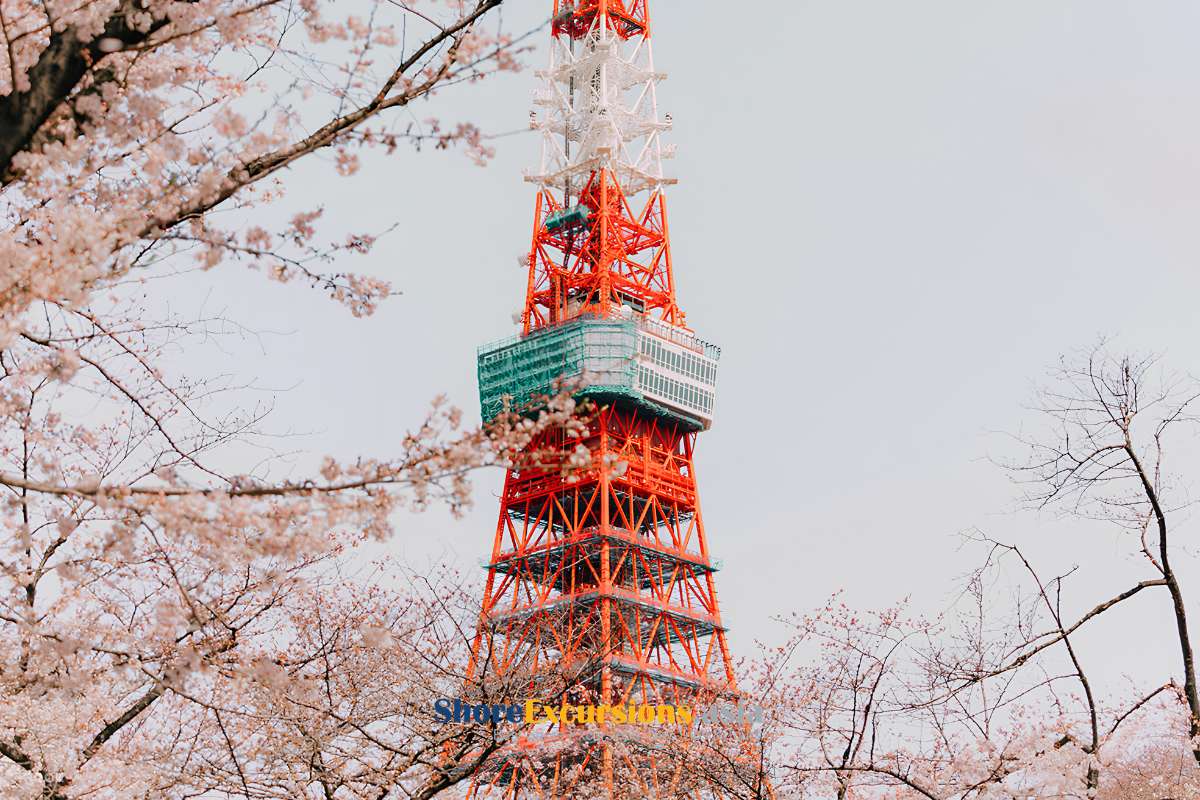
Cherry blossom season typically begins in southern Japan during March before moving northward.
In general:
- Early March: Some warmer locations may experience early flowering, although many popular cherry blossom destinations are still waiting for the main season.
- Mid-March: Parts of Kyushu, Shikoku, and central Japan may begin seeing blossoms, depending on annual temperatures.
- Late March: Tokyo and other central destinations often enter the beginning of their cherry blossom season. Osaka and Kyoto may also see early blooms around this period.
- April and beyond: Northern regions, including Tohoku and Hokkaido, generally experience cherry blossom season later.
It is important to distinguish between the first bloom and full bloom. The first flowers may appear several days before the trees reach their most impressive appearance. For the best experience, check the latest Japan cherry blossom forecast before departure rather than relying entirely on historical dates.
Best Places to See Cherry Blossoms in March
If your trip falls toward the end of March, several destinations are worth considering:
- Tokyo: Ueno Park, Shinjuku Gyoen, and Chidorigafuchi are popular places for seasonal flower viewing.
- Kyoto: Maruyama Park, Philosopher's Path, and the area around Kiyomizu-dera offer beautiful spring scenery.
- Osaka: Osaka Castle Park and Kema Sakuranomiya Park are excellent choices for combining sightseeing with cherry blossom viewing.
- Fukuoka: Maizuru Park is a well-known seasonal destination, particularly around the grounds of Fukuoka Castle.
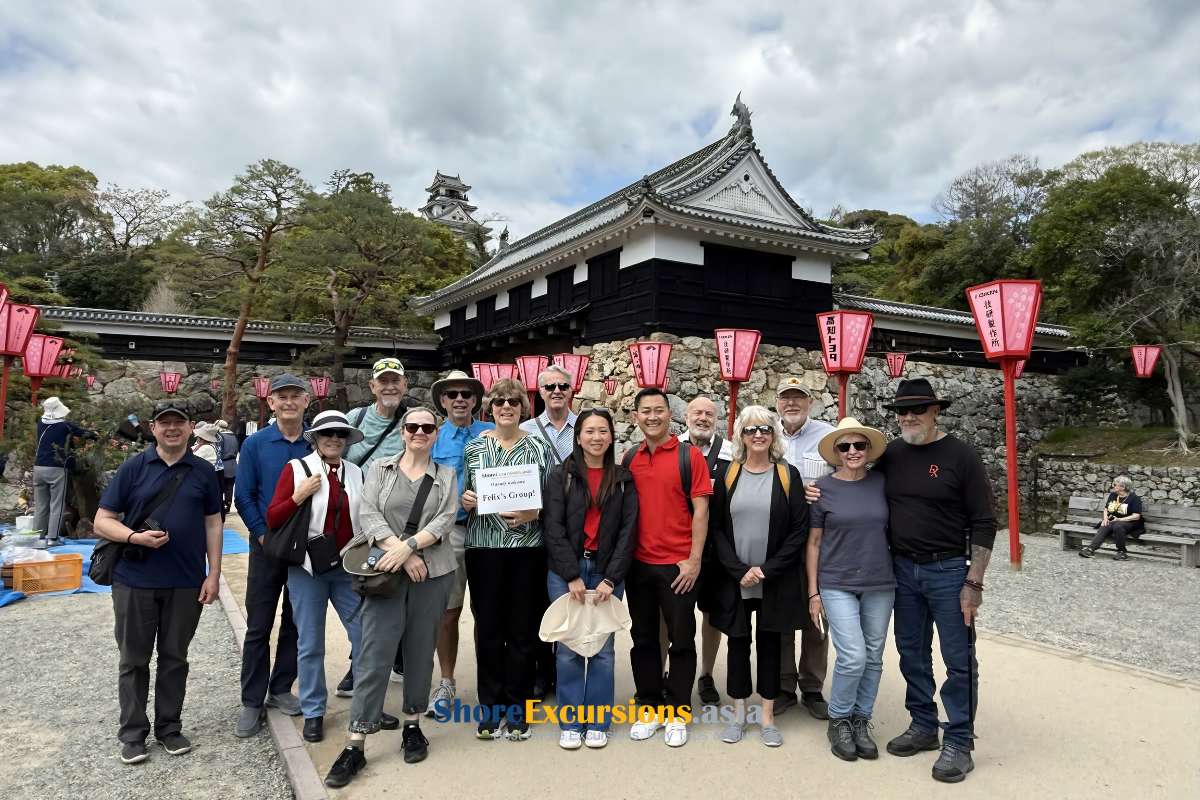
- Kochi: Kochi Castle Park is another attractive option for visitors exploring Shikoku during the earlier part of the cherry blossom season.
Keep in mind that bloom dates vary from year to year. If cherry blossoms are your main reason for visiting, leave some flexibility in your schedule.
Best Places to Visit in Japan in March
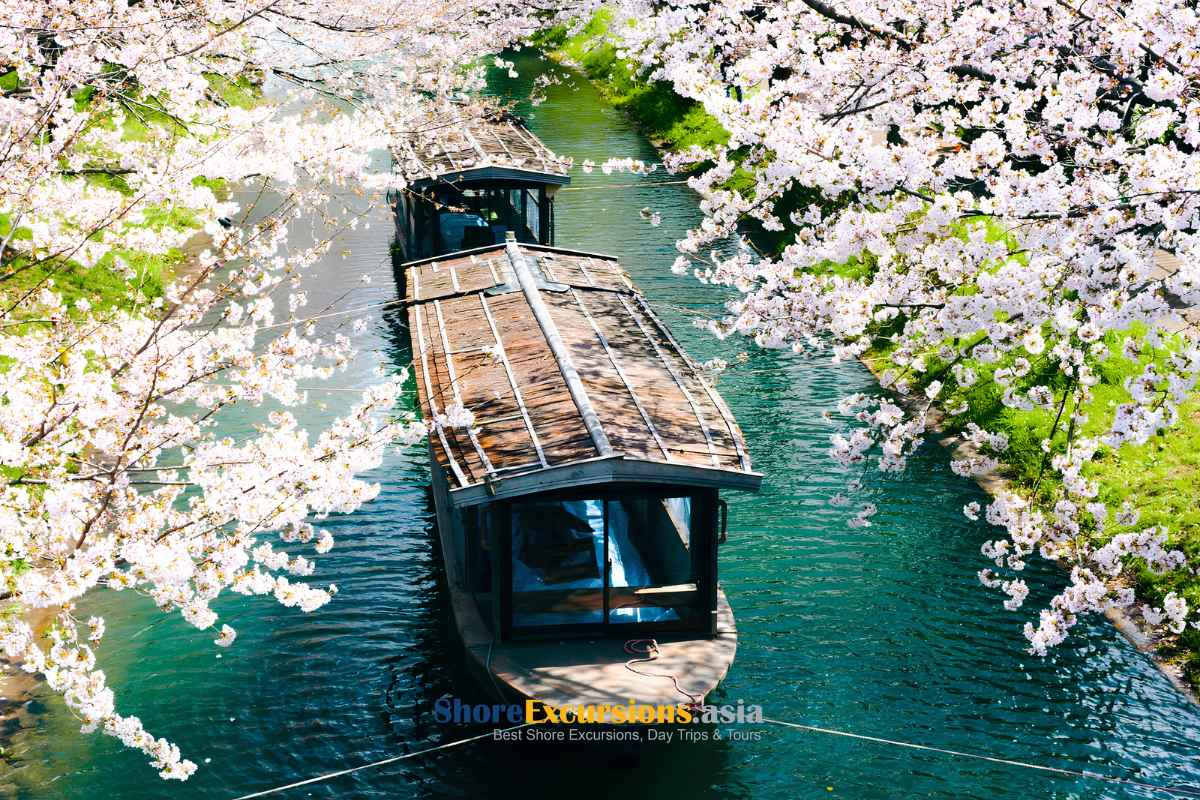
March is a versatile month for exploring Japan. From modern cities and historic temples to snowy landscapes and subtropical islands, travelers can choose destinations based on their interests and preferred weather.
Tokyo: Enjoy Early Spring and City Attractions
Tokyo is a great starting point for a March trip. The city combines modern attractions with traditional gardens, historic temples, and seasonal parks.
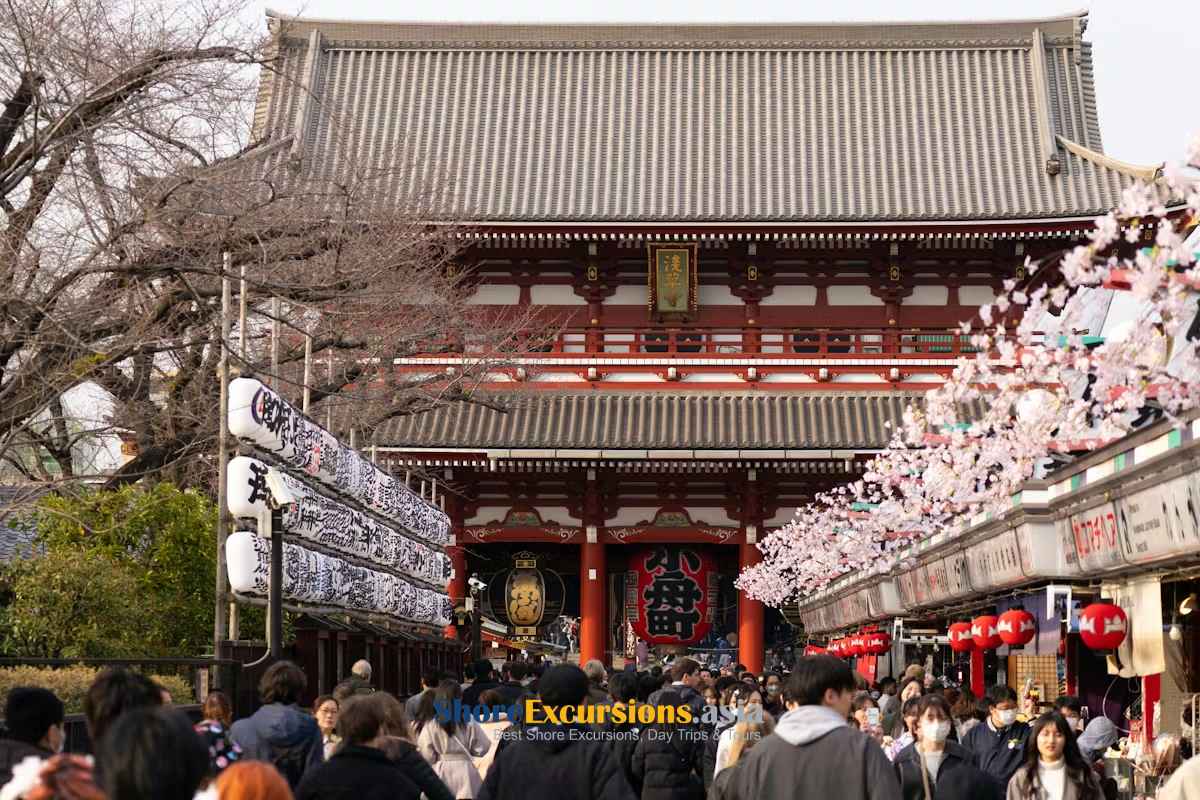
Visit Senso-ji Temple in Asakusa, explore the shopping districts of Shibuya and Ginza, or spend time in Shinjuku Gyoen. Toward the end of the month, some parks may begin welcoming cherry blossoms, creating a lovely atmosphere for outdoor walks.
Highlights in March in Tokyo:
- Shinjuku Gyoen: A beautiful place to enjoy early spring flowers and seasonal cherry blossoms.
- Ueno Park: A popular hanami destination, especially when cherry blossoms begin blooming.
- Chidorigafuchi: Enjoy a scenic walk along the Imperial Palace moat, known for its seasonal cherry blossom views.
Kyoto: Explore Traditional Japan in Spring
Kyoto is particularly appealing in March because its historic streets and temple gardens begin transitioning into spring.
Explore Kiyomizu-dera, walk through the traditional streets of Higashiyama, or visit Arashiyama for its scenic landscapes. Gion is another excellent area for experiencing Kyoto's traditional architecture and cultural atmosphere.
Highlights in March in Kyoto:
- Kiyomizu-dera: Enjoy panoramic views over Kyoto and explore its historic temple grounds.
- Philosopher's Path: Take a peaceful walk along this canal-side route, particularly attractive during cherry blossom season.
- Maruyama Park: Visit one of Kyoto's best-known spring viewing spots, famous for its iconic weeping cherry tree.
Osaka: Food, Culture, and Seasonal Attractions
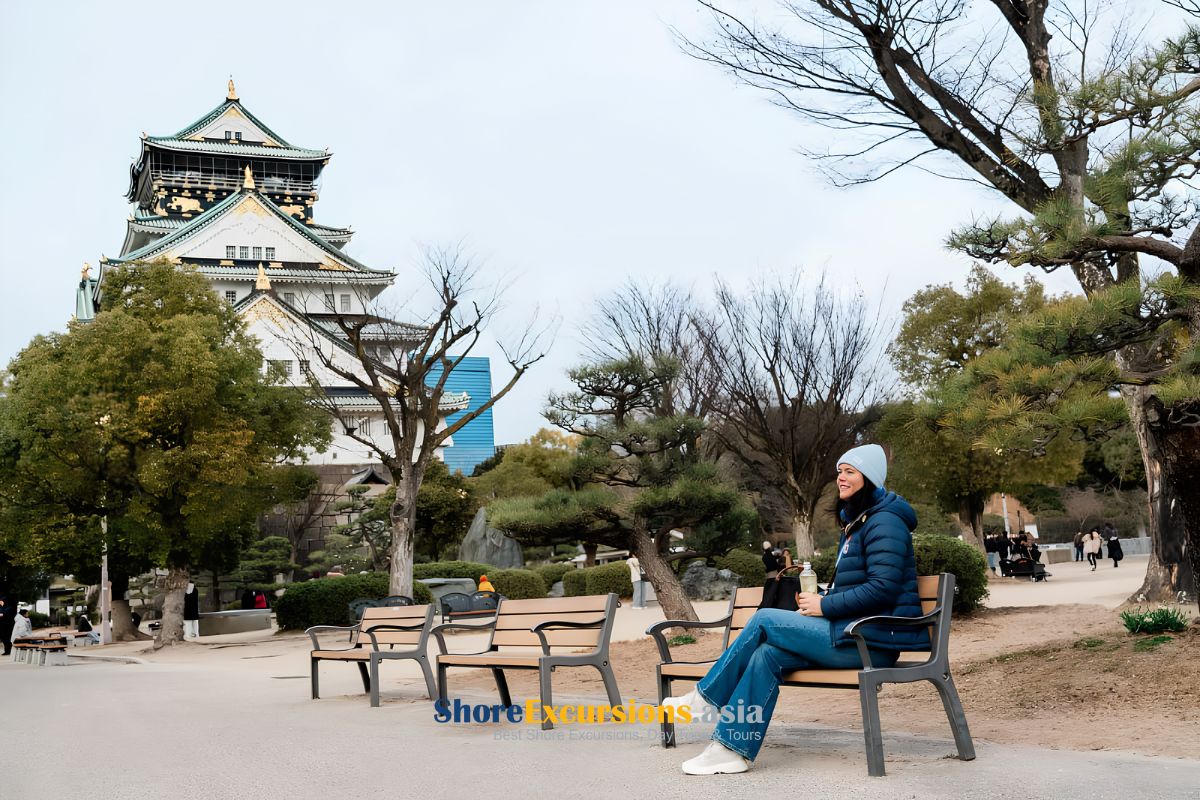
Osaka is an excellent destination for travelers interested in food, shopping, and lively urban experiences. Visit Osaka Castle, explore the famous Dotonbori district, and sample local specialties such as takoyaki and okonomiyaki. The city also makes a convenient base for day trips to Kyoto and Nara.
If you visit toward the end of March, check the seasonal conditions at Osaka Castle Park for possible cherry blossom viewing.
Highlights in March in Osaka:
- Osaka Castle Park: Explore the castle grounds and enjoy seasonal flowers, with cherry blossoms typically becoming a highlight toward spring.
- Dotonbori: Experience Osaka's famous street food, colorful neon signs, and lively entertainment district.
- Kema Sakuranomiya Park: Walk along the Okawa River, where hundreds of cherry trees create a beautiful seasonal landscape.
Nara: Temples, Deer, and Early Spring Scenery
Nara offers a more relaxed atmosphere than Japan's largest cities. At Nara Park, visitors can encounter free-roaming deer while exploring historic temples and traditional landmarks. Todai-ji Temple, home to the famous Great Buddha, is one of the city's most important attractions. Kasuga Taisha Shrine is another worthwhile stop, known for its atmospheric forest setting and stone lanterns.
March is also an interesting time to visit because of Omizutori, a traditional Buddhist ceremony held at Todai-ji.
Highlights in March in Nara:
- Nara Park: Meet the famous deer and enjoy a leisurely walk through the park's early spring scenery.
- Todai-ji Temple: See the impressive Great Buddha Hall and learn about one of Japan's most important Buddhist landmarks.
- Nigatsu-do Hall: Witness the atmospheric Omizutori ceremony, traditionally held from March 1 to 14.
Hokkaido: Enjoy the Last Days of Winter
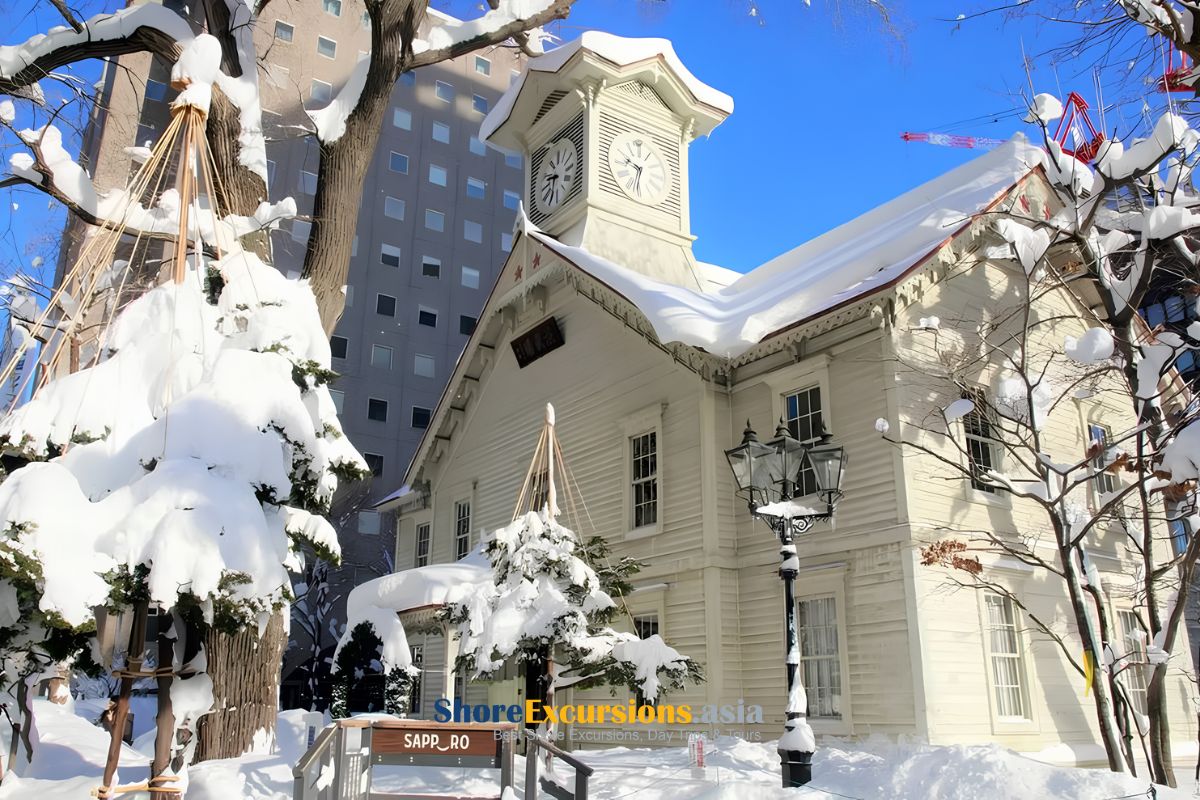
While much of Japan begins welcoming spring, Hokkaido remains a destination for winter scenery in March. Visitors can explore snowy landscapes, enjoy winter activities, or visit ski resorts around Niseko.
Some resorts continue operating during March, although snow conditions become increasingly dependent on the weather as the season progresses. Hokkaido is a particularly good choice for travelers who prefer colder temperatures and want to experience a different side of Japan.
Highlights in March in Hokkaido:
- Niseko: Enjoy late-season skiing and snowboarding, depending on snow conditions.
- Otaru: Explore the charming canal area, historic warehouses, and local seafood restaurants.
- Lake Shikotsu: Discover scenic winter landscapes and enjoy the peaceful atmosphere around this beautiful caldera lake.
Fukuoka and Kyushu: Welcome Spring Earlier
For warmer weather and early spring scenery, consider visiting Fukuoka and other destinations across Kyushu. Fukuoka offers excellent food, shopping, and urban attractions, while the wider region provides access to hot springs, coastal scenery, and historic sites.
March is also a promising time to explore parks and gardens in southern Japan as seasonal flowers begin appearing.
Highlights in March in Fukuoka & Kyushu:
- Maizuru Park: Explore the grounds of Fukuoka Castle and look for early cherry blossoms as spring approaches.
- Ohori Park: Enjoy a relaxing walk around the large central pond, surrounded by greenery and seasonal scenery.
- Dazaifu Tenmangu Shrine: Visit this important shrine, famous for its plum blossoms, which often remain a seasonal attraction in early March.
Best Things to Do in Japan in March
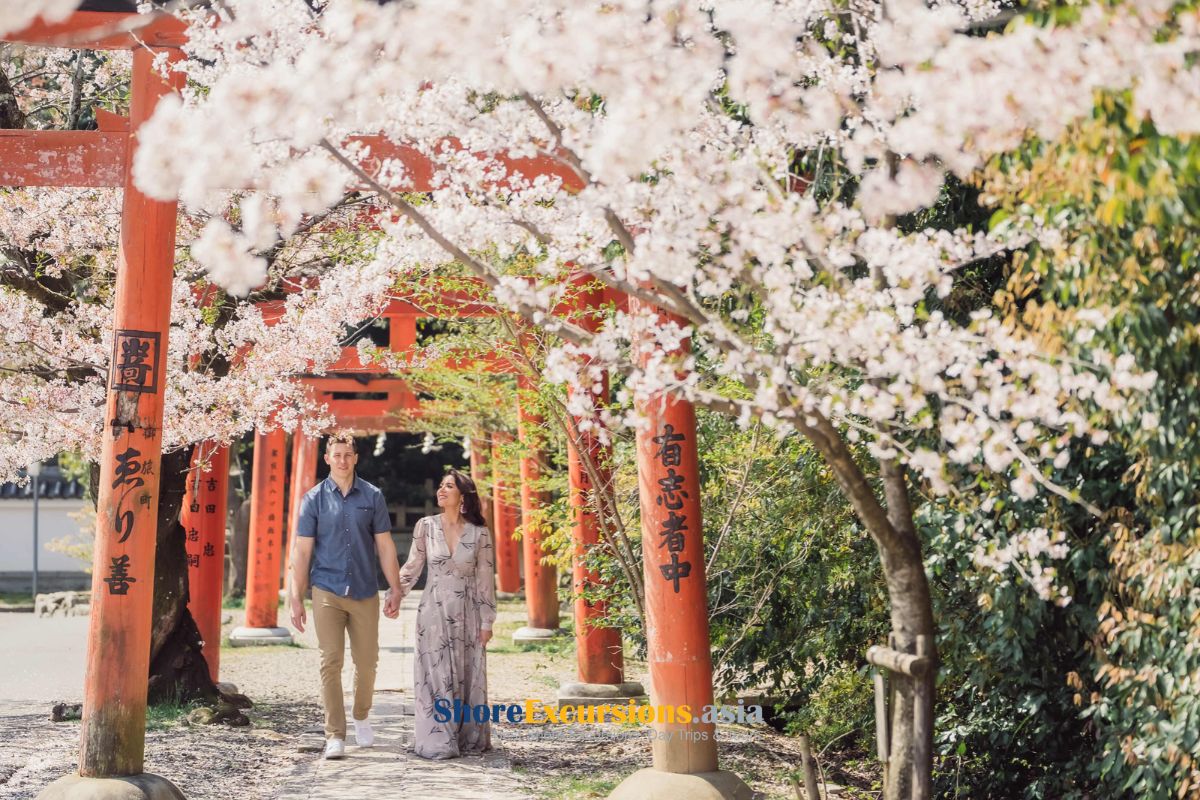
Beyond visiting popular cities, March offers several seasonal experiences that make a Japanese trip especially memorable.
Enjoy Hanami and Seasonal Flower Viewing
Hanami, or cherry blossom viewing, is one of Japan's most beloved spring traditions. Locals and visitors gather in parks and gardens to admire the flowers, take photographs, and enjoy seasonal food.
If cherry blossoms have not yet appeared, look for plum blossoms, known as ume. These flowers often bloom earlier and provide beautiful scenery during the transition from winter to spring.
Relax in a Japanese Onsen
A visit to a traditional Japanese hot spring is particularly enjoyable when the weather is still cool. Destinations such as Hakone, Gero Onsen, and the hot spring areas around Mount Fuji offer opportunities to relax in mineral-rich waters while enjoying natural scenery.
Experience Japan's Seasonal Food Culture
March is a wonderful time to explore Japanese food culture. Seasonal sweets, fresh seafood, sushi, and regional specialties are worth trying during your visit. You may also find sakura-themed desserts and drinks appearing in cafes and shops as spring approaches.
Enjoy Late-Season Skiing in Northern Japan
Travelers who enjoy winter sports can still find skiing and snowboarding opportunities in Hokkaido and some mountainous areas of central Japan. However, conditions vary by resort, so check snow reports and operating schedules before making plans.
Festivals and Events in Japan in March
March is a month of festivals tied to the end of winter. This month features several traditional celebrations and cultural events that provide insight into Japanese customs and seasonal traditions. The events below are public, fixed on the calendar and reachable from a major city.
Hinamatsuri (March 3)
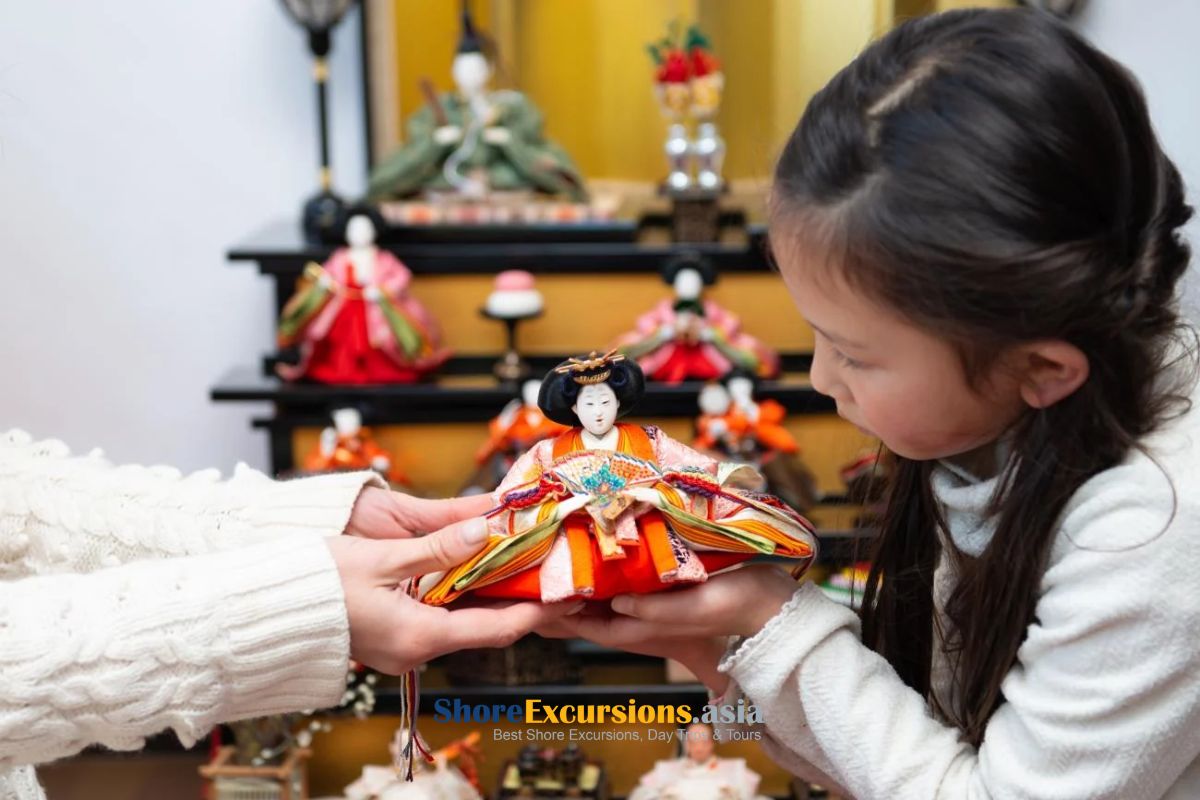
Also known as Doll Festival or Girls' Day, Hina Matsuri is celebrated across Japan on March 3.
Families traditionally display ornamental dolls dressed in elaborate court clothing and offer special foods to celebrate the health and happiness of girls. Visitors may find decorative displays in museums, shopping areas, and cultural venues.
Omizutori Festival - Nara (March 1-14)
Omizutori is one of Japan's oldest Buddhist ceremonies, held annually at Nigatsu-do Hall within Todai-ji Temple in Nara.
The ceremony is famous for its dramatic fire rituals, during which large torches are carried along the temple balcony. The glowing embers create an impressive nighttime spectacle and make this event a memorable cultural experience.
March Grand Sumo Tournament - Osaka
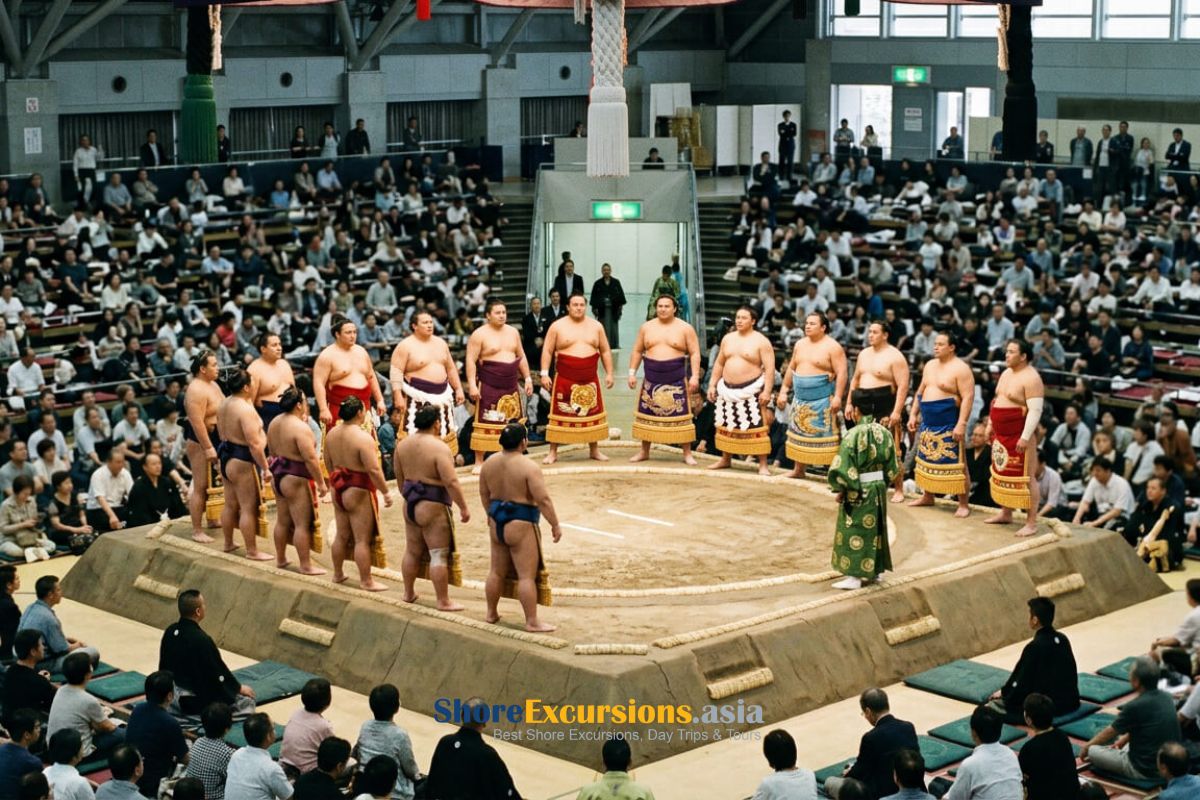
Osaka traditionally hosts one of Japan's six annual professional sumo tournaments in March.
Watching a sumo match offers a fascinating opportunity to experience a sport deeply connected to Japanese history and tradition. Tournament dates change each year, so check the official schedule and book tickets in advance.
Spring Equinox Day - Around March 20
Spring Equinox Day, known as Shunbun no Hi, is a national holiday in Japan, usually observed around March 20 or 21.
The day marks the transition into spring and is traditionally associated with family gatherings and visits to ancestral graves. Travelers should be aware that public holidays can affect transportation and visitor numbers at popular attractions.
What to Wear in Japan in March
Packing for Japan in March requires some flexibility because temperatures can change significantly between morning, afternoon, and evening. The best approach is to dress in layers so you can adjust your clothing throughout the day.
Clothing essentials include:
- Light sweaters or warm inner layers.
- A medium-weight jacket or wind-resistant coat.
- Comfortable long pants.
- Walking shoes suitable for extended sightseeing.
- A scarf or light accessories for colder mornings.
- A compact umbrella or lightweight rain jacket.
If you are visiting Hokkaido, bring a proper winter coat, gloves, and footwear suitable for snowy conditions. For Tokyo, Kyoto, and Osaka, layered spring clothing is generally sufficient. Travelers heading to Okinawa can pack lighter clothes but should still bring a thin jacket for cooler evenings.
Travel Tips for Visiting Japan in March
A little preparation can make your March trip considerably more comfortable, particularly if you plan to visit several regions.
- Book accommodation early. Late March can become busy as cherry blossom season approaches. Reserve hotels in popular destinations ahead of time, especially if your travel dates are fixed.
- Check the weather forecast regularly. Temperatures and rainfall can vary, so review local forecasts before planning outdoor activities.
- Follow cherry blossom updates. If sakura viewing is important to your trip, use reliable seasonal forecasts and keep alternative destinations in mind.
- Plan transportation carefully. Japan's rail network makes traveling between major cities convenient, but avoid scheduling too many long-distance journeys in a short period. Staying near major train stations can also save time.
- Allow enough time for port excursions. Cruise passengers should prioritize attractions within a reasonable distance of their arrival port and account for traffic, transportation schedules, and the ship's departure time. Booking a well-planned shore excursion can help make the most of a limited port visit.
Visiting Japan in March on a cruise: What port days look like
Port days in March reward flexibility. Weather swings, bloom timing and local holidays all change how much you can fit into a few hours ashore. Planning around those three factors is more useful than building a packed schedule.
March has clear advantages and some real drawbacks, so it helps to weigh both:
- Pros: mild walking weather, generally quieter than peak cherry blossom weeks in early April, plum blossoms, early sakura in the south, and festivals such as Omizutori and the Osaka tournament.
- Cons: temperatures and rain can change within a day, bloom timing is uncertain until forecasts arrive, and Kyoto, Nara and Hiroshima get busy, especially on holiday weekends.
Whatever you choose, work backwards from the all-aboard time in your ship’s daily program and leave extra time for delays on busy rail lines. A private driver makes that buffer easier to manage, and you can see how we plan flexible day trips from Japanese cruise ports around ship schedules.
FAQs About Visiting Japan in March
Is Japan Crowded in March?
Japan's visitor numbers generally increase as spring approaches, although crowd levels vary throughout the month.
Early March can be relatively comfortable for sightseeing, particularly at destinations outside major tourist centers. By late March, popular locations in Tokyo, Kyoto, and Osaka may become noticeably busier as cherry blossoms begin appearing.
Spring school holidays also contribute to domestic travel during this period. To avoid the busiest crowds, visit popular attractions early in the morning, explore lesser-known gardens, and reserve accommodation and important activities in advance.
Is it cold in Japan in March?
It can be. Central Japan is generally cool, especially in the mornings and evenings, while Hokkaido remains much colder. Layered clothing is recommended.
Can you see cherry blossoms in Japan in March?
Yes. Southern Japan and some central destinations may see cherry blossoms during March. Tokyo, Kyoto, and Osaka generally have their main viewing periods around late March and early April.
When is the best time to visit Japan in March?
Late March is often a good choice for travelers hoping to experience early cherry blossoms and milder weather in central Japan. Early March is better for avoiding some seasonal crowds.
Is Japan expensive to visit in March?
Costs depend on your destination, accommodation, and travel dates. Prices can increase toward the end of March as demand grows around the spring travel season.
Which part of Japan is warmest in March?
Okinawa is generally the warmest major destination, with average March temperatures around 19°C. Southern Kyushu is also milder than central and northern Japan.
Japan in March offers a unique opportunity to experience the country as it transitions from winter to spring. From the first cherry blossoms in warmer regions to the snowy landscapes of Hokkaido, each destination has something different to offer. The key to planning a successful March trip is choosing destinations that match your interests and keeping your itinerary flexible, especially if cherry blossom viewing is a priority.

 Send Inquiry