
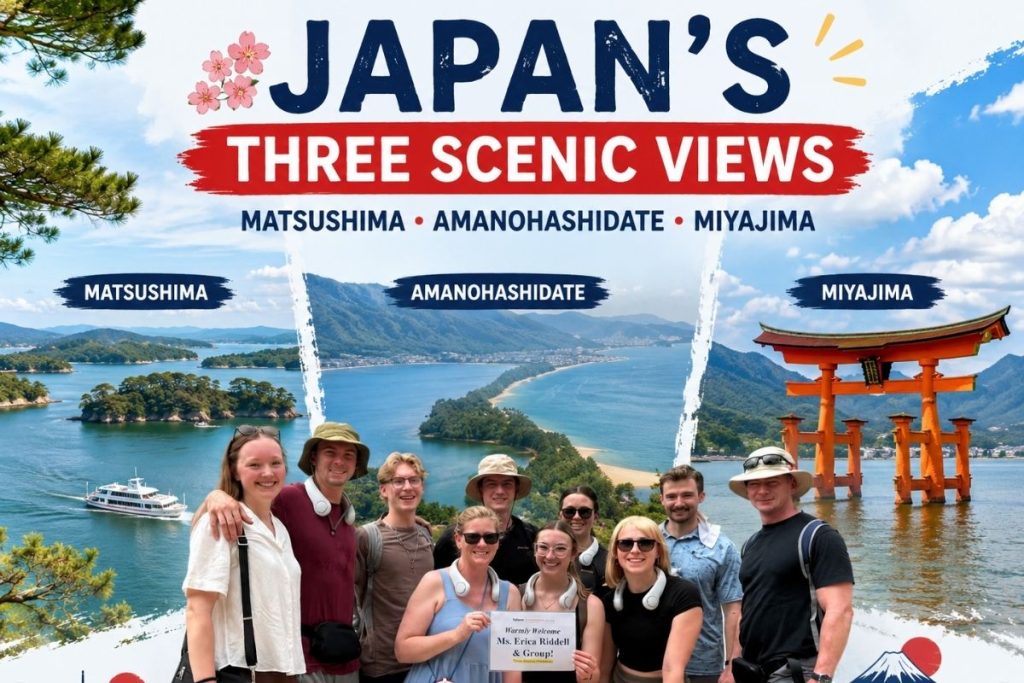
Japan has countless beautiful destinations, yet only three landscapes earned the title of “Nihon Sankei”, or Japan's Three Scenic Views. For centuries, these places have inspired poets, artists, monks, and travelers who admired the country’s deep connection between nature and culture. Today, Matsushima, Amanohashidate, and Miyajima remain some of the most iconic destinations in the country. Each location offers a completely different atmosphere.
Traveling through these historic landscapes reveals more than scenic beauty. Visitors experience traditional temples, local seafood, spiritual sites, and timeless Japanese culture that still feels authentic despite modern tourism. This guide from Japan Shore Excursions explores the history, highlights, travel tips, and hidden experiences behind Japan’s Three Scenic Views.
What Are Japan’s Three Scenic Views?
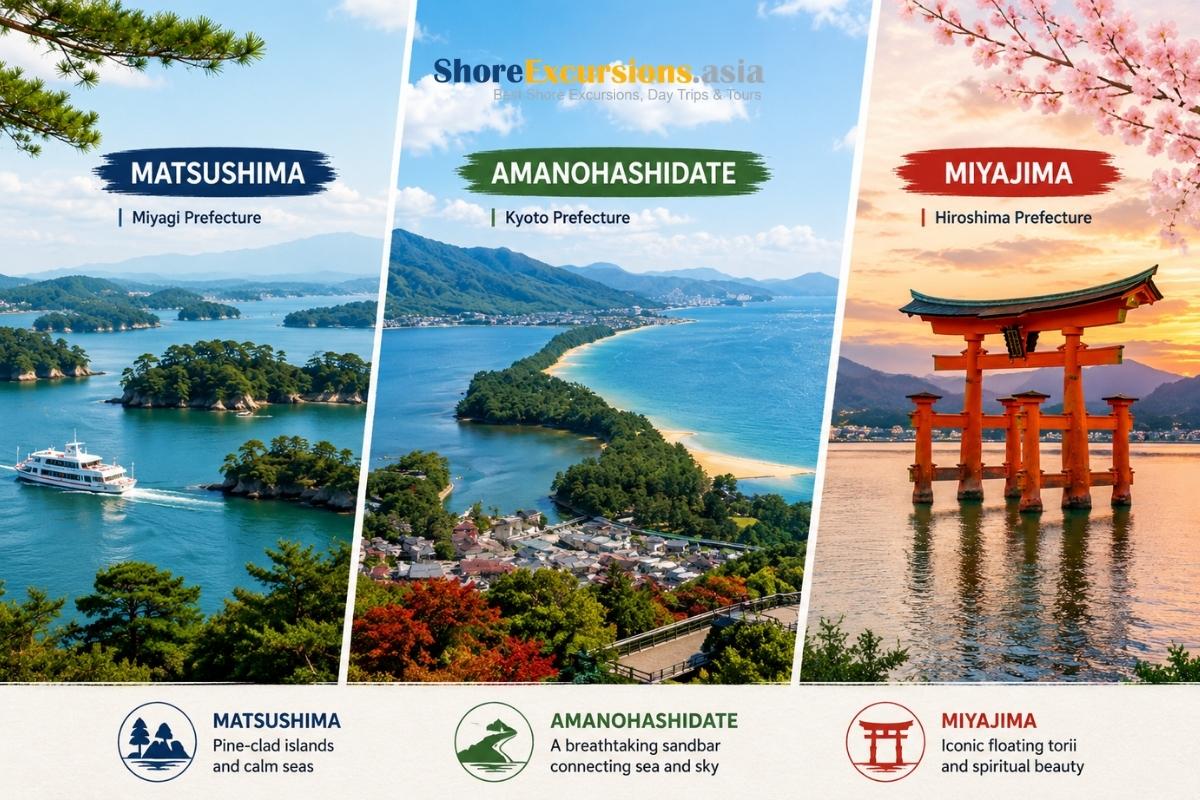
The phrase “Nihon Sankei” refers to three celebrated landscapes that were formally recognized during the Edo period. The classification is commonly attributed to Hayashi Gaho, a Confucian scholar who documented these remarkable destinations in the 17th century.
At the time, scenic appreciation played an important role in Japanese culture. Scholars and artists traveled throughout the country searching for places that reflected harmony between humans and nature. The selected locations represented balance, elegance, and spiritual beauty.
Even after several centuries, the concept of Japan’s Three Scenic Views continues to hold cultural importance. Japanese travelers still regard these destinations as essential places to visit at least once in their lifetime.
Why These Scenic Spots Still Matter Today
One reason Japan's Three Scenic Views remain popular is their strong cultural identity. Many famous viewpoints in modern cities focus on skyscrapers or entertainment districts, but Nihon Sankei highlights quiet natural beauty shaped by history.
Visitors quickly notice that each destination feels deeply connected to traditional Japan. Ancient temples sit beside forests and coastlines. Small local shops continue operating in historic streets. Ferries, walking trails, and observation decks encourage travelers to slow down and appreciate the scenery.
These landscapes also appear frequently in Japanese paintings, literature, and poetry. Their influence stretches far beyond tourism.
Where Are Japan’s Three Scenic Views Located?
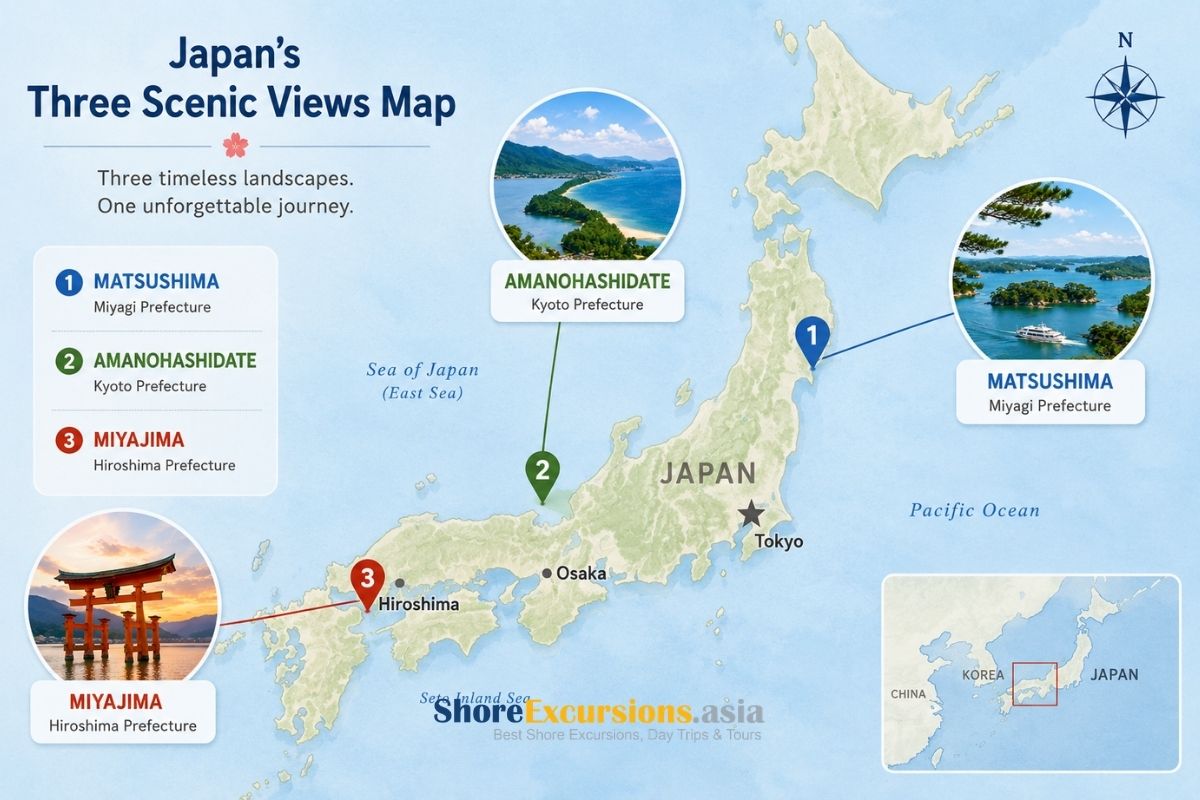
The three scenic views in Japan are spread across different regions of the country:
- Matsushima: Miyagi Prefecture in northeastern Japan
- Amanohashidate: Kyoto Prefecture along the Sea of Japan coast
- Miyajima: Hiroshima Prefecture in western Japan
Because of their geographic distance, each location offers a unique atmosphere, cuisine, and cultural background.
Matsushima - The Bay of Pine-Covered Islands
Located in Miyagi Prefecture, Matsushima is famous for its calm bay dotted with more than 200 small islands covered in pine trees. The landscape feels peaceful and refined, especially during the early morning when fog drifts across the water.
Among Japan’s Three Scenic Views, Matsushima often surprises visitors with its quiet elegance rather than dramatic scenery. The beauty comes from the balance between the sea, islands, and surrounding temples. Many travelers arrive as a day trip from Sendai or Ishinomaki shore excursions, though spending a night nearby allows more time to enjoy the atmosphere after tour groups leave.
Why Matsushima Is One of Japan’s Most Scenic Places
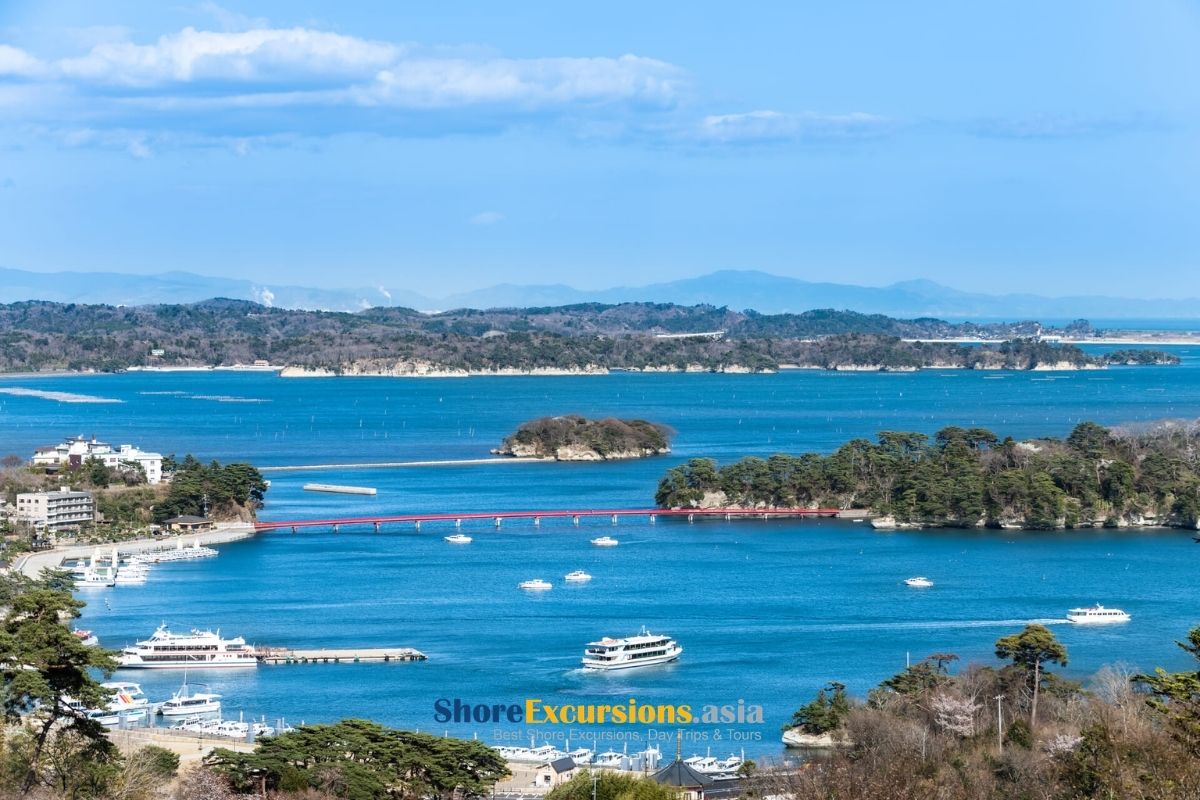
Matsushima changes significantly throughout the year:
- Spring brings cherry blossoms near temple grounds.
- Autumn colors transform the coastline into shades of red and gold.
- Winter creates a more serene mood as light snow settles over the islands.
The bay itself has inspired famous Japanese poets for centuries. Matsuo Basho, one of Japan’s most respected haiku masters, visited the area during his travels through northern Japan. Unlike crowded urban attractions, Matsushima encourages slow exploration. Walking along the waterfront in the evening feels especially relaxing.
Best Things to Do in Matsushima
Matsushima offers a relaxing mix of coastal scenery, historic temples, and local food experiences. Many travelers spend the day exploring the bay by boat, walking through quiet temple grounds, and enjoying fresh seafood near the waterfront.
- Take a Matsushima Bay Cruise: A sightseeing cruise is one of the best ways to experience Matsushima Bay. Boats pass small pine-covered islands and unusual rock formations shaped by centuries of wind and waves. Sunset cruises are especially memorable thanks to the peaceful atmosphere and panoramic coastal views.
- Visit Zuiganji Temple: Zuiganji Temple is one of the most important Zen temples in the Tohoku region. Visitors can walk through cedar-lined paths, see historic stone caves carved by monks, and admire detailed traditional architecture connected to the legacy of Date Masamune.
- Explore Godaido Hall: Godaido Hall sits on a small island linked by a distinctive red bridge. The site is known for its spiritual atmosphere and scenic viewpoints overlooking Matsushima Bay.
- Try Fresh Seafood: Matsushima is famous for fresh oysters and seasonal seafood dishes. Restaurants near the waterfront serve grilled oysters, sashimi bowls, and local specialties that reflect the region’s strong fishing culture.
Best Time to Visit Matsushima
Autumn is one of the most beautiful seasons in Matsushima due to colorful foliage around the temples and coastline. Spring is also highly recommended because cherry blossoms add extra beauty to the bay. Summer can feel humid, although boat cruises remain enjoyable. Winter attracts fewer tourists and creates a calm atmosphere that many photographers appreciate.
How to Get to Matsushima
Travelers wanting to explore Japan's Three Scenic Views can easily reach Matsushima from Sendai by JR Senseki Line in about 40 minutes. From Tokyo, the Tohoku Shinkansen to Sendai makes the journey relatively convenient. Visitors using the JR Pass often combine Matsushima with other Tohoku destinations.
Amanohashidate - The Bridge to Heaven
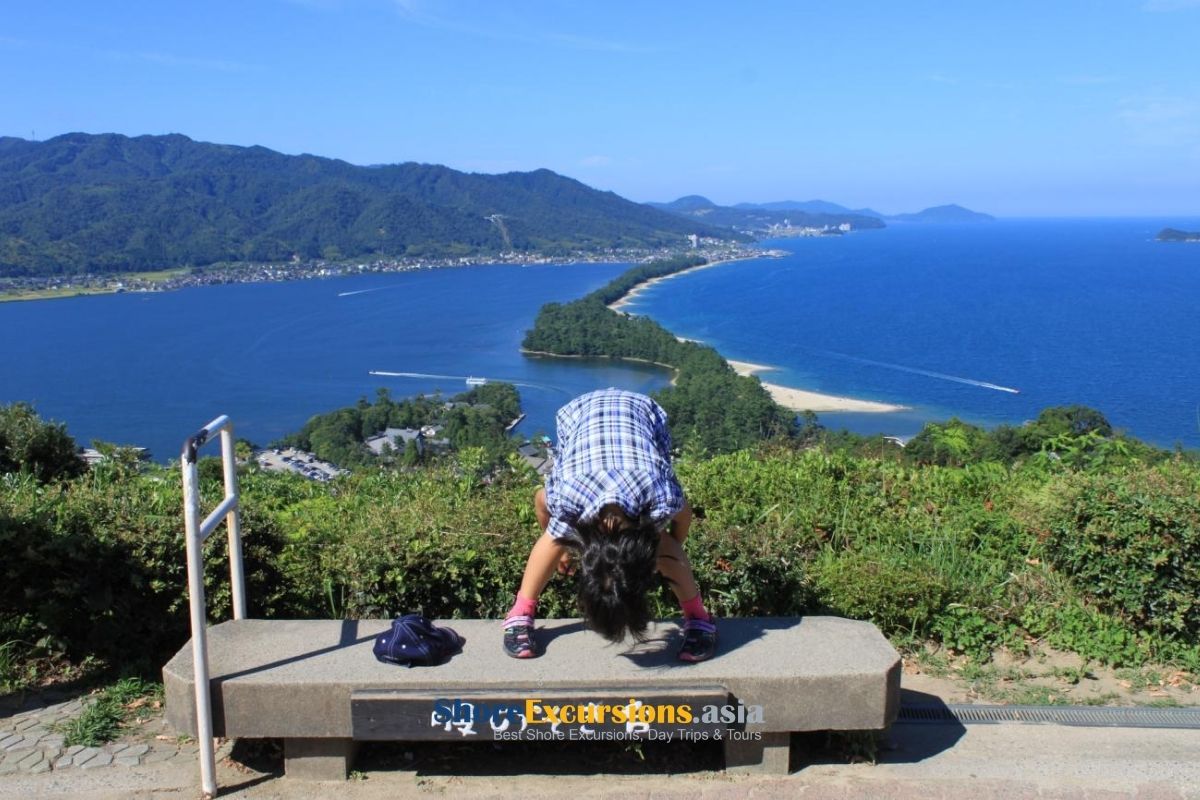
Amanohashidate is located in northern Kyoto Prefecture along Miyazu Bay. The destination is famous for its long sandbar covered with thousands of pine trees. The name Amanohashidate translates roughly to “Bridge to Heaven”. According to Japanese legend, the sandbar resembles a pathway connecting the human world to the sky. Compared with Kyoto City’s crowded temples, Amanohashidate feels much quieter and more relaxed.
The Unique Landscape of Amanohashidate
The sandbar stretches across the bay for approximately 3.6 kilometers. Visitors on Maizuru shore excursions can walk or cycle across it while enjoying views of the sea on both sides.
One of the most famous local traditions is “matanozoki”, which involves bending forward and viewing the landscape upside down through your legs. Locals say this perspective makes the sandbar resemble a bridge floating in the sky. Among Japan's Three Scenic Views, Amanohashidate stands out because visitors can admire the landscape from multiple angles.
Top Attractions in Amanohashidate
Amanohashidate offers a mix of scenic viewpoints, cultural landmarks, and relaxing outdoor activities. Many travelers spend the day exploring the sandbar, visiting observation decks, and experiencing the slower coastal atmosphere that makes this destination unique among three most scenic views in Japan.
- Visit Amanohashidate View Land: This observation area provides panoramic views overlooking the famous sandbar and Miyazu Bay. Travelers can reach the viewpoint by monorail or chairlift, making the journey itself part of the experience.
- Explore Kasamatsu Park: Kasamatsu Park is known for one of the most iconic views of Amanohashidate. The elevated viewpoint is especially popular among photographers and visitors trying the traditional upside-down “matanozoki” viewing style.
- Stop by Chionji Temple: Located near the entrance to the sandbar, Chionji Temple is associated with wisdom and academic success. Visitors often purchase fan-shaped omikuji fortunes that create colorful displays throughout the temple grounds.
- Cycle Across the Sandbar: Cycling is one of the most relaxing ways to experience Amanohashidate. Rental bicycles are widely available near the station, and the flat route makes the ride comfortable for most travelers.
Best Time to Visit Amanohashidate
Spring and autumn are consider as best time to visit Amanohashidate. These seasons offer pleasant weather and clear views across the bay. Summer attracts beachgoers, while winter creates dramatic coastal scenery with fewer crowds. Many travelers appreciate Amanohashidate during weekdays because the atmosphere becomes especially peaceful.
How to Reach Amanohashidate
Travelers can reach Amanohashidate from Kyoto by limited express train in approximately two hours. Highway buses from Osaka and Kyoto also provide convenient transportation options for budget-conscious travelers. For cruise passengers, you can trust on our Maizuru shore excursions. We operate special tours that focus on Amanohashidate and surroundings.
Miyajima - Home of the Floating Torii Gate
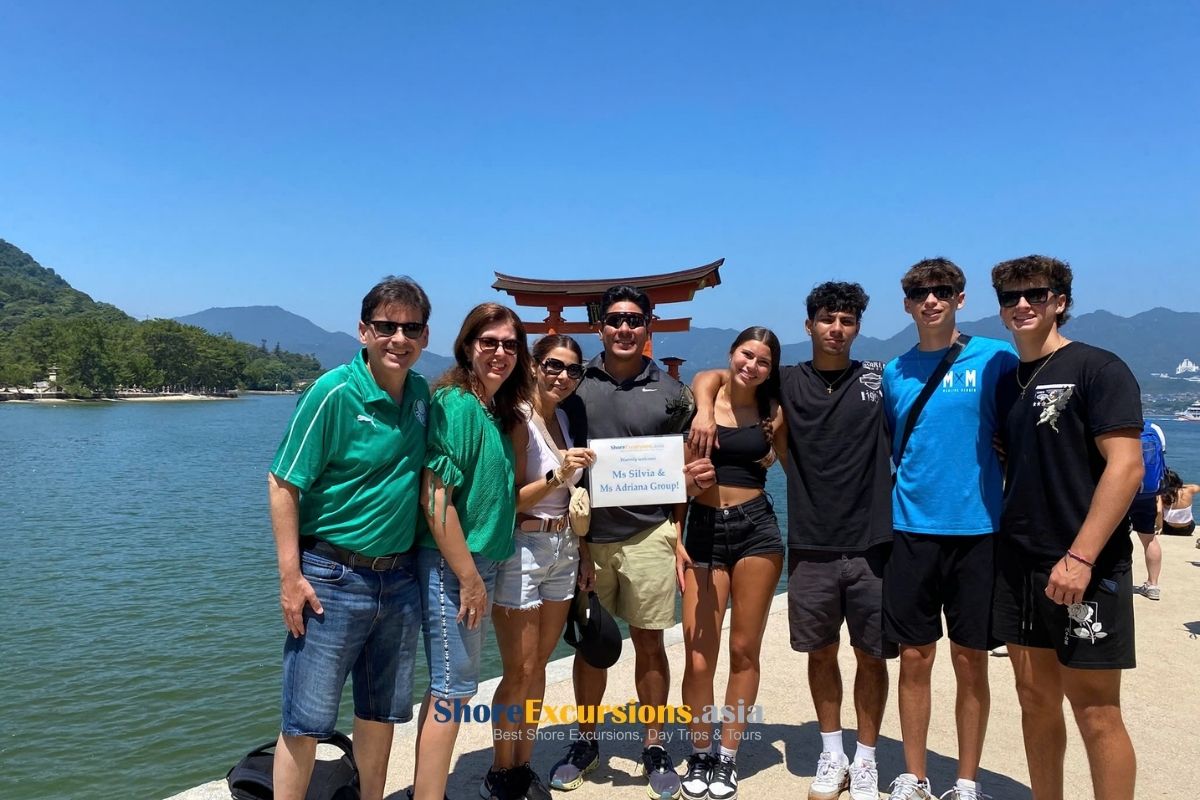
Miyajima, officially known as Itsukushima, is a sacred island located near Hiroshima. The destination is internationally recognized for Itsukushima Shrine and its famous floating torii gate.
The island combines spiritual heritage, mountain scenery, and traditional architecture. Deer roam freely throughout the streets, adding to the relaxed atmosphere. Many travelers consider Miyajima one of the most memorable places on their Hiroshima shore excursions.
Why Miyajima Is World-Famous
Miyajima is recognized as one of Japan's Three Scenic Views because of its floating torii gate. This torii gate appears to rise directly from the sea during high tide.
This iconic image has become one of the most recognizable scenes in the country. Itsukushima Shrine itself dates back more than a thousand years. The shrine complex was built over the water because the island was historically considered sacred.
The scenery changes significantly depending on the tide level:
- During low tide, visitors can walk near the base of the torii gate.
- High tide creates the illusion that the structure is floating.
Best Things to Do in Miyajima - Hiroshima
Miyajima offers a memorable combination of spiritual landmarks, scenic viewpoints, and local food experiences. Many visitors spend the day exploring historic shrine grounds, admiring coastal scenery, and discovering the island’s traditional atmosphere at a slower pace.
- Visit Itsukushima Shrine: Itsukushima Shrine is a UNESCO World Heritage Site and one of Japan’s most important spiritual landmarks. Walking through the wooden corridors during high tide creates a peaceful atmosphere that feels especially magical in the early morning.
- See the Floating Torii Gate: The famous floating torii gate becomes particularly beautiful during sunset when golden light reflects across the water. Evening illuminations also create excellent photography opportunities.
- Hike or Ride the Ropeway to Mount Misen: Mount Misen offers spectacular panoramic views across the Seto Inland Sea. Hiking trails pass through forests filled with ancient trees, while the Miyajima Ropeway provides a more comfortable route toward the summit.
- Try Local Miyajima Foods: Miyajima is well known for grilled oysters and momiji manju, a maple leaf-shaped sweet popular throughout Hiroshima Prefecture. Small shops along Omotesando Street make it easy to sample local specialties while exploring the island.
Best Time to Visit Miyajima
Autumn is highly recommended as the best time to visit Miyajima because colorful leaves surround the shrine and mountain trails. Spring also attracts many visitors during cherry blossom season. For your information, checking tide schedules before visiting helps travelers plan the best photography conditions for the torii gate.
How to Get to Miyajima
Visitors typically travel from Hiroshima Station to Miyajimaguchi before taking a short ferry ride to the island. The JR Pass covers both the train and ferry for many travelers.
Comparing Japan’s Three Scenic Views
People often compare Japan’s Three Scenic Views based on scenery, cultural atmosphere, accessibility, and overall travel experience. While all three destinations are historically significant, each location offers a different style of travel that appeals to different interests. Accessibility, seasonal beauty, and local experiences also play an important role when deciding which destination to prioritize.
The comparison below highlights the main differences between the three most scenic views of Japan and helps travelers choose the experience that best matches their travel style.
| Destination | Best For | Highlights | Cultural Atmosphere | Accessibility |
|---|---|---|---|---|
| Matsushima | Nature lovers and slow travel experiences | Pine-covered islands, peaceful bay cruises, Zen temples | Strong Zen Buddhist heritage with historic temples like Zuiganji | Easy day trip from Sendai via JR train |
| Amanohashidate | Scenic photography and quiet coastal escapes | Sandbar landscapes, panoramic viewpoints, cycling routes | Traditional coastal atmosphere with fewer crowds | Requires longer travel time from Kyoto or Osaka |
| Miyajima | Spiritual experiences and iconic sightseeing | Floating torii gate, Itsukushima Shrine, Mount Misen | Deep spiritual and religious significance | Easily accessible from Hiroshima by ferry |
Suggested Itinerary for Visiting All Japan’s Three Scenic Views
Because Matsushima, Amanohashidate, and Miyajima are located in different regions of the country, visiting all three creates a journey that combines modern cities, coastal landscapes, historic temples, and traditional culture.
A two-week itinerary works especially well for travelers who want to balance famous urban destinations with quieter scenic areas. The route also follows Japan’s efficient rail network, making transportation relatively convenient with a JR Pass. This route allows visitors to experience different sides of Japan while avoiding excessive backtracking.
| Destination | Suggested Stay | Highlights |
| Tokyo | 3 - 4 days | Modern neighborhoods, historic temples, food culture |
| Sendai & Matsushima | 2 days | Matsushima Bay cruises, Zuiganji Temple, seafood experiences |
| Kyoto | 3 - 4 days | Traditional temples, gardens, cultural districts |
| Amanohashidate | 1 - 2 days | Sandbar scenery, panoramic viewpoints, cycling |
| Hiroshima & Miyajima | 2 - 3 days | Floating torii gate, Mount Misen, Hiroshima Peace Memorial Park |
Travel Tips for Visiting Japan’s Three Scenic Views
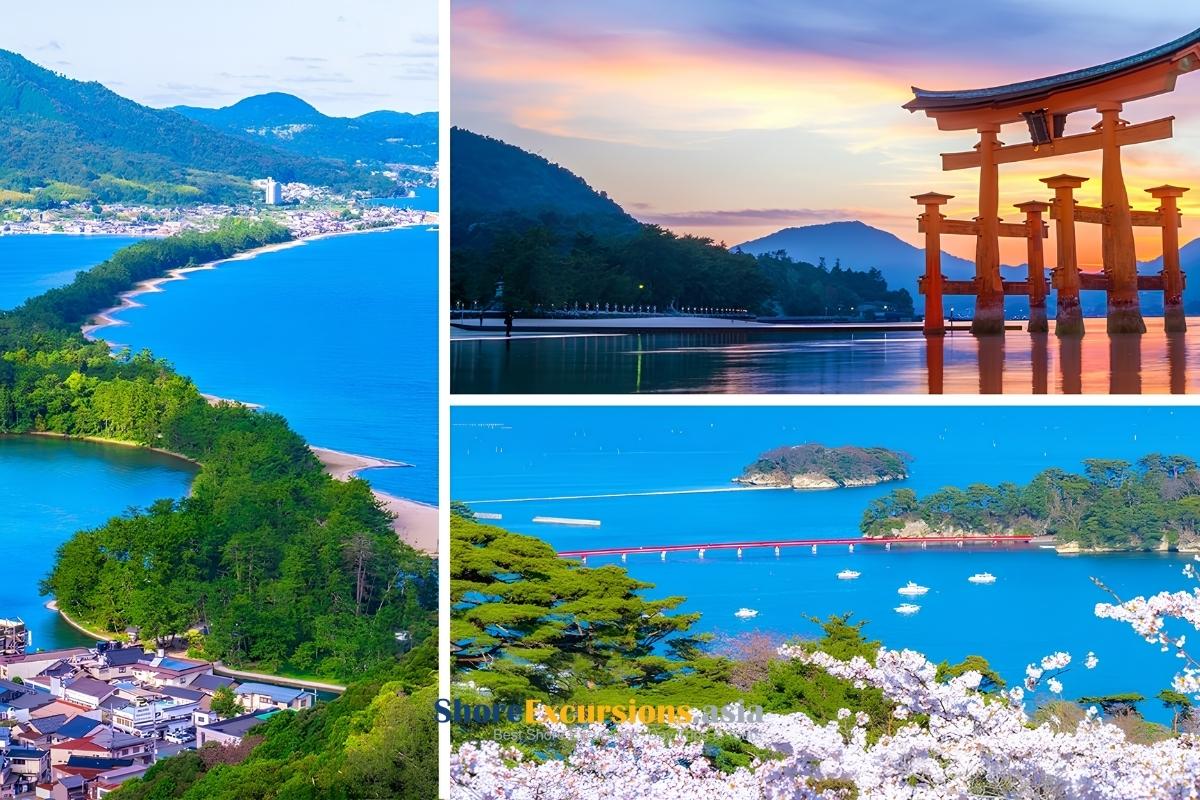
Traveling through Japan’s Three Scenic Views becomes much more rewarding when you understand a few local habits and practical travel tips. Below are some useful local-style travel tips that can help visitors enjoy Matsushima, Amanohashidate, and Miyajima more comfortably.
- Visit early in the morning whenever possible to enjoy quieter scenery, softer lighting, and fewer tour groups. Miyajima and Matsushima feel especially peaceful in the early morning.
- Stay overnight instead of taking only day trips to experience calm evenings, quieter streets, and beautiful sunrise views.
- Check tide schedules before visiting Miyajima to plan photography and sightseeing as the floating torii gate looks completely different depending on the tide level.
- Reserve limited express trains during peak seasons (autumn foliage season and cherry blossom season) to avoid long waits and crowded trains.
- Bring comfortable walking shoes. All three destinations involve more walking than many travelers expect, especially around temple grounds, observation parks, and coastal walking paths.
- Avoid weekends if possible as Japanese domestic tourism increases significantly on weekends and public holidays. Weekday visits usually feel much calmer and more enjoyable.
- Carry some cash for smaller shops and temples. Although Japan is becoming more cashless, smaller local businesses and temple entrances may still prefer cash payments.
- Respect quiet spaces inside temples and shrines. These locations remain active religious sites. Speaking softly and avoiding phone calls inside temple grounds is considered polite.
- Plan around sunset in Matsushima and Miyajima because coastal reflections and softer light create much more dramatic scenery.
- Do not feed the deer in Miyajima. Unlike Nara, feeding deer is discouraged on Miyajima because it can affect their health and behavior.
- Slow down and leave extra free time in your schedule. One of the best parts of visiting Nihon Sankei is enjoying the atmosphere slowly instead of rushing between attractions.
Hidden Experiences Near Three Scenic Views in Japan
Local Festivals and Events
Seasonal festivals add another layer of cultural immersion to these destinations. Local festivals often provide opportunities to experience regional food and traditional music.
- Miyajima hosts traditional fire festivals and ceremonial performances throughout the year.
- Matsushima occasionally features illuminated temple events during autumn.
Traditional Ryokan Stays
Staying overnight in a traditional ryokan allows travelers to experience Japanese hospitality more deeply. Many ryokan near Matsushima and Miyajima include seafood-focused kaiseki dinners and relaxing onsen baths. Waking up early in these quiet coastal towns often becomes one of the most memorable parts of the trip.
Lesser-Known Nearby Attractions
- Near Matsushima, travelers can explore Sendai’s historic streets and local food culture.
- Visitors near Amanohashidate often enjoy Ine, a coastal fishing village famous for traditional boat houses.
- Travelers visiting Miyajima can combine the island with Hiroshima Peace Memorial Park for a broader historical experience.
In conclusions, Japan’s Three Scenic Views continue attracting travelers because they represent timeless aspects of Japanese culture that remain difficult to find in major cities. These destinations encourage travelers to slow down, appreciate seasonal beauty, and experience a more traditional side of Japan. For visitors planning a deeper cultural journey through the country, Nihon Sankei remains an unforgettable experience.

 Send Inquiry