
A tea ceremony offers a quieter way to experience Japan culture on many Osaka shore excursions. Instead of simply tasting matcha, visitors can learn how tea is prepared, served, and received while discovering some of the etiquette and aesthetics behind Japanese hospitality. For travelers looking for a tea ceremony in Osaka, the city offers several formats. Some venues also combine tea with Japanese sweets, kimono, gardens, or other cultural activities.
Why Experience a Japanese Tea Ceremony in Osaka?
A Japanese tea ceremony is not simply a demonstration of how to make matcha. In Japanese culture, the preparation and presentation of tea are treated as an art of hospitality. The Japan National Tourism Organization describes the practice as an expression of omotenashi, or wholehearted attention to the guest. The experience also emphasizes harmony, respect, purity, and tranquility.
A traditional tea ceremony experience in Osaka can therefore feel quite different from visiting a modern café for a cup of matcha. The setting, utensils, seasonal sweets, movements of the host, and interaction with guests all contribute to the experience. However, travelers should also understand that tourist-oriented sessions are often shortened and adapted for first-time visitors.
This makes tea culture accessible even if you have never attended a ceremony before. You do not need years of knowledge or perfect Japanese etiquette. A good host will normally explain what to do and allow you to focus on observing and enjoying the experience.
What to Expect During an Osaka Tea Ceremony
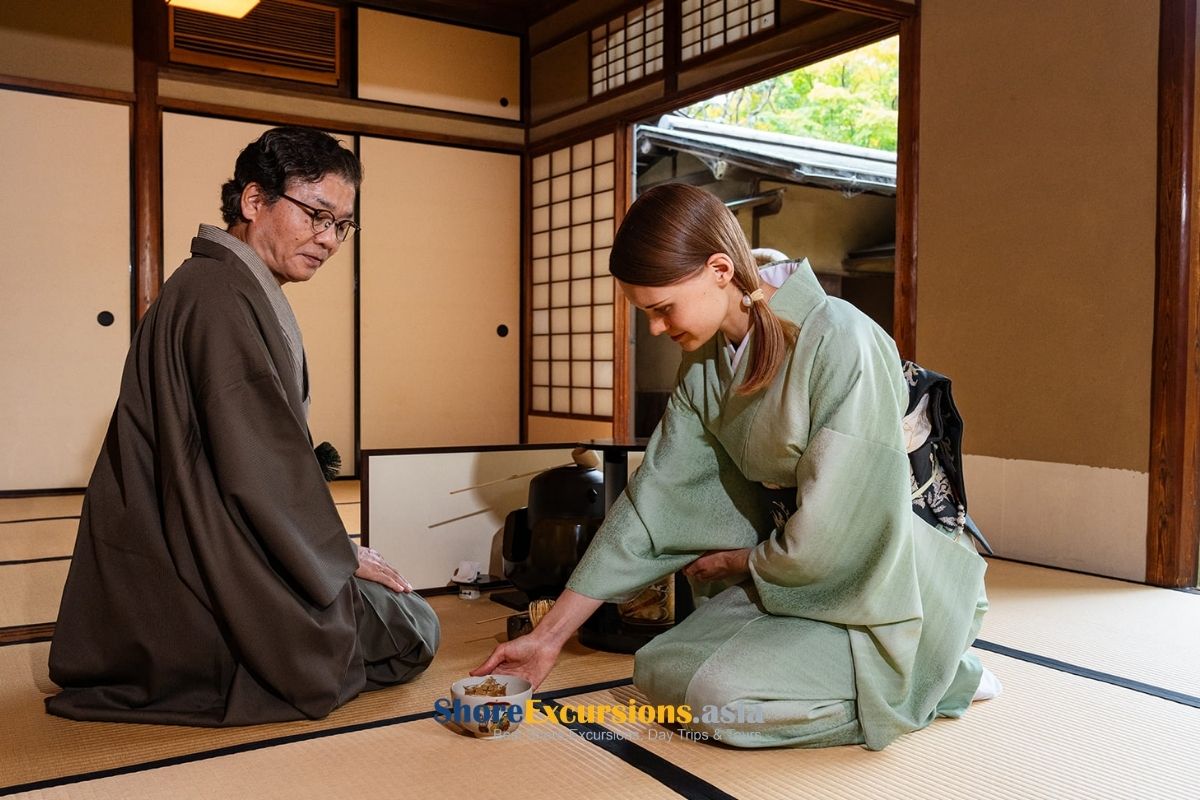
A typical tourist-friendly tea ceremony in Osaka lasts around 20–60 minutes, depending on the venue and format. Most sessions include a brief introduction to Japanese tea culture, a matcha preparation demonstration, Japanese sweets, and basic etiquette guidance.
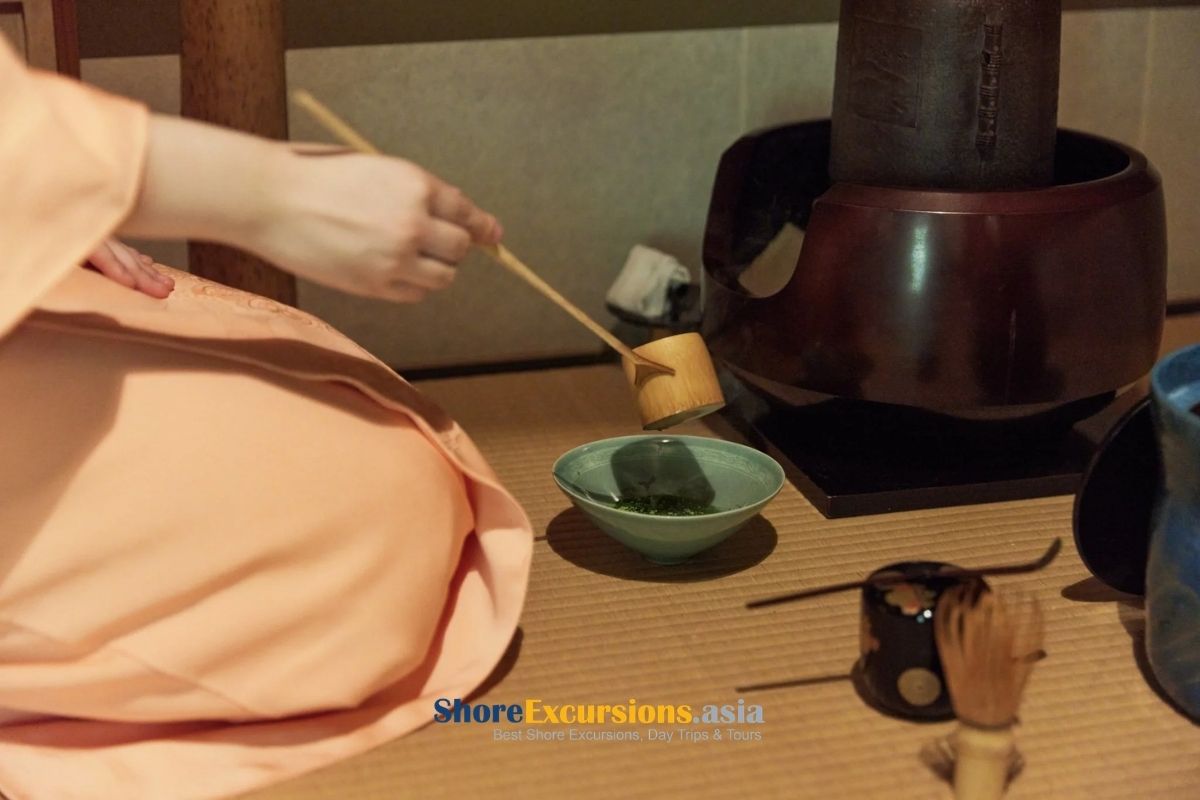
During osaka tea ceremonies, the host usually demonstrates how matcha is prepared and served before inviting guests to participate. Some experiences also let visitors whisk their own matcha under the instructor's guidance, making the session more interactive.
A typical experience may include:
- Introduction to Japanese tea culture
- Matcha preparation demonstration
- Japanese sweets (wagashi)
- Basic tea ceremony etiquette
- Hands-on matcha preparation
- English-language instruction at selected venues
First-time visitors do not need to memorize complicated etiquette. Simply observe the host, follow the instructions, and take time to appreciate the tea, utensils, and setting.
What is included varies by venue, so check the experience details before booking. A session that combines cultural explanation, matcha preparation, and Japanese sweets generally provides a more complete introduction to the tea ceremony than a simple matcha tasting.
Where to Experience a Tea Ceremony in Osaka
If you are wondering where to experience a tea ceremony in Osaka, the main options are central Osaka, Dotonbori, Sakai, and selected cultural venues around Osaka Castle. The right choice depends mainly on your location, available time, and interest in tea culture.
- Central Osaka: Convenient for combining a tea ceremony with Namba, Shinsaibashi, and other major attractions.
- Dotonbori: A practical choice for first-time visitors who want to experience tea culture before exploring Osaka's famous food and entertainment district.
- Sakai: Ideal for travelers interested in the history of Japanese tea and the legacy of Sen no Rikyu.
- Osaka Castle: Selected venues around the castle may offer short matcha experiences that can be combined with sightseeing.
Sakai offers a deeper connection with tea history. The city is closely associated with Sen no Rikyu, and facilities such as Sakai Risho no Mori offer tea experiences where visitors can learn about matcha and, in some sessions, prepare their own tea under the guidance of instructors.
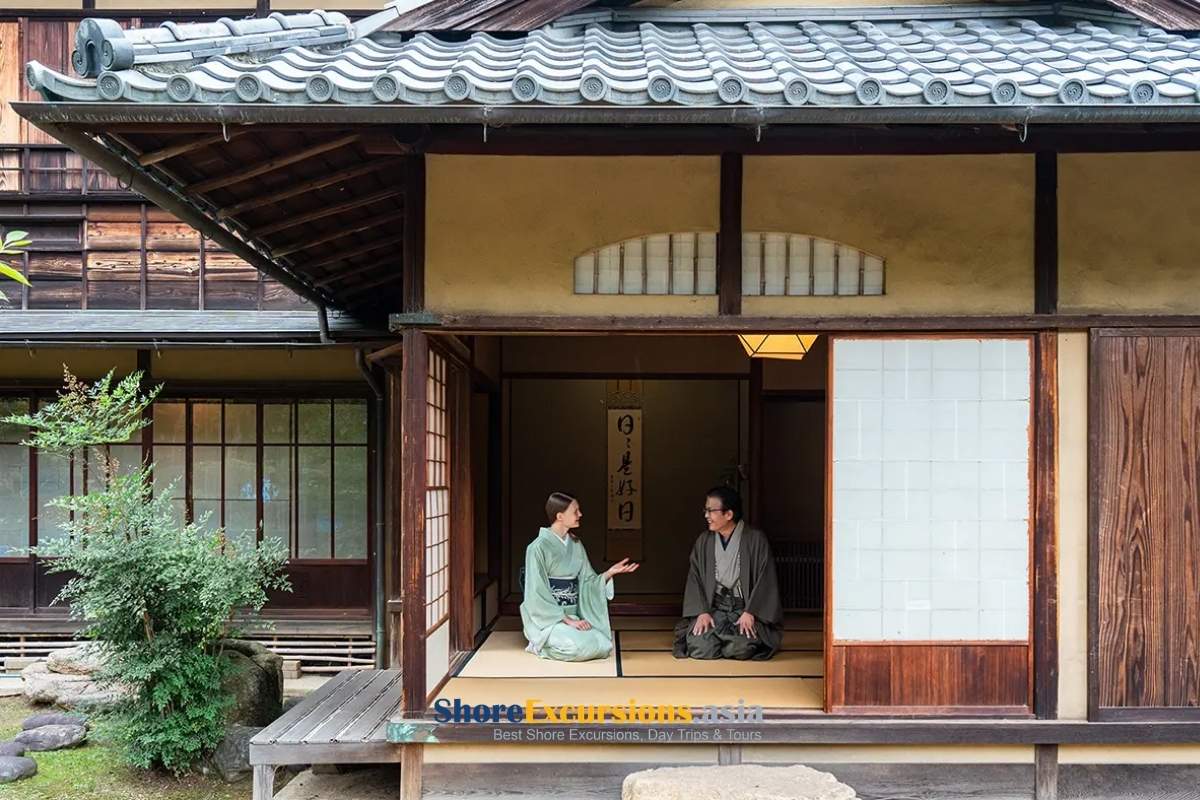
For travelers who want to combine culture with sightseeing, Osaka Castle is another option. Short matcha experiences have been offered at Toshoan in the Nishinomaru Garden, making it possible to include a tea activity without setting aside several hours for a formal ceremony. Availability can vary by season, so check the current schedule before visiting.
When choosing a venue, consider these practical factors:
- Location: Choose a venue that fits naturally into your sightseeing route.
- Duration: Short sessions are easier to combine with a busy Osaka itinerary.
- Language: Check whether English instruction is available.
- Format: Some experiences are demonstrations, while others allow guests to prepare matcha themselves.
- Seating: Traditional tea rooms may require floor seating, while some venues offer chairs.
For most first-time visitors, a convenient central location with a short, guided session can provide an accessible introduction to Japanese tea culture without taking too much time away from exploring Osaka.
How Long Is a Tea Ceremony in Osaka?
The answer to how long is a tea ceremony in Osaka depends on the type of experience. A typical tourist-friendly session lasts around 20 - 60 minutes, while more immersive or formal ceremonies can take an hour or several hours.
Formal tea gatherings can be considerably more involved. The Japan National Tourism Organization notes that a full formal ceremony may last several hours, while many venues offer shorter versions that are more practical for international visitors.
For cruise passengers, a shorter session of 20 - 60 minutes is often easier to incorporate into a sightseeing schedule. It leaves enough time for transportation, meals, and other attractions while reducing the risk of creating an overly tight itinerary.
Tea Ceremony Etiquette for First-Time Visitors
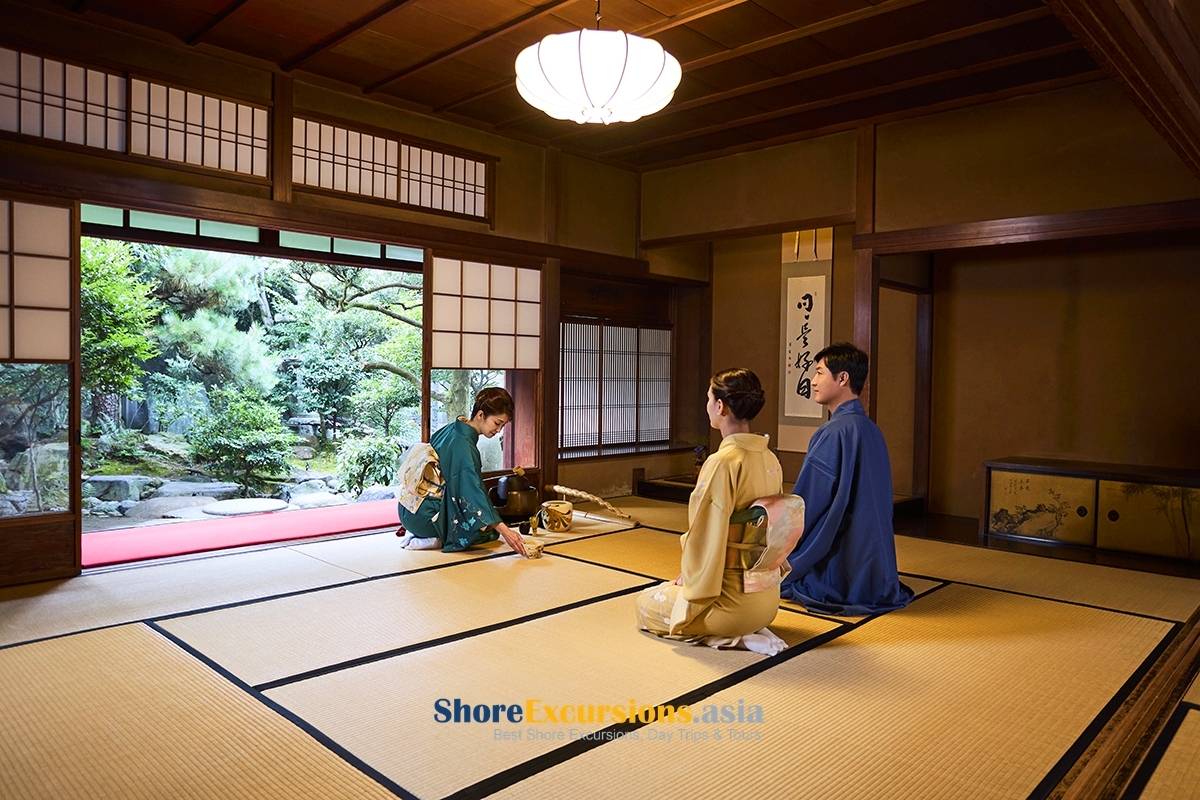
For an Osaka tea ceremony for first-time visitors, the most important rule is simple: observe the host and follow the instructions. You do not need to memorize traditional etiquette before attending.
During the experience, you may be shown how to:
- Receive and hold the tea bowl
- Turn the bowl before drinking
- Drink the matcha respectfully
- Appreciate the tea bowl and other utensils
- Express thanks to the host
Etiquette can vary between tea schools and venues, so small mistakes are generally not a concern during visitor-oriented experiences. The host will usually explain what you need to do. Most importantly, take your time and pay attention to the preparation, setting, and interaction with the host. A tea ceremony is designed to be a calm cultural experience, not simply a quick matcha tasting.
What Should You Wear to a Tea Ceremony?
You generally do not need to rent a kimono to attend a tourist-oriented tea experience. Many venues welcome visitors in normal, comfortable clothing. Some traditional settings may have specific expectations, so it is worth checking the venue's instructions before arrival.
If you participate in a more formal setting, modest clothing is appropriate. Clean socks are also a practical choice because some traditional tea rooms require guests to remove their shoes.
Sitting style is another consideration. Traditional tea ceremonies may involve seiza, a formal kneeling position. This is not necessarily required at every tourist venue. Some experiences use chairs or raised seating instead. Sakai Risho no Mori, for instance, offers a standing-style tea experience in which guests remain seated on chairs.
How to Choose the Best Tea Ceremony Experience in Osaka
Rather than choosing based only on online ratings, consider five practical factors.
- Duration: Choose a session that fits comfortably into your sightseeing schedule.
- Location: Central Osaka is convenient for Dotonbori, Namba, and Shinsaibashi. Sakai is more suitable for travelers interested in tea history and Sen no Rikyu.
- Language: If you do not speak Japanese, look for English-language instruction or clearly described multilingual support.
- Experience format: Check whether you will only watch a demonstration or also prepare your own matcha.
- Seating: If sitting on the floor is uncomfortable, look for chair-based or standing-style tea experiences. Sakai, for example, offers a chair-seated format at its tea facility.
These details are more useful than searching for a single best tea ceremony in Osaka, because the right experience depends on your available time, interests, mobility, and preferred level of cultural immersion.
Practical Tips Before Booking A Tea Ceremony in Osaka
Before booking a best tea ceremony experience in Osaka, check a few practical details to make sure the session fits your itinerary and expectations. This is especially important for cruise passengers, who need to allow enough time for transportation and return to the ship.
- Book in advance: Popular sessions may have limited capacity, particularly on weekends, public holidays, and during busy travel periods.
- Check the cancellation policy: This is especially useful for cruise passengers because port schedules can sometimes change due to weather or operational conditions.
- Confirm the meeting point:Check the exact location and estimated travel time before adding the experience to your sightseeing itinerary.
- Check the session length: Make sure the duration leaves enough time for transportation and other activities.
- Check what is included: Depending on the venue, the experience may include matcha, Japanese sweets, tea-making practice, kimono rental, or photographs.
- Check the language: If you need English guidance, confirm the available language before booking.
- Allow extra time: Do not plan your schedule around the advertised session length alone. Allow additional time for finding the venue and traveling between attractions.
Frequently Asked Questions About Tea Ceremony in Osaka
Can Tourists Join a Japanese Tea Ceremony in Osaka?
Yes. Can tourists join a Japanese tea ceremony in Osaka? Absolutely, and many experiences are specifically designed for people who have no previous knowledge of tea culture.
English-language instruction is available at some venues. For example, the Dotonbori experience listed by Osaka's official tourism organization specifically identifies English as an available language and welcomes beginners.
Some experiences are also designed to be interactive. Rather than sitting through a demonstration, guests may learn how to whisk matcha themselves and practice basic etiquette under the instructor's guidance.
The important distinction is that a tourist experience does not necessarily represent every aspect of a formal tea gathering. It is better understood as an accessible introduction to the culture and principles of tea.
Is There a Tea Ceremony in Osaka with Geisha?
Visitors searching for a tea ceremony Osaka with geisha should check the event description carefully. Geisha-related cultural experiences and tea ceremonies are separate categories, although some special programs may combine traditional performance, hospitality, and tea.
A geisha or geiko experience may include music, dance, conversation, or other forms of traditional entertainment. It should not automatically be presented as a standard tea ceremony. If meeting a geisha is important to you, verify who will lead the experience and what activities are actually included before booking.
Do I need to wear a kimono?
Usually not. Many visitor experiences allow ordinary clothing, although some specialized programs may offer or require traditional attire.
Do I have to sit on the floor?
Not necessarily. Some traditional ceremonies use tatami and seiza, while other experiences provide chairs or raised seating. Always check the seating arrangement if this is important for you.
Is a tea ceremony suitable for cruise passengers?
Yes, provided the activity is scheduled with sufficient time for transportation and return to the port. A short, centrally located experience is generally easier to incorporate into a port-day itinerary than a long formal ceremony.
In general, a tea ceremony in Osaka gives visitors a chance to experience a more contemplative side of Osaka. The activity is especially appealing for travelers who want something beyond the city's food, shopping, and major landmarks. If you are planning your trip and looking for more cultural experiences to add to your itinerary, read more on Japan Shore Excursions for practical guides and ideas for exploring Osaka.

 Contact Us via Messenger
 Send Inquiry